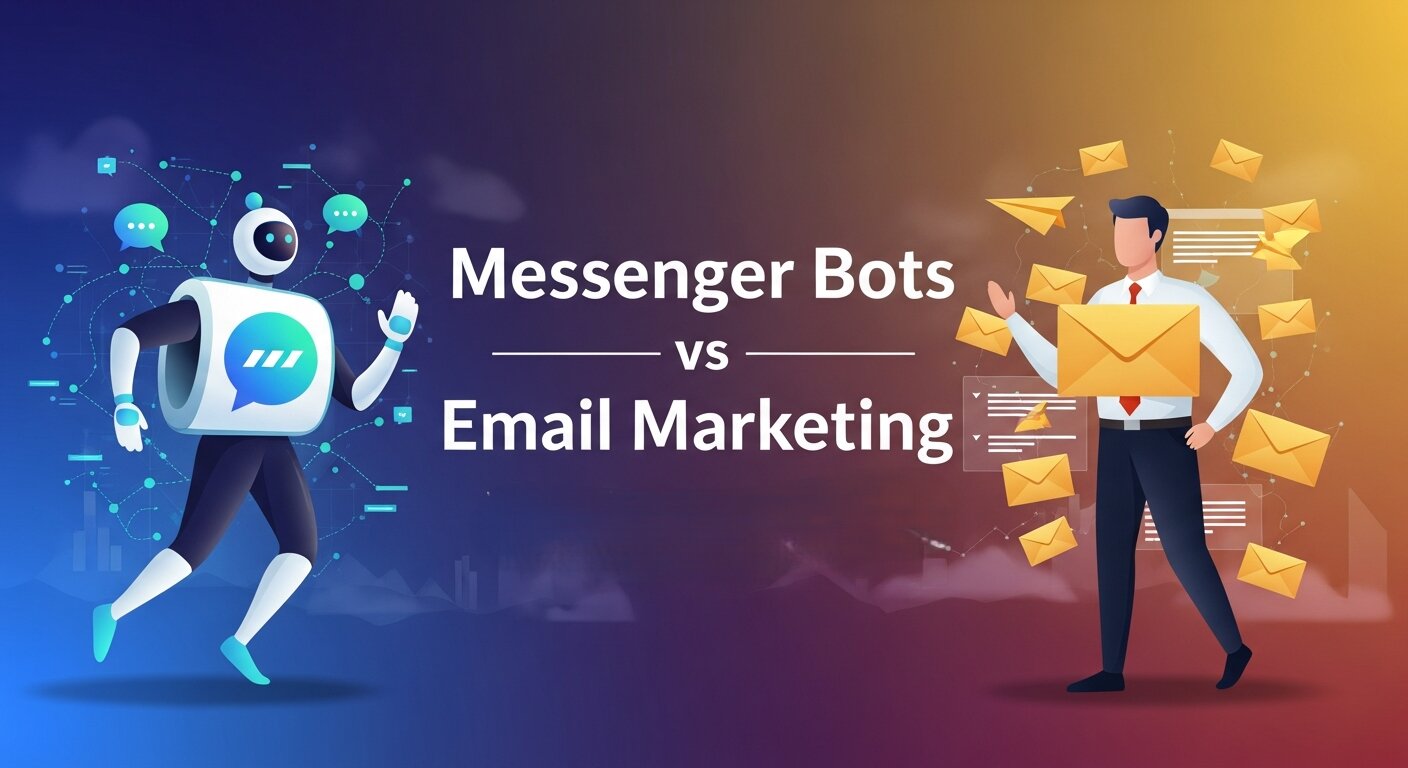
Marketing has developed significantly over the past decade. Businesses are no longer dependent on traditional methods; Instead, they address innovative equipment such as Messenger Bots and E -Post Marketing. Both options are effective in their own way, but they serve different goals and target groups.
If you juggle between the two or think, which is better for your strategy, this guide will break it for you. Learn how to compare messenger robots and e -mail marketing, their benefits and how to benefit them to maximize their business access and engagement.
Understanding Messenger Bots and Email Marketing
Both messenger bots and email marketing are powerful tools to communicate with your audience, but they operate differently.
What Are Messenger Bots?
Messenger bots are automated programs designed to communicate with users via messaging platforms like Facebook Messenger, WhatsApp, or Instagram Direct. They provide quick and interactive responses to customer inquiries, automate conversations, and can even guide users through the sales funnel. Think of them as virtual assistants that are available 24/7.
What Is Email Marketing?
On the other hand, email marketing involves sending targeted emails to communicate with your audience. Whether you’re nurturing leads, providing valuable information, or delivering promotional content, email marketing lets you connect with users on a more in-depth level.
Both tools are highly effective, but which one you use (or both) depends on your business goals, your audience, and the type of content you offer.
Key Comparisons Between Messenger Bots and Email Marketing
To figure out what works for your business, let’s compare messenger bots and email marketing based on several important factors.
1. Open Rates
- Messenger Bots
Messenger bots typically achieve higher open rates, often hitting above 80%. Since these messages appear within an instant messaging app, users are more likely to view them quickly.
- Email Marketing
Emails generally have open rates between 15% and 25%, depending on the industry. While still effective, emails can often get buried or ignored in crowded inboxes.
2. Response Rates
- Messenger Bots
Due to their conversational nature, messenger bots boast high response rates. Users tend to engage more readily with bots because the interaction feels personal and immediate.
- Email Marketing
The response rate for emails tends to be lower, averaging around 1% to 5%. While emails allow for thoughtful consideration, they are less likely to elicit an immediate reply compared to messenger bots.
3. Personalization
- Messenger Bots
Messenger bots use AI to create highly personalized interactions. They can address users by name, remember past preferences, and tailor responses based on user input.
- Email Marketing
Email marketing also allows personalization, but only to an extent. While you can use the recipient’s name and segment your audience, it lacks the real-time, conversational aspect of messenger bots.
4. Content Complexity
- Messenger Bots
Messenger bots work best with short, digestible content. They are ideal for answering FAQs, providing quick updates, and guiding users through straightforward processes.
- Email Marketing
When it comes to in-depth content, email marketing takes the lead. From newsletters and case studies to long-form promotional content, emails provide the space and flexibility to explain things in detail.
5. Cost and Setup
- Messenger Bots
Setting up and optimizing bots can require significant investment and technical knowledge. While the ROI can be excellent, smaller businesses may find the initial cost intimidating.
- Email Marketing
Email marketing is more cost-effective and easier to set up. Many platforms like Mailchimp and Constant Contact provide user-friendly interfaces, making it accessible for businesses of all sizes.
6. Automation
- Messenger Bots
Automation is where messenger bots excel. They engage users instantly, 24/7, and handle multiple conversations simultaneously.
- Email Marketing
Email marketing tools allow for automation as well, but responses still depend on user action. Automated email sequences like drip campaigns are incredibly effective, though not as immediate as bots.
When to Use Messenger Bots
Messenger bots are ideal when you need fast, interactive communication. Consider using messenger bots if you’re looking to:
- Offer real-time customer service.
- Automate responses to FAQs.
- Engage users in quick, interactive formats (polls, quizzes, surveys).
- Guide users through a sales funnel with minimal effort.
Messenger bots are particularly useful for businesses in industries like retail, food delivery, e-commerce, and real estate, where immediate engagement can significantly impact sales.
When to Use Email Marketing
Email marketing is better suited for long-form content and nurturing relationships over time. It’s the go-to option if you want to:
- Send newsletters, updates, or detailed promotions.
- Build and maintain long-term relationships with customers.
- Share valuable resources like case studies, reports, or whitepapers.
- Execute drip campaigns for lead nurturing or onboarding.
Industries like B2B, SaaS, and professional services benefit greatly from email marketing due to its ability to convey rich, detailed content.
Can They Work Together? Absolutely!
A hybrid strategy that uses both messenger bots and email marketing can deliver even better results. For example, you could use a messenger bot to capture leads quickly and then nurture those leads with in-depth email marketing campaigns.
Here’s an example of how it can work:
- Step 1: A messenger bot greets a visitor on your website and asks for their email address in exchange for a free resource.
- Step 2: Once the user provides their email, they’re entered into an automated email sequence.
- Step 3: Use email marketing to provide long-form content, while using the bot for real-time engagement if the user returns to your website with questions.
Combining the two allows you to guide your audience through the customer journey seamlessly, leveraging the strengths of both tools.
Real-Time Customer Engagement
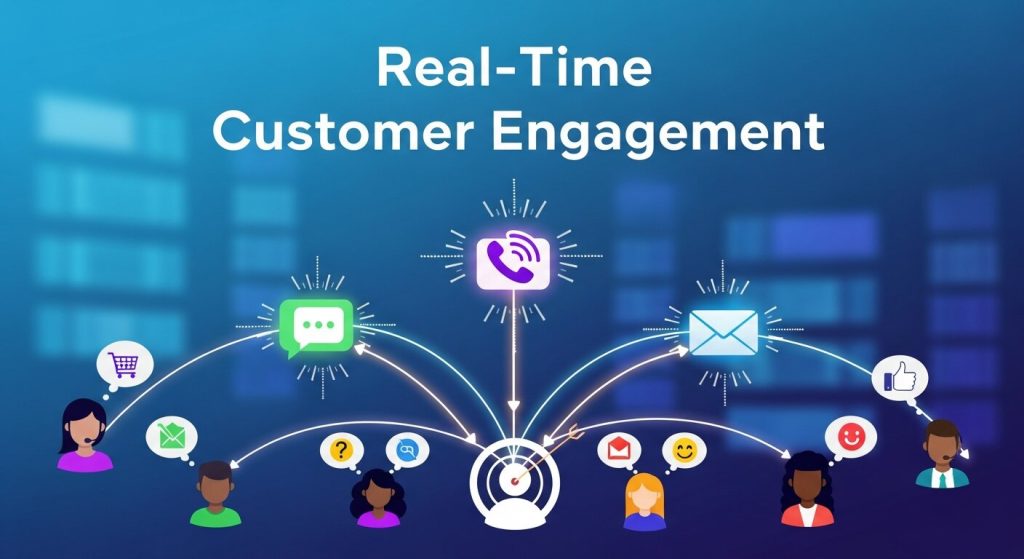
Instant communication has become a major expectation in modern marketing. Customers want answers quickly, especially when they are close to making a decision. Messaging-based tools allow brands to respond immediately, reducing friction and increasing trust. Through AI-Driven Chatbot Marketing, businesses can handle large volumes of conversations simultaneously without sacrificing quality. These systems can answer common questions, recommend products, and guide users step-by-step through the buying process. Real-time engagement not only improves customer satisfaction but also shortens sales cycles. When users feel heard and supported instantly, they are more likely to convert and develop a positive perception of the brand.
Long-Term Relationship Building
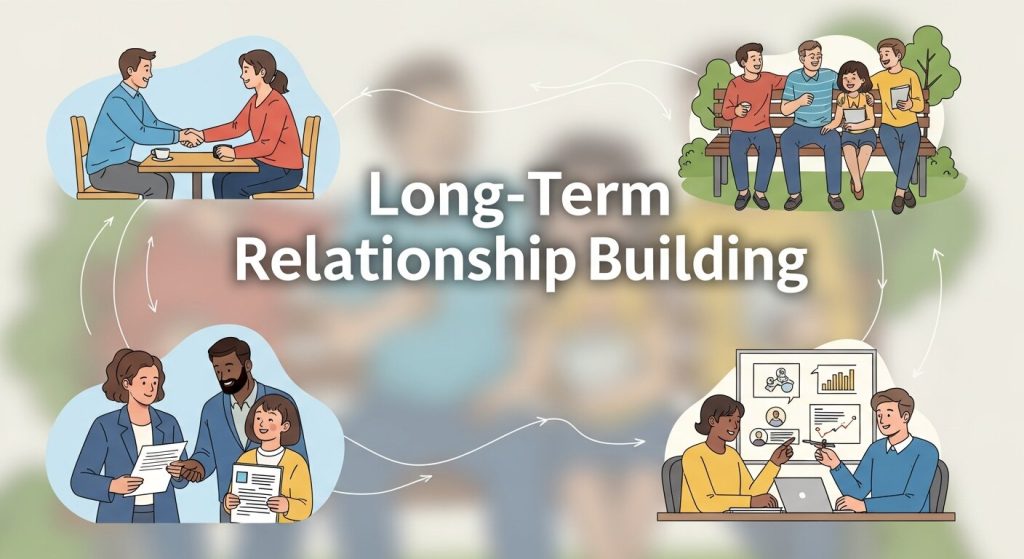
While instant engagement is valuable, building long-term relationships requires consistent and meaningful communication. This is where structured outreach plays an important role. Email campaigns allow brands to stay connected with their audience over time by sharing updates, educational content, and exclusive offers. With well-planned Email Personalization Strategies, businesses can tailor messages based on user behavior, preferences, and past interactions. Personalized emails feel more relevant and increase trust, making subscribers more likely to engage. Over time, this consistent value delivery strengthens brand loyalty and keeps the business top-of-mind without overwhelming the audience.
Conversational User Experiences
Modern users prefer interactions that feel natural rather than transactional. Conversational marketing helps brands create human-like experiences even through automated systems. By applying Chatbot Personalization Strategies, businesses can adjust responses based on user inputs, browsing history, or previous conversations. This makes interactions feel more relevant and less robotic. Personalized conversations help users feel understood, which increases engagement and satisfaction. When customers receive responses that match their needs and tone, they are more likely to continue the conversation and take action. This approach turns simple chats into meaningful brand interactions.
Supporting the Buyer’s Journey
Every customer goes through multiple stages before making a purchase. Effective marketing tools support users at each stage of this journey. Quick interactions help users discover solutions, while detailed communication builds confidence. By aligning messaging with user intent, businesses can move prospects smoothly from awareness to decision-making. Timely responses, helpful content, and clear guidance reduce hesitation. When marketing tools are used strategically, they don’t feel pushy; instead, they feel supportive. This structured journey improves conversion rates and ensures users receive the right message at the right time.
Data-Driven Decision Making
Successful marketing relies heavily on insights gathered from user behavior. Tracking open rates, click-throughs, response times, and conversions helps businesses understand what works and what doesn’t. These insights allow marketers to refine messaging, timing, and channels. When decisions are driven by real data rather than assumptions, campaigns become more efficient and effective. Continuous testing and optimization ensure that communication strategies evolve alongside user expectations. Over time, data-driven improvements lead to higher engagement, better ROI, and more predictable marketing outcomes.
Scalability for Growing Businesses
As businesses grow, managing communication manually becomes difficult. Scalable marketing solutions ensure consistent messaging without increasing workload. Automated systems allow brands to engage thousands of users simultaneously while maintaining quality. This scalability is essential for businesses expanding into new markets or launching new products. Well-structured automation reduces operational costs and minimizes errors. When communication systems are designed to scale, businesses can focus on strategy and innovation rather than repetitive tasks. This balance supports sustainable growth and long-term success.
Creating a Unified Marketing Ecosystem
Using multiple tools together creates a stronger marketing ecosystem. When different channels complement each other, communication becomes more seamless. Short interactions can capture attention, while detailed follow-ups provide depth. This unified approach ensures users receive consistent messaging across touchpoints. Integration between tools also improves tracking and personalization. A connected system allows marketers to understand user behavior holistically and respond more effectively. By combining strengths across platforms, businesses can deliver better experiences, improve engagement, and drive stronger results throughout the customer lifecycle.
Choosing the Right Tool for Your Business
When you decide between Messenger -Robots and E -Post Marketing, the most important factor you need to consider for the public is. Understanding where they spend their time and how they like to communicate will help you determine the right platform.
If you are aimed at young, technology-friendly users who affect speed, it may be a way to go to a Messenger bot. However, if the audience prefers to consume materials wide, depth at their own pace, e-post marketing will produce better results.
Make Better Marketing Choices
The alternative between messenger robots and e -post marketing should not be a decision. Understand the strength of each tool, you can create a strategy that maximizes commitment, streamlining communication and runs the results.
Want to know more about increasing your marketing strategies? Subscribe to our newspaper for action-rich tips, or order a free consultation with our experts today!
FAQ: Messenger Bots vs Email Marketing
1. What is the main difference between messenger bots and email marketing?
The main difference lies in how communication happens. Messenger bots provide real-time, interactive conversations through messaging platforms, while email marketing delivers scheduled, long-form content directly to a user’s inbox. Bots focus on instant engagement, whereas emails support deeper relationship building over time.
2. Are messenger bots more effective than email marketing?
Messenger bots are often more effective for immediate engagement, customer support, and quick conversions due to higher open and response rates. Email marketing, however, is better for nurturing leads, sharing detailed content, and maintaining long-term customer relationships. Effectiveness depends on your campaign goals.
3. Do messenger bots replace email marketing?
No, messenger bots do not replace email marketing. Instead, they complement it. Bots are ideal for quick interactions and lead capture, while email marketing excels at storytelling, education, and ongoing communication.
4. Which option is better for small businesses?
Email marketing is usually more accessible for small businesses due to lower setup costs and simpler tools. Messenger bots can deliver a strong ROI but may require a higher initial investment and technical setup, making them more suitable once a business is ready to scale.
5. Can messenger bots and email marketing be automated?
Yes, both can be automated. Messenger bots automate conversations and customer responses instantly, while email marketing automation includes drip campaigns, onboarding emails, and triggered messages based on user behavior.
6. Which marketing tool has higher engagement rates?
Messenger bots generally have higher engagement rates because messages appear instantly within chat apps. Email marketing engagement can be lower but remains highly valuable for audiences that prefer consuming content at their own pace.
7. How do I choose the right tool for my audience?
Choosing the right tool depends on where your audience spends time and how they prefer to communicate. Younger, mobile-first users often prefer messaging apps, while professionals and B2B audiences typically respond better to email communication.