Messenger Chatbots change how to shop with their customers. They are no longer a niche technology reserved for technical giants, but are quickly accessible to small and medium -sized businesses, providing personal, time and costly customer experience.
What Are Messenger Chatbots?
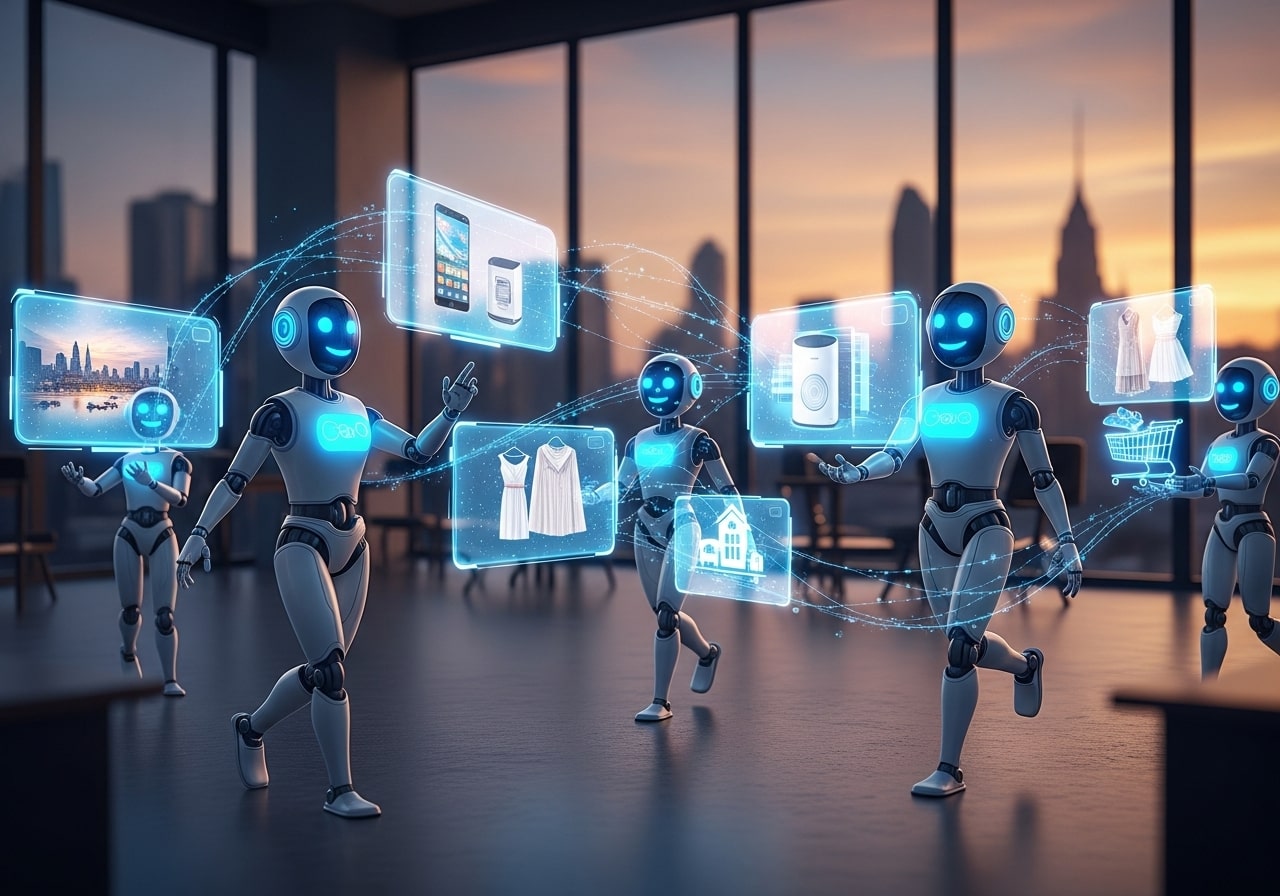
A Messenger Chatbot is an AI operated device that imitates human conversations through message platforms such as Facebook Messenger, WhatsApp and others. They can answer questions, provide recommendations, gather information and even handle transactions.
Messenger Chatbots is programmed to understand customer issues and provide communicative response. By using a combination of pre -graded scripts, natural language treatment or both, companies can automate regular interactions and maintain a personality touch.
Why Your Business Needs a Messenger Chatbot
The rise of messaging platforms, with Facebook Messenger alone hosting over 1.3 billion users globally, underscores the importance of integrating chatbots into your customer communication strategy. Here are some reasons why messenger chatbots are critical for modern businesses.
Instant Customer Support
Customers want immediate answers. A chatbot ensures that questions are addressed 24/7 and reduce the waiting time and improve customer satisfaction.
Example: It is said that a customer wants to know if a product is in stock at 10am. A Messenger Chatbot can immediately inform them, and potentially convert a survey to a sale.
Cost-Effective Scalability
Hiring dozens of customer service agents to handle peak times or global time zones can be expensive. Chatbots allow you to scale your support capabilities without significant overhead.
Personalization at Scale
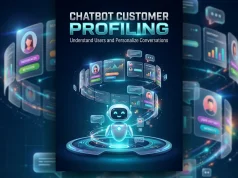
Unlike traditional email support, which can feel slow and impersonal, messenger chatbots use data to offer tailored recommendations based on customer preferences and behaviors.
Example: A chatbot could say, “Hi Sarah, based on your last purchase, you might love these new arrivals!”
Improved Lead Generation

Chatbots can engage potential customers directly, guide them through initial inquiries, and qualify leads for sales teams. They help streamline the sales funnel and capture interested users with minimal friction.
Messenger Chatbots for Customer Onboarding
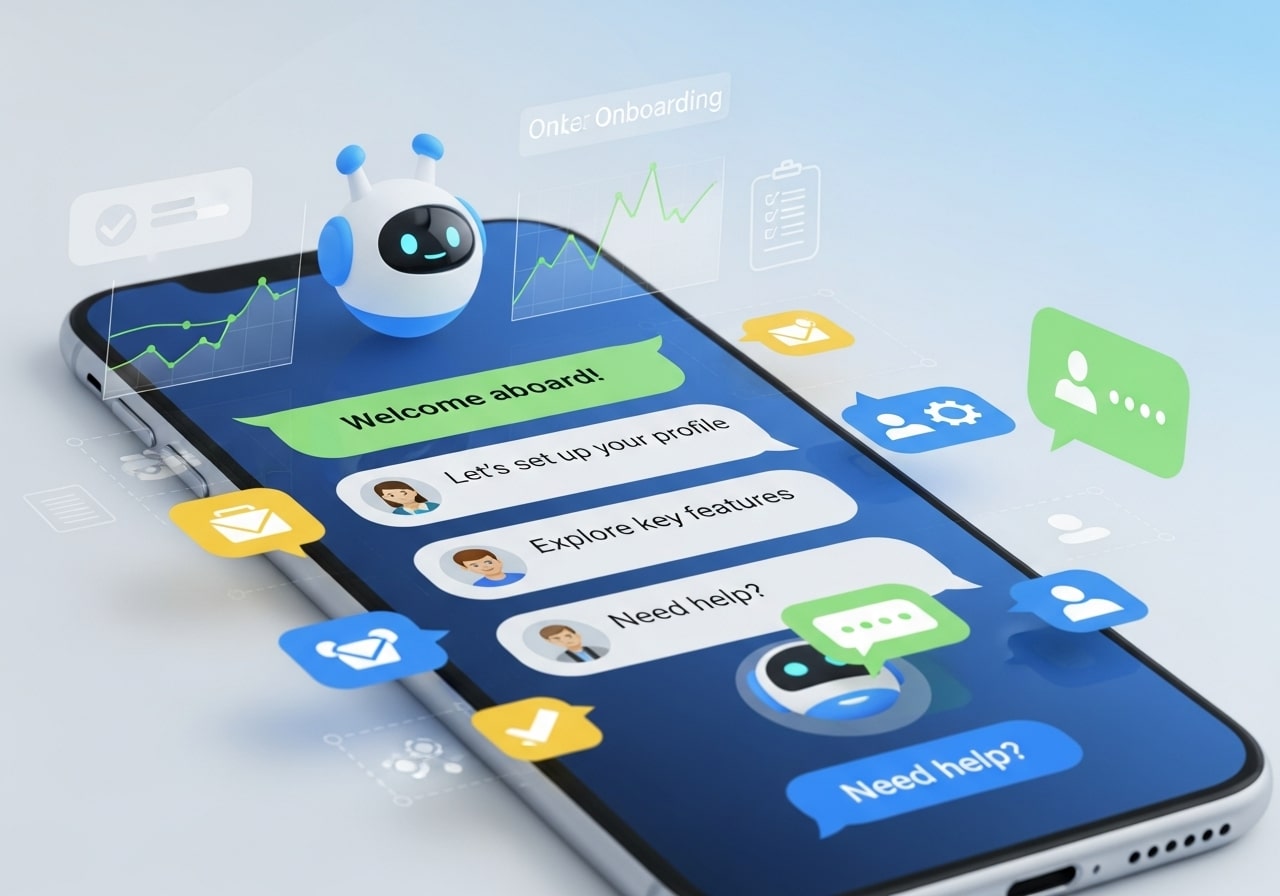
Messenger chatbots play a crucial role in onboarding new customers smoothly and efficiently. Instead of overwhelming users with long guides or emails, chatbots can introduce features step by step through interactive conversations. They can welcome new users, explain key functionalities, and guide them toward first actions that deliver value quickly. This improves user adoption and reduces confusion during the early stages of interaction. By offering instant answers and personalized guidance, chatbots ensure customers feel supported from the very first interaction, leading to higher engagement, better retention, and a more positive brand experience.
Reducing Cart Abandonment with Chatbots
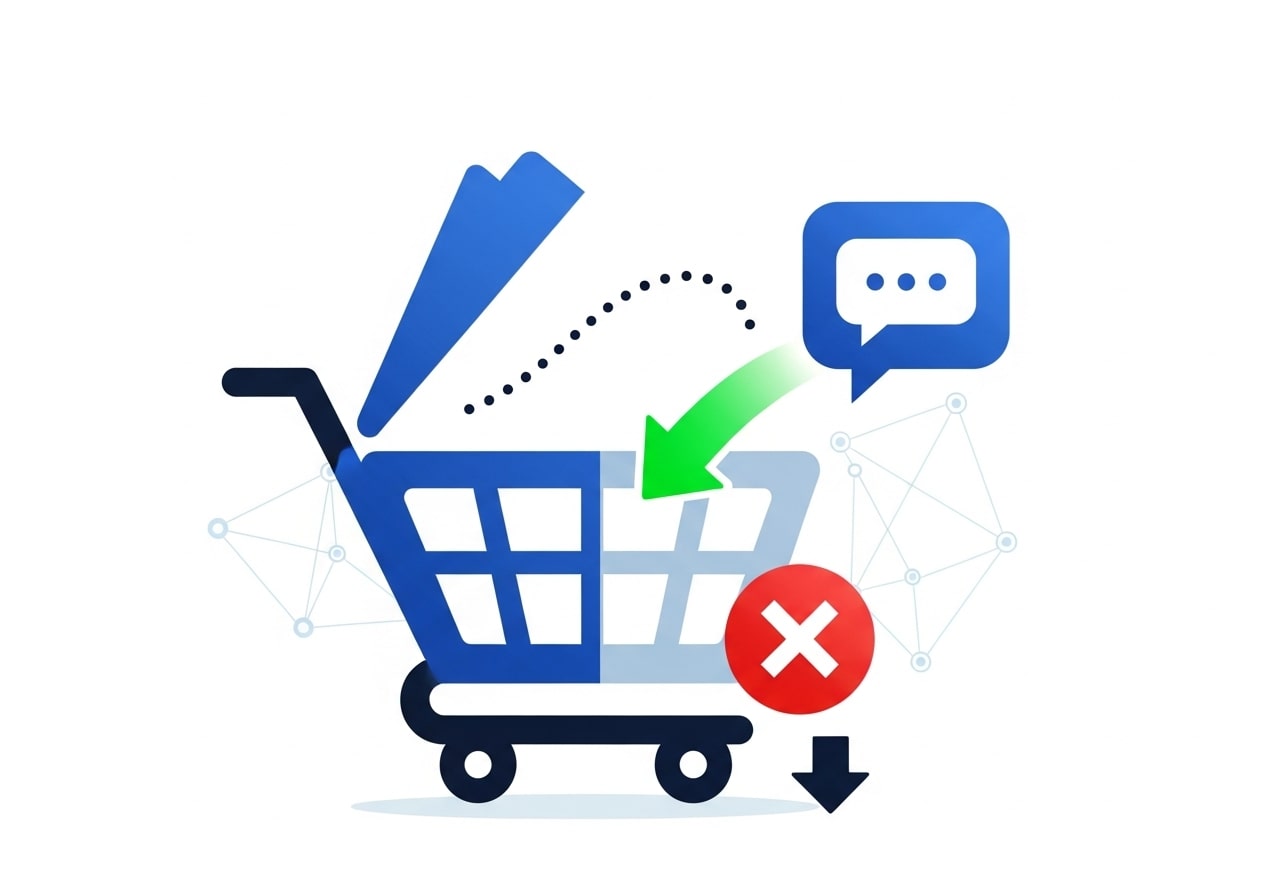
Cart abandonment is a major challenge for online businesses, and messenger chatbots offer an effective solution. Chatbots can automatically follow up with users who leave items in their cart, reminding them to complete the purchase. They can also address common objections by answering questions about pricing, delivery, or return policies in real time. Additionally, offering limited-time discounts or free shipping through chatbots can motivate hesitant buyers. By engaging customers at the right moment, chatbots help recover lost sales and significantly improve overall conversion rates.
Using Chatbots for Order Tracking and Updates
Customers expect transparency and real-time updates after placing an order. Messenger chatbots can handle order tracking effortlessly by providing instant status updates, shipping details, and delivery timelines. Instead of contacting customer support, users can simply ask the chatbot for updates. This reduces support workload while improving customer satisfaction. Automated notifications about order confirmations, shipping progress, and delivery completion also keep customers informed without manual effort. A smooth post-purchase experience builds trust and increases the likelihood of repeat purchases and positive reviews.
Improving Customer Retention Through Chatbots
Customer retention is just as important as acquisition, and chatbots help businesses stay connected with existing customers. By sending personalized follow-ups, usage tips, reminders, and exclusive offers, chatbots keep users engaged long after the initial purchase. They can also notify customers about new features, product launches, or loyalty rewards. Consistent and relevant communication strengthens relationships and increases brand loyalty. When customers feel remembered and valued, they are more likely to return, spend more, and recommend the brand to others.
Chatbots as a Sales Assistant
Messenger chatbots can act as virtual sales assistants, guiding customers through the buying process. They ask relevant questions, understand user needs, and recommend suitable products or services. This conversational approach feels more natural than browsing through endless product pages. Chatbots can also upsell or cross-sell by suggesting complementary items based on user preferences. By replicating the experience of an in-store salesperson, chatbots make purchasing decisions easier and faster, ultimately boosting revenue and customer satisfaction.
Automating Appointment Booking with Chatbots
For service-based businesses, appointment scheduling can be time-consuming. Messenger chatbots simplify this process by allowing customers to book, reschedule, or cancel appointments directly within the chat. They can display available time slots, send confirmation messages, and issue reminders automatically. This reduces no-shows and administrative workload while offering convenience to customers. Whether for salons, clinics, consultants, or support teams, chatbot-based scheduling improves efficiency and enhances the overall customer experience.
Enhancing Marketing Campaigns with Chatbots
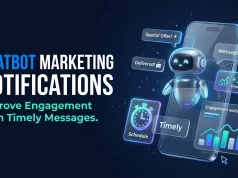
Chatbots are powerful tools for running targeted marketing campaigns. They enable businesses to send personalized messages, promotional offers, and announcements directly to users who have opted in. Unlike emails, chatbot messages often achieve higher open and response rates. Businesses can segment audiences based on behavior and preferences, ensuring relevant messaging. Interactive elements like polls, quizzes, and quick replies further increase engagement. When used strategically, chatbots transform traditional campaigns into interactive experiences that drive better results.
Building Brand Personality Through Chatbots
Messenger chatbots offer a unique opportunity to showcase brand personality. Through tone, language, and conversational style, chatbots can reflect a brand’s identity—whether friendly, professional, or playful. This human-like interaction makes brands more approachable and relatable. Consistent personality across conversations helps strengthen brand recognition and trust. When customers enjoy interacting with a chatbot, they are more likely to return and recommend the brand. A well-designed chatbot becomes an extension of your brand voice.
Key Features of Messenger Chatbots
When planning to integrate a messenger chatbot, ensure it includes these features for maximum impact.
Natural Language Processing (NLP)
NLP allows chatbots to understand and respond to text inputs that mimic natural human language, making conversations more fluid and intuitive.
Multi-Channel Support
Ensure your chatbot can integrate with various messaging platforms like WhatsApp, Facebook Messenger, or even live chat on your website.
Analytics and Reporting
Good chatbots don’t just engage customers, they give you valuable insights. Features like sentiment analysis and user feedback tracking are essential to continuously improving your chatbot’s performance.
Payment Integration
Allow customers to make purchases seamlessly by enabling your chatbot to handle transactions directly within the chat platform.
Multi-Language Support
If your business serves a global audience, having a multilingual chatbot ensures inclusivity and better customer experiences.
How to Use Messenger Chatbots Effectively
Understanding the capabilities of messenger chatbots is just the beginning. Effective implementation is key to achieving the desired outcomes.
Optimize the Onboarding Process
Start by clearly defining the purpose of your chatbot. When new users interact with your messenger bot, they should quickly understand what the bot can and cannot do.
Example Opening Line for a Chatbot:
“Hi there! I’m Mia, your personal shopping assistant. I can help you find products, answer questions, and process your order.”
Blend Automation with Human Support
Chatbots are great for routine tasks, but some situations may require human intervention. Always give customers the option to transfer to a live agent if needed.
For instance, a simple “Would you like to speak with a team member?” can improve user experiences significantly when issues get complex.
Use Chatbots for E-commerce
Messenger chatbots are excellent tools for online retailers. They can recommend products based on purchase history, alert customers about discounts, and facilitate transactions.
Example:
- Customer Query: “Do you have summer dresses available?”
- Chatbot Response: “Yes! Here are some options we think you’ll love [Insert links or images]. Would you like to place an order?”
Build Customer Loyalty with Engagement
Use your chatbot to go beyond support. Provide value-driving content such as personalized recommendations, event reminders, or even gamified interactions.
Example:
“Hi James! Don’t forget about our exclusive subscriber-only sale happening this week. Click here to grab 20% off your favorites!”
Gather Customer Feedback
Use chatbots as a feedback collection tool. After resolving a query or completing an interaction, ask your customers a few short questions to gauge satisfaction.
Example:
“Thanks for shopping with us today! How was your experience? (1-5 stars)”
Promote Your Chatbot Effectively
Tell your customers about your messenger chatbot. Use your website, social media accounts, and email campaigns to highlight the benefits of using your chatbot for quicker, more efficient support.
Example social post:
“Our chatbot, Alex, is here to make your life easier! Reach out anytime and get instant answers to all your questions.”
Practical Case Studies
To bring these tips to life, here’s how businesses utilize messenger chatbots to grow and engage with their customers.
- Retail: H&M’s chatbot helps users browse products, suggests outfit ideas, and directs them to checkout for purchases, all through Facebook Chatbot.
- Travel: KLM Airlines uses a chatbot to assist with flight bookings, track luggage, and provide real-time flight updates.
- Customer Service: Sephora’s chatbot offers beauty tips and product advice while helping users book in-store makeup appointments.
Final Takeaway
Messenger chatbots is no longer the future; They are now of customer communication. By offering immediate support, personal interaction and cost -effective scalability, they provide companies to provide extraordinary customer experience.
If your business has not yet discovered this innovative equipment, it is now the right time. Today, take the first step towards Smart customer commitment by planning your Chatbot strategy.
Read more about this topic: What Is a Voice-Enabled Chatbot
Frequently Asked Questions (FAQ) – Messenger Chatbots
1. What is a Messenger Chatbot?
A Messenger Chatbot is an AI-powered tool that communicates with users through messaging platforms like Facebook Messenger and WhatsApp. It can answer questions, recommend products, collect information, and automate customer interactions in real time.
2. How do messenger chatbots benefit small businesses?
Messenger chatbots help small businesses provide 24/7 customer support, reduce support costs, generate leads, and personalize customer interactions without hiring large support teams.
3. Do messenger chatbots replace human customer support?
No. Chatbots handle repetitive and basic queries efficiently, but complex or sensitive issues should be transferred to human agents. The best approach is a hybrid model combining automation and human support.
4. Can messenger chatbots increase sales?
Yes. Chatbots can recommend products, notify users about offers, recover abandoned carts, and even process payments directly inside the chat, leading to higher conversion rates.
5. Are messenger chatbots difficult to set up?
Not at all. Many no-code and low-code platforms allow businesses to build and deploy chatbots easily without technical expertise. Advanced customization is optional but not required to get started.
6. Which platforms support messenger chatbots?
Popular platforms include Facebook Messenger, WhatsApp, Instagram Messaging, website live chat, and sometimes SMS, depending on the chatbot provider.
7. Can a messenger chatbot handle payments securely?
Yes. Many chatbots integrate with secure payment gateways, allowing users to complete transactions safely within the chat while complying with data protection standards.
8. How do chatbots personalize conversations?
Chatbots use customer data such as name, past purchases, browsing behavior, and preferences to deliver tailored responses and recommendations at scale.
9. Are messenger chatbots suitable for e-commerce businesses?
Absolutely. eCommerce businesses use chatbots for product discovery, order tracking, customer support, promotions, and post-purchase engagement.
10. How can I measure the performance of my chatbot?
You can track metrics like response time, engagement rate, lead conversions, customer satisfaction scores, and sales generated through chatbot interactions.