Voice-enabled chatbots are rapidly changing the way we interact with technology, enhancing user experiences and streamlining tasks like never before. From asking Alexa to play your favorite song to inquiring about the weather via Siri, these intelligent assistants have become an integral part of our daily lives.
Understanding Voice-Enabled Chatbots

Voice-enabled chatbots are AI-powered tools that combine natural language processing (NLP), artificial intelligence, and voice recognition software to understand and respond to verbal commands. Unlike traditional text-based chatbots, which require users to type out their queries, voice-enabled bots utilize spoken language for communication.
Imagine asking a chatbot about your bank balance or getting help with a product issue by simply speaking into your microphone. These bots are designed to process voice commands, decipher the user’s intent, and respond appropriately in real-time.
How Voice-Enabled Chatbots Work
The functionality of a voice-enabled chatbot revolves around three key technological components:
- Speech Recognition
Voice recognition technology converts the user’s speech into text. Popular algorithms used for this include Automatic Speech Recognition (ASR) systems that analyze sound waves and recognize linguistic patterns.
- Natural Language Processing (NLP)
NLP frameworks, such as Google’s BERT or OpenAI’s GPT, interpret the context and intent behind the user’s spoken words. This allows the chatbot to determine what the user is asking for, even if the phrasing is complex.
- Response Generation and Speech Synthesis
After understanding the query, the chatbot selects or generates a suitable response using its programmed knowledge or integrated databases. These responses can then be vocalized using text-to-speech (TTS) technology.
For example:
- You ask the chatbot, “What’s my schedule today?”
- The bot processes your speech, understands your request through NLP, accesses your personalized calendar, and audibly replies, “You have a meeting at 10 AM and lunch with Sarah at 1 PM.”
Integration with Existing Systems
Voice-enabled chatbots are most effective when seamlessly integrated with a business’s existing systems, such as CRM software, e-commerce platforms, or ERP tools. Integration allows chatbots to access real-time data, provide accurate responses, and automate routine tasks efficiently. For example, a chatbot linked to an inventory system can instantly inform a customer about stock availability. Similarly, integration with appointment management software enables voice bots to schedule or reschedule meetings without manual input. Proper integration ensures a smooth user experience, reduces errors, and maximizes the chatbot’s utility across both customer-facing and internal operations.
Enhancing Voice Recognition Accuracy

The success of a voice-enabled chatbot depends on accurate speech recognition. Background noise, accents, and unclear speech can affect performance. Businesses can improve accuracy by training chatbots with diverse voice datasets, implementing noise reduction algorithms, and offering voice prompts to guide users. Additionally, continuous learning through machine learning models allows the chatbot to adapt to user speech patterns over time. High recognition accuracy not only improves user satisfaction but also builds trust in the system. Ensuring the chatbot understands even complex or ambiguous queries minimizes errors and increases overall efficiency in completing tasks.
Personalization Strategies
Voice chatbots can deliver highly personalized experiences by leveraging user data such as preferences, past interactions, and purchase history. For instance, a shopping bot can suggest products based on previous orders, while a fitness app can offer tailored workout recommendations. Personalization increases engagement by making interactions feel relevant and human-like. Using AI algorithms, chatbots can anticipate user needs and provide proactive suggestions, such as reminders for recurring tasks or upcoming deadlines. Personalization also helps businesses build stronger customer relationships, improve retention, and drive repeat interactions, creating a more satisfying and effective user experience.
Multilingual Support for Global Reach
Voice-enabled chatbots with multilingual capabilities can expand a business’s reach across regions and demographics. Advanced NLP algorithms allow chatbots to understand and respond accurately in multiple languages and dialects, accommodating users from diverse backgrounds. Multilingual support ensures that non-native speakers can interact naturally, improving inclusivity and accessibility. For international brands, this capability reduces localization costs while maintaining consistent customer service quality. By offering support in multiple languages, businesses can attract a wider audience, improve satisfaction for global users, and stay competitive in international markets, all while providing a seamless, voice-driven experience.
Voice Bot Analytics and Insights
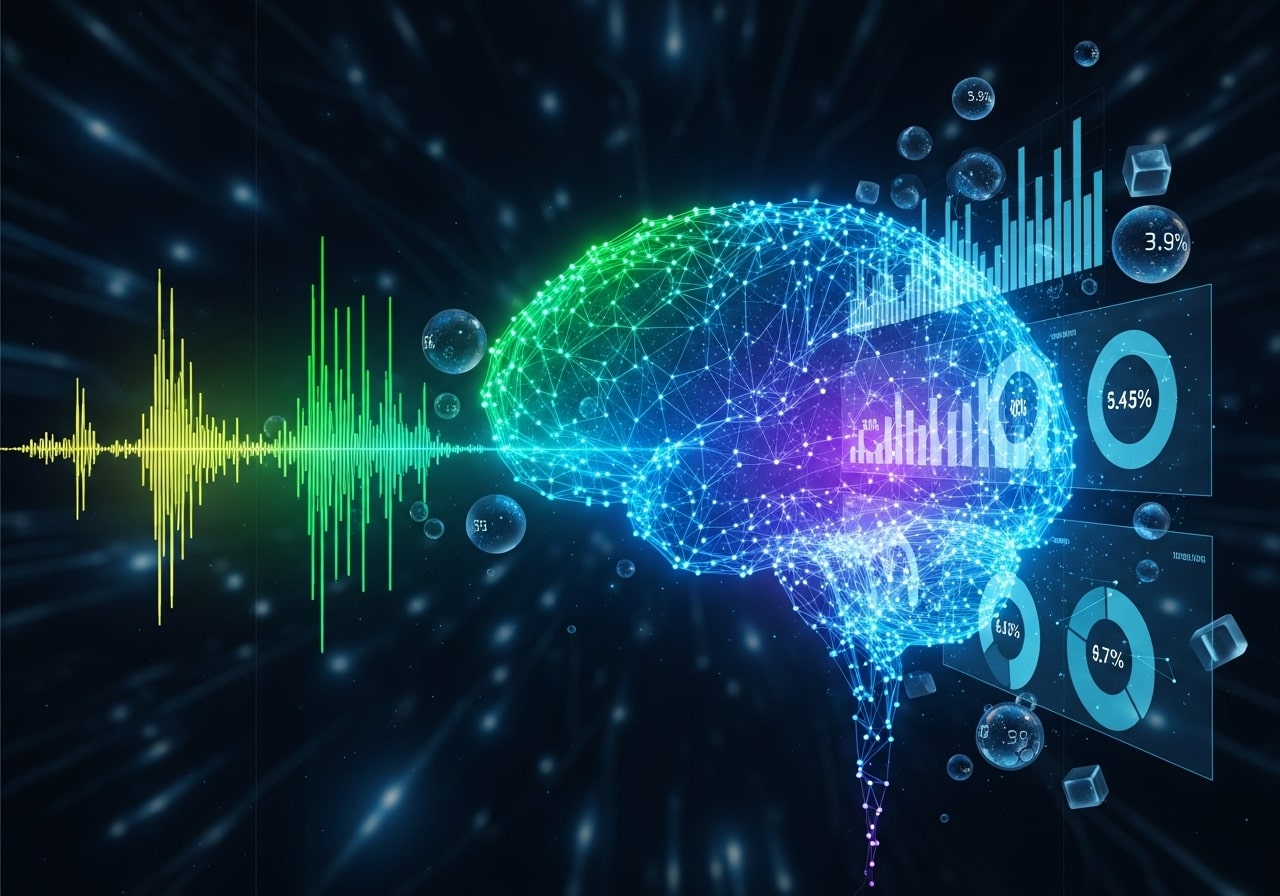
Analytics play a crucial role in optimizing voice-enabled chatbots. By tracking metrics such as interaction frequency, completion rates, response accuracy, and user satisfaction, businesses gain actionable insights into bot performance. Analytics also help identify common user queries, detect issues, and highlight opportunities for improving the conversational experience. Insights from voice bot interactions can inform product development, marketing strategies, and service enhancements. Advanced dashboards visualize trends and patterns, enabling data-driven decisions that improve engagement and efficiency. Regular analysis ensures the chatbot evolves over time to meet changing customer needs and maintain high performance.
Security and Privacy Considerations
Voice-enabled chatbots often handle sensitive information, making security and privacy critical. Best practices include encrypting voice data, implementing secure authentication methods, and complying with regulations such as GDPR or HIPAA. User consent should be obtained before recording or processing conversations. Businesses must also ensure that data storage and cloud processing environments are secure to prevent breaches. Proper privacy management builds user trust and ensures compliance with legal standards. Addressing security and privacy proactively allows businesses to leverage voice chatbots confidently, even in industries handling confidential financial, healthcare, or personal data.
Continuous Learning and AI Improvement

Voice-enabled chatbots rely on AI models that improve over time through continuous learning. Every interaction provides data that can be used to refine speech recognition, enhance understanding of complex queries, and improve response relevance. Feedback loops, including user ratings or corrections, allow the system to adapt to changing language patterns, slang, or industry-specific terminology. Businesses can implement reinforcement learning or supervised training to accelerate chatbot improvements. Continuous AI development ensures the chatbot remains intelligent, context-aware, and capable of handling increasingly sophisticated tasks, providing a more natural and effective experience for users.
Key Benefits of Voice-Enabled Chatbots
Voice-enabled chatbots aren’t just a trendy tech innovation; they bring tangible advantages to users and businesses alike. Here’s why they are game-changers:
1. Convenience and Accessibility
Voice chatbots make multitasking easier. Whether you’re driving, cooking, or exercising, you can interact with devices without needing your hands or eyes. They also empower individuals with physical disabilities by removing traditional barriers to text-based communication.
Example: A store-owner could quickly restock inventory through a chatbot while managing other shop-floor tasks.
2. Faster Interactions
Speaking is quicker than typing. Voice-powered bots significantly reduce the time it takes to get from a query to actionable outcomes, especially when compared to navigating apps or websites manually.
Example: Instead of filling out multiple drop-downs in a food ordering app, users can simply say, “Order a large pepperoni pizza from Dominos.”
3. Personalized User Experience
Modern voice-enabled bots leverage AI to offer hyper-personalized experiences. They remember preferences, anticipate needs, and deliver relevant solutions tailored to each user.
Example: Chatbots like Google Assistant can recognize your routine and proactively suggest actions, such as sending reminders for lunch or adjusting your smart home thermostat.
4. Improved Customer Support
For businesses, voice-enabled chatbots provide around-the-clock customer service without adding labor costs. They handle routine queries efficiently, freeing human representatives to focus on complex interactions.
Example: An e-commerce business can use chatbots to provide shipping statuses or refund updates instantly.
5. Language and Multi-Accent Understanding
Advanced NLP capabilities allow chatbots to accommodate multiple languages and accents, broadening their reach. This ensures global accessibility without requiring significant localization.
6. Cost-Effective Solution for Businesses
Voice-enabled bots cut costs by reducing the need for multiple customer support agents. They can handle thousands of queries simultaneously, ensuring scalability without budget limitations.
Read more about this topic: Lead Generation Bots
Use Cases of Voice-Enabled Chatbots Across Industries
Voice-enabled chatbots are versatile tools used in a variety of industries to boost efficiency and customer satisfaction. Here are some popular applications:
Healthcare
Healthcare providers use voice chatbots to schedule appointments, provide medication reminders, and offer symptom-checking services to patients.
Example: MayaMD assists patients by offering voice-based health tips based on their symptoms.
E-Commerce
Retailers rely on voice-enabled bots to assist shoppers with finding products, placing orders, and answering inquiries about return policies or promotions.
Example: Sephora’s chatbot helps customers find makeup recommendations through conversational voice commands.
Banking and Finance
Smart chatbots in banking help users check account balances, pay bills, or locate ATMs simply by speaking.
Example: Bank of America’s “Erica” enables users to perform seamless banking tasks through voice and text input.
Travel and Hospitality
Airlines, hotels, and travel companies use voice bots to manage bookings, provide real-time travel updates, and answer customer questions.
Example: Hilton’s “Connie” chatbot helps guests check room availability and even recommends local attractions.
Smart Home Technology
Voice chatbots are commonly integrated into home assistants like Amazon Echo or Google Home to provide users with full control over smart home appliances.
Example: Asking, “Hey Alexa, turn off the lights,” instantly powers down the lights in your home.
Future Trends in Voice-Enabled Chatbots
The future of voice-enabled chatbots is rich with possibilities. Here are some key trends shaping their development:
- Enhanced Multimodal Interaction
Voice chatbots will soon combine visuals with voice to provide richer, more detailed responses, especially for devices like smart screens.
- Proactive Engagement
Future chatbots may proactively reach out with suggestions based on user behavior patterns. They’ll transition from being reactive to anticipatory.
- Advanced Emotional Intelligence
Voice-enabled bots are beginning to recognize not just words but the emotions behind them. This emotional intelligence will create more empathetic, human-like interactions.
- Greater Industry Adoption
While currently popular in customer support and personal assistant markets, voice-enabled bots will expand into law, education, and content creation in novel ways.
Getting Started With Voice-Enabled Chatbots
Voice-enabled chatbots are transforming the way we interact with technology, offering speed, accessibility, and personalization. If your business hasn’t tapped into this growing trend, now is the perfect time to embrace innovation.
Whether you’re a small business owner or a large corporation, integrating a voice-enabled chatbot can streamline operations, delight customers, and save costs.
Looking to add smart chatbot technology to your toolkit? Explore leading voice chatbot platforms on the market today and begin your transition into this exciting frontier.
Frequently Asked Questions (FAQ)
1. What is a voice-enabled chatbot?
A voice-enabled chatbot is an AI-powered assistant that interacts with users through spoken language. It combines speech recognition, natural language processing (NLP), and text-to-speech technology to understand voice commands and respond in real time. Unlike text-based chatbots, users can simply speak their queries instead of typing.
2. How do voice-enabled chatbots work?
They operate in three stages: first, speech recognition converts spoken words into text; second, NLP interprets the intent behind the words; third, the chatbot generates a response, often using text-to-speech to vocalize it. AI helps make interactions context-aware and personalized.
3. What are the main benefits of using voice chatbots?
Voice chatbots provide hands-free convenience, faster responses, personalized experiences, 24/7 customer support, multi-language and accent understanding, and cost savings for businesses by reducing human support requirements.
4. Which industries can use voice-enabled chatbots?
They are widely used in healthcare, e-commerce, banking and finance, travel and hospitality, and smart home technology. Any industry needing quick, interactive communication can benefit.
5. Can voice chatbots understand multiple languages or accents?
Yes. Advanced NLP models allow chatbots to comprehend various languages, dialects, and accents, expanding accessibility to global users without heavy localization costs.
6. How do voice-enabled chatbots improve customer support?
They handle routine queries instantly, provide 24/7 assistance, reduce wait times, and allow human agents to focus on complex issues, improving overall service efficiency and customer satisfaction.
7. Are voice chatbots secure for sensitive data, like banking information?
Most modern voice chatbots use encryption, secure authentication, and compliance measures to protect sensitive data. However, businesses should ensure security protocols are in place, especially for financial or healthcare applications.
8. What is the future of voice-enabled chatbots?
Future trends include multimodal interactions combining voice and visuals, proactive engagement anticipating user needs, emotional intelligence for empathetic responses, and broader adoption across sectors like law, education, and content creation.
9. How can a business get started with a voice-enabled chatbot?
Identify use cases (customer support, sales, personal assistant tasks), choose a suitable platform, integrate it with your systems, and train it on relevant data. Start with simple functionalities and scale over time for maximum efficiency.
10. Are voice chatbots expensive to implement?
Costs vary depending on complexity, platform, and customization. Many cloud-based chatbot solutions offer scalable pricing, making them accessible to small and medium businesses as well as large enterprises.