
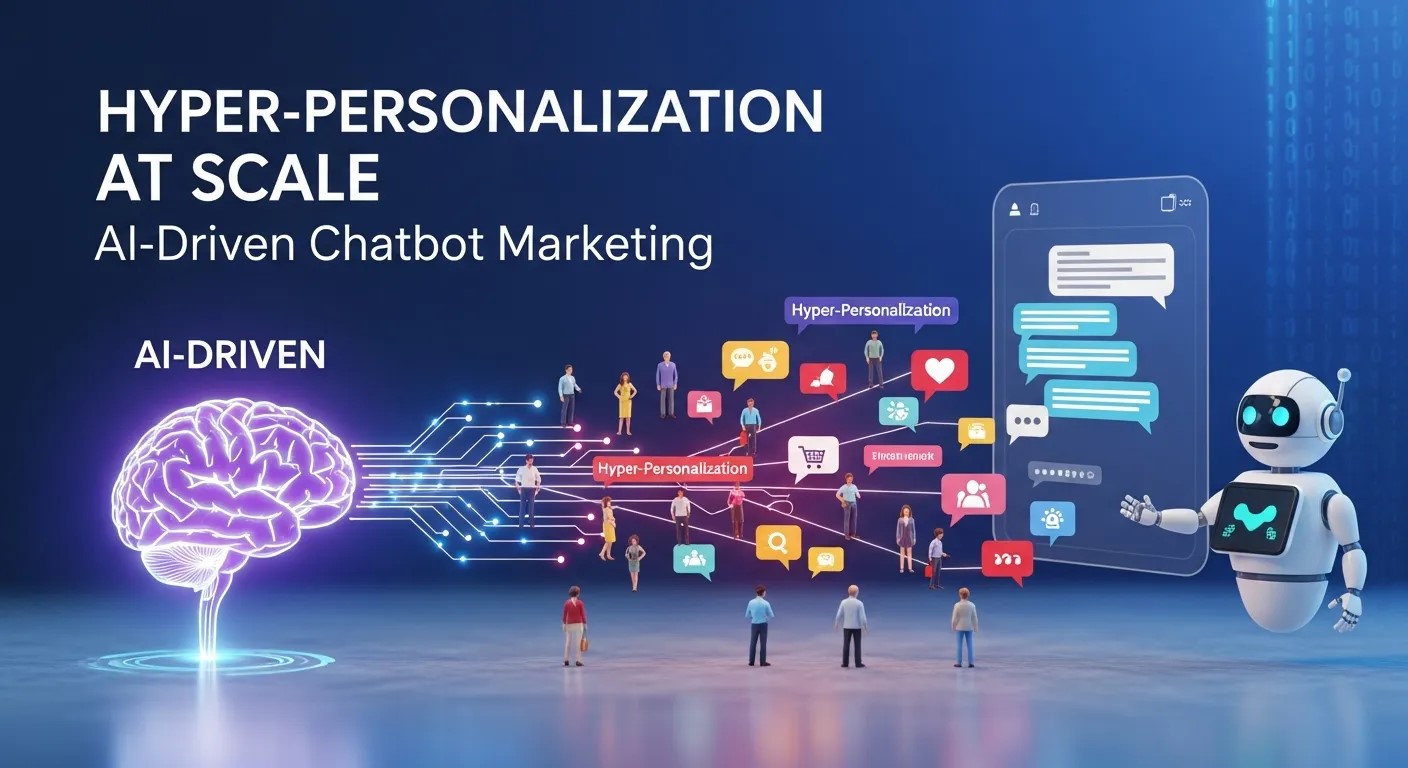
AI-driven chatbots are transforming marketing, enabling real-time, hyper-personalized interactions using AI techniques like NLP, machine learning, and generative AI
AI-Driven Chatbots Transform Customer Engagement
The rapid advancement of artificial intelligence (AI) is redefining the way brands engage with customers. Marketers are expected to leverage AI-driven chatbots not just for automating customer support but for delivering hyper-personalized experiences across the entire customer journey. This blog post explores strategies, best practices, and future trends for implementing AI-powered chatbots in your marketing mix to achieve unprecedented levels of engagement, loyalty, and revenue growth.
The Rise of AI-Driven Chatbots in Marketing
Over the past few years, chatbots have evolved from simple rule-based scripts to sophisticated conversational agents powered by large language models (LLMs). Modern chatbots can understand context, sentiment, and user intent to deliver relevant, personalized interactions at scale. Brands that adopt AI-driven chatbots can respond instantly to customer inquiries, recommend products in real time, and gather valuable data to refine their marketing strategies.
Defining Hyper-Personalization
Hyper-personalization goes beyond addressing a customer by name or segmenting by basic demographics. It leverages individual behavior, preferences, past interactions, location, and even real-time context to tailor messages, product recommendations, and offers. AI-driven chatbots can analyze hundreds of data points within milliseconds to craft unique experiences for each user, boosting conversion rates and fostering brand affinity.
Leveraging Data for Dynamic Interactions
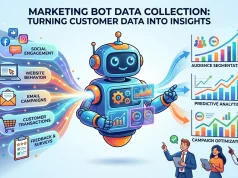
At the heart of hyper-personalization lies data. Three key data sources power intelligent AI-Driven Chatbot Marketing:
- First-party data: Information collected directly from customers via forms, purchase history, chat logs, and CRM systems.
- Contextual data: Real-time signals such as device type, location, browsing behavior, and time of day.
- Third-party data: Demographic and psychographic data from external providers to enrich customer profiles.
Combining these data sources enables chatbots to anticipate needs, deliver timely offers, and even upsell complementary products during a single conversation.
Integrating Chatbots into the Omnichannel Ecosystem
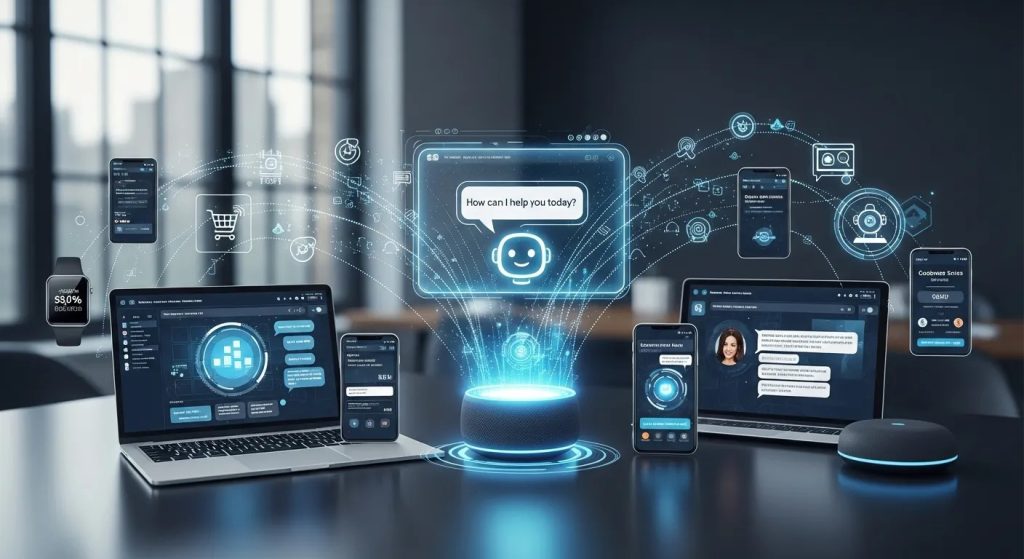
For a seamless customer experience, chatbots should be woven into every channel where your audience interacts. This includes:
- Website widgets
- Mobile apps
- Social media platforms (Facebook Messenger, WhatsApp, Instagram DM)
- Email marketing
- In-store kiosks or point-of-sale systems
Centralizing analytics and user profiles across these touchpoints ensures that chatbots maintain context and continuity, reducing friction and improving conversions.
Crafting Personalized Content in Real Time
Dynamic content generation is a game-changer for AI-Driven chatbot marketing. By utilizing AI copywriting tools, chatbots can tailor messages to reflect a customer’s purchase history, product affinities, and even sentiment. For example, a returning visitor interested in hiking gear might receive an exclusive recommendation for the latest trail running shoes, along with a limited-time discount code directly within the chat window.
Advanced Personalization with Behavioral Segmentation
Behavioral segmentation allows chatbots to group users based on actions rather than just demographics. For instance, users who browse certain product categories, engage with specific types of content, or frequently abandon carts can receive tailored recommendations. By monitoring real-time behavior, AI chatbots can adjust conversations dynamically, offering incentives, reminders, or educational content based on the user’s current intent. This approach not only increases conversion rates but also builds long-term engagement by showing users that the brand understands their unique needs.
Conversational Commerce and Upselling
AI chatbots are increasingly becoming key drivers of conversational commerce, guiding users from discovery to purchase in real time. By analyzing purchase history, preferences, and browsing behavior, chatbots can suggest complementary products or upgrades during a chat. For example, a customer purchasing a smartphone might receive recommendations for compatible accessories or insurance plans within the conversation. This seamless upselling enhances average order value and creates a frictionless buying experience that feels personal and natural.
Emotional Intelligence in Chatbot Interactions
Modern AI chatbots can detect sentiment and emotional cues from users’ messages, enabling emotionally intelligent interactions. For instance, a chatbot can identify frustration or confusion and respond with empathy, offering additional support or escalating to a human agent when necessary. Emotionally aware chatbots strengthen trust, reduce negative experiences, and increase the likelihood of repeat engagement. Brands that adopt this approach can create meaningful connections, turning routine interactions into memorable customer experiences.
Cross-Device and Contextual Continuity
Customers today interact with brands across multiple devices and platforms. AI chatbots can maintain context as users switch between mobile, desktop, and in-store touchpoints. By synchronizing data and conversation history, chatbots can continue interactions seamlessly, preventing repetitive questions and improving user satisfaction. For example, a customer starting a product inquiry on a mobile app can pick up the conversation later on a website or at a physical store kiosk without losing continuity. This omnichannel context retention enhances loyalty and conversion opportunities.
AI-Powered Predictive Recommendations
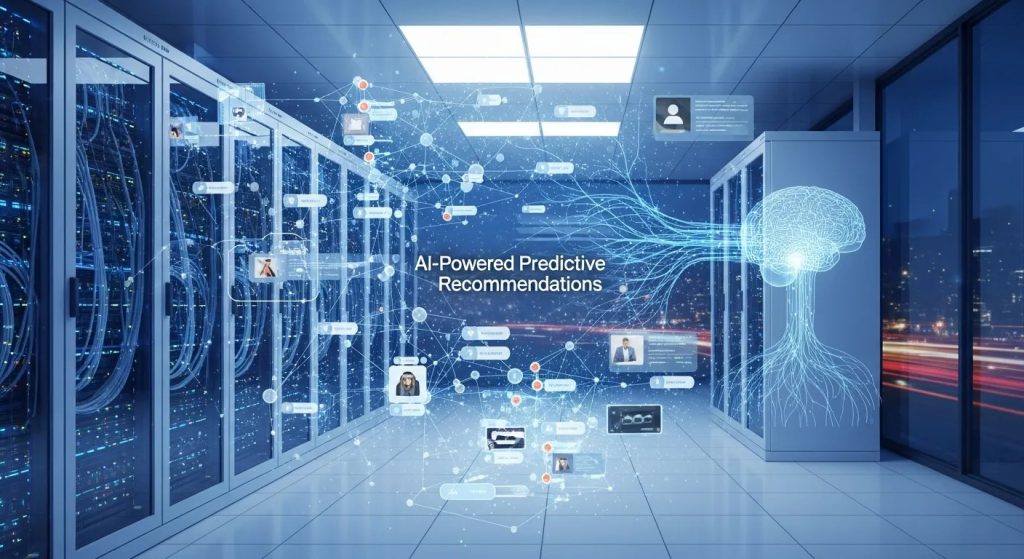
Using machine learning and predictive analytics, chatbots can anticipate user needs before they are explicitly expressed. By analyzing historical purchase patterns, engagement metrics, and broader behavioral trends, chatbots can proactively suggest products, services, or content that a user is most likely to appreciate. This anticipatory approach transforms chatbots from reactive service tools into proactive marketing agents, enabling personalized suggestions that feel timely and relevant, boosting conversion and retention rates.
Gamified Chatbot Experiences
Gamification can significantly increase user engagement with chatbots. By incorporating elements like quizzes, challenges, points, badges, and leaderboards into chatbot interactions, brands can make conversations interactive and enjoyable. Users might earn rewards for completing surveys, sharing products, or referring friends via chat. Gamified experiences not only motivate users to interact more frequently but also encourage social sharing, expanding reach organically. When combined with hyper-personalized offers, gamification transforms routine chatbot interactions into engaging, loyalty-building experiences.
Voice-Activated Chatbots and Multimodal Interaction
Voice-enabled AI chatbots are becoming an essential part of the marketing ecosystem, allowing users to interact using natural speech instead of typing. These chatbots can interpret spoken commands, recognize context, and respond with human-like voice output. When combined with text, images, or video (multimodal interaction), users can receive richer experiences—such as seeing product previews while receiving spoken recommendations. Voice interactions increase accessibility, convenience, and engagement, especially for mobile-first or on-the-go customers.
AI Chatbots for Customer Retention and Loyalty
Beyond acquisition, AI chatbots play a critical role in nurturing existing customers. By monitoring user activity and engagement patterns, chatbots can trigger personalized loyalty campaigns, such as reward reminders, anniversary offers, or tailored content. They can identify at-risk users showing signs of churn and proactively provide incentives or support to retain them. This continuous, personalized engagement strengthens customer relationships, increases lifetime value (LTV), and ensures long-term loyalty while reducing churn.
Automated Feedback Collection and Insights
AI chatbots can streamline feedback collection by engaging users in natural conversations rather than traditional surveys. They can ask for ratings, reviews, or suggestions contextually after purchases or interactions. Importantly, chatbots can analyze sentiment, categorize responses, and provide actionable insights in real time. Brands gain valuable intelligence about customer satisfaction, product preferences, and pain points without disrupting the user experience. This data-driven approach helps refine marketing strategies, product development, and overall service quality.
AI Techniques Powering Deep Personalization
Several AI methodologies enable advanced chatbot personalization:
- Natural Language Processing (NLP): Understanding user intent, sentiment, and context to deliver accurate responses.
- Machine Learning (ML): Continuously optimizing conversation flows based on user behavior and feedback.
- Reinforcement Learning: Rewarding chatbot actions that lead to conversions or successful engagements.
- Generative AI: Creating bespoke marketing copy, product descriptions, and promotional offers on the fly.
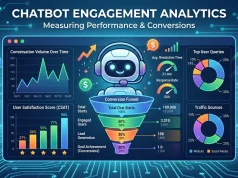
Measuring Success: Key Metrics & ROI
To justify investment in AI-driven chatbots, track metrics that tie directly to business outcomes:
- Engagement Rate: Percentage of users who initiate or respond to chatbot interactions.
- Conversion Rate: Proportion of conversations that result in a sale, lead, or desired action.
- Average Order Value (AOV): Impact of chatbot recommendations on basket size.
- Customer Satisfaction (CSAT): Ratings and feedback collected within the chat experience.
- Retention & LTV: Long-term value of customers acquired or nurtured via chatbots.
Correlating these metrics with cost savings from automation and reduced support tickets will reveal the true ROI of your AI-Driven chatbot marketing initiatives.
Overcoming Technical and Ethical Challenges

Implementing AI-driven chatbots at scale comes with hurdles:
- Data privacy and compliance under regulations like GDPR and CCPA.
- Maintaining data quality and avoiding biased outputs from machine learning models.
- Ensuring chatbot security to prevent unauthorized access or data leaks.
Ethical considerations are equally important. Always obtain explicit consent before collecting personal data, be transparent about bot usage, and provide an option to escalate to a human agent when needed.
Best Practices for Hyper-Personalized Chatbot Campaigns
Adopt these best practices to maximize your AI-Driven chatbot marketing results:
- Segment Wisely: Use micro-segmentation to tailor content at the individual level.
- Test & Iterate: A/B test conversation scripts, offers, and triggers to refine performance.
- Balance Automation & Human Touch: Provide seamless handoffs to live agents for complex queries.
- Maintain Personality: Align chatbot tone with your brand voice for a cohesive experience.
- Leverage Predictive Analytics: Anticipate customer needs using lookalike modeling and trend analysis.
The Future of AI-Driven Chatbot Marketing
As AI technology continues to evolve, expect chatbots to become even more humanlike and predictive. Voice-based assistants will integrate seamlessly with chat interfaces, visual recognition will allow bots to interpret images and videos, and blockchain could secure data transactions within conversations. The next frontier lies in anticipatory marketing chatbots will proactively offer solutions before customers even articulate their needs.
Maximizing Engagement with AI-Driven Chatbot Marketing and Emerging Tech
The Rise of AI-Driven Chatbot Marketing
In today’s digital era, AI-Driven Chatbot Marketing has become a cornerstone for brands looking to deliver hyper-personalized experiences at scale. By adopting AI-Driven Chatbot Marketing, companies can engage users with relevant, real-time recommendations across websites, apps, social media, and in-store touchpoints. Modern chatbots leverage AI, NLP, machine learning, and generative models to interpret user intent and deliver experiences that feel genuinely personal. Businesses investing in AI-Driven Chatbot Marketing gain the ability to increase conversions, boost loyalty, and enhance customer satisfaction simultaneously.
Data-Driven Personalization
A fundamental strength of AI-Driven Chatbot Marketing is its reliance on data. First-party data collected from CRM systems, purchase histories, and chat logs helps chatbots understand individual preferences. Contextual data such as device type, browsing behavior, and time of day allows AI-Driven Chatbot Marketing to deliver timely, relevant messages. Third-party demographic or psychographic data further enriches user profiles, enabling AI-driven campaigns to anticipate needs and provide personalized recommendations. Through these integrations, AI-Driven Chatbot Marketing transcends simple segmentation, creating one-to-one interactions that feel uniquely tailored to each customer.
Immersive Technology with AR
The combination of AI-Driven Chatbot Marketing with emerging technologies like augmented reality elevates the customer experience. By using AI-Driven Chatbot Marketing, chatbots can interpret visual input to deliver highly contextualized recommendations. For example, a user exploring home décor in an AR app can receive product suggestions directly through the chatbot based on what the camera sees in their room. This integration of AR with AI-Driven Chatbot Marketing ensures that engagement becomes immersive, interactive, and remarkably personalized, bridging the gap between physical and digital experiences.
Edge Computing for Real-Time Interactions
Similarly, Edge Computing in AR enhances the capabilities of AI-Driven Chatbot Marketing by processing data closer to the user’s device. This reduces latency and enables instant responses, allowing chatbots to provide contextually relevant suggestions in real time. With edge computing, AI-Driven Chatbot Marketing can deliver high-quality interactions without compromising privacy, as sensitive data can remain on-device. This combination of AI and edge infrastructure ensures users experience smooth, responsive, and predictive conversations that feel natural and effortless.
Predictive Personalization
Predictive personalization is another powerful feature of AI-Driven Chatbot Marketing. Using machine learning and historical engagement patterns, chatbots can forecast what products, content, or services users might need even before they express it. Through reinforcement learning and generative AI, AI-Driven Chatbot Marketing can dynamically craft messages, upsell complementary products, and deliver exclusive offers at the right moment. This proactive approach transforms chatbots into sophisticated marketing agents capable of driving conversions and nurturing long-term customer relationships.
Gamification to Boost Engagement
Gamification strategies further enhance AI-Driven Chatbot Marketing campaigns. Interactive quizzes, challenges, reward points, and badges encourage users to engage more deeply. When combined with personalized recommendations, AI-Driven Chatbot Marketing creates an ecosystem where users feel recognized and valued, motivating repeated interactions and social sharing. Gamified experiences powered by AI elevate standard chatbot interactions into engaging, loyalty-building opportunities.
Omnichannel and Multimodal Integration
Finally, integrating AI-Driven Chatbot Marketing across devices, multimedia channels, and emerging technologies ensures seamless customer journeys. Voice interactions, video, images, and AR-supported content allow chatbots to communicate in rich, multimodal ways. With AI-Driven Chatbot Marketing, brands can maintain contextual continuity as users move between mobile, desktop, and in-store touchpoints, ensuring that interactions are consistent, personalized, and meaningful. Companies embracing this approach position themselves as innovators, providing customer experiences that are not only personalized but also predictive, immersive, and highly engaging.
Hyper-Personalized Engagement with AI-Driven Chatbot Marketing
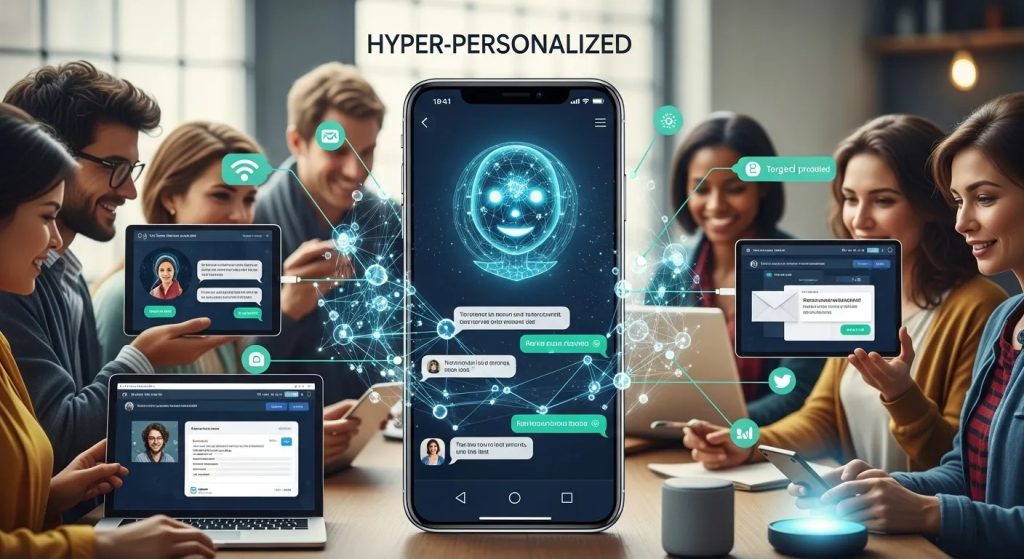
AI-Driven Chatbot Marketing has emerged as a game-changer for brands aiming to deliver hyper-personalized experiences at scale. Unlike traditional automation, modern AI chatbots can understand intent, sentiment, and context to provide tailored recommendations in real time. Companies leveraging AI-Driven Chatbot Marketing can interact with customers across websites, mobile apps, social media, email campaigns, and in-store kiosks, ensuring consistent and relevant engagement. By incorporating AI-Driven Chatbot Marketing, brands increase conversions, loyalty, and overall customer satisfaction while reducing operational friction.
Data-Driven Personalization
A key strength of AI-Driven Chatbot Marketing is its ability to integrate multiple data sources. First-party data from CRM systems, purchase histories, and chat logs allows chatbots to understand individual preferences. Contextual data—such as device type, browsing behavior, and time of interaction—enables AI-Driven Chatbot Marketing to deliver timely, relevant messages. Third-party demographic and psychographic information further enriches profiles, allowing chatbots to anticipate needs and provide hyper-personalized recommendations. Through this integration, AI-Driven Chatbot Marketing moves beyond basic segmentation, creating a unique one-to-one experience for every customer.
Immersive Technology Integration
Modern AI-Driven Chatbot Marketing extends beyond text-based interactions. By utilizing Computer Vision in AR, chatbots can interpret visual inputs from a user’s environment to deliver highly contextual recommendations. For instance, a customer exploring home décor in an AR app could receive AI-powered suggestions directly through the chatbot, personalized based on the visual layout of their space. Likewise, Mastering AI-Driven Chatbot Marketing enhances AI-Driven Chatbot Marketing by processing data closer to the device, reducing latency, and enabling instant, context-aware responses. This combination ensures that customer experiences are fast, immersive, and highly engaging.
Predictive Personalization
Another advantage of AI-Driven Chatbot Marketing is predictive personalization. Machine learning models analyze historical behaviors, engagement trends, and purchase patterns to forecast user needs. Reinforcement learning optimizes conversation flows dynamically, while generative AI allows AI-Driven Chatbot Marketing to craft personalized messages, promotions, and product recommendations in real time. By anticipating customer needs before they are explicitly expressed, chatbots become proactive marketing agents that drive higher conversions and foster long-term engagement.
Gamification and Engagement
Gamification significantly enhances AI-Driven Chatbot Marketing effectiveness. By embedding quizzes, challenges, reward points, and badges into interactions, chatbots motivate users to engage more deeply. When combined with hyper-personalized messaging, AI-Driven Chatbot Marketing creates an ecosystem where users feel recognized and rewarded. These gamified experiences not only increase engagement but also strengthen brand loyalty, encouraging repeat visits and organic sharing.
Omnichannel and Contextual Continuity
Integrating AI-Driven Chatbot Marketing across multiple channels ensures seamless customer experiences. Voice-enabled interactions, multimedia content, and synchronized data across mobile, desktop, and in-store touchpoints allow chatbots to maintain context, providing continuity as users switch platforms. This omnichannel approach ensures every interaction is meaningful, predictive, and personalized, making AI-Driven Chatbot Marketing a critical tool for brands seeking to create cohesive, frictionless experiences.
Future-Ready Marketing
Investing in AI-Driven Chatbot Marketing prepares brands for the future of customer engagement. By combining advanced technologies like Computer Vision in AR and Edge Computing in AR with predictive analytics, gamification, and omnichannel integration, brands can offer experiences that are interactive, anticipatory, and highly personalized. This approach not only improves immediate engagement but also nurtures long-term loyalty, revenue growth, and brand trust.
Conclusion
Hyper-personalization powered by AI-driven chatbots is no longer a futuristic concept—it is a strategic imperative. Brands that invest in data infrastructure, AI models, and omnichannel integration will unlock unprecedented levels of engagement, loyalty, and revenue growth. By following the strategies and best practices outlined in this post, you can position your business at the forefront of AI-Driven chatbot marketing innovation.
Frequently Asked Questions (FAQ)
What is an AI-driven chatbot?
An AI-driven chatbot is a software application that uses artificial intelligence, natural language processing, and machine learning to simulate human-like conversations with users. Unlike rule-based bots, AI chatbots can understand context, sentiment, and intent, enabling personalized interactions at scale.
How do AI chatbots improve marketing efforts?
AI chatbots enhance marketing by providing instant responses, personalizing content, recommending products, and guiding customers through their journey. They help increase engagement, boost conversions, reduce support costs, and collect valuable data for refining campaigns.
What is hyper-personalization in AI-Driven chatbot marketing?
Hyper-personalization involves tailoring messages, offers, and recommendations to individual users based on their behavior, preferences, past interactions, and real-time context. It goes beyond simple segmentation, enabling chatbots to deliver highly relevant experiences that drive engagement and loyalty.
Which data sources are used for Chatbot personalization?
Chatbots leverage three main data sources: first-party data (purchase history, forms, CRM), contextual data (location, device, browsing behavior), and third-party data (demographics, psychographics). Combining these allows chatbots to anticipate needs and deliver timely, targeted recommendations.
How can chatbots be integrated into marketing channels?
AI chatbots can be embedded across websites, mobile apps, social media platforms (Facebook Messenger, WhatsApp, Instagram DM), email campaigns, and in-store kiosks. Centralized analytics ensures continuity of conversations and a consistent user experience across all touchpoints.
What AI techniques enable deep personalization in chatbots?
Key AI techniques include natural language processing (NLP) for understanding intent and sentiment, machine learning (ML) for optimizing conversations, reinforcement learning for rewarding successful interactions, and generative AI for creating customized marketing content in real time.
How do I measure the success of AI-Driven Chatbot marketing campaigns?
Success can be measured using metrics such as engagement rate, conversion rate, average order value (AOV), customer satisfaction (CSAT), retention, and lifetime value (LTV). Correlating these with cost savings from automation and reduced support tickets helps determine ROI.


[…] responses that are more relevant to the context of the conversation. This development has made hyper-personalization at scale more achievable for businesses using AI-driven customer […]