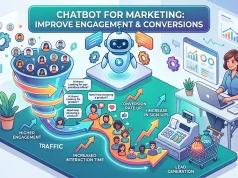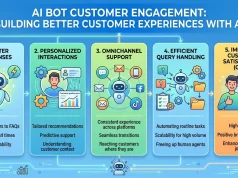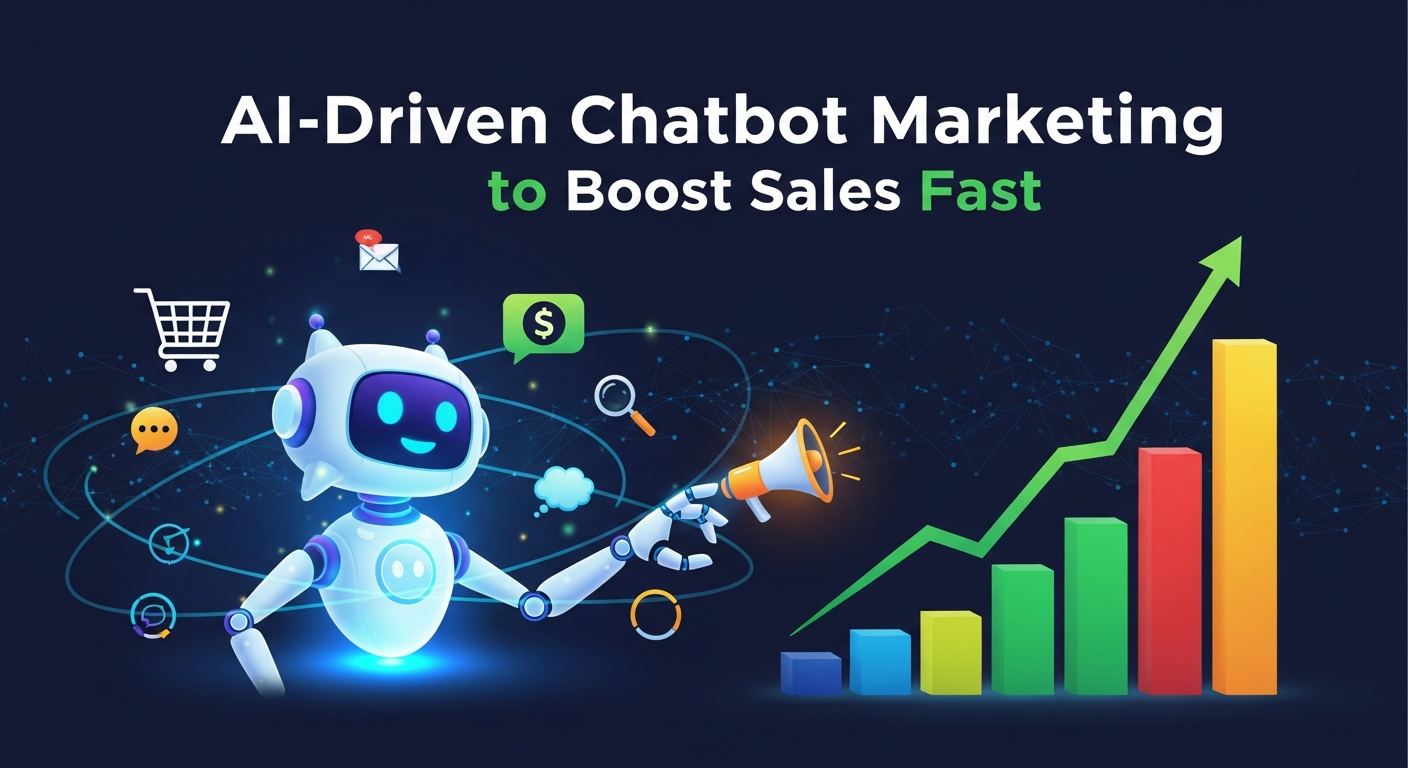
AI-Driven Chatbot Marketing enables businesses to engage customers instantly, provide personalized experiences, and boost sales. By combining automation, emotion recognition, and predictive analytics, chatbots streamline interactions, improve conversions, and enhance overall customer satisfaction.
The Rise of Intelligent Chatbots in Modern Marketing
In the modern business landscape, AI-Driven Chatbot Marketing has become a game-changer for companies seeking to enhance customer engagement and drive sales. With the rise of digital communication and the expectation of instant responses, businesses are now leveraging AI-powered chatbots to provide personalized, real-time interactions. These intelligent systems not only respond to customer queries but also guide users through the buying journey, ultimately boosting conversions.
Understanding AI-Driven Chatbot Marketing
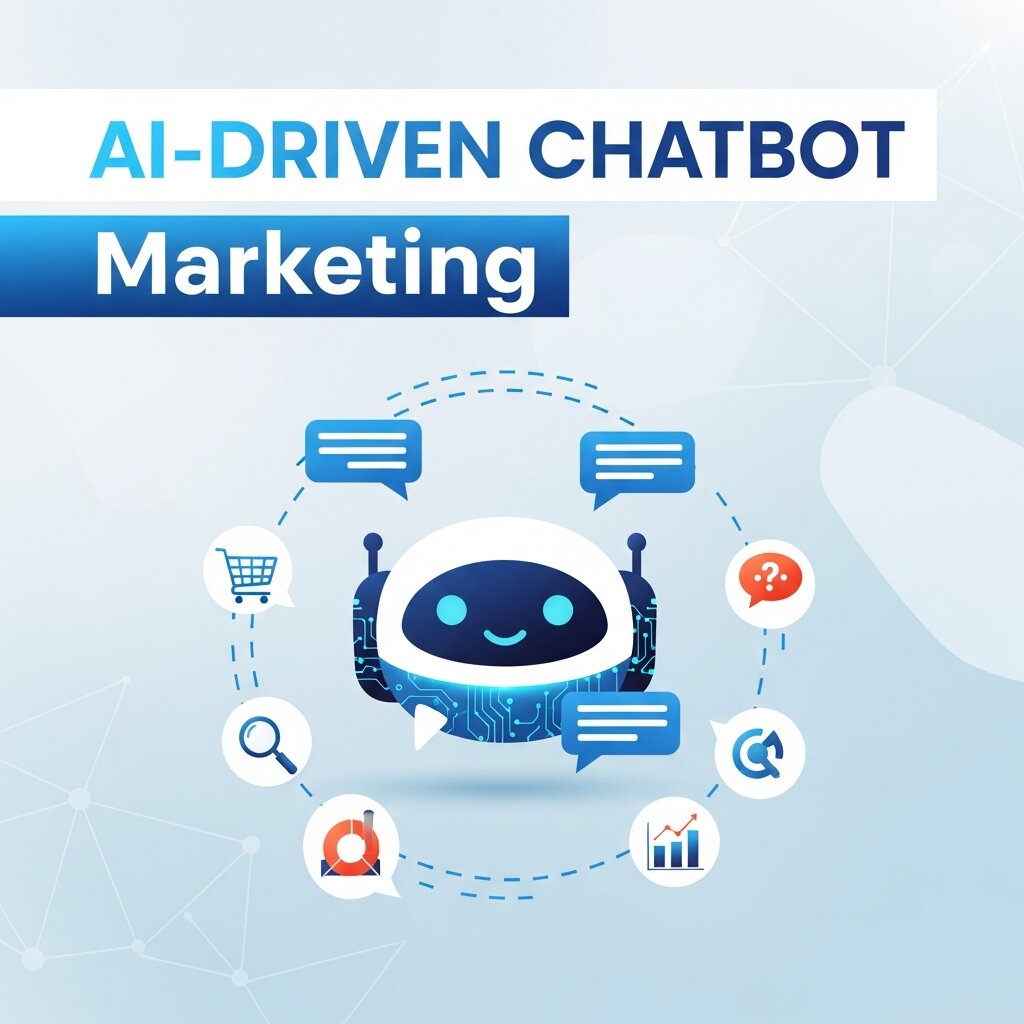
AI-Driven Chatbot Marketing involves the use of artificial intelligence to create conversational agents capable of interacting with customers on websites, social media platforms, and messaging apps. Unlike traditional chatbots, which rely on scripted responses, AI-powered chatbots can understand natural language, learn from interactions, and adapt over time to improve the quality of communication.
The primary goal of AI-Driven Chatbot Marketing is to enhance customer experience while automating repetitive tasks. This allows businesses to scale their marketing efforts, reduce response times, and deliver personalized recommendations. By analyzing user behavior and preferences, these chatbots can suggest relevant products, upsell, cross-sell, and even recover abandoned carts, all without human intervention.
Key Components of AI-Driven Chatbots
To fully harness the power of AI-Driven Chatbot Marketing, it’s essential to understand its core components:
Natural Language Processing (NLP)
NLP enables chatbots to comprehend and respond to human language. By analyzing syntax, context, and sentiment, NLP allows chatbots to provide more accurate and meaningful responses.
Machine Learning Algorithms
Machine learning enables chatbots to learn from interactions and improve over time. By analyzing past conversations, user behavior, and feedback, AI chatbots can refine their responses and offer increasingly personalized experiences. This is where AI vs Machine Learning becomes a critical consideration: AI is the broader concept of intelligent systems, while machine learning is a subset that allows these systems to learn and adapt.
Integration with Business Systems
AI chatbots are most effective when integrated with CRM systems, e-commerce platforms, and analytics tools. This integration allows them to access customer data, track purchase history, and make informed recommendations, thereby enhancing the effectiveness of marketing campaigns.
Emotion Recognition
Emotion AI Chatbot Marketing takes personalization to the next level by detecting user emotions through text analysis, voice tone, or facial recognition in certain interfaces. By understanding customer sentiment, chatbots can adjust their responses, offer empathetic support, or escalate sensitive issues to human agents when necessary.
Benefits of AI-Driven Chatbot Marketing
Implementing AI-Driven Chatbot Marketing offers multiple advantages:
Enhanced Customer Engagement
Chatbots provide instant responses, making customers feel heard and valued. They can engage users with tailored content, personalized offers, and interactive product recommendations. This level of engagement builds trust and encourages repeat business.
Increased Sales and Conversions
By guiding customers through the sales funnel, chatbots can influence purchasing decisions. They can recommend complementary products, offer discounts, and even initiate follow-ups on abandoned carts, thereby increasing overall sales.
Cost Efficiency
Automating repetitive customer interactions reduces the need for large support teams. Businesses can redirect human resources to more strategic initiatives while chatbots handle routine queries efficiently.
24/7 Availability
Unlike human agents, AI-driven chatbots operate around the clock, providing consistent support and maintaining customer satisfaction even outside business hours.
Data Collection and Insights
Chatbots collect valuable data on customer preferences, behaviors, and feedback. This information helps refine marketing strategies, identify trends, and improve product offerings.
Effective Chatbot Marketing Strategies
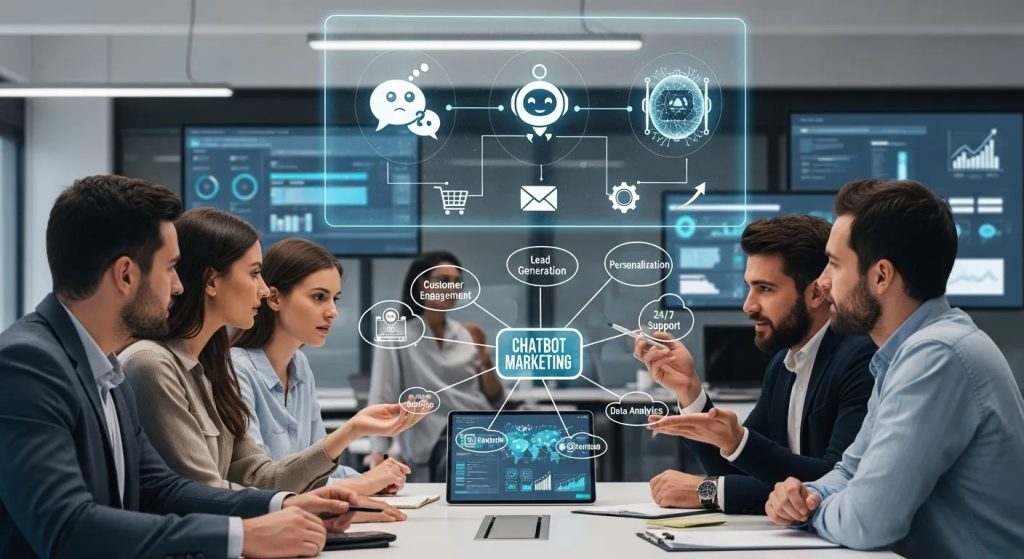
To fully capitalize on AI-Driven Chatbot Marketing, businesses need to adopt well-planned strategies.
Personalization at Scale
Personalization is key to modern marketing. Chatbots can leverage Chatbot Personalization Strategies to tailor conversations based on user history, preferences, and browsing behavior. Personalized recommendations and targeted promotions increase engagement and drive conversions.
Segmenting Audiences
Segmenting users based on demographics, purchase behavior, or engagement patterns allows chatbots to deliver more relevant messages. For example, a returning customer might receive product recommendations based on previous purchases, while a new visitor may get an introductory offer.
Incorporating Emotion AI
Using Emotion AI Chatbot Marketing, chatbots can detect user sentiment and adjust communication accordingly. For instance, if a user expresses frustration, the chatbot can respond empathetically or route the conversation to a human agent. This approach builds rapport and trust, enhancing the overall customer experience.
Optimizing Response Flows
Well-designed chat flows ensure smooth interactions. Chatbots should anticipate user needs, offer clear navigation options, and minimize friction. Testing and refining these flows regularly improves engagement and reduces drop-offs.
Integrating with Marketing Channels
AI chatbots should be integrated across multiple channels, including websites, social media, and messaging apps. This multi-channel approach ensures consistent brand communication and meets customers wherever they are.
Leveraging Analytics
Tracking key performance indicators (KPIs) like engagement rate, conversion rate, and average response time helps evaluate the effectiveness of chatbot marketing strategies. Insights from analytics inform adjustments and optimizations for continuous improvement.
AI-Driven Chatbot Marketing in E-commerce
E-commerce businesses are among the biggest beneficiaries of AI-Driven Chatbot Marketing. Chatbots can streamline the buying process, reduce cart abandonment, and provide instant support.
| Feature | Benefit |
|---|---|
| Product Recommendations | Suggest items based on browsing history and preferences |
| Abandoned Cart Recovery | Send automated reminders and personalized offers |
| Customer Support | Provide instant solutions to common queries |
| Upselling & Cross-selling | Offer complementary or premium products during interactions |
| Feedback Collection | Gather insights to refine product offerings and customer experience |
By combining these capabilities with intelligent automation, e-commerce brands can create a seamless and satisfying shopping experience.
AI vs Machine Learning in Chatbot Marketing
Understanding the distinction between AI and machine learning is critical for marketers implementing chatbot solutions.
- Artificial Intelligence (AI) refers to the broader capability of machines to simulate human intelligence. AI encompasses reasoning, learning, problem-solving, and natural language understanding.
- Machine Learning (ML) is a subset of AI that enables systems to learn from data, recognize patterns, and improve over time without explicit programming.
In the context of chatbot marketing, machine learning allows chatbots to refine responses, predict user needs, and personalize interactions based on historical data. The combination of AI and ML ensures that chatbots are not just reactive tools but proactive sales and engagement drivers.
Chatbot Personalization Strategies for Maximum Impact
Effective Chatbot Personalization Strategies go beyond inserting a user’s name in messages. True personalization involves understanding user intent, preferences, and behavior patterns.
Behavioral Personalization
By analyzing browsing patterns, past purchases, and interaction history, chatbots can recommend products or content that align with user interests.
Contextual Personalization
Contextual data such as location, time, and device type can help tailor messages for relevance. For instance, a mobile user browsing in the evening might receive different offers than a desktop user shopping during the day.
Predictive Personalization
Using AI, chatbots can predict user needs based on historical data. For example, a chatbot might suggest a seasonal product before the customer even searches for it, increasing the likelihood of conversion.
Dynamic Content Delivery
Chatbots can deliver personalized content such as product videos, tutorials, and promotions, creating a richer and more engaging experience.
Leveraging Emotion AI Chatbot Marketing
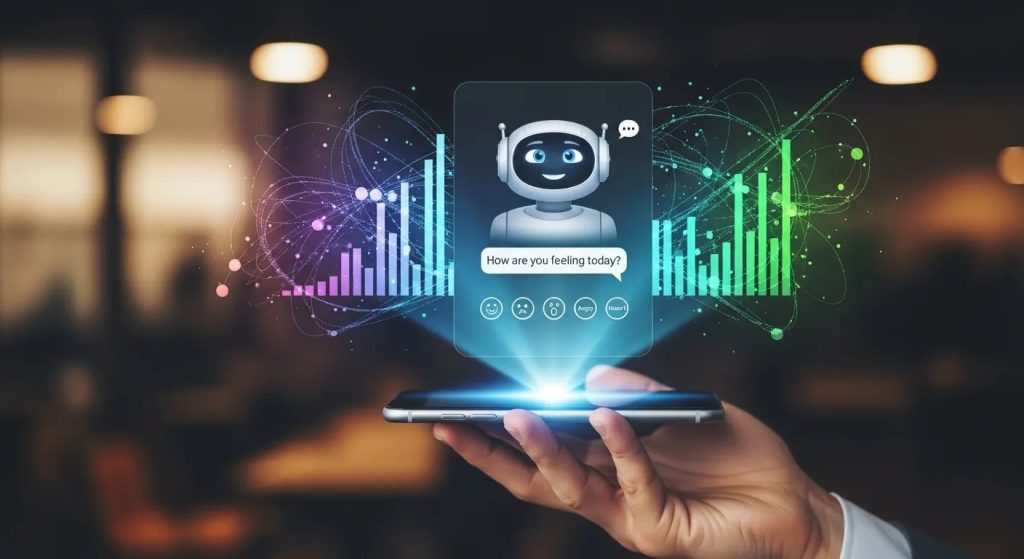
Emotion AI Chatbot Marketing takes engagement to a deeper level by understanding the emotional state of users. Detecting sentiment allows chatbots to adapt tone, suggest appropriate solutions, and foster meaningful connections with customers.
Some practical applications include:
- Identifying frustrated users and routing them to human agents
- Offering personalized recommendations based on excitement or enthusiasm
- Adjusting promotional messaging based on mood, increasing receptivity
Emotion AI transforms chatbots from transactional tools into relationship-building assets, enhancing loyalty and long-term customer value.
Advanced Chatbot Marketing Tactics
For businesses seeking to maximize the impact of AI-Driven Chatbot Marketing, advanced tactics can create a competitive edge:
Multi-Layered Automation
Combining automated workflows with AI intelligence enables chatbots to handle complex tasks, such as booking appointments, managing subscriptions, and processing payments seamlessly.
Conversational Commerce
Chatbots can facilitate transactions directly within messaging platforms. By integrating payment gateways, users can browse, select, and purchase products without leaving the chat interface, reducing friction and improving conversion rates.
Personalized Drip Campaigns
Chatbots can initiate automated drip campaigns, sending timely messages based on user interactions. These campaigns nurture leads, educate customers, and gradually guide them toward purchase decisions.
Integration with CRM and Marketing Tools
Connecting chatbots with CRM systems and marketing automation tools ensures that all user interactions are tracked and leveraged for targeted campaigns. This integration allows for more intelligent segmentation, follow-ups, and retention strategies.
Real-Time Analytics and Optimization
Advanced analytics allow marketers to track user behavior, identify bottlenecks, and optimize chatbot flows continuously. By monitoring engagement rates, conversion metrics, and sentiment analysis, businesses can ensure that their AI-Driven Chatbot Marketing strategies remain effective and relevant.
Measuring the ROI of AI-Driven Chatbot Marketing
To justify investments in AI-Driven Chatbot Marketing, businesses must track tangible metrics:
- Engagement Rate: Percentage of users interacting with the chatbot
- Conversion Rate: Percentage of interactions leading to a purchase
- Customer Satisfaction: Measured through surveys, sentiment analysis, or NPS scores
- Response Time: Average time taken to resolve queries
- Cost Savings: Reduction in customer support expenses due to automation
A well-implemented AI chatbot can lead to significant ROI by increasing sales, improving customer retention, and reducing operational costs.
AI-Driven Chatbot Marketing for Lead Generation
AI-Driven Chatbot Marketing has transformed the way businesses capture and nurture leads. Traditional forms often rely on static forms or delayed follow-ups, but AI-powered chatbots provide instant engagement, asking relevant questions and qualifying leads in real time. By leveraging predictive analytics, these chatbots can identify high-intent users and guide them through personalized paths. AI-Driven Chatbot Marketing allows businesses to segment users based on interests, behavior, and engagement patterns, ensuring that follow-up campaigns are highly targeted. This level of automation reduces manual effort while increasing conversion rates. Furthermore, integrating AI-Driven Chatbot Marketing with CRM platforms ensures seamless tracking and management of leads, providing marketing and sales teams with actionable insights. Companies adopting AI-Driven Chatbot Marketing for lead generation have reported faster sales cycles, higher engagement, and better overall ROI, making it a critical component of modern digital marketing strategies.
AI-Driven Chatbot Marketing in Customer Retention
Maintaining long-term customer relationships is easier with AI-Driven Chatbot Marketing. By providing consistent, personalized interactions, chatbots help businesses retain customers and boost loyalty. AI-Driven Chatbot Marketing can automatically follow up with customers after purchases, offer product recommendations based on previous behavior, and provide tailored promotions. Emotion AI integration further enhances customer retention by detecting satisfaction or frustration and adjusting responses accordingly. Businesses leveraging AI-Driven Chatbot Marketing for retention also benefit from 24/7 availability, ensuring that customers receive instant support regardless of time zones. Over time, AI-Driven Chatbot Marketing gathers valuable data on customer preferences, enabling brands to refine offers and communication strategies. With its ability to nurture relationships, improve engagement, and reduce churn, AI-Driven Chatbot Marketing is an essential tool for building long-term customer loyalty in competitive markets.
AI-Driven Chatbot Marketing for E-commerce Personalization
E-commerce businesses thrive with AI-Driven Chatbot Marketing, as it enables highly personalized shopping experiences. Chatbots can analyze browsing patterns, purchase history, and user preferences to recommend products in real time. By implementing AI-Driven Chatbot Marketing, retailers can offer dynamic discounts, personalized upsells, and tailored bundles, increasing average order value. Emotion AI capabilities further refine personalization by detecting user mood, enhancing engagement, and fostering trust. AI-Driven Chatbot Marketing also assists in cart recovery campaigns, sending timely, customized prompts to reduce abandonment. Integrating AI-Driven Chatbot Marketing with CRM and marketing automation platforms ensures cohesive messaging across channels. With this approach, customers feel understood and valued, boosting satisfaction and repeat purchases. As e-commerce competition intensifies, AI-Driven Chatbot Marketing provides the edge needed to convert visitors into loyal, returning customers effectively.
AI-Driven Chatbot Marketing in Multi-Channel Campaigns
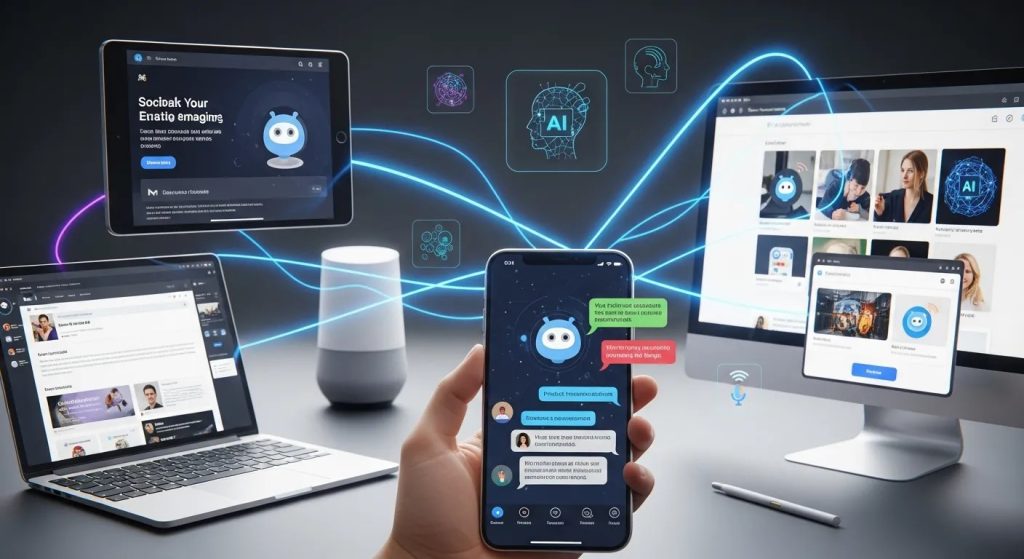
A key advantage of AI-Driven Chatbot Marketing is its ability to operate across multiple platforms. From websites to social media, messaging apps, and mobile platforms, AI-Driven Chatbot Marketing ensures consistent, personalized engagement regardless of the channel. Businesses can design cohesive campaigns where chatbots deliver real-time product suggestions, promotions, or customer support. Using AI-Driven Chatbot Marketing, brands can synchronize messaging, track interactions, and optimize engagement across all touchpoints.
Emerging technologies such as Edge Computing in AR enable chatbots to process data locally on devices, providing faster, more responsive experiences in augmented reality applications. Similarly, Computer Vision in AR allows chatbots integrated with AR tools to recognize objects, analyze user environments, and offer context-aware suggestions. By combining AI-Driven Chatbot Marketing with these innovations, businesses can deliver truly immersive and interactive experiences across digital and physical spaces.
AI-Driven Chatbot Marketing for Small Businesses
Small businesses benefit immensely from AI-Driven Chatbot Marketing as it levels the playing field against larger competitors. By automating customer interactions, AI-Driven Chatbot Marketing enables small teams to provide 24/7 support without expanding staff. Chatbots can handle FAQs, schedule appointments, and guide users through purchase decisions efficiently. Implementing AI-Driven Chatbot Marketing also allows small businesses to gather customer insights, track behavior, and deliver personalized recommendations, boosting sales and retention. Cost-effective yet powerful, AI-Driven Chatbot Marketing empowers small enterprises to compete on customer experience, offering personalization and instant engagement that rivals enterprise-level operations.
Future Trends in AI-Driven Chatbot Marketing
The future of AI-Driven Chatbot Marketing is poised for rapid evolution. Emerging technologies like advanced natural language processing, deeper emotion AI, and predictive analytics will make interactions even more personalized and human-like. AI-Driven Chatbot Marketing will increasingly integrate with voice assistants, AR/VR experiences, and IoT devices, offering seamless omnichannel engagement. Brands will rely on AI-Driven Chatbot Marketing to anticipate customer needs before they are explicitly stated, enhancing convenience and satisfaction. Furthermore, AI-Driven Chatbot Marketing will enable hyper-targeted campaigns based on real-time behavior and sentiment analysis. As competition grows, businesses leveraging cutting-edge AI-Driven Chatbot Marketing strategies will gain a significant advantage in customer engagement, loyalty, and sales performance.
Conclusion
AI-Driven Chatbot Marketing has fundamentally changed how businesses interact with their customers. By leveraging intelligent automation, personalized recommendations, and real-time engagement, companies can enhance user experiences, increase conversions, and improve operational efficiency. From lead generation and retention to e-commerce personalization and multi-channel campaigns, chatbots are proving to be versatile tools that support both marketing and sales objectives.
The integration of emotion recognition and predictive analytics ensures that customer interactions feel more human, while automation reduces repetitive tasks, freeing teams to focus on strategy and creativity. As technology continues to evolve, businesses that embrace these innovations including Edge Computing in AR and Computer Vision in AR will stay ahead of the competition, providing seamless, personalized, and responsive experiences to their audiences. AI-driven solutions for chat marketing are no longer optional; they are a vital component of modern, customer-centric business strategies.
Frequently Asked Questions
What is AI-Driven Chatbot Marketing?
AI-Driven Chatbot Marketing uses artificial intelligence to create conversational agents that interact with customers in real time. Unlike traditional chatbots, AI-powered chatbots can understand natural language, learn from interactions, and provide personalized recommendations. This technology helps businesses improve engagement, streamline support, and increase sales.
How does AI-Driven Chatbot Marketing improve customer engagement?
By offering instant responses, tailored recommendations, and empathetic interactions, AI-Driven Chatbot Marketing keeps customers engaged throughout their journey. Chatbots can handle FAQs, guide users through purchase decisions, and even detect user sentiment to adjust communication style for better engagement.
Can AI-Driven Chatbot Marketing help with sales?
Yes, AI-Driven Chatbot Marketing can boost sales by offering personalized product suggestions, recovering abandoned carts, and facilitating cross-selling or upselling opportunities. The automation ensures that customers receive timely and relevant messages, increasing the likelihood of conversion.
What is the difference between AI and machine learning in chatbots?
AI refers to the broader ability of machines to simulate human intelligence, while machine learning is a subset that allows chatbots to learn from data and improve over time. In marketing, machine learning helps chatbots refine responses, predict user needs, and personalize interactions.
How can small businesses benefit from AI-Driven Chatbot Marketing?
Small businesses can leverage AI-Driven Chatbot Marketing to provide 24/7 customer support, automate repetitive tasks, and deliver personalized experiences without expanding their team. It enables them to compete with larger companies by enhancing engagement and improving sales efficiency.
What role does Emotion AI play in chatbot marketing?
Emotion AI Chatbot Marketing detects customer sentiment through text, voice, or facial cues. By understanding emotions, chatbots can respond empathetically, offer appropriate solutions, and create a more human-like interaction, which strengthens relationships and customer loyalty.