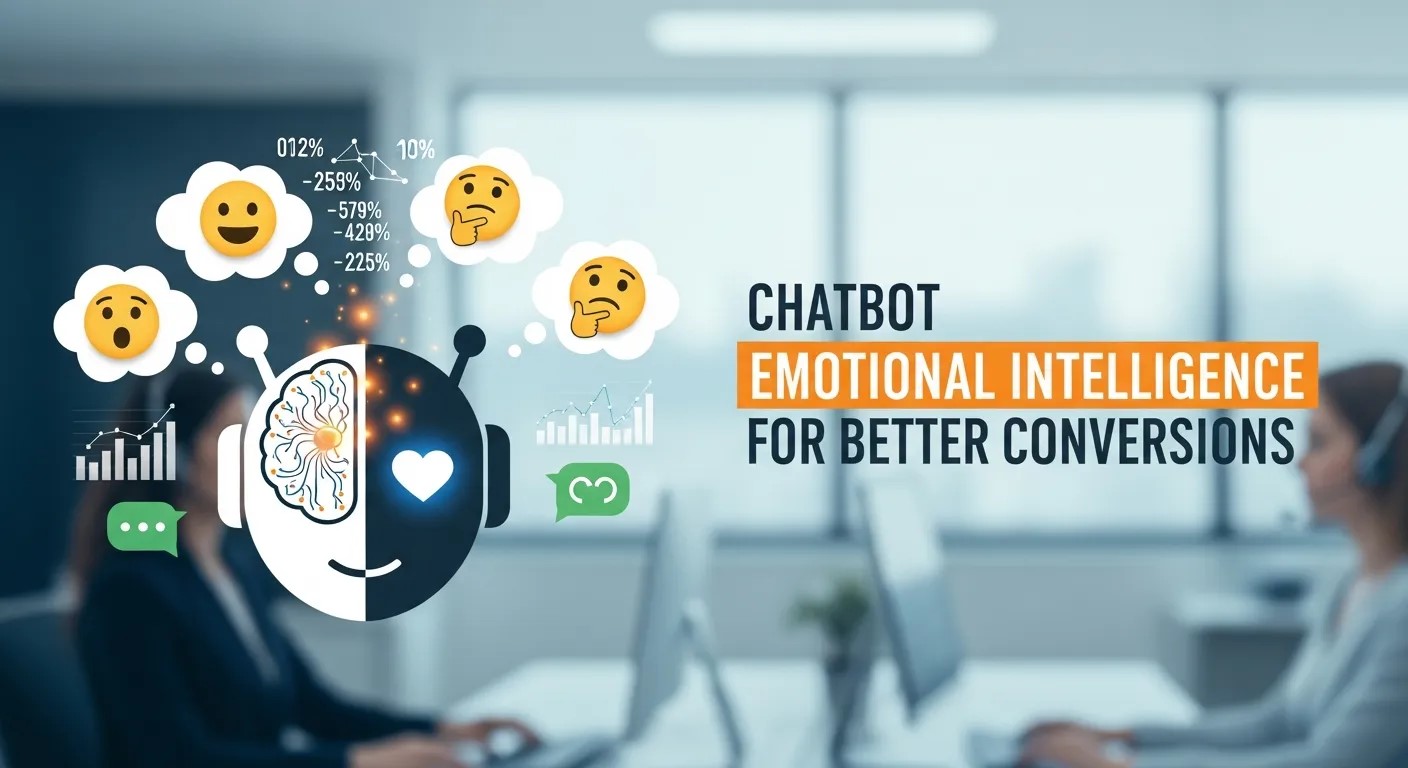
Leveraging Chatbot Emotional Intelligence enables brands to create human-like, empathetic interactions. By combining emotion-aware AI with personalization strategies, businesses can enhance engagement, improve customer satisfaction, and drive higher conversions in today’s competitive digital landscape.
Why Chatbot Emotional Intelligence is Key to Boosting Conversions
In the evolving digital landscape, businesses are increasingly seeking ways to make their customer interactions more natural and meaningful. One of the most powerful tools to achieve this is Chatbot Emotional Intelligence. By incorporating emotional awareness and adaptive communication into chatbots, brands can engage users more effectively, improve satisfaction, and ultimately drive higher conversions.
Modern consumers expect more than simple transactional conversations; they want interactions that feel human, empathetic, and tailored to their needs. This is where Chatbot Emotional Intelligence comes into play, bridging the gap between automated messaging and human-like engagement.
Understanding Chatbot Emotional Intelligence
Chatbot Emotional Intelligence refers to the ability of a chatbot to recognize, interpret, and respond appropriately to the emotional cues of a user. This can include textual sentiment, voice tone, and even facial expressions in multimodal interactions. The goal is to make digital communication feel natural, responsive, and empathetic.
Emotional intelligence in chatbots is not just a novelty; it’s a strategic necessity. Studies show that users are more likely to engage and convert when they feel understood and valued. Incorporating emotion-aware responses in chatbots can lead to:
- Improved customer satisfaction
- Increased engagement time
- Higher conversion rates
- Reduced churn and complaints
Components of Chatbot Emotional Intelligence
- Emotion Recognition: Detecting user sentiment through text, voice, or visual cues.
- Context Awareness: Understanding the context of the conversation to respond appropriately.
- Adaptive Responses: Tailoring messages based on the emotional state of the user.
- Continuous Learning: Using AI and machine learning to improve responses over time.
Integrating Emotion AI Chatbot Marketing strategies ensures that chatbots are not only informative but also emotionally attuned, fostering trust and loyalty with users.
The Role of Emotion AI Chatbot Marketing

Traditional chatbots often follow scripted paths, answering queries in a predictable and impersonal way. While functional, this approach lacks emotional connection. Emotion AI Chatbot Marketing changes the game by leveraging artificial intelligence to detect emotional signals and adapt responses in real time.
By analyzing user language, sentiment, and even behavior patterns, emotion-aware chatbots can guide conversations in a way that feels more human. For example, a frustrated customer can receive empathetic responses that de-escalate tension, while a happy user might be encouraged to explore upsell options.
The benefits of implementing Emotion AI Chatbot Marketing include:
- Enhanced brand perception
- Personalized user experiences
- Reduced support load on human agents
- Data-driven insights into customer behavior
Companies adopting these strategies report not just improved conversions but also stronger brand loyalty.
Chatbot Personalization Strategies That Work
Personalization is at the heart of effective chatbot interactions. Generic responses may suffice for basic queries, but for meaningful engagement and conversions, chatbots must adapt to each user’s preferences, history, and emotional state.
Chatbot Personalization Strategies include:
- Behavior-Based Responses: Tailoring messages based on previous user interactions.
- Segmentation: Offering different conversational flows for different user groups.
- Predictive Assistance: Using AI to anticipate user needs before they ask.
- Adaptive Tone: Adjusting the chatbot’s tone according to the user’s sentiment.
For instance, if a user repeatedly browses certain product categories, the chatbot can proactively suggest related items. If the system detects frustration or confusion, it can switch to a more supportive and explanatory tone.
Implementing Personalization with Emotional Intelligence
Combining Chatbot Personalization Strategies with Chatbot Emotional Intelligence creates a feedback loop of ever-improving interaction quality. The chatbot learns from emotional cues and adjusts personalization accordingly. Over time, this leads to richer conversations, higher user satisfaction, and increased conversions.
Technology Behind Emotionally Intelligent Chatbots
Developing emotionally intelligent chatbots relies on advanced technologies including:
- Natural Language Processing (NLP): Enables understanding of user intent and sentiment.
- Machine Learning (ML): Allows the chatbot to improve responses based on historical interactions.
- Sentiment Analysis: Detects user emotions from text, voice, or other input modalities.
- Voice Recognition & Tone Analysis: Adds a layer of nuance for voice-based interactions.
Integrating these technologies enables brands to move beyond scripted conversations and create adaptive, emotionally responsive chatbots.
Deep Learning Applications in AR Facial Recognition and Tracking
In some advanced scenarios, chatbots are paired with Deep Learning Applications in AR Facial Recognition and Tracking. This combination allows systems to detect micro-expressions, pupil dilation, and other subtle cues that reveal user emotions.
For example, a retail app using AR can track how a user reacts to virtual try-ons or product previews. The chatbot can then provide recommendations or reassurance based on detected emotions. This creates a highly immersive and personalized user experience that is both engaging and conversion-friendly.
Crafting Human-Like Interactions
The goal of Chatbot Emotional Intelligence is not to mimic humans superficially but to create interactions that feel meaningful and responsive. Users should feel understood, supported, and guided naturally through the conversation.
Strategies for crafting human-like interactions include:
- Empathetic Responses: Acknowledge user emotions with appropriate phrasing.
- Contextual Memory: Remember prior interactions for continuity.
- Conversational Flow: Avoid rigid, transactional responses; aim for dialogue-like exchanges.
- Feedback Loops: Allow users to correct or guide the chatbot’s behavior.
By combining these techniques with the insights gained from Emotion AI Chatbot Marketing, brands can deliver superior conversational experiences that drive engagement and conversions.
Case Study Example
Consider an e-commerce platform implementing emotionally intelligent chatbots. Customers browsing the site receive personalized suggestions, empathetic support during issues, and proactive offers based on browsing behavior. The result:
| Metric | Before Emotion AI | After Emotion AI |
|---|---|---|
| Customer Satisfaction Score | 72% | 91% |
| Average Engagement Time (min) | 4.2 | 7.5 |
| Conversion Rate (%) | 3.5 | 6.8 |
This demonstrates the tangible impact of Chatbot Emotional Intelligence when combined with Chatbot Personalization Strategies.
Future Trends in Emotionally Intelligent Chatbots
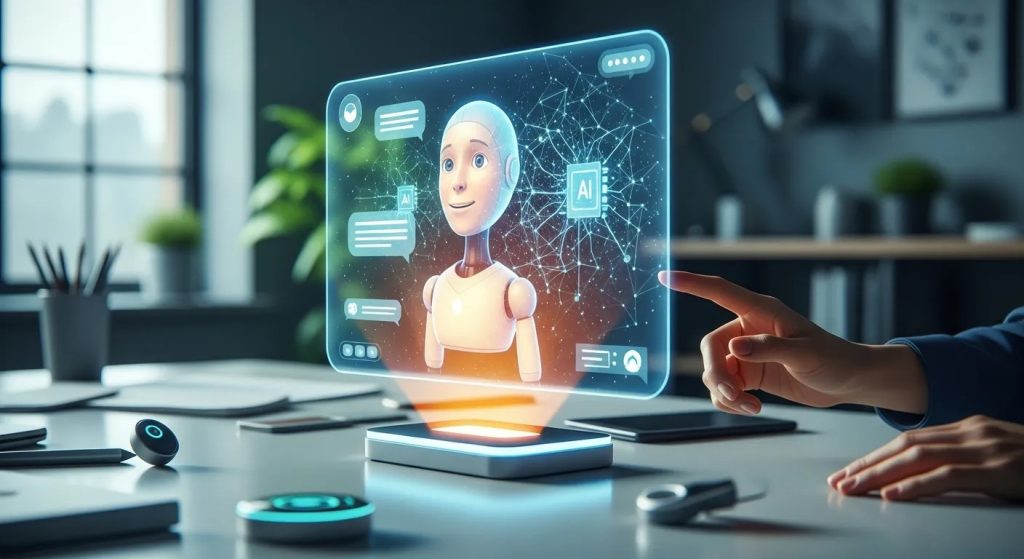
The field of emotional AI and chatbot intelligence is rapidly evolving. Future trends include:
- Multimodal Emotion Recognition: Combining text, voice, and facial cues for richer emotional understanding.
- Hyper-Personalization: AI-driven predictions for next-best actions tailored to emotional state.
- Integration with AR/VR: Immersive experiences where chatbots respond to user emotions in real time.
- Proactive Emotional Support: Chatbots that detect early signs of frustration or disengagement and intervene before issues escalate.
As brands adopt these technologies, emotionally intelligent chatbots will become a standard expectation, not a competitive edge.
Building a Strategy for Implementation
To successfully implement Chatbot Emotional Intelligence, businesses should follow a structured approach:
- Define Objectives: Identify conversion goals, engagement metrics, and desired outcomes.
- Select the Right Platform: Choose AI and NLP platforms capable of sentiment analysis and adaptive learning.
- Integrate Personalization: Map user journeys and design personalized interaction flows.
- Test and Optimize: Use A/B testing and user feedback to refine chatbot responses.
- Monitor Performance: Track engagement, sentiment, and conversion metrics to continually improve.
Challenges and Considerations
Despite its potential, implementing emotionally intelligent chatbots comes with challenges:
- Data Privacy: Collecting emotional data requires strict compliance with privacy regulations.
- Complexity of Emotion: Human emotions are nuanced and sometimes ambiguous, making accurate detection difficult.
- Integration: Ensuring seamless integration with existing customer support and CRM systems.
- Continuous Training: Emotional AI models require ongoing updates and training to remain effective.
By addressing these challenges thoughtfully, businesses can leverage Chatbot Emotional Intelligence without compromising trust or performance.
The Psychology Behind Chatbot Emotional Intelligence
Understanding human psychology is key to building chatbots that genuinely resonate with users. Chatbot Emotional Intelligence leverages insights into human behavior, such as emotional triggers, decision-making patterns, and empathy needs. By recognizing subtle emotional cues like frustration, excitement, or confusion, chatbots can adjust their responses to align with the user’s current state. This creates a sense of understanding and personal connection, encouraging users to engage longer and respond more positively to prompts. For instance, a user expressing concern over a product’s usability might receive a calming, informative response rather than a generic automated reply. Integrating Emotion AI Chatbot Marketing allows chatbots to process these psychological signals efficiently, providing real-time adjustments that make interactions feel natural. When chatbots align their conversational tone with human emotional expectations, they not only enhance satisfaction but also subtly guide users toward conversion actions.
Role of NLP in Emotionally Intelligent Chatbots
Natural Language Processing (NLP) is a foundational technology enabling Chatbot Emotional Intelligence. NLP allows chatbots to comprehend user inputs beyond literal meanings, understanding context, sentiment, and intent. By detecting emotions expressed through word choice, phrasing, and punctuation, chatbots can adapt responses for empathy and relevance. For example, a user expressing frustration with a service might trigger the chatbot to provide reassurance, offer solutions, or escalate to a human agent. Combining NLP with Chatbot Personalization Strategies ensures that responses consider both emotional state and individual user preferences. Additionally, advanced NLP algorithms continuously learn from past interactions, refining the chatbot’s ability to respond appropriately over time. This intelligent processing creates conversations that feel organic rather than mechanical. Through NLP, emotionally intelligent chatbots transform routine customer support into engaging dialogues that anticipate needs and build trust, ultimately boosting engagement and conversion metrics.
Integrating Voice Recognition for Enhanced Interactions
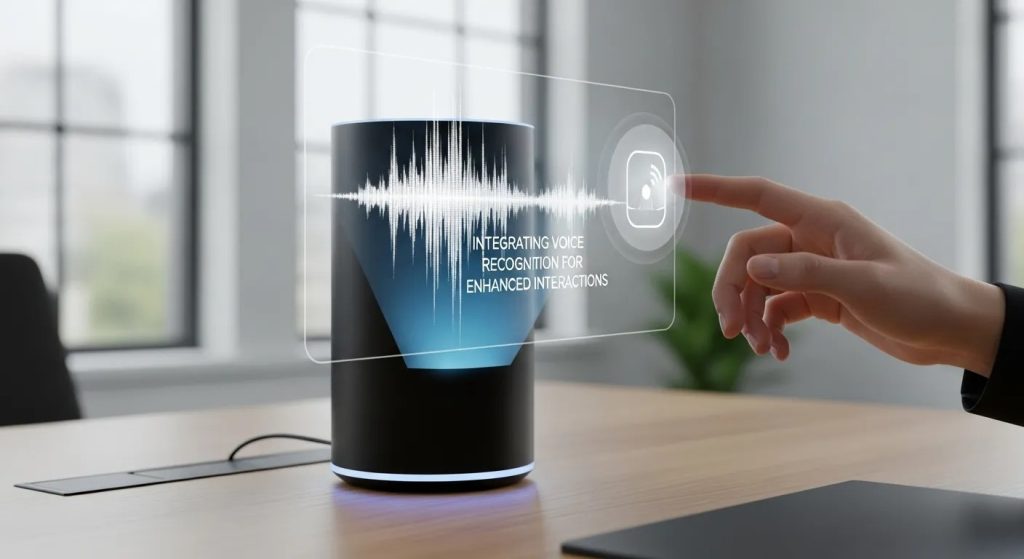
Voice-enabled chatbots bring a new dimension to Chatbot Emotional Intelligence. By analyzing tone, pitch, pace, and hesitations, chatbots can detect subtle emotional cues that text alone may not reveal. This is especially powerful in call center environments or voice-assisted applications, where empathy and responsiveness are crucial. For instance, a stressed user might speak faster or with a raised pitch, signaling the chatbot to slow down, acknowledge the concern, and offer solutions more patiently. Implementing Emotion AI Chatbot Marketing in voice interactions ensures that these cues influence both the content and tone of responses. Voice recognition also allows for personalized greetings, conversational adjustments, and even adaptive follow-ups based on prior calls. When combined with Chatbot Personalization Strategies, this creates a multi-layered interaction where both the message and delivery reflect an understanding of the user’s emotional state, significantly enhancing engagement and conversion potential.
Leveraging Predictive Analytics for Emotional Insights
Predictive analytics enables chatbots to anticipate user emotions and behaviors before they occur. Using historical data, machine learning models can forecast when users are likely to experience frustration, hesitation, or excitement during a conversation. By integrating Chatbot Emotional Intelligence with these insights, chatbots can proactively adjust dialogue paths to guide users smoothly through the funnel. For example, if predictive models identify that users often abandon the checkout process when uncertain about shipping, the chatbot can intervene with empathetic reassurance and personalized recommendations. Similarly, predictive insights allow for Chatbot Personalization Strategies that match communication styles to each user, optimizing engagement. This preemptive approach ensures that conversations are not reactive but anticipatory, addressing emotional needs in real time. As a result, predictive analytics paired with emotional AI enhances the chatbot’s effectiveness, builds trust, and increases the likelihood of conversions.
Ethical Considerations in Emotionally Intelligent Chatbots
While Chatbot Emotional Intelligence offers tremendous benefits, ethical considerations must guide implementation. Emotionally aware chatbots process sensitive user data, including emotional cues, behavioral patterns, and personal preferences. Ensuring privacy compliance and transparent data usage is critical to maintain trust. Brands should communicate how emotional data is collected and utilized, allowing users to opt in or out. Misuse of emotional insights, such as manipulation or excessive targeting, can damage credibility. Implementing Emotion AI Chatbot Marketing ethically requires balancing personalization with respect for boundaries. Additionally, chatbots must avoid making assumptions that could misinterpret user feelings or escalate negative experiences. By embedding ethical guidelines into design and operation, businesses can leverage emotional intelligence responsibly, fostering meaningful interactions that users appreciate, while protecting both brand reputation and user well-being.
Multi-Channel Integration of Emotionally Intelligent Chatbots
Modern customers interact across multiple channels websites, apps, social media, and messaging platforms. Chatbot Emotional Intelligence becomes more powerful when deployed across these touchpoints consistently. Multi-channel integration allows chatbots to maintain context and emotional awareness regardless of where the interaction occurs. For instance, a user expressing frustration on social media might receive a follow-up message on the app, with the conversation tailored based on previous emotional cues. Incorporating Chatbot Personalization Strategies ensures that each interaction reflects the user’s preferences and history. Moreover, combining data from various channels enhances predictive accuracy, enabling more empathetic and targeted responses. A unified approach ensures that users experience seamless, emotionally intelligent engagement, strengthening brand perception, improving customer loyalty, and driving higher conversion rates across the entire digital ecosystem.
Measuring the ROI of Emotionally Intelligent Chatbots
Businesses need tangible metrics to justify investments in Chatbot Emotional Intelligence. ROI can be measured through several key performance indicators, including user engagement, conversation length, sentiment improvement, customer satisfaction scores, and conversion rates. Tracking these metrics over time reveals how emotional awareness influences outcomes. Implementing Emotion AI Chatbot Marketing allows for granular analysis of which emotional triggers correlate with conversions, providing actionable insights for optimization. Additionally, combining these measurements with Chatbot Personalization Strategies highlights the impact of tailored, emotionally aware interactions on retention and upsell opportunities. Companies can also monitor cost savings by reducing human support intervention while maintaining high-quality engagement. By quantifying the benefits, businesses gain a clear understanding of the value added by emotionally intelligent chatbots, ensuring continuous improvement and strategic alignment.
Future Innovations in Emotionally Intelligent Chatbots
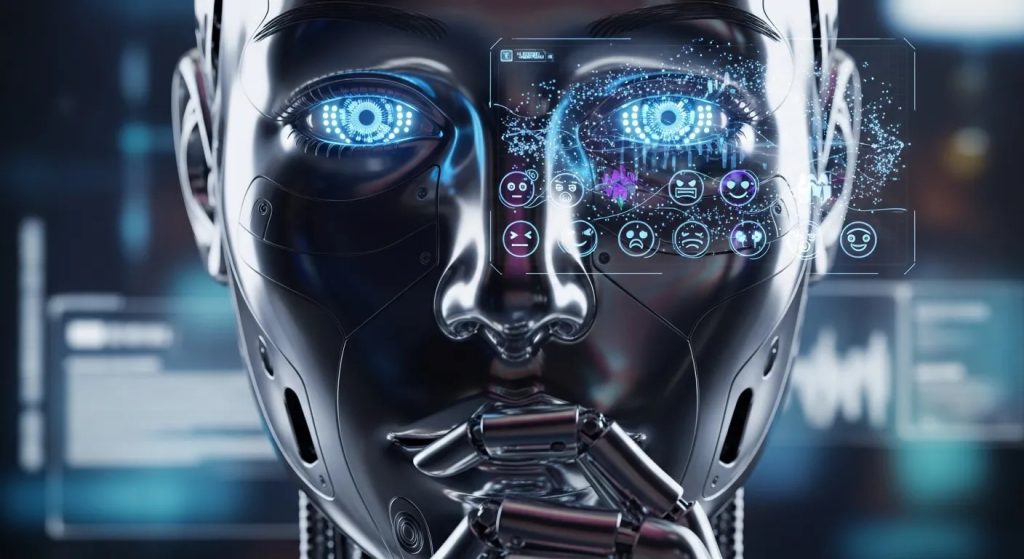
The future of Chatbot Emotional Intelligence is bright, with innovations poised to redefine user experiences. Advances in Deep Learning Applications in AR Facial Recognition and Tracking will allow chatbots to interpret micro-expressions, gestures, and environmental cues for more immersive interactions. Integration with augmented reality and virtual reality platforms will enable users to receive emotionally responsive guidance during shopping, gaming, or learning experiences. Additionally, AI models are expected to become increasingly proactive, detecting user frustration, hesitation, or excitement in real time and adjusting responses before the user even articulates their emotions. Combining these innovations with Chatbot Personalization Strategies will produce hyper-personalized, context-aware experiences. As these technologies evolve, emotionally intelligent chatbots will not only support transactions but also enhance emotional well-being, engagement, and brand loyalty, making them indispensable tools in the digital marketing toolkit.
Conclusion
Chatbot Emotional Intelligence is no longer a futuristic concept it is a vital strategy for businesses aiming to enhance customer engagement and drive conversions. By integrating Chatbot Emotional Intelligence into marketing and support channels, brands can deliver interactions that feel human, empathetic, and contextually aware. Combining Chatbot Emotional Intelligence with personalization strategies ensures every conversation is tailored to the user’s needs, boosting satisfaction and loyalty. Furthermore, leveraging advanced technologies such as emotion recognition, NLP, and predictive analytics empowers chatbots to respond dynamically, anticipate user emotions, and guide users effectively. In today’s competitive digital landscape, Chatbot Emotional Intelligence is the differentiator that allows businesses to create meaningful experiences, build trust, and significantly improve conversion rates. Embracing this approach ensures not only enhanced engagement but also a measurable impact on growth and customer retention.
Frequency Asked Question (FAQ)
What is Chatbot Emotional Intelligence?
Chatbot Emotional Intelligence refers to the capability of chatbots to detect, understand, and respond to human emotions during interactions. It enables automated systems to communicate empathetically, improving engagement, user satisfaction, and conversion potential.
How does Chatbot Emotional Intelligence improve customer experience?
By recognizing user emotions and adapting responses accordingly, Chatbot Emotional Intelligence creates personalized, human-like conversations. This leads to faster problem resolution, stronger engagement, and enhanced customer loyalty.
Can Chatbot Emotional Intelligence increase conversions?
Yes. Emotion-aware chatbots guide users more effectively, reduce frustration, and build trust. Integrating Chatbot Emotional Intelligence into marketing funnels encourages users to take desired actions, thereby boosting conversions.
What technologies enable Chatbot Emotional Intelligence?
Key technologies include Natural Language Processing (NLP), sentiment analysis, predictive analytics, and machine learning. Advanced systems may also use Deep Learning Applications in AR Facial Recognition and Tracking for emotion detection.
How do Chatbot Personalization Strategies complement emotional intelligence?
Combining Chatbot Emotional Intelligence with personalization strategies ensures responses are not only empathetic but also tailored to user history and preferences, creating a highly engaging and effective interaction.
Are there ethical concerns with Chatbot Emotional Intelligence?
Yes. Chatbots analyze sensitive emotional data, so privacy compliance, transparency, and ethical use are essential to maintain user trust while leveraging Chatbot Emotional Intelligence effectively.
What is the future of Chatbot Emotional Intelligence?
The future includes more proactive, multimodal AI, integrating voice, AR, and predictive insights to anticipate user emotions. Businesses leveraging Chatbot Emotional Intelligence will gain a competitive edge through richer, more personalized interactions.