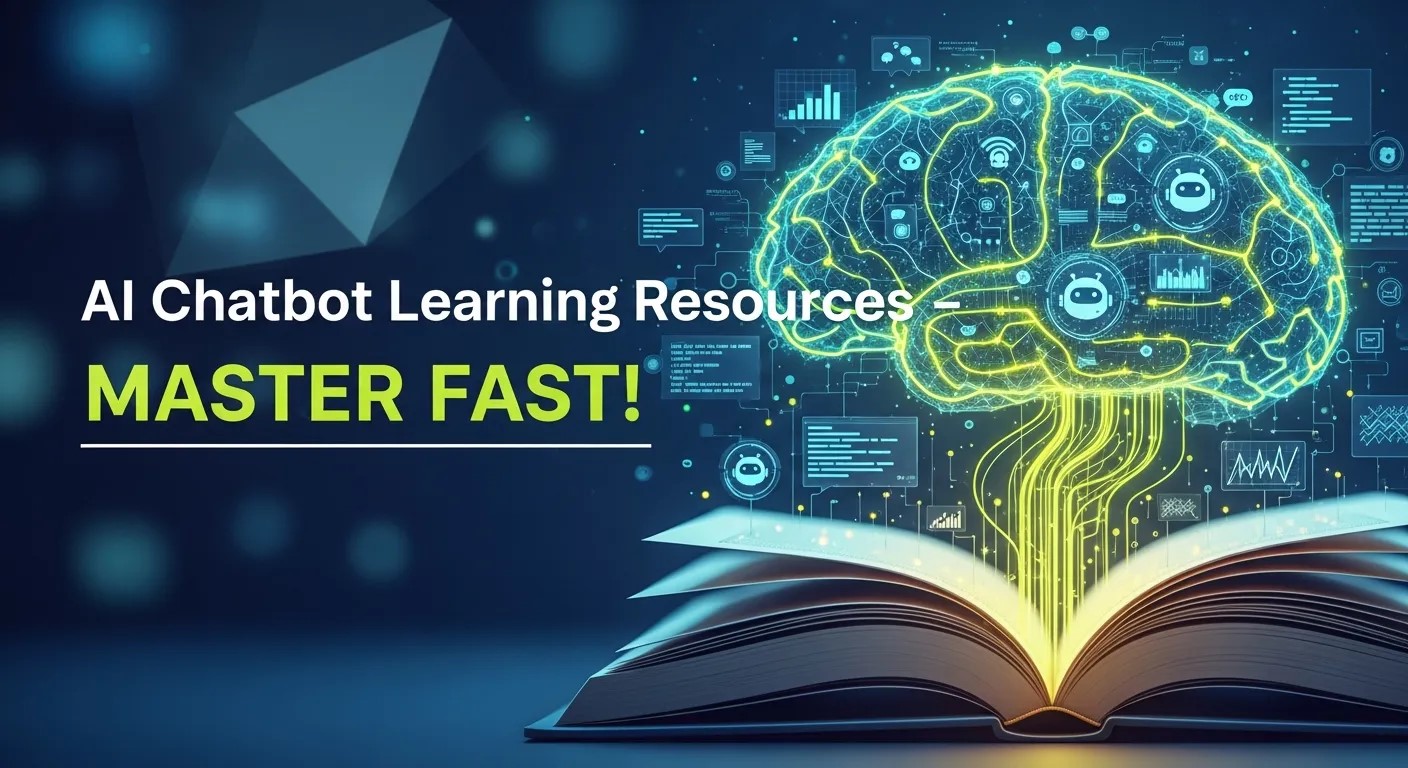
AI Chatbot Learning Resources provide structured guidance for mastering conversational AI, NLP, AR integration, and marketing applications. Learners gain practical skills, explore global applications, and prepare for advanced AI chatbot deployment across industries effectively and efficiently.
Introduction to AI Chatbot Learning Resources
Artificial intelligence has revolutionized the way businesses and developers interact with users, and chatbots have become a central part of this transformation. AI Chatbot Learning Resources offer learners a structured approach to understand and implement conversational AI effectively. These resources range from tutorials to hands-on projects, helping both beginners and experienced developers grasp the intricacies of chatbot design.
By using AI Chatbot Learning Resources, learners can explore how chatbots automate responses, improve customer engagement, and optimize workflows. Access to these resources ensures that users not only learn the technical aspects but also understand how chatbots can impact real-world business applications.
Applications of AI Chatbots
The practical applications of AI chatbots are extensive. With the help of AI Chatbot Learning Resources, learners discover how chatbots can enhance automated chatbot marketing, allowing businesses to engage users efficiently while collecting actionable insights. Chatbots are also increasingly used in AI-NLP chatbot translation, enabling seamless multilingual communication and expanding the global reach of businesses.
Additionally, AI Chatbot Learning Resources highlight how chatbots support AI chatbots in market research, helping companies gather and analyze customer behavior data. In e-commerce, understanding ecommerce messenger bots through these resources equips developers to design bots that streamline user interactions and drive sales.
Core Skills Developed Through Learning Resources
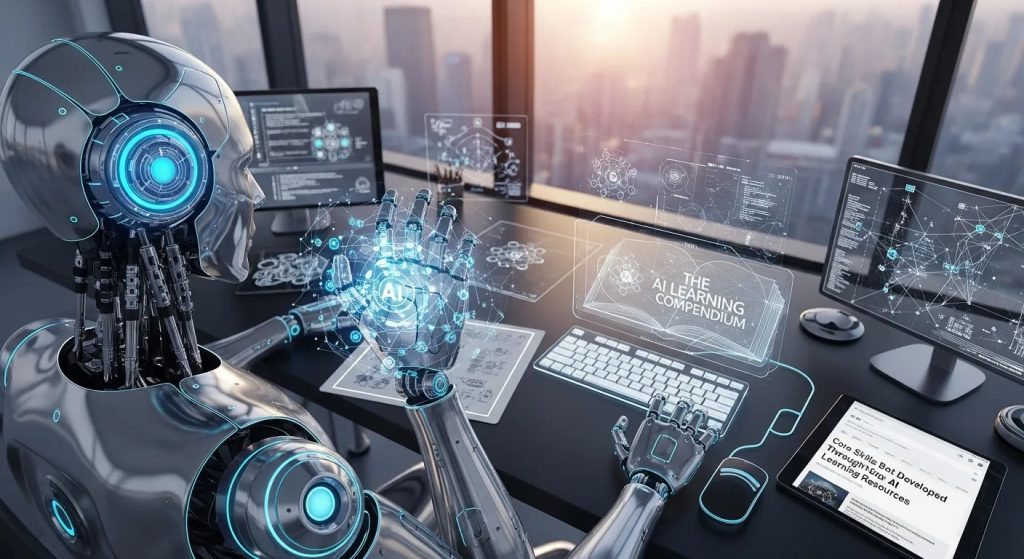
Engaging with AI Chatbot Learning Resources helps learners develop both technical and strategic skills. Knowledge of natural language processing, machine learning, and conversational flow design forms the technical foundation. Meanwhile, applying these skills to real-world scenarios such as creating AI chatbots in market research or designing ecommerce messenger bots reinforces practical understanding.
These learning resources also expose learners to emerging areas, including inclusive AR design and industrial AR applications, where chatbots interact with augmented reality systems. This integration demonstrates how chatbots can extend beyond simple messaging platforms to more immersive and interactive experiences.
Advanced Techniques and Insights
Once learners master the basics, AI Chatbot Learning Resources introduce advanced techniques such as sentiment analysis, adaptive conversational flows, and predictive responses. Exploring these topics allows developers to create smarter, more responsive chatbots that enhance user experience.
Furthermore, integrating AR concepts like inclusive AR design or industrial AR applications with chatbot functionality illustrates the evolving capabilities of AI-driven interfaces. By studying these advanced examples, learners gain insights into cutting-edge applications and innovative use cases.
Practical Platforms for Learning AI Chatbots
When diving deeper into AI chatbot development, AI Chatbot Learning Resources often highlight practical platforms and tools that make learning hands-on and effective. Platforms like Dialogflow, Microsoft Bot Framework, and Rasa provide learners with environments to experiment, test, and deploy bots. These platforms often come with tutorials and pre-built templates, which are a core part of AI Chatbot Learning Resources, allowing users to quickly apply concepts in real-world scenarios.
Many of these platforms also focus on industry-specific applications. For instance, transparent AI chatbots are becoming increasingly important for sectors where data privacy and ethical AI usage are critical. By exploring AI Chatbot Learning Resources, learners understand how to design bots that maintain transparency in interactions and decision-making processes, enhancing trust with end-users.
Chatbots for Marketing and Engagement
A major aspect of AI chatbot learning involves understanding their role in marketing. Through AI Chatbot Learning Resources, users learn how to implement chatbots for marketing, designing bots that can handle customer inquiries, provide personalized recommendations, and even guide users through sales funnels. These resources often include case studies showing how companies optimize engagement and increase conversions using chatbots.
Additionally, AI chatbots are not limited to text-only interactions. Learning modules frequently incorporate AI-NLP chatbot translation, enabling multilingual communication for global audiences. This allows marketers to reach diverse user bases effectively, demonstrating the practical, international value of skills gained through AI Chatbot Learning Resources.
Integrating AR and Advanced Technologies
Modern AI Chatbot Learning Resources often intersect with augmented reality (AR) and advanced computing concepts. Learners can explore AR quantum computing, where AI chatbots interact with complex simulations to guide users or analyze data within immersive environments. Similarly, AR autonomous agents combine autonomous behavior with AI chatbots, opening new possibilities for interactive learning, training simulations, and customer experiences.
By integrating these advanced applications, learners gain exposure to cutting-edge technologies and understand how AI chatbots can evolve beyond traditional messaging platforms. These modules reinforce problem-solving, technical design, and creativity, which are crucial for building professional-grade AI systems.
Hands-On Projects and Real-World Scenarios

Effective AI Chatbot Learning Resources emphasize practical projects. These include building chatbots for e-commerce, customer service, and educational platforms. For example, learners may create ecommerce messenger bots that automate product recommendations or implement AI chatbots in market research to collect and analyze customer feedback efficiently.
Hands-on projects help bridge the gap between theory and application. By working through real-world scenarios provided in AI Chatbot Learning Resources, learners develop confidence in coding, debugging, and deploying AI chatbots in diverse environments. These projects also teach learners how to design scalable, user-friendly conversational experiences.
Best Practices for Developing AI Chatbots
Mastering AI Chatbot Learning Resources involves understanding industry best practices to create effective, reliable, and user-friendly chatbots. Good learning modules emphasize designing conversational flows that feel natural while minimizing user frustration. These best practices cover context-aware responses, error handling, and maintaining clarity in user interactions. By following these guidelines through structured AI Chatbot Learning Resources, learners can build bots that perform consistently across different platforms.
A key focus of modern resources is the ethical and transparent use of AI. For instance, designing transparent AI chatbots ensures that users understand how their data is used and how decisions are made. Learning to integrate transparency from the outset helps developers build trust and compliance with industry standards.
Optimizing Chatbots for Engagement
Another major area covered in AI Chatbot Learning Resources is optimizing chatbots for engagement and conversion. Learners discover strategies for creating bots that maintain user interest, provide timely suggestions, and respond intelligently to queries. Incorporating chatbots for marketing examples helps learners see how bots can guide users through product selection, promotions, or lead generation processes.
These resources also highlight how AI can analyze user behavior to improve interactions. Modules often cover AI-NLP chatbot translation, enabling chatbots to communicate effectively in multiple languages. Such capabilities expand the reach of marketing efforts and enhance the versatility of AI-driven interactions.
Troubleshooting and Continuous Improvement
No AI chatbot is perfect at launch. High-quality AI Chatbot Learning Resources include sections on troubleshooting common issues, refining conversational models, and testing responses under various scenarios. Learners explore techniques to identify weak spots in bot logic, reduce misunderstandings, and enhance predictive accuracy. This iterative approach is critical for maintaining high performance and user satisfaction.
Integrating advanced technologies is also part of the learning process. Resources may include modules on AR quantum computing, where chatbots can interact with complex simulations, or AR autonomous agents, allowing bots to operate within dynamic, automated environments. Exposure to these applications helps learners stay ahead of emerging trends in AI and AR.
Career and Industry Applications
Learning through AI Chatbot Learning Resources prepares individuals for various professional paths. Developers can specialize in e-commerce platforms using ecommerce messenger bots, customer support automation, or market research applications. Knowledge of AI chatbots in market research equips professionals to analyze data and extract actionable insights that drive business decisions.
Additionally, understanding AR-integrated chatbot applications positions learners for innovative roles in training, simulation, and immersive user experiences. By following structured AI Chatbot Learning Resources, learners gain both the technical expertise and strategic insight needed to succeed in AI-focused careers.
Emerging Trends in AI Chatbots
Staying updated with emerging trends is crucial for anyone exploring AI Chatbot Learning Resources. Modern resources focus on integrating AI chatbots with advanced analytics, predictive modeling, and enhanced NLP capabilities. Learners are introduced to techniques that make bots more adaptive, personalized, and context-aware, reflecting the current evolution of conversational AI.
A growing trend highlighted in AI Chatbot Learning Resources is the use of transparent AI chatbots in sectors requiring accountability and ethical AI deployment. Transparency ensures users understand the logic behind automated responses, increasing trust and adoption, particularly in industries like finance, healthcare, and government services.
AI Chatbots in Business Strategy
Businesses are increasingly leveraging AI chatbots to streamline operations and improve customer engagement. Through AI Chatbot Learning Resources, learners discover how chatbots contribute to chatbots for marketing strategies by providing real-time support, collecting feedback, and guiding users through sales funnels. These applications allow companies to optimize customer journeys while reducing operational costs.
The integration of multilingual capabilities through AI-NLP chatbot translation is another focus area. Learning to implement multilingual chatbots broadens global reach, allowing companies to engage diverse audiences efficiently. Resources emphasize how this feature can impact brand presence and customer satisfaction worldwide.
Integration with AR and Emerging Technologies

Advanced AI Chatbot Learning Resources explore the intersection of chatbots and AR technologies. Concepts like AR quantum computing demonstrate how chatbots can interact with complex computational models to assist in decision-making or simulations. Similarly, AR autonomous agents allow chatbots to operate in dynamic, automated environments, creating more interactive and intelligent systems.
These integrations provide learners with exposure to futuristic applications where AI chatbots are not just messaging tools but essential components of immersive environments. Understanding these concepts enhances problem-solving skills and prepares learners for next-generation AI and AR innovations.
Hands-On Projects and Application Scenarios
Practical application remains a cornerstone of AI Chatbot Learning Resources. Learners engage with projects that simulate real-world scenarios, such as designing ecommerce messenger bots to automate product recommendations or implementing AI chatbots in market research for data collection and analysis. These exercises reinforce coding skills, conversational design, and deployment strategies.
By practicing with these resources, learners also explore how to combine multiple technologies for richer experiences, such as integrating AR functionality with AI chatbots for interactive training, immersive customer support, or advanced simulations. This exposure ensures comprehensive skill-building that aligns with industry demands.
Optimizing AI Chatbots for Performance
One of the key lessons in AI Chatbot Learning Resources is learning how to optimize chatbot performance for speed, accuracy, and user engagement. These resources teach strategies for refining conversational flows, implementing error handling, and analyzing interaction logs to continuously improve bot behavior. By following these modules, learners can create AI chatbots that respond intelligently and adapt to user needs without unnecessary delays.
Another important concept introduced in AI Chatbot Learning Resources is load management and scalability. As chatbots handle larger volumes of queries, it becomes crucial to design systems capable of maintaining consistent performance. These lessons often intersect with transparent AI chatbots, emphasizing ethical and understandable AI decisions even under high-demand scenarios.
Scaling AI Chatbots in Enterprises
Scaling AI chatbots for enterprise use is a major focus in AI Chatbot Learning Resources. Learners explore how to integrate bots across multiple channels, including web platforms, mobile apps, and social media. Enterprise-grade bots require robust monitoring, analytics, and multilingual support, which is often covered through AI-NLP chatbot translation modules.
Resources also highlight use cases such as chatbots for marketing and customer engagement at scale. By studying these examples, learners understand how AI chatbots can handle thousands of simultaneous interactions, personalize responses, and provide actionable insights to businesses, making chatbots indispensable for modern enterprise operations.
Advanced Problem-Solving and Customization
AI Chatbot Learning Resources emphasize advanced problem-solving skills. Learners tackle challenges like ambiguous queries, context retention, and predictive response generation. These exercises help developers create adaptable bots that can provide solutions even when user input is unexpected or complex.
Furthermore, advanced projects often include integration with AR technologies such as AR quantum computing and AR autonomous agents. This introduces learners to environments where AI chatbots interact with simulated scenarios, optimize processes, and provide guidance in immersive, automated systems. Such exposure prepares developers for innovative roles in futuristic AI applications.
Global Applications and Career Impact
Through AI Chatbot Learning Resources, learners gain insight into global applications of AI chatbots. For example, using AI chatbots in market research, companies can analyze trends and customer sentiment worldwide, while ecommerce messenger bots enable seamless international commerce. Understanding these applications enhances both technical expertise and strategic thinking.
These resources prepare learners for careers in AI development, product management, digital marketing, and AR/AI integration. By following structured AI Chatbot Learning Resources, professionals gain the knowledge to deploy AI-driven solutions that scale efficiently, comply with ethical standards, and meet diverse business needs.
Future Trends in AI Chatbots

The future of AI chatbots is both exciting and transformative. AI Chatbot Learning Resources emphasize emerging technologies that will shape conversational AI in the coming years. Learners are introduced to adaptive algorithms, context-aware intelligence, and predictive conversational design, ensuring that chatbots evolve alongside user expectations.
Integration with advanced computing frameworks, such as AR quantum computing, opens opportunities for bots to interact with complex datasets and simulations in real-time. Similarly, AR autonomous agents allow chatbots to operate in automated environments, bridging the gap between AI-driven conversation and immersive, interactive experiences. These modules in AI Chatbot Learning Resources equip learners to be prepared for next-generation AI applications.
Multi-Industry Applications
AI Chatbot Learning Resources highlight the versatility of chatbots across industries. From customer service to healthcare, finance, and education, AI chatbots streamline operations, enhance engagement, and provide actionable insights. Modules often include examples of chatbots for marketing, where bots optimize lead generation and user retention, demonstrating practical ROI for businesses.
Global businesses benefit from AI-NLP chatbot translation, enabling multilingual interactions without sacrificing personalization. Similarly, transparent AI chatbots ensure ethical usage and build user trust, particularly in sensitive sectors like banking or healthcare. By following these structured resources, learners gain a holistic understanding of industry-specific deployment and best practices.
Innovation and Integration with AR
The next frontier for AI chatbots lies in combining conversational AI with augmented reality. Learning through AI Chatbot Learning Resources, developers explore how inclusive AR design and industrial AR applications can create more interactive and educational experiences. For instance, AR-enhanced chatbots can guide users through machinery operations or provide immersive training in complex environments.
By integrating these advanced concepts, learners understand the potential for AI chatbots to go beyond traditional messaging. They gain insight into designing bots that adapt, learn, and operate across diverse platforms while maintaining efficiency and user satisfaction.
Preparing for Careers in AI Chatbots
Finally, AI Chatbot Learning Resources are designed to prepare learners for real-world careers. Professionals who master these resources gain skills in designing, implementing, and optimizing chatbots across industries. Hands-on exposure to projects like ecommerce messenger bots or AI chatbots in market research equips learners with both technical and strategic expertise, making them highly competitive in AI-driven roles.
By combining AI, NLP, AR, and ethical best practices, learners emerge ready to contribute to innovative applications, future-proof solutions, and global-scale deployments. The structured guidance provided in AI Chatbot Learning Resources ensures that learners are not just familiar with technology but capable of applying it in meaningful, scalable ways.
Conclusion
Mastering AI Chatbot Learning Resources equips learners with essential technical and strategic skills to design, deploy, and optimize intelligent chatbots. From foundational NLP and machine learning concepts to advanced integrations with AR autonomous agents and AR quantum computing, these resources cover diverse real-world applications. Learners explore chatbots for marketing, multilingual communication via AI-NLP chatbot translation, and transparent AI practices for ethical implementation. By engaging with hands-on projects like ecommerce messenger bots and AI chatbots in market research, individuals gain the confidence to innovate across industries, ensuring scalability, efficiency, and immersive user experiences, making them future-ready AI professionals.
Frequently Asked Questions (FAQ)
What are AI Chatbot Learning Resources?
They are structured tutorials, guides, and tools that teach how to design, implement, and optimize AI-driven conversational bots for various industries.
Can beginners use these resources?
Yes, most AI Chatbot Learning Resources include step-by-step tutorials suitable for beginners and advanced users alike.
Do these resources cover multilingual bots?
Absolutely. Many modules include AI-NLP chatbot translation to create bots that communicate across multiple languages.
Are hands-on projects included in learning resources?
Yes, learners can build practical applications such as ecommerce messenger bots or AI chatbots in market research to apply their skills.
How do these resources integrate with AR technologies?
Advanced AI Chatbot Learning Resources explore inclusive AR design, industrial AR applications, and AR autonomous agents for immersive AI experiences.