Interactive storytelling with AI chatbots is becoming a powerful content marketing strategy that transforms passive audiences into active participants. By blending narrative design with conversational AI, brands can deliver personalized, emotionally engaging experiences that guide users through tailored journeys—from awareness to conversion.
In today’s rapidly evolving digital landscape, brands are searching for new ways to create memorable experiences that resonate with their audiences. Interactive storytelling driven by AI chatbots is emerging as one of the most powerful content marketing strategies. By blending the art of narrative with intelligent conversational interfaces, businesses can craft personalized, immersive journeys that guide prospects from awareness to purchase. In this comprehensive guide, we explore how to harness AI chatbots for interactive storytelling, outline best practices, and share real-world case studies to help you boost engagement and conversions.
Understanding Interactive Content Marketing & AI Chatbots
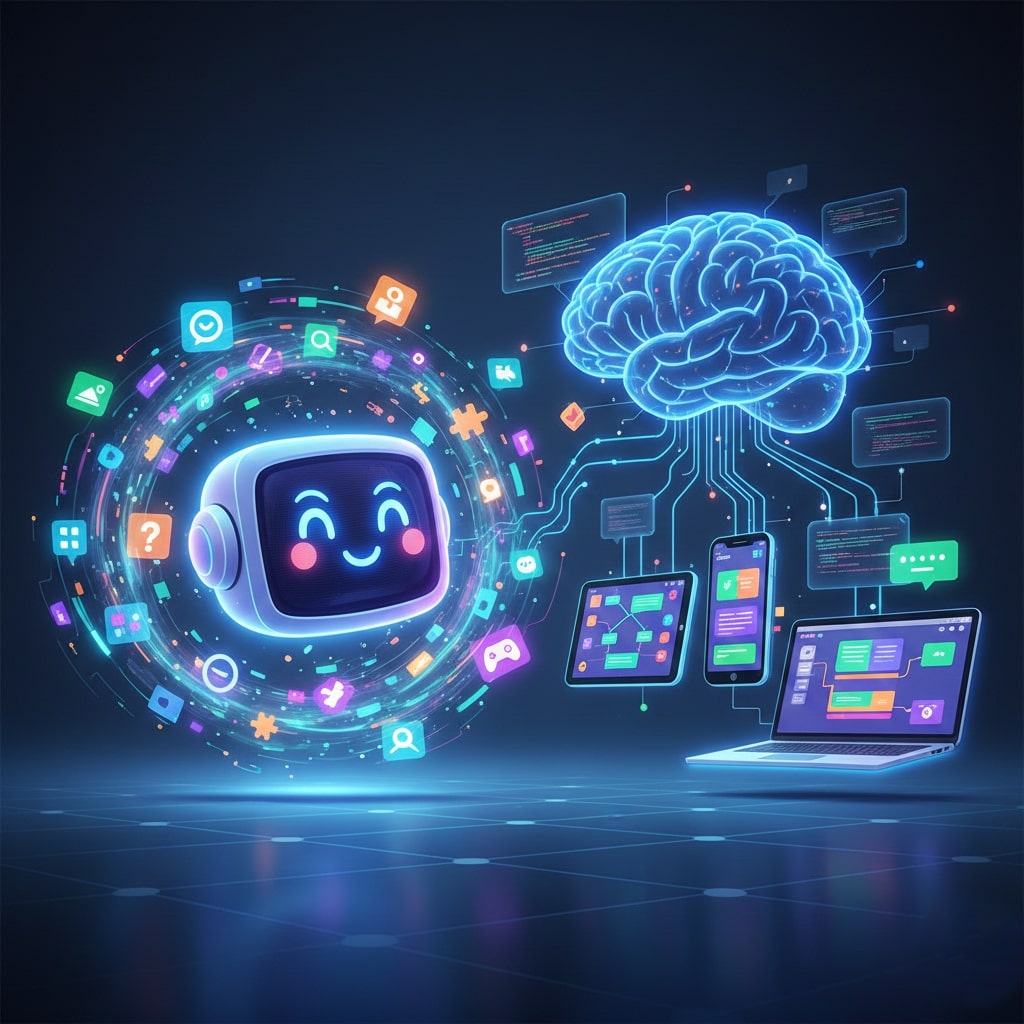
Interactive content marketing shifts the audience from passive consumption to active participation. Quizzes, polls, calculators, and immersive narratives invite users to engage, increasing time on page and brand recall. When you integrate AI chatbots into this mix, you transform static content into a live conversation. Chatbots powered by natural language processing (NLP) can present scenarios, ask probing questions, and adapt the story based on user inputs, creating a dynamic experience tailored to each individual.
Key Benefits of AI-Driven Storytelling
There are several compelling advantages to leveraging AI chatbots for interactive storytelling:
- Personalization at Scale: AI chatbots analyze user responses in real time and adjust narratives accordingly, delivering highly personalized experiences without manual segmentation.
- Higher Engagement: Interactive stories captivate users, increasing session duration and reducing bounce rates. Conversational interfaces keep users invested as they actively influence the storyline.
- Data Collection: Every interaction with the chatbot generates valuable first-party data. Marketers can use these insights to refine messaging and improve targeting.
- Guided Conversions: By weaving calls-to-action into the narrative, chatbots can guide users toward product demos, free trials, or purchases in a natural, story-driven manner.
- Brand Differentiation: Innovative storytelling sets your brand apart. A memorable narrative experience can become a unique selling proposition in competitive markets.
Designing Compelling Conversational Narratives
Effective interactive stories follow a clear structure: setting, conflict, resolution, and call-to-action. Your chatbot script should guide users through these phases:
- Introduction/Setting: Briefly introduce the story premise and brand context. Use engaging visuals or playful copy in the chat opener.
- Conflict/Choice Points: Present users with meaningful decisions that influence the narrative path. Each choice reveals insights about their preferences and needs.
- Climax/Resolution: Lead the user toward a satisfying resolution that highlights product benefits or brand values. Demonstrate how your solution addresses their challenge.
- Call-to-Action: Transition smoothly into next steps—whether booking a demo, downloading a resource, or making a purchase. Tie the CTA to the story outcome for maximum impact.
Personalization & Segmentation Strategies
To deepen engagement, segment your audience by behavior, demographics, or intent, then tailor story paths accordingly. Advanced AI chatbots can dynamically adjust narrative elements such as tone, offers, and visuals based on:
- Previous purchase history or browsing behavior
- Geographic location and language preferences
- Industry, job role, or business size (for B2B audiences)
- Real-time sentiment analysis to modify bot responses
By personalizing at each decision point, you make the story relevant and valuable to different user segments, increasing the likelihood of conversion.
Building Emotional Intelligence Into Chatbot Storytelling
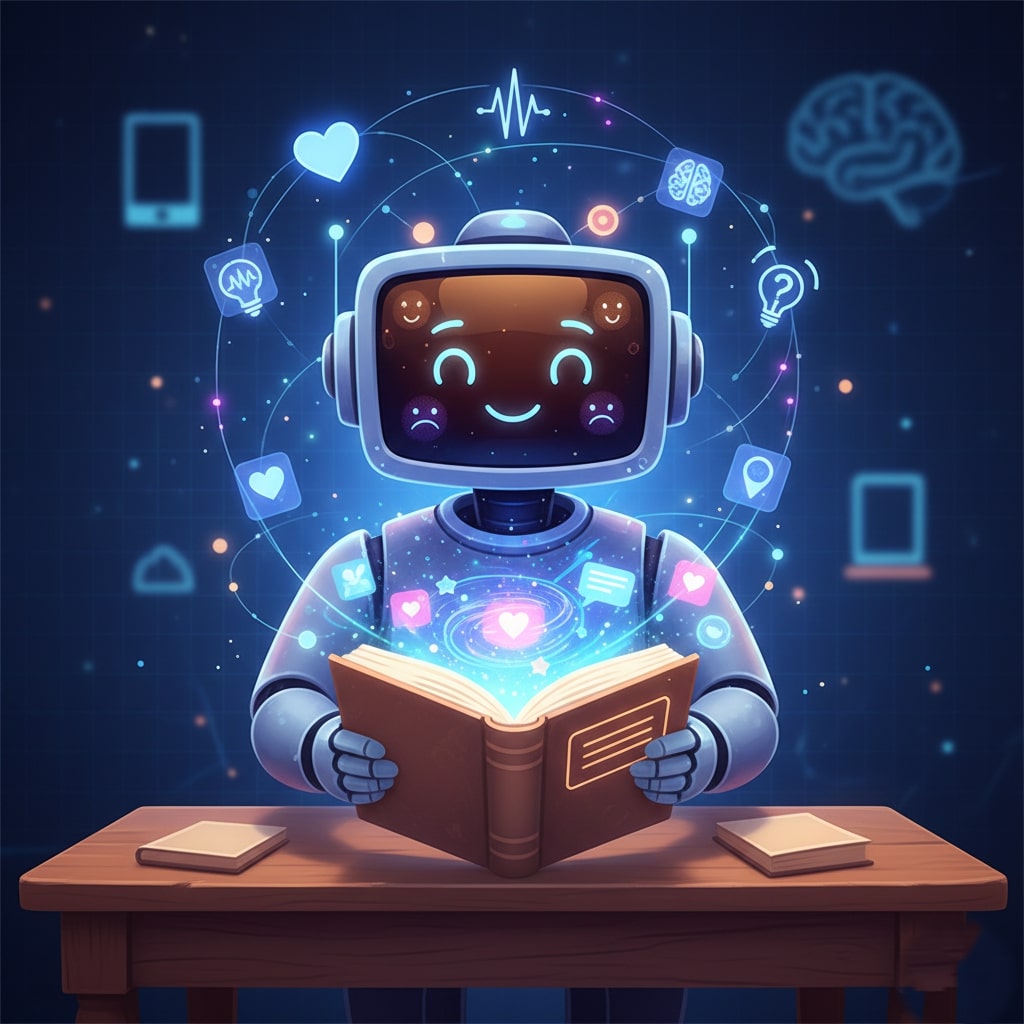
As AI evolves, emotional intelligence is becoming a crucial component of interactive storytelling. Emotion-aware chatbots can detect user sentiment through linguistic cues, message pacing, tone, and behavioral patterns. This allows the bot to respond with empathy, adjust the narrative flow, and create a more human-like experience. When users feel understood, they connect more deeply with the story and the brand behind it.
Emotionally intelligent chatbots can gauge whether a user is frustrated, confused, excited, or curious. For example, if a user expresses hesitation during a product exploration sequence, the chatbot can shift into a supportive, clarifying tone, offering reassurance or simpler options. In contrast, if the user shows high enthusiasm, the bot can introduce advanced story paths, premium offerings, or additional challenges that match their energy.
By embedding emotional intelligence into your narrative framework, you transform your chatbot from a transactional tool into a relatable guide. This approach strengthens trust, increases session duration, and elevates user satisfaction—ultimately improving your conversion metrics. Brands that prioritize emotional responsiveness in their storytelling will stand out in an era where consumers increasingly expect meaningful digital interactions.
Advanced Automation & CRM Integration for Seamless Storytelling

One of the biggest advantages of AI chatbot storytelling is its ability to integrate with CRM platforms, marketing automation systems, and internal databases. This level of connectivity allows your chatbot narratives to be more dynamic, context-aware, and conversion-driven.
Imagine a user who interacts with your chatbot after browsing your website. Using CRM data, the chatbot can tailor the story based on the user’s past purchases, email interactions, or support history. The narrative can even adapt in real time—for example, offering a personalized discount or accelerated story path for returning customers, or an educational, nurturing storyline for new leads.
Advanced automation also makes follow-ups seamless. After completing the story, leads can automatically enter a drip campaign, receive personalized emails, or be routed to a sales representative if they show high purchase intent. This synchronized ecosystem ensures that your storytelling doesn’t end when the chat session closes; it continues through every brand touchpoint.
By linking storytelling with deeper automation, businesses can create narratives that aren’t just engaging—they’re strategic, measurable, and revenue-focused. Your chatbot becomes a storyteller, a sales assistant, and a data engine all at once.
Security, Privacy, and Ethical Design in Interactive Chatbot Experiences
As interactive storytelling becomes more advanced and personalized, responsible data handling is more important than ever. Users may share sensitive information with chatbots—preferences, goals, frustrations, or even demographic details—so brands must prioritize transparency, consent, and ethical design.
A secure storytelling system begins with clear communication. Users should understand why data is being collected, how it will be used, and what value they receive in exchange. Offering choices—such as opting out of data tracking or limiting personalization—is essential for building user trust.
Ethical design also involves avoiding manipulative mechanics. Story paths should encourage informed decisions, not pressure tactics or emotionally exploitative prompts. The narrative should empower the user, not trap them in a loop of addictive interactions. It’s equally important to ensure that your bot does not reinforce harmful stereotypes or generate biased responses.
Privacy features like encrypted data storage, anonymized analytics, and compliance with regulations (such as GDPR and CCPA) ensure that your storytelling framework is both safe and scalable. By adopting ethical and secure practices, brands demonstrate responsibility and respect—qualities that users increasingly look for in digital experiences.
Integrating Multimedia & Dynamic Content
Modern chat platforms support rich media. Enhance your storytelling with:
- Images & GIFs: Visual cues help illustrate story scenes or product features in action.
- Embedded Video: Short clips can provide a dramatic effect or product walkthroughs within the narrative.
- Interactive Elements: Polls, sliders, and quick reply buttons keep the user engaged and guide choices seamlessly.
- Dynamic Data Insertion: Use user-provided data (e.g., name, company) to personalize the dialog and create a more immersive experience.
Step-by-Step Implementation Guide
Follow these key steps to launch your interactive chatbot story:
- Define Objectives: Set clear goals—brand awareness, lead generation, or e-commerce sales—and key metrics to track.
- Map User Journeys: Sketch out decision trees and narrative branches based on user personas and pain points.
- Select a Chatbot Platform: Choose a provider with robust NLP, analytics, and multimedia support (e.g., Dialogflow, ManyChat, MobileMonkey).
- Design Conversation Flows: Use flowchart tools to visualize interactions. Write concise, conversational copy that reflects your brand voice.
- Build & Test: Develop the chatbot, integrate APIs or CRM systems, and run internal user tests to identify friction points.
- Launch & Promote: Embed the chatbot on your website, social channels, or messaging apps. Announce via email, social media, and paid ads.
- Monitor & Optimize: Analyze user paths, drop-off points, and conversion rates. A/B test narrative variations and refine accordingly.
Measuring Success: Key Metrics & ROI
To quantify the impact of interactive storytelling, track metrics such as:
- Engagement Rate: Percentage of sessions that complete the chatbot storyline.
- Average Session Duration: Time users spend interacting with the bot.
- Lead Conversion Rate: Ratio of users who provide contact info or request a demo.
- Click-Through Rate (CTR): For in-story CTAs directing to landing pages or product pages.
- Cost per Lead (CPL): Total campaign spend divided by leads generated.
Use these insights to calculate ROI and justify further investment in chatbot storytelling initiatives.
Real-World Case Studies
E-Commerce Fashion Brand: Implemented a chatbot story where users helped style a virtual avatar. The interactive format led to a 45% increase in product page views and a 30% uplift in add-to-cart rate.
SaaS Provider: Launched a choose-your-own-adventure demo that let prospects explore features based on their industry. The campaign generated 3X more qualified leads compared to a standard demo form.
Financial Services Firm: Used a scenario-based chatbot to guide users through planning for retirement. Personalized recommendations boosted appointment bookings by 25%.
Future Trends in Chatbot Storytelling
As AI continues to advance, we anticipate several key developments:
- Emotion-Aware Chatbots: Bots that detect sentiment and adjust tone or story pacing in real time.
- Voice-Driven Interactive Narratives: Combining voice assistants with storytelling for hands-free, immersive experiences.
- Augmented Reality (AR) Integration: Overlaying chatbot narratives onto physical environments for interactive retail or event experiences.
- Hyper-Personalized Plotlines: Leveraging deep learning to tailor story arcs based on granular user profiles and historical data.
Conclusion
Interactive storytelling with AI chatbots represents the next frontier in content marketing. By merging narrative techniques with intelligent conversational design, brands can capture attention, build emotional connections, and guide users toward meaningful actions. As you plan your marketing initiatives, prioritize immersive chatbot experiences that reflect your audience’s needs and preferences. With thoughtful design, robust analytics, and continuous optimization, you’ll unlock new levels of engagement and conversion that set your brand apart in a crowded digital landscape.
Ready to start your chatbot storytelling journey? Begin mapping your narrative flow today, and watch your engagement metrics soar in beyond.
Frequently Asked Questions (FAQ)
What is interactive storytelling with AI chatbots?
Interactive storytelling with AI chatbots is a content strategy where brands combine narrative elements with conversational AI to create personalized, immersive experiences. Instead of passively reading content, users engage in a dynamic dialogue where their choices shape the direction of the story.
Why should businesses use AI chatbots for storytelling?
AI chatbots allow brands to scale personalization, increase engagement, and deliver tailored narratives in real time. They guide users through story-driven journeys that naturally lead to conversions, all while collecting valuable first-party data that helps marketers refine their messaging.
How do AI chatbots personalize the story for each user?
Chatbots analyze user inputs such as preferences, past interactions, browsing behavior, and demographic data to adjust tone, pacing, plotlines, and calls-to-action. Advanced systems even use sentiment analysis to respond empathetically and shift the narrative as needed.
What types of content work best for interactive storytelling?
Narratives that involve choices, scenarios, or problem-solving tend to work best. Industries like e-commerce, SaaS, finance, education, and entertainment benefit most by transforming complex products or decisions into guided story-based experiences.
Do I need coding skills to build a chatbot story?
Not necessarily. Many platforms like Dialogflow, ManyChat, and MobileMonkey offer no-code or low-code interfaces. Marketers can design flows visually, while advanced teams can integrate APIs or CRM systems for deeper personalization.
How can I measure the success of AI-driven storytelling?
Success is typically evaluated through engagement rate, session duration, lead conversion rate, click-through rate on story-based CTAs, and cost per lead. These metrics help quantify user interest and revenue impact, allowing marketers to calculate ROI and optimize future stories.
Is interactive storytelling suitable for all businesses?
Most businesses can benefit as long as they have a clear narrative angle and an audience that values guided, personalized experiences. It is especially effective for brands looking to increase engagement, simplify complex offerings, or differentiate themselves through memorable content.
What are the future trends in AI chatbot storytelling?
Upcoming innovations include emotion-aware bots that adapt based on user sentiment, voice-based interactive experiences, AR-integrated story journeys, and hyper-personalized plotlines created by deep learning models. These advancements will make chatbot narratives even more immersive and human-like.
How can I get started with interactive storytelling?
Begin by defining your objective, understanding your audience, and mapping a simple narrative flow. Start small, test user responses, analyze behavior, and refine your story. Over time, add personalization layers, multimedia elements, and branching paths to create a truly immersive experience.