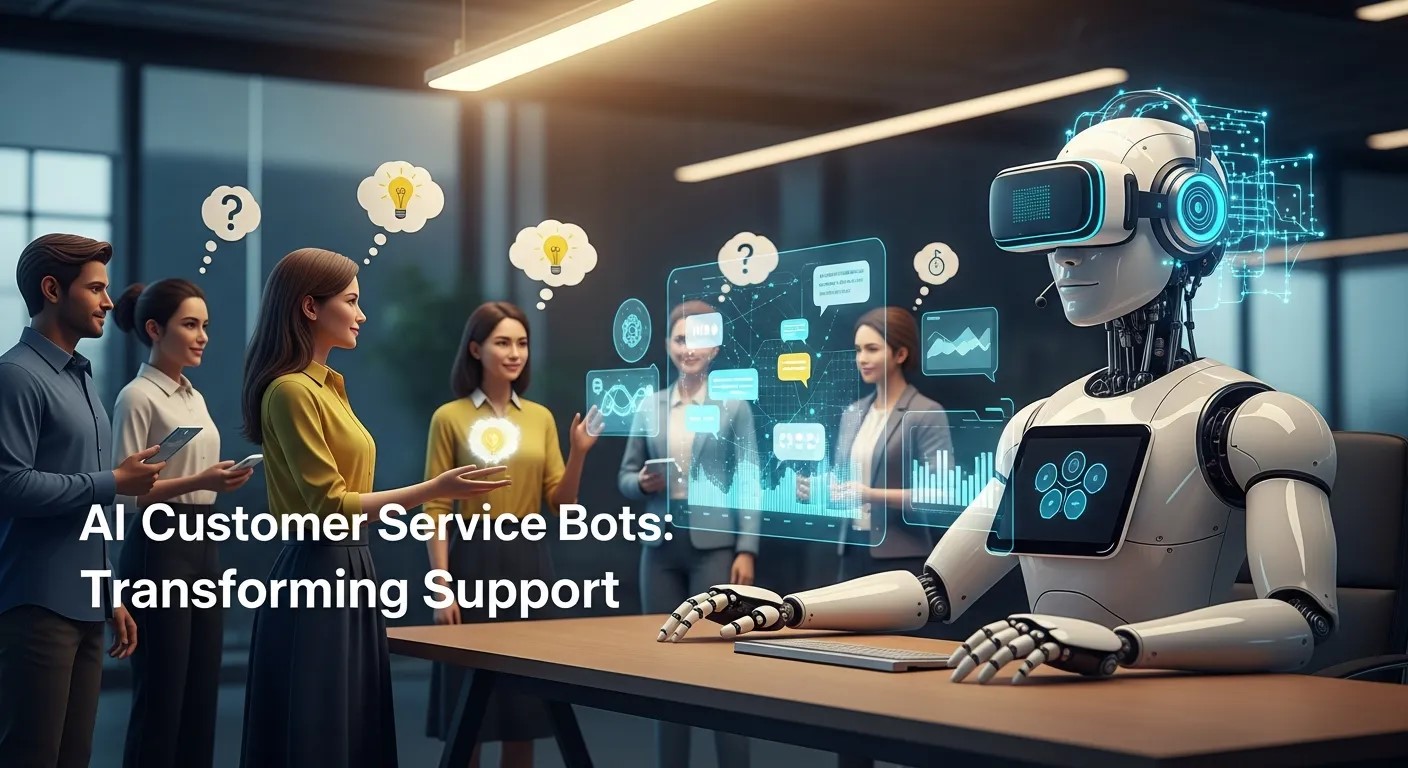
AI Customer Service Bots streamline support, improve response times, and enhance personalization. By integrating with intelligent marketing tools and AI interaction hubs, businesses deliver seamless, scalable, and proactive customer experiences that increase satisfaction, engagement, and operational efficiency across industries.
Understanding AI Customer Service Bots
In today’s fast-paced digital landscape, businesses are increasingly turning to AI Customer Service Bots to handle a growing volume of customer interactions. These bots are not just automated responders they represent a shift in how companies approach customer engagement, blending speed, personalization, and efficiency. By leveraging natural language processing and machine learning, AI customer service bots can understand queries, provide instant answers, and escalate complex issues to human agents seamlessly. This transformation is helping businesses improve customer satisfaction while reducing operational costs.
AI customer service bots are designed to work across multiple platforms, including websites, social media channels, and mobile applications. Unlike traditional automated systems, these bots can remember previous interactions, learn from new patterns, and provide contextually relevant solutions. Their adoption is no longer a futuristic concept but a necessity for companies aiming to remain competitive in a market where instant support is expected.
Key Features of AI Customer Service Bots
- 24/7 Availability – AI customer service bots operate around the clock, ensuring that customers receive assistance at any time, enhancing user experience.
- Multichannel Support – These bots can function across chat, email, voice, and messaging platforms, providing consistent service everywhere.
- Personalized Interactions – By analyzing user data and behavior, bots can offer personalized responses, making customers feel heard and valued.
- Scalable Support – Businesses can handle multiple customer requests simultaneously without increasing staff, ensuring scalability without compromising quality.
- Data Insights – AI bots collect valuable data on customer queries, preferences, and pain points, helping organizations refine their strategies.
The integration of AI Customer Service Bots is also influencing customer expectations. Users now anticipate quick, accurate, and personalized responses. Companies that fail to implement intelligent automation risk lagging behind competitors who leverage these bots to deliver superior service experiences.
The Psychological Impact of AI Customer Service Bots

Understanding human psychology is essential when designing AI customer service solutions. Customers respond better to bots that feel conversational and empathetic, rather than robotic and scripted. By mimicking natural dialogue, AI bots can reduce frustration and foster positive emotional experiences.
Additionally, AI customer service bots are designed to minimize cognitive load on users. Quick, intuitive responses reduce decision fatigue, helping customers find solutions without unnecessary effort. Businesses that harness these insights create a seamless support journey, encouraging loyalty and repeat engagement.
Applications Across Industries
AI customer service bots are transforming industries in unique ways. For example, in retail, bots can provide personalized product recommendations, track orders, and assist with returns. In finance, they help users navigate account information, perform transactions, and address security concerns. Healthcare applications include appointment scheduling, symptom triage, and patient follow-ups.
One growing trend in digital marketing is leveraging Affiliate Chatbot Marketing. Brands use AI bots to automate affiliate promotions, provide instant guidance to potential partners, and optimize the affiliate onboarding process. By doing this, companies enhance conversion rates and build stronger partner networks without overloading human teams.
How Intelligent Marketing Assistants Enhance Support
Modern Intelligent Marketing Assistants integrate seamlessly with AI customer service bots, creating a unified support and marketing ecosystem. These assistants analyze user behavior, track campaign performance, and suggest personalized interactions. For instance, an intelligent assistant can detect when a customer shows interest in a product and prompt the AI bot to provide additional details, improving engagement organically.
The combination of intelligent marketing tools with AI customer service bots allows companies to automate repetitive tasks while maintaining a human-like touch. Businesses can manage campaigns, respond to inquiries, and guide users through complex processes with efficiency and accuracy.
Event and Webinar Bots: Real-Time Customer Support
A notable application of AI in live events is Event and Webinar Bots. These bots handle registration, provide reminders, and answer attendee queries in real-time. By automating event-related communication, companies can reduce logistical challenges and enhance the participant experience.
For instance, during a live webinar, an AI bot can instantly respond to common questions, share session links, and even provide post-event materials. This immediate support fosters engagement and demonstrates a brand’s commitment to delivering value at every stage of interaction.
Building AI Interaction Hubs
Businesses are increasingly creating AI Interaction Hubs, centralized platforms where AI bots manage customer engagement across multiple touchpoints. These hubs allow brands to streamline operations, maintain data consistency, and provide cohesive experiences.
An AI interaction hub can integrate website chats, social media messages, mobile app inquiries, and email support into one dashboard. This centralization ensures that customers receive coherent responses regardless of the platform, while analytics collected from the hub guide future strategy and optimization.
The Future of AI Customer Service Bots
The evolution of AI customer service bots is closely tied to advancements in machine learning, natural language understanding, and predictive analytics. Future bots are expected to become even more intuitive, capable of recognizing emotions, anticipating needs, and offering proactive solutions.
Businesses that invest in these technologies now will gain a competitive edge, as customer expectations continue to rise. Integrating AI bots with intelligent marketing assistants, event support, and AI interaction hubs will define the next generation of customer engagement.
Implementing AI Customer Service Bots in Your Organization
Deploying AI Customer Service Bots effectively requires careful planning, strategic integration, and continuous optimization. Organizations must first identify high-volume tasks that can be automated without sacrificing customer satisfaction. Common examples include answering frequently asked questions, tracking orders, processing returns, and providing basic troubleshooting guidance.
A phased rollout is often recommended. Initially, businesses can deploy bots in low-stakes areas such as website chat or social media messaging. Once the system proves effective, it can expand to more complex workflows, integrating with CRM platforms, helpdesk software, and e-commerce systems.
Key Steps for Implementation
- Assess Customer Needs – Understanding which interactions are most common allows you to design bots that provide immediate value.
- Select the Right Technology – Choosing platforms with advanced natural language processing, analytics, and integration capabilities ensures long-term scalability.
- Train the Bot – Feeding historical customer data into the AI engine improves response accuracy and relevance.
- Integrate with Existing Systems – Linking bots with CRMs, marketing tools, and ticketing systems creates a seamless support ecosystem.
- Monitor and Optimize – Continuous performance tracking helps identify gaps, improve conversational flow, and enhance customer satisfaction.
Organizations that approach AI bot implementation strategically can achieve significant efficiency gains while elevating the customer experience.
Technology Behind AI Customer Service Bots
The effectiveness of AI Customer Service Bots relies on several key technologies:
- Natural Language Processing (NLP) – Enables bots to interpret human language, detect intent, and respond contextually.
- Machine Learning (ML) – Allows bots to learn from past interactions, improving accuracy over time.
- Knowledge Bases – Structured repositories of information ensure consistent and correct responses.
- Omnichannel Integration – Supports interactions across multiple platforms without fragmenting data or user experience.
A growing trend is the use of AI Interaction Hubs as the backbone of bot operations. These hubs centralize all customer touchpoints and provide actionable analytics. Companies can monitor sentiment trends, peak usage times, and recurring issues, enabling data-driven decisions to enhance support strategies.
Case Studies: Real-World Applications
E-Commerce
Retail companies have embraced AI Customer Service Bots to handle large volumes of inquiries during peak shopping seasons. Bots can recommend products based on browsing history, notify customers of shipping updates, and guide them through the checkout process. Integrating with Intelligent Marketing Assistants, these bots can also identify cross-selling opportunities, subtly increasing revenue without manual intervention.
Finance
Banks and fintech companies utilize bots for account management, balance inquiries, fraud alerts, and transaction verification. Customers benefit from instant access to information, while financial institutions reduce call center workloads. This integration is especially impactful when combined with Affiliate Chatbot Marketing, where bots can assist in partner onboarding, tracking referrals, and guiding affiliates through promotional campaigns.
Events and Webinars
Organizations hosting webinars and live events increasingly use Event and Webinar Bots. These bots handle attendee registration, answer real-time questions during sessions, and send follow-up materials post-event. This automation not only improves efficiency but also enhances participant engagement, leaving attendees with a seamless experience.
Designing Conversational Experiences
For AI customer service bots to be effective, businesses must focus on creating natural, human-like interactions. Research in human psychology shows that conversational style, tone, and responsiveness significantly influence user satisfaction.
Key design principles include:
- Clear Guidance – Bots should provide clear instructions and options to guide users effectively.
- Context Awareness – Remembering previous interactions improves relevance and reduces redundancy.
- Empathy Simulation – Responses that acknowledge user emotions increase trust and engagement.
- Fallback Mechanisms – When the bot cannot resolve an issue, smooth escalation to human agents is essential.
By integrating these principles, companies can deliver support that feels personal, even though it is automated.
Optimizing Performance of AI Customer Service Bots
Optimization is an ongoing process. AI Customer Service Bots need continuous monitoring and updates to stay effective. Common optimization strategies include:
- Analyzing Interaction Logs – Identify recurring questions, drop-off points, and misunderstood queries.
- Updating Knowledge Bases – Keep the content fresh and aligned with changing product or service information.
- Testing Conversational Flows – Experiment with different phrasing, prompts, and response sequences to maximize user engagement.
- Monitoring Metrics – Track response time, resolution rate, and customer satisfaction scores to evaluate performance.
The integration of Intelligent Marketing Assistants allows businesses to adjust campaigns and messaging in real-time based on bot interactions, creating a synergistic effect between marketing and support.
Enhancing Customer Engagement with AI Bots
Beyond support, AI bots play a crucial role in driving customer engagement. By analyzing user behavior, bots can provide personalized recommendations, promotions, and educational content. For example, an AI bot on an e-commerce platform may suggest complementary products based on a customer’s purchase history, seamlessly blending support and marketing.
The combination of AI-powered automation and human-centric design ensures that interactions are efficient yet empathetic. By leveraging AI Interaction Hubs, businesses gain a holistic view of customer engagement across all touchpoints, allowing for smarter decision-making and more meaningful interactions.
Advanced Features of AI Customer Service Bots
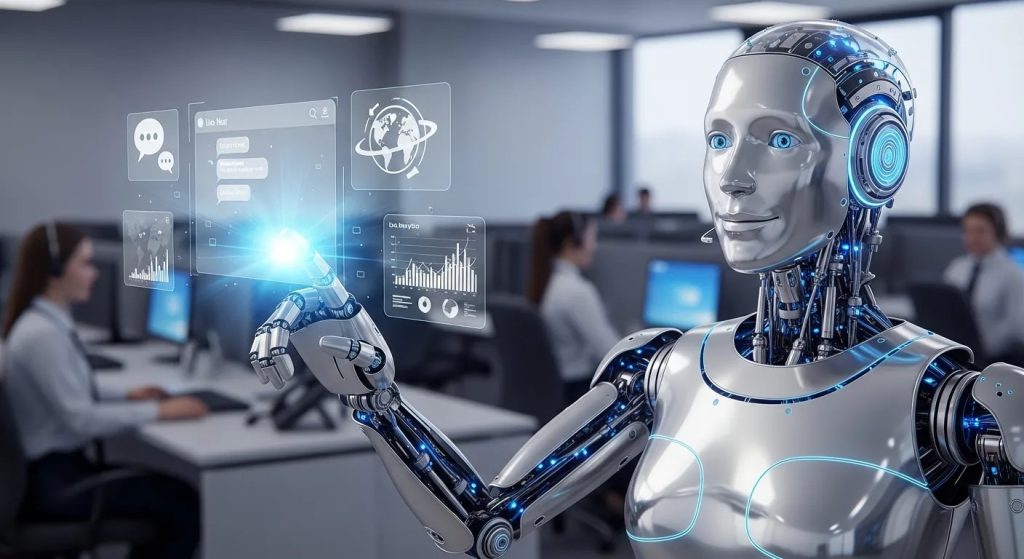
Modern AI Customer Service Bots have evolved far beyond simple question-and-answer systems. They now leverage sophisticated technologies to provide predictive, personalized, and proactive support. Key advanced features include:
- Predictive Analytics – By analyzing historical data and user behavior, bots can anticipate customer needs, suggest solutions before a query arises, and improve response efficiency.
- Sentiment Analysis – AI can detect the emotional tone of a customer’s message, enabling more empathetic responses or alerting human agents for high-priority issues.
- Contextual Recommendations – Bots can dynamically adapt responses based on prior interactions, purchase history, and browsing behavior.
- Proactive Engagement – Bots can initiate conversations, send reminders, or provide notifications about services, upgrades, or promotions.
For example, an e-commerce platform could use predictive analytics to notify a customer that their preferred product is back in stock, while a service bot could proactively guide a user through a software update, reducing frustration and support tickets.
Personalization and Customer Experience
Personalization is one of the most impactful benefits of AI Customer Service Bots. By tailoring interactions to individual users, companies can foster loyalty and enhance satisfaction. Personalization strategies include:
- Dynamic Messaging – Adjusting language and tone based on user profile and interaction history.
- Behavior-Driven Prompts – Suggesting products, services, or content based on browsing patterns.
- Custom Workflows – Offering step-by-step guidance based on specific user needs or preferences.
When integrated with Intelligent Marketing Assistants, bots can deliver targeted recommendations, cross-sell opportunities, and even alert customers to special events, all while maintaining seamless support. The result is a more engaging and meaningful customer journey.
AI Bots in Marketing Automation
Beyond direct support, AI bots are transforming marketing operations. Businesses are now combining AI Customer Service Bots with marketing automation to drive growth efficiently. Some use cases include:
- Affiliate Chatbot Marketing – Bots can onboard affiliates, provide marketing resources, track performance, and answer partner inquiries without manual intervention.
- Lead Qualification – Bots interact with website visitors, ask qualifying questions, and route leads to the appropriate sales team.
- Campaign Optimization – Using engagement data, bots can adjust messaging or timing to maximize conversion.
This seamless integration of support and marketing not only saves time but also provides insights into customer behavior, allowing organizations to refine campaigns and improve ROI.
ROI and Performance Measurement
Investing in AI Customer Service Bots requires careful measurement of their impact. Key performance indicators (KPIs) include:
- Response Time Reduction – Faster resolutions reduce wait times and improve satisfaction.
- Ticket Deflection Rate – The percentage of inquiries handled without human intervention.
- Customer Satisfaction Scores (CSAT) – Surveys and feedback to gauge the quality of automated interactions.
- Conversion Metrics – In marketing-integrated bots, tracking sales, subscriptions, or affiliate performance.
By continuously monitoring these metrics, companies can ensure their bots are delivering tangible value and adjust strategies accordingly. Analytics collected from AI Interaction Hubs provide centralized insights, enabling data-driven decisions across support, marketing, and sales.
Security and Compliance Considerations
As AI Customer Service Bots handle sensitive customer data, security and compliance are paramount. Organizations must ensure:
- Data Encryption – All interactions should be encrypted in transit and at rest.
- Privacy Compliance – Bots must adhere to GDPR, CCPA, and other regional privacy regulations.
- Access Control – Sensitive information should only be accessible by authorized personnel or systems.
- Audit Logs – Maintaining records of bot interactions helps track issues and ensure accountability.
Prioritizing these measures builds trust with customers and reduces risks associated with automated support.
Scaling AI Bots for Enterprise Use
For large organizations, scalability is critical. AI Customer Service Bots can be deployed across multiple departments, brands, or geographies while maintaining consistent quality. Strategies for scaling include:
- Multi-Language Support – Bots can handle inquiries in multiple languages, catering to global audiences.
- Modular Workflows – Breaking down bot functions into modules allows easy updates and expansion.
- Cloud-Based Deployment – Ensures reliability, accessibility, and flexibility for peak loads.
- Centralized Analytics – Using AI Interaction Hubs, organizations can monitor performance across all locations and teams.
Scalable solutions allow businesses to expand AI support without a proportional increase in staffing, keeping operations efficient and cost-effective.
Future Trends in AI Customer Support
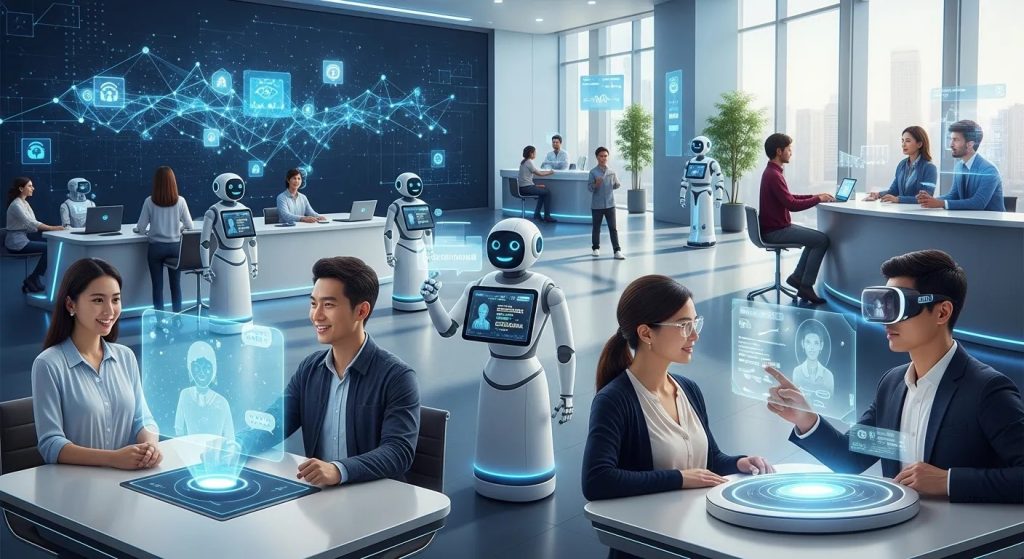
The evolution of AI Customer Service Bots continues to accelerate. Key trends shaping the future include:
- Voice-Activated Assistance – Integration with voice assistants enables hands-free support for customers.
- Emotionally Intelligent Bots – Bots capable of detecting nuanced emotions and adapting tone accordingly.
- Predictive Customer Journeys – Bots anticipate future needs and guide users proactively through complex processes.
- Hybrid AI-Human Models – Seamless handoffs between bots and human agents create a truly unified support experience.
As these innovations mature, AI bots will move from reactive responders to proactive guides, transforming how companies engage with their customers and drive growth.
Conclusion
The rise of AI Customer Service Bots is transforming the way businesses engage with customers. These intelligent systems provide instant responses, personalized interactions, and 24/7 availability, reducing operational costs while improving satisfaction. When combined with intelligent marketing assistants, affiliate chatbot marketing, event and webinar bots, and AI interaction hubs, companies can create unified, data-driven support ecosystems. As technology evolves, AI bots will become even more proactive, context-aware, and emotionally intelligent, enabling brands to anticipate needs and foster loyalty. Organizations embracing these innovations today gain a competitive edge and set new standards in customer experience and support efficiency.
Frequently Asked Questions (FAQ)
What are AI Customer Service Bots?
AI Customer Service Bots are automated systems that handle customer queries using AI, natural language processing, and machine learning to provide instant, accurate responses.
How do AI Customer Service Bots improve support?
They reduce response times, provide 24/7 assistance, personalize interactions, and free human agents for complex issues.
What industries benefit most from AI bots?
Retail, finance, healthcare, e-commerce, and event management see significant improvements in efficiency and engagement.
Can AI Customer Service Bots integrate with marketing tools?
Yes, integrating with intelligent marketing assistants enhances personalization, cross-selling, and affiliate chatbot marketing efforts.
What are AI Interaction Hubs?
Centralized platforms where AI bots manage multichannel customer interactions while collecting data for analytics and optimization.
Are AI bots secure for sensitive data?
Yes, with encryption, privacy compliance, access controls, and audit logs, AI bots can safely handle sensitive customer information.
Do AI bots replace human agents?
No, they handle repetitive tasks and FAQs, allowing human agents to focus on complex or high-value issues.
How do Event and Webinar Bots work?
They manage registrations, send reminders, answer attendee queries, and provide post-event follow-ups to improve engagement.
Can AI bots predict customer needs?
Yes, predictive analytics allow bots to anticipate queries, recommend solutions, and deliver proactive support.
How do AI Customer Service Bots affect ROI?
They reduce operational costs, increase efficiency, improve satisfaction, and can boost conversions through integrated marketing strategies.
Are AI bots scalable?
Yes, modular workflows, multilingual support, and cloud deployment make AI bots scalable for enterprises of any size.
What’s the future of AI Customer Service Bots?
Bots are evolving to be emotionally intelligent, voice-enabled, proactive, and seamlessly integrated with hybrid human-AI support models.