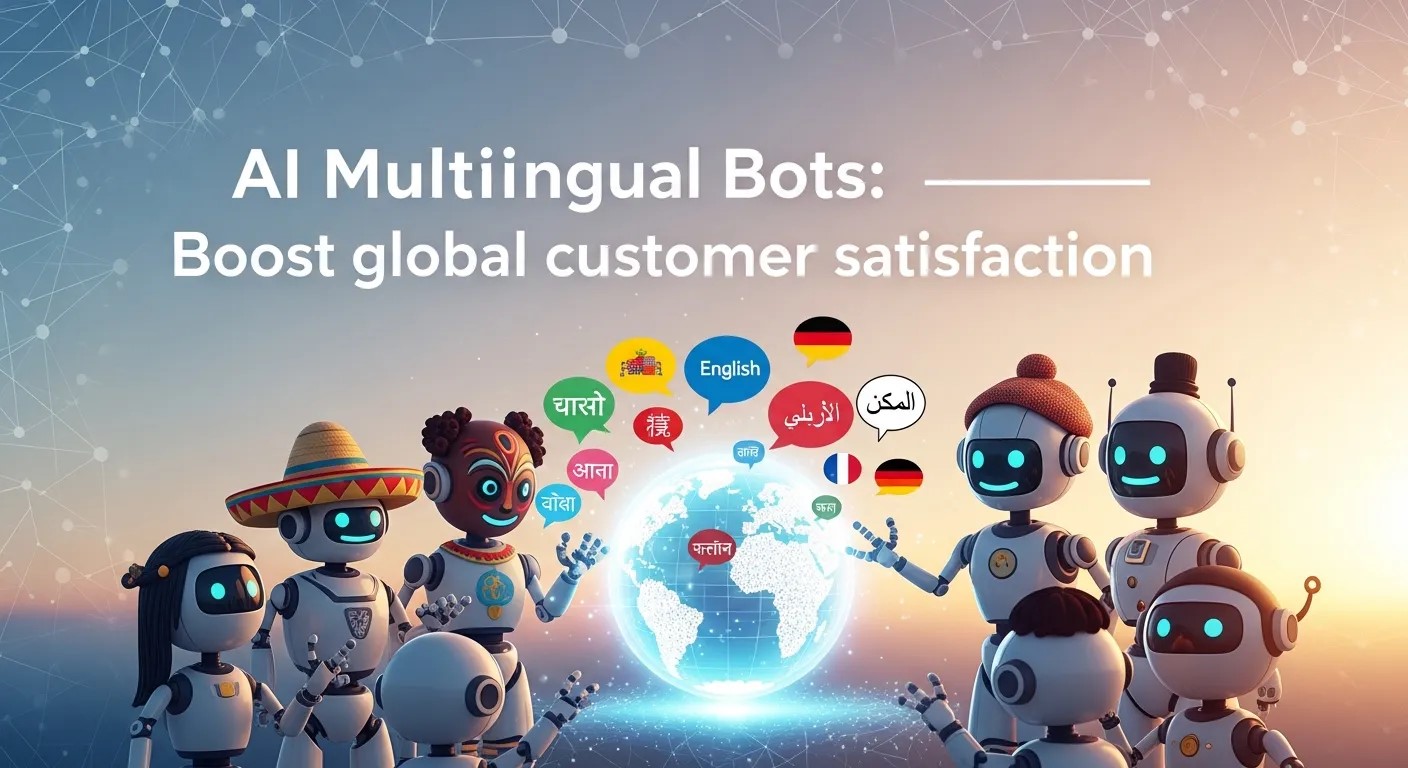
AI Multilingual Bots empower global businesses with seamless, personalized customer interactions. By integrating with AI sales tools, e-commerce platforms, and immersive AR experiences, they enhance engagement, streamline operations, and drive growth across diverse languages and markets.
A Gateway to Global Customer Engagement
In today’s interconnected world, businesses are increasingly expanding beyond borders, targeting diverse markets with varying languages and cultural nuances. One of the most transformative tools enabling this expansion is AI Multilingual Bots. These intelligent systems can interact with customers in multiple languages, ensuring that communication is seamless, personalized, and culturally relevant. Unlike traditional customer service solutions that rely on human agents for each language, AI multilingual technology allows businesses to scale globally without compromising quality.
The rise of AI-powered communication has coincided with growing consumer expectations. Modern shoppers not only want prompt responses but also desire conversations in their native language. This is where AI Chatbots in E-commerce have proven invaluable. By incorporating multilingual capabilities, these bots are not just responding they are understanding intent, sentiment, and context across different languages, making interactions more human-like and effective.
The Psychology Behind Multilingual Customer Support

Human psychology plays a crucial role in customer engagement. When a consumer interacts with a brand in their preferred language, it triggers a sense of trust, familiarity, and respect. This, in turn, reduces friction in the purchasing journey. E-commerce Chatbots equipped with multilingual capabilities leverage this psychological principle, allowing brands to build deeper relationships with customers across the globe.
Moreover, multilingual bots cater to the cognitive ease of users. Switching between languages or navigating a website in an unfamiliar language increases cognitive load and can lead to frustration or abandonment. By using AI Multilingual Bots, businesses remove this barrier, providing a frictionless experience that aligns with how customers naturally prefer to communicate.
How AI Multilingual Bots Transform Global Business Operations
From a business perspective, the deployment of AI multilingual systems significantly enhances operational efficiency. Traditional customer support teams require extensive hiring, training, and management to cover multiple languages. With AI solutions, companies can automate these processes while maintaining high-quality, consistent responses. This shift is especially crucial for high-volume e-commerce operations, where immediate answers can directly influence conversion rates.
Consider AI-Powered Sales Bots in a global e-commerce platform. These bots are capable of understanding regional dialects, product preferences, and local customs. When a customer in France inquires about a product available in Germany, the bot can seamlessly provide accurate information in French, suggest similar items, and even guide them through the checkout process. This level of precision enhances the customer experience and drives sales.
Integration with Modern Digital Platforms
AI multilingual bots are not standalone tools; they thrive when integrated with other emerging technologies. For instance, combining them with AR Retail solutions can create interactive, localized shopping experiences. Imagine a customer browsing a virtual store where products are labeled in their language, recommendations are tailored to cultural preferences, and a multilingual bot provides live guidance. This integration elevates the e-commerce experience from transactional to immersive.
Similarly, Web AR Experiences can be enhanced by AI bots. A customer exploring a 3D visualization of a product online can interact with a bot that answers queries in their preferred language. This combination of immersive technology and AI-driven multilingual communication ensures that global consumers feel both informed and engaged, bridging the gap between digital interaction and real-world experience.
Key Functionalities of AI Multilingual Bots
The capabilities of AI multilingual bots go beyond simple translation. Modern systems leverage natural language processing (NLP), machine learning, and sentiment analysis to understand context and nuance. Here are some of the core functionalities:
- Real-Time Multilingual Conversations: Bots can instantly detect the language of the user and switch seamlessly, ensuring that the conversation flows naturally.
- Context-Aware Responses: Beyond literal translation, AI considers context, idioms, and cultural references to maintain clarity and relatability.
- Personalized Recommendations: By analyzing past interactions and purchase history, bots suggest products or services tailored to each individual.
- 24/7 Availability: Multilingual bots operate around the clock, providing consistent support across time zones without the need for multiple human agents.
- Integration with E-commerce Platforms: Direct integration with inventory, payment systems, and order tracking enhances the efficiency of sales and support.
Real-World Applications Across Industries
While e-commerce remains a dominant application, AI multilingual bots are increasingly being adopted across diverse sectors:
- Travel and Hospitality: Global travelers receive instant assistance in their language, from booking confirmations to local recommendations.
- Healthcare: Patients can communicate symptoms, schedule appointments, and receive guidance without language barriers.
- Education: Online learning platforms provide multilingual support for students, enhancing accessibility and engagement.
- Finance: Banks and fintech platforms use multilingual bots to guide users through transactions, troubleshooting, and financial advice.
The versatility of these bots ensures that companies can maintain a consistent brand voice, no matter the region or language.
Benefits for E-commerce Businesses
For online retailers, multilingual bots are game-changers. They directly influence customer satisfaction, conversion rates, and retention. Some key benefits include:
- Increased Global Reach: Businesses can tap into new markets without the prohibitive cost of hiring multilingual staff.
- Improved Customer Loyalty: Personalized, accessible communication fosters trust and encourages repeat purchases.
- Operational Efficiency: Automation reduces dependency on human agents while maintaining quality.
- Data Insights: AI bots collect multilingual interaction data, enabling businesses to understand regional trends, preferences, and pain points.
An e-commerce platform using AI Sales Bots can analyze queries from different regions, identify popular products, and optimize marketing campaigns for maximum impact.
Implementation Best Practices
Deploying AI multilingual bots requires careful planning to ensure effectiveness:
- Language Selection: Identify the most critical languages based on your target markets and customer demographics.
- Cultural Adaptation: Go beyond translation—adapt content to local customs, idioms, and consumer behavior.
- Continuous Learning: Use machine learning algorithms to continuously improve responses based on interaction data.
- Seamless Integration: Ensure the bot is connected to your CRM, inventory system, and other customer touchpoints for accurate support.
- Testing and Feedback: Regularly test the bot’s performance in each language and collect user feedback to enhance performance.
Businesses that follow these best practices see a higher return on investment, improved engagement, and a more loyal global customer base.
Driving Personalized Experiences with AI Multilingual Bots

One of the most compelling advantages of AI Multilingual Bots is their ability to deliver highly personalized experiences for customers across different regions. Unlike generic customer service tools, these bots analyze individual preferences, purchase histories, and browsing behaviors to provide relevant recommendations. In the context of global e-commerce, personalization is no longer optional it’s expected. Customers increasingly prefer brands that speak their language and understand their unique needs, and AI Multilingual Bots are designed precisely to meet this expectation.
By integrating AI-Powered Sales Bots, businesses can tailor product suggestions and promotional offers based on both demographic insights and real-time interactions. For instance, a shopper in Japan may receive recommendations for items trending locally, whereas a user in Spain sees options influenced by regional seasonality and preferences. This level of precision ensures that communication feels natural, reducing the chance of misinterpretation or disengagement.
AI Multilingual Bots in E-commerce Platforms
Modern e-commerce platforms leverage AI Chatbots in E-commerce to enhance both pre-purchase and post-purchase experiences. These chatbots are embedded throughout the customer journey:
- Pre-Purchase Support: Answering questions about product details, stock availability, and delivery timelines in the customer’s native language.
- Purchase Assistance: Guiding users through payment processes, shipping options, and upsell recommendations seamlessly.
- Post-Purchase Engagement: Handling inquiries about returns, warranties, or product usage without any language barrier.
For brands operating internationally, E-commerce Chatbots powered by multilingual AI reduce friction, improve satisfaction, and increase the likelihood of repeat purchases.
AI Multilingual Bots Enhancing Global Retail
Consider a multinational online fashion retailer expanding into multiple continents. Prior to adopting AI Multilingual Bots, the company relied on localized human support teams. However, response times varied, and cultural nuances were often overlooked. After implementing multilingual AI chat solutions, the retailer noticed:
- Faster Response Times: Average response dropped from several hours to seconds.
- Consistent Brand Messaging: Customers received uniform guidance and tone across languages.
- Higher Conversion Rates: Multilingual bots helped guide users to relevant products, increasing cart completion rates by over 20%.
- Actionable Insights: Interaction data provided trends on regional product popularity and common pain points.
This example underscores how AI Multilingual Bots are not just customer service tools they are strategic assets for scaling global operations efficiently.
Leveraging AR and Web AR Experiences
The convergence of AI Multilingual Bots with AR Retail and Web AR Experiences is reshaping digital commerce. Imagine a consumer browsing a 3D model of furniture online. Through a multilingual bot integrated into the experience, the shopper can ask questions about dimensions, material, and assembly instructions in their preferred language. The bot interprets these queries and delivers accurate responses instantly, creating a seamless bridge between immersive technology and multilingual communication.
Similarly, Web AR Experiences allow businesses to localize interactive product demonstrations. Multilingual bots embedded in these experiences ensure that language barriers do not hinder exploration or understanding. This combination significantly boosts engagement, builds trust, and drives higher purchase intent across international markets.
Enhancing Customer Retention and Loyalty
Customer retention is strongly linked to perceived value and convenience. When shoppers feel understood and supported, loyalty naturally increases. AI Multilingual Bots contribute to this by providing:
- Proactive Engagement: Bots can initiate follow-ups, suggest complementary products, or provide reminders in the user’s language.
- Problem Resolution: Quick, accurate assistance for returns, shipping inquiries, or technical issues reduces frustration.
- Behavioral Insights: AI monitors interaction patterns, helping businesses anticipate needs and tailor future communications.
For instance, a consumer receiving proactive guidance on product care or timely alerts about new arrivals in their native language is more likely to return to the platform, leading to a measurable increase in lifetime value.
Technical Foundations Behind AI Multilingual Bots
The sophistication of AI Multilingual Bots is grounded in several advanced technologies:
- Natural Language Processing (NLP): Enables understanding of syntax, semantics, and context in multiple languages.
- Machine Learning Models: Continuously improve accuracy and adapt responses based on user interactions.
- Sentiment Analysis: Detects emotional tone, allowing bots to adjust responses empathetically.
- Multichannel Integration: Bots function seamlessly across websites, mobile apps, social media, and AR interfaces.
When combined, these technologies empower AI Multilingual Bots to deliver interactions that feel genuinely conversational, while providing businesses with scalable, actionable insights.
Strategies for Maximizing Impact
Deploying AI Multilingual Bots effectively requires more than just technical implementation. Businesses should focus on strategic factors:
- Content Localization vs. Translation: Ensure messages are culturally relevant, not just literally translated.
- Data-Driven Training: Use historical interaction data to fine-tune bot responses for each region.
- Continuous Feedback Loops: Encourage users to provide feedback to improve AI performance.
- Integration with Sales Funnels: Connect multilingual bots with marketing automation, CRM, and inventory systems to streamline the customer journey.
By following these strategies, companies can enhance the efficiency of AI Sales Bots, ensuring that every customer interaction regardless of language adds value to the brand experience.
AI Multilingual Bots in Action: Beyond Customer Service
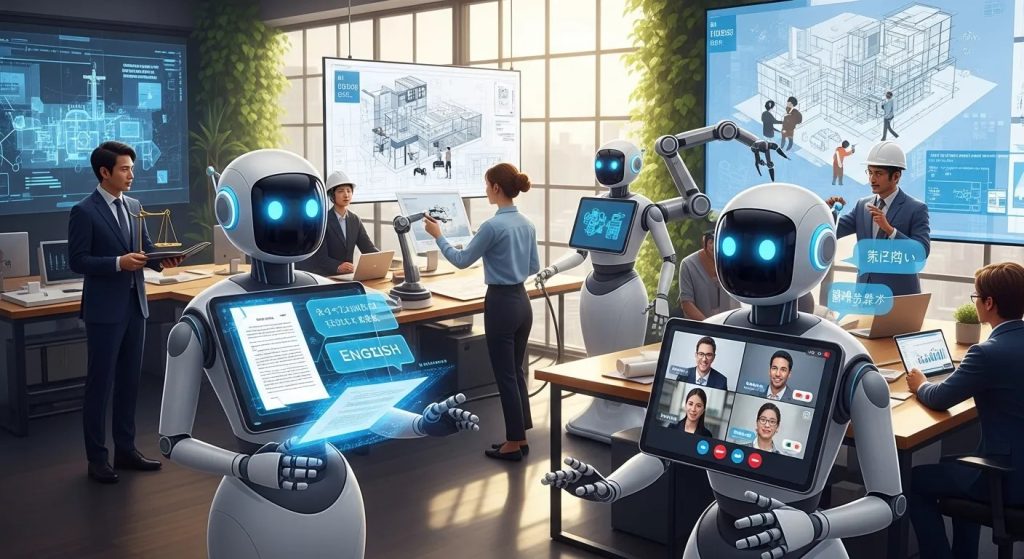
While most people associate multilingual bots with support, their utility extends into proactive sales and marketing. For example:
- Upselling and Cross-Selling: AI identifies patterns in user behavior and recommends additional products during conversations.
- Localized Promotions: Bots can deliver offers tailored to regional holidays, events, or trends.
- Interactive Campaigns: Combined with Web AR Experiences, bots can engage users in gamified promotions or immersive demos, all in their preferred language.
The ability to provide dynamic, personalized engagement in multiple languages creates a significant competitive advantage in global markets.
Comparing Traditional Support vs. AI Multilingual Bots
| Feature | Traditional Support | AI Multilingual Bots |
|---|---|---|
| Language Coverage | Limited to agent fluency | Unlimited with NLP & ML |
| Response Time | Hours to days | Seconds |
| Personalization | Manual, inconsistent | Automated, scalable |
| Integration with Digital Channels | Partial | Seamless (web, app, AR) |
| Insights & Analytics | Basic reporting | Real-time, actionable data |
This comparison highlights why AI Multilingual Bots are increasingly indispensable for modern businesses looking to maintain a global presence while keeping costs efficient.
Expanding Global Reach with AI Multilingual Bots
For businesses aiming to enter new international markets, AI Multilingual Bots offer a cost-effective and scalable solution. They allow companies to communicate with customers in their native languages without the need for extensive human support teams. Integrating these bots ensures that users from diverse regions feel understood and valued, which strengthens brand reputation. Platforms employing AI-Powered Sales Bots can analyze regional buying behaviors, helping tailor promotions and product recommendations that resonate with local audiences. In doing so, global customer satisfaction rises, and companies can achieve faster market penetration.
Enhancing Interactive E-commerce Experiences
The synergy between AI Multilingual Bots and immersive technologies like AR Retail and Web AR Experiences creates next-level engagement for online shoppers. For instance, a consumer exploring a virtual store can interact with a multilingual bot that answers product questions, provides personalized suggestions, and guides them through virtual try-ons all in their preferred language. Similarly, AI Chatbots in E-commerce ensure that even complex queries are addressed promptly, making the shopping journey smooth and enjoyable. This integration not only boosts conversion rates but also encourages repeat visits and loyalty.
Future Trends and Scalability
As AI technology evolves, AI Multilingual Bots will become increasingly intelligent, capable of detecting subtle nuances in language, regional slang, and even cultural preferences. Businesses that adopt these bots early will gain a competitive edge, leveraging data-driven insights to optimize marketing campaigns and personalize user experiences further. The combination of E-commerce Chatbots and multilingual capabilities ensures operational efficiency while maintaining a human-like touch in global interactions. Ultimately, the scalable nature of these bots allows companies to support growth without proportional increases in cost, paving the way for truly international customer engagement.
Conclusion
AI Multilingual Bots are revolutionizing global customer engagement by enabling businesses to communicate seamlessly across multiple languages. These intelligent systems enhance customer satisfaction, streamline operations, and drive sales by delivering fast, context-aware, and personalized interactions. When integrated with AI-Powered Sales Bots, AR Retail, and Web AR Experiences, they create immersive and culturally relevant shopping journeys that resonate with users worldwide. E-commerce platforms leveraging AI Chatbots in E-commerce or E-commerce Chatbots can efficiently scale support, maintain consistency, and gather valuable insights from interactions. By adopting AI multilingual solutions, businesses can expand into new markets confidently, foster loyalty, and gain a sustainable competitive advantage in today’s increasingly global digital economy.
Frequently Asked Questions (FAQ)
What are AI Multilingual Bots?
AI Multilingual Bots are intelligent chat systems that communicate with customers in multiple languages, offering support, product guidance, and personalized recommendations across global markets.
How do AI Multilingual Bots benefit e-commerce?
They improve customer satisfaction, reduce response time, increase conversions, and support global expansion by providing seamless multilingual interactions.
Can AI Multilingual Bots integrate with AR experiences?
Yes, they can be embedded in AR Retail and Web AR Experiences to provide interactive guidance, enhancing immersive shopping journeys.
Are AI Multilingual Bots scalable for large businesses?
Absolutely. These bots can handle thousands of interactions simultaneously, adapting to multiple languages without requiring proportional increases in human staff.
How do AI-Powered Sales Bots complement multilingual bots?
They analyze user behavior and preferences to offer personalized recommendations, upsells, and promotions, enhancing the customer experience alongside multilingual support.