AI-NLP Chatbot Translation enables seamless multilingual communication across industries, enhancing customer support, sales, and enterprise collaboration. By integrating advanced NLP, contextual understanding, and real-time translation, businesses can scale globally while improving engagement, accuracy, and user experience efficiently.
AI-NLP Chatbot Translation: Real-Time Global Pro Guide
In today’s hyperconnected digital ecosystem, communication barriers are rapidly dissolving. Businesses, educators, and global communities increasingly rely on AI-powered systems to bridge linguistic gaps in real time. At the center of this transformation is AI-NLP Chatbot Translation, a technology that blends natural language processing with intelligent conversational agents to deliver seamless multilingual interaction.
Modern users expect instant responses in their native language. Whether they are shopping online, seeking customer support, or collaborating across continents, speed and accuracy are critical. AI-NLP Chatbot Translation enables organizations to scale communication globally without the cost and delay of human-only translation workflows. It does more than convert words; it preserves context, tone, and intent.
This guide explores the foundations, architecture, real-world applications, and strategic impact of AI-NLP Chatbot Translation. The goal is to provide a deep, practical understanding of how this technology works and why it is reshaping global communication strategies.
Understanding the Core of AI-NLP Chatbot Translation
What Is AI-NLP Chatbot Translation?
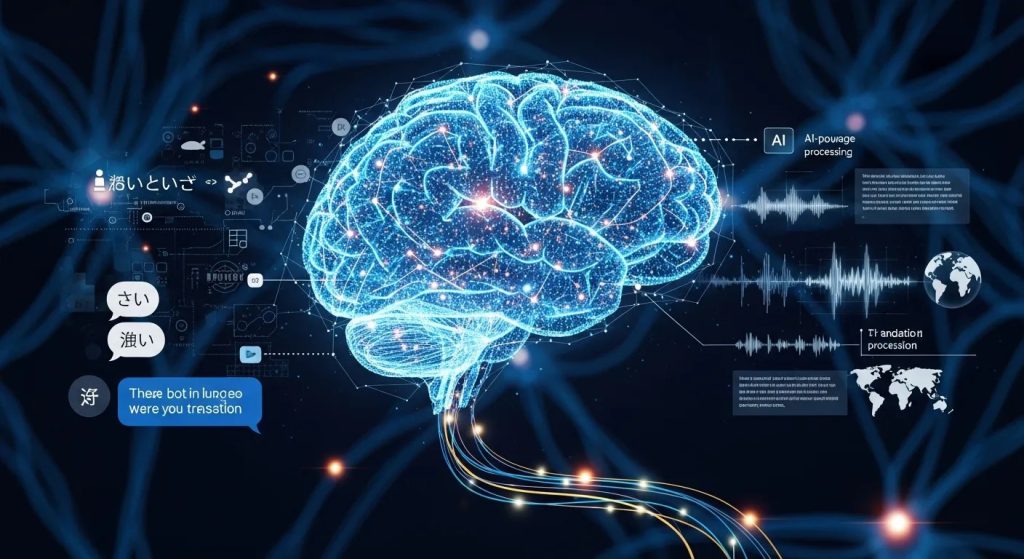
AI-NLP Chatbot Translation refers to the integration of advanced natural language processing models with conversational bots to enable real-time multilingual communication. Instead of relying on static phrase libraries, these systems use machine learning to interpret meaning and generate contextually accurate responses.
Platforms like OpenAI and Google have accelerated innovation by developing large-scale language models capable of understanding subtle linguistic nuances. When embedded in chatbots, these models power AI-NLP Chatbot Translation to support dynamic, human-like conversations.
Unlike traditional translation tools that operate in isolation, AI-NLP Chatbot Translation functions inside interactive systems. It must process user intent, manage dialogue flow, and adapt to conversational context. This layered complexity is what makes modern translation chatbots remarkably effective.
The Role of Natural Language Processing
Natural language processing serves as the analytical engine behind AI-NLP Chatbot Translation. NLP techniques break down user input into tokens, analyze syntax and semantics, and map meaning across languages. Deep neural networks learn patterns from massive multilingual datasets, enabling increasingly accurate translations.
A critical feature of AI-NLP Chatbot Translation is contextual awareness. The system evaluates previous messages, user preferences, and situational cues. This ensures that translated responses remain coherent throughout extended conversations, which is essential for customer support and professional collaboration.
How AI-NLP Chatbot Translation Works Technically
Architecture Overview
The architecture of AI-NLP Chatbot Translation typically includes several interconnected layers:
| Layer | Function | Key Components |
|---|---|---|
| Input Processing | Captures and cleans user text | Tokenizers, language detectors |
| NLP Engine | Interprets meaning and intent | Transformers, neural networks |
| Translation Module | Converts language in real time | Multilingual models |
| Dialogue Manager | Maintains conversation flow | Context trackers |
| Response Generator | Produces natural replies | Language generation models |
Each layer collaborates to deliver fluid multilingual interaction. AI-NLP Chatbot Translation relies heavily on transformer-based architectures that can process long sequences of text efficiently.
Real-Time Processing Pipeline
When a user sends a message, AI-NLP Chatbot Translation immediately detects the source language. The NLP engine interprets intent, and the translation module converts the content into the system’s working language. After generating a response, the system translates it back into the user’s preferred language.
This bidirectional pipeline operates in milliseconds. Optimization techniques such as model compression and edge deployment reduce latency, making AI-NLP Chatbot Translation suitable for live customer interactions and mission-critical environments.
Business Applications Across Industries
Global Customer Support
Multinational companies use AI-NLP Chatbot Translation to provide 24/7 multilingual support. Customers receive instant assistance without waiting for human translators. This improves satisfaction while reducing operational costs.
In digital marketplaces, AI Conversational Commerce leverages translation chatbots to guide users through purchasing decisions in their native language. By removing language friction, businesses expand their reach and increase conversion rates.
Enterprise and B2B Communication
Organizations deploying Chatbots in B2B Marketing use AI-NLP Chatbot Translation to communicate with partners and clients worldwide. Automated multilingual outreach streamlines negotiations and onboarding processes.
Financial platforms integrating AI Chatbots for Stock Analysis rely on translation capabilities to distribute insights globally. Investors can access market intelligence in their preferred language, fostering inclusive participation.
Sales Automation
An AI Sales Bot equipped with AI-NLP Chatbot Translation can interact with international prospects, answer product questions, and nurture leads. This creates a scalable sales ecosystem that operates continuously across time zones.
Integration with Emerging Technologies

Synergy with Augmented Reality and Advanced Computing
The future of AI-NLP Chatbot Translation extends beyond text interfaces. When combined with AR Quantum Computing concepts and immersive environments, translation chatbots can enable multilingual augmented reality experiences.
Developers exploring AR Autonomous Agents envision systems that navigate digital spaces while communicating across languages. AI-NLP Chatbot Translation becomes a foundational component of these intelligent agents.
Voice and Multimodal Interfaces
Voice-enabled assistants powered by Microsoft and Amazon increasingly incorporate AI-NLP Chatbot Translation. These systems convert spoken language into text, translate it, and synthesize speech in real time.
Multimodal capabilities allow chatbots to interpret images, gestures, and contextual signals. AI-NLP Chatbot Translation adapts accordingly, creating richer and more intuitive interactions.
Accuracy, Training, and Continuous Learning
Data and Model Training
High-quality datasets are essential for effective AI-NLP Chatbot Translation. Models train on diverse linguistic corpora to capture idioms, cultural references, and domain-specific terminology.
Continuous learning pipelines update models with new conversational data. Feedback loops help refine translations and reduce bias. AI-NLP Chatbot Translation systems evolve alongside changing language trends.
Handling Ambiguity and Context
Human language is inherently ambiguous. Advanced AI-NLP Chatbot Translation systems use contextual embeddings to resolve uncertainty. They analyze conversation history and user intent to select the most appropriate translation.
This contextual intelligence is particularly valuable in technical and legal communication, where precision is critical.
Implementation Strategies for Organizations
Choosing the Right Platform
Selecting a platform for AI-NLP Chatbot Translation requires evaluating scalability, security, and integration capabilities. Cloud-based solutions offer flexibility, while on-premise deployments provide greater control over sensitive data.
Organizations should assess language coverage, latency performance, and customization options. A well-designed implementation ensures that AI-NLP Chatbot Translation aligns with business objectives.
Deployment Best Practices
Successful deployment involves phased testing, user feedback collection, and performance monitoring. Companies should begin with pilot programs before scaling AI-NLP Chatbot Translation across departments.
Training internal teams to manage and optimize chatbot systems is equally important. Ongoing evaluation ensures sustained effectiveness.
Ethical and Cultural Considerations

AI-NLP Chatbot Translation must respect cultural diversity and ethical standards. Misinterpretations can lead to misunderstandings or offense. Developers implement bias detection and cultural sensitivity filters to mitigate risks.
Transparent communication about automated translation helps build user trust. Ethical design principles guide responsible deployment of AI-NLP Chatbot Translation worldwide.
Performance Metrics and Optimization
Measuring Effectiveness
Key performance indicators for AI-NLP Chatbot Translation include translation accuracy, response latency, user satisfaction, and conversation completion rates. Analytics dashboards provide actionable insights.
Regular benchmarking against human translation standards helps maintain quality. Optimization efforts focus on reducing errors and improving fluency.
Scalability and Reliability
As demand grows, infrastructure must scale efficiently. Distributed computing and load balancing support high-volume interactions. AI-NLP Chatbot Translation systems require robust monitoring to ensure uptime and consistency.
Future Trends and Innovation
The evolution of AI-NLP Chatbot Translation is accelerating. Advances in neural architectures promise even greater fluency and contextual understanding. Hybrid models combining symbolic reasoning with deep learning may enhance interpretability.
Cross-platform ecosystems will integrate translation chatbots into social media, enterprise software, and immersive virtual environments. AI-NLP Chatbot Translation is poised to become a universal communication layer for the digital age.
Researchers continue exploring low-resource language support, ensuring that smaller linguistic communities benefit from technological progress. As models become more efficient, real-time translation will be accessible on edge devices worldwide.
Strategic Impact on Global Communication
AI-NLP Chatbot Translation is redefining how people collaborate across borders. Businesses expand into new markets without linguistic constraints. Educational institutions connect diverse learners. Humanitarian organizations coordinate international efforts more effectively.
By democratizing access to information, AI-NLP Chatbot Translation fosters inclusivity and innovation. It empowers individuals and organizations to communicate with unprecedented clarity and speed.
As adoption grows, the technology will influence economic development, cultural exchange, and global cooperation. Mastering AI-NLP Chatbot Translation is becoming a strategic priority for forward-thinking organizations seeking to thrive in an interconnected world.
Advanced Features in AI-NLP Chatbot Translation

AI-NLP Chatbot Translation has evolved far beyond basic word-for-word conversion. Modern systems incorporate advanced features that make multilingual communication seamless, intuitive, and contextually aware.
Sentiment and Emotion Detection
One of the critical advancements is sentiment analysis. AI-NLP Chatbot Translation doesn’t just translate words it captures the tone and emotional context of user messages. By integrating sentiment detection, chatbots can adjust their responses to maintain politeness, empathy, or urgency. For instance, when a customer expresses frustration, the chatbot can generate calming, professional translations, enhancing customer satisfaction across languages.
This capability synergizes with AI Conversational Commerce platforms, where understanding user emotions directly affects conversion rates. Multilingual e-commerce chatbots can recommend products, answer objections, and provide support while preserving the original emotional tone of the conversation.
Personalization and User Profiling
AI-NLP Chatbot Translation can leverage user data to create personalized experiences. By analyzing prior interactions, language preferences, and behavioral patterns, the system adapts future translations and responses to individual users. This feature is particularly impactful in Chatbots in B2B Marketing, where business clients expect precise and context-aware communication. Personalized translation ensures that complex technical terms, company-specific jargon, or strategic messaging are accurately delivered across languages.
Adaptive Contextual Understanding
Another essential feature is adaptive contextual understanding. AI-NLP Chatbot Translation tracks conversational history to maintain coherence across exchanges. If a user references a product or topic from earlier messages, the chatbot can correctly interpret pronouns, idioms, or ambiguous terms without requiring repeated clarification.
This capability becomes even more powerful when integrated with AI Chatbots for Stock Analysis, where financial data and market insights must be interpreted correctly across languages. Accurate contextual translation ensures that investment decisions are informed and not misrepresented due to miscommunication.
Multimodal Input Handling
Next-generation AI-NLP Chatbot Translation supports multimodal input. Users can interact via text, voice, or even images, and the system translates content seamlessly in real time. For example, a customer can snap a product photo, describe it in their native language, and receive a translated response with details, pricing, or instructions.
This is particularly effective when combined with AI Sales Bot solutions. Multilingual sales automation can process complex queries from international clients, incorporating both textual and visual data to provide precise and relevant responses.
Technical Enhancements Driving Performance
Transformer Architectures and Large Language Models
The backbone of modern AI-NLP Chatbot Translation is the transformer-based architecture. Models like GPT variants, BERT, and their multilingual derivatives enable rapid understanding and generation of text. These architectures can handle long sequences, preserve context, and manage nuanced translation across languages with high accuracy.
Model Optimization and Edge Deployment
Latency is a critical factor in real-time translation. Techniques such as model pruning, quantization, and knowledge distillation help reduce computational load without sacrificing accuracy. Deploying AI-NLP Chatbot Translation on edge devices ensures that translation happens near the user, minimizing delays and enabling offline capabilities.
Continuous Learning Pipelines
AI-NLP Chatbot Translation systems benefit from ongoing learning. By collecting anonymized user interactions and feedback, models refine their translations and adapt to emerging language trends. This continuous learning ensures the chatbot remains relevant, accurate, and culturally sensitive over time.
Multilingual Knowledge Bases
Integration with multilingual knowledge bases enhances AI-NLP Chatbot Translation performance. For businesses, this means chatbots can pull up product catalogs, FAQs, and technical documents in multiple languages. This approach ensures accurate translations for domain-specific terminology, which is particularly useful in B2B contexts and technical industries.
Applications in Industry-Specific Scenarios
E-Commerce and Retail
In e-commerce, AI-NLP Chatbot Translation enables retailers to serve international customers efficiently. Users receive product descriptions, support, and purchase guidance in their native language. Combining this with AI Conversational Commerce, retailers can guide purchase decisions, upsell, and handle objections seamlessly across linguistic barriers.
Finance and Investment
Financial firms integrate AI-NLP Chatbot Translation with AI Chatbots for Stock Analysis to provide global investors with market insights in real time. Accurate translation of financial reports, analysis, and risk warnings is crucial to prevent misinterpretation. These systems also adapt to regulatory language differences in multiple countries.
Enterprise Communication
For multinational corporations, Chatbots in B2B Marketing leverage AI-NLP Chatbot Translation to maintain clear communication with partners, suppliers, and clients worldwide. Translating technical documentation, proposals, and support queries improves operational efficiency and mitigates cross-linguistic misunderstandings.
Sales and Customer Engagement
Sales teams increasingly rely on AI Sales Bot technologies equipped with translation capabilities to interact with international prospects. The chatbot can handle initial inquiries, qualify leads, and schedule meetings while maintaining consistent messaging in every language.
Future-Ready Integrations
Augmented Reality and Intelligent Agents
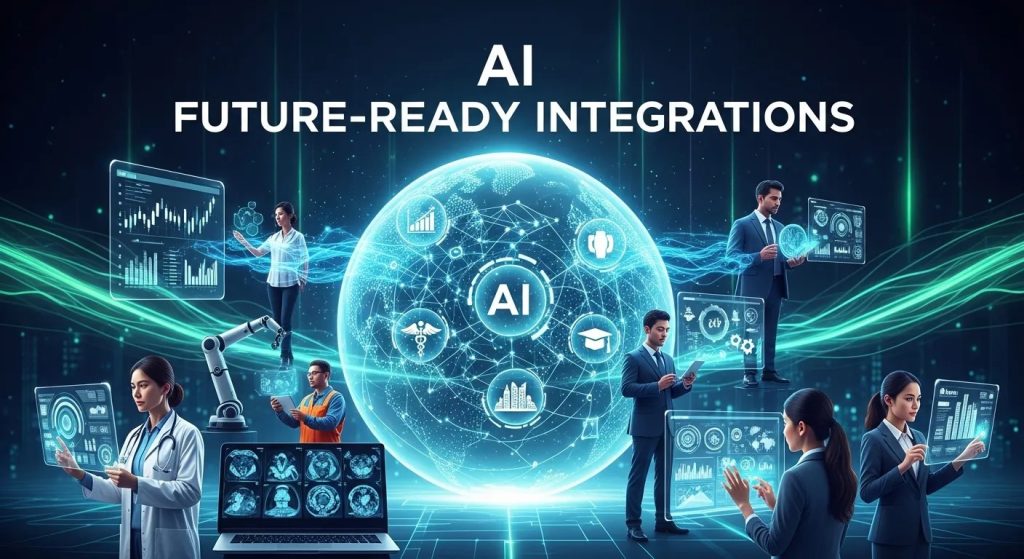
AI-NLP Chatbot Translation is poised to integrate with immersive technologies. Using AR Quantum Computing platforms, chatbots can operate within augmented environments, translating conversations and instructions in real time while users interact with AR interfaces.
Furthermore, AR Autonomous Agents can leverage AI-NLP Chatbot Translation to communicate dynamically in multilingual environments, providing real-time guidance, navigation, or support. These intelligent agents could transform global collaboration in education, logistics, and virtual workplaces.
Voice-First Interfaces
With the rise of voice assistants, AI-NLP Chatbot Translation supports real-time speech-to-speech translation. Users speak naturally in their native language, and the system produces accurate translations with natural intonation, accent, and speech patterns.
This innovation expands accessibility, especially for users who prefer spoken interactions or have limited literacy in certain languages. Integration into mobile apps, wearable devices, and IoT systems further broadens reach.
Security, Compliance, and Ethical Considerations
Data Privacy
AI-NLP Chatbot Translation systems must handle sensitive data responsibly. End-to-end encryption, secure data storage, and compliance with international regulations (like GDPR) are essential.
Bias Mitigation
Language models can inadvertently introduce cultural or linguistic biases. Continuous evaluation and ethical AI practices ensure that AI-NLP Chatbot Translation provides fair, accurate, and culturally respectful translations.
Transparency and User Awareness
Clear communication about the use of automated translation fosters user trust. Organizations should indicate when AI-NLP Chatbot Translation is applied and allow users to provide feedback for corrections or improvements.
Measuring Success and ROI
Key Performance Indicators
Effectiveness of AI-NLP Chatbot Translation can be measured through:
- Translation accuracy and fluency
- Response latency and system uptime
- Customer satisfaction and engagement metrics
- Conversion and lead qualification rates
Cost-Benefit Analysis
By replacing or supplementing human translators, AI-NLP Chatbot Translation reduces operational costs and expands the reach of global communication. The ROI is particularly significant in multinational businesses, global e-commerce, and financial institutions.
Cross-Platform and Omnichannel Deployment
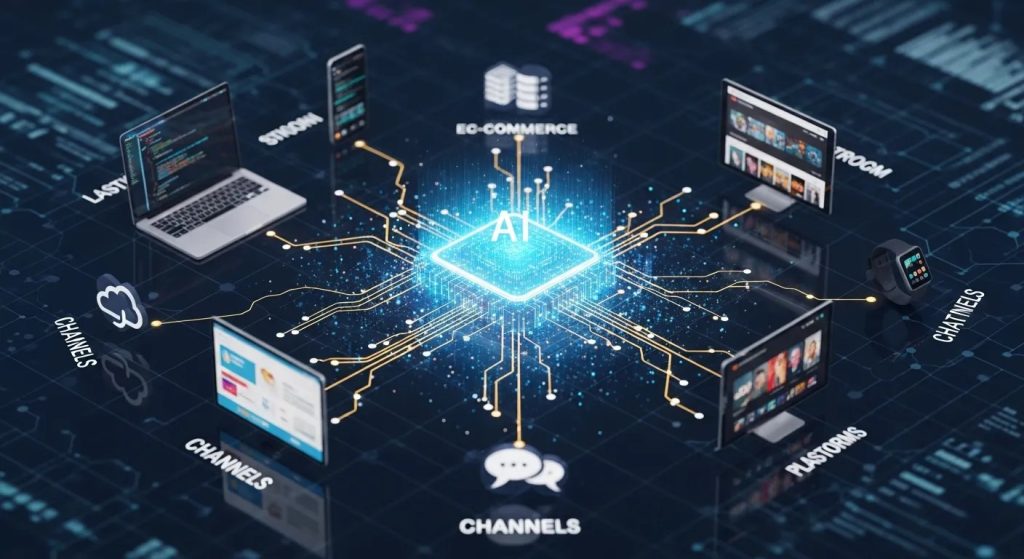
AI-NLP Chatbot Translation supports deployment across websites, mobile apps, social media platforms, and enterprise software. An omnichannel approach ensures that users receive consistent multilingual experiences, regardless of where they interact with the brand.
Integrating chatbots with CRM systems, analytics platforms, and workflow automation tools allows organizations to maintain data consistency, track interactions, and improve translation quality continuously.
Conclusion
AI-NLP Chatbot Translation is transforming global communication by bridging linguistic gaps in real time. From customer service and e-commerce to finance and enterprise operations, these intelligent systems enhance accuracy, contextual understanding, and engagement across multiple languages. Integrating features like sentiment detection, multimodal input, and adaptive personalization ensures highly relevant interactions. Businesses adopting AI-NLP Chatbot Translation gain competitive advantages, improved operational efficiency, and expanded international reach. As the technology continues evolving with AR integration, autonomous agents, and voice-first interfaces, organizations embracing AI-NLP Chatbot Translation are positioned to lead in global communication and digital transformation.
Frequently Asked Questions (FAQ)
What is AI-NLP Chatbot Translation?
It’s the integration of natural language processing with chatbots to enable real-time multilingual communication while preserving context, tone, and intent.
How does it differ from traditional translation tools?
Unlike static translators, it understands user intent, adapts to conversation flow, and maintains coherence across interactions.
Which industries benefit most?
E-commerce, finance, enterprise B2B, and global customer support see the largest impact.
Can it handle voice or multimodal input?
Yes, modern systems support speech, text, and even image-based inputs for accurate translation.
How is accuracy ensured?
Through deep learning, continuous model updates, contextual embeddings, and integration with multilingual knowledge bases.