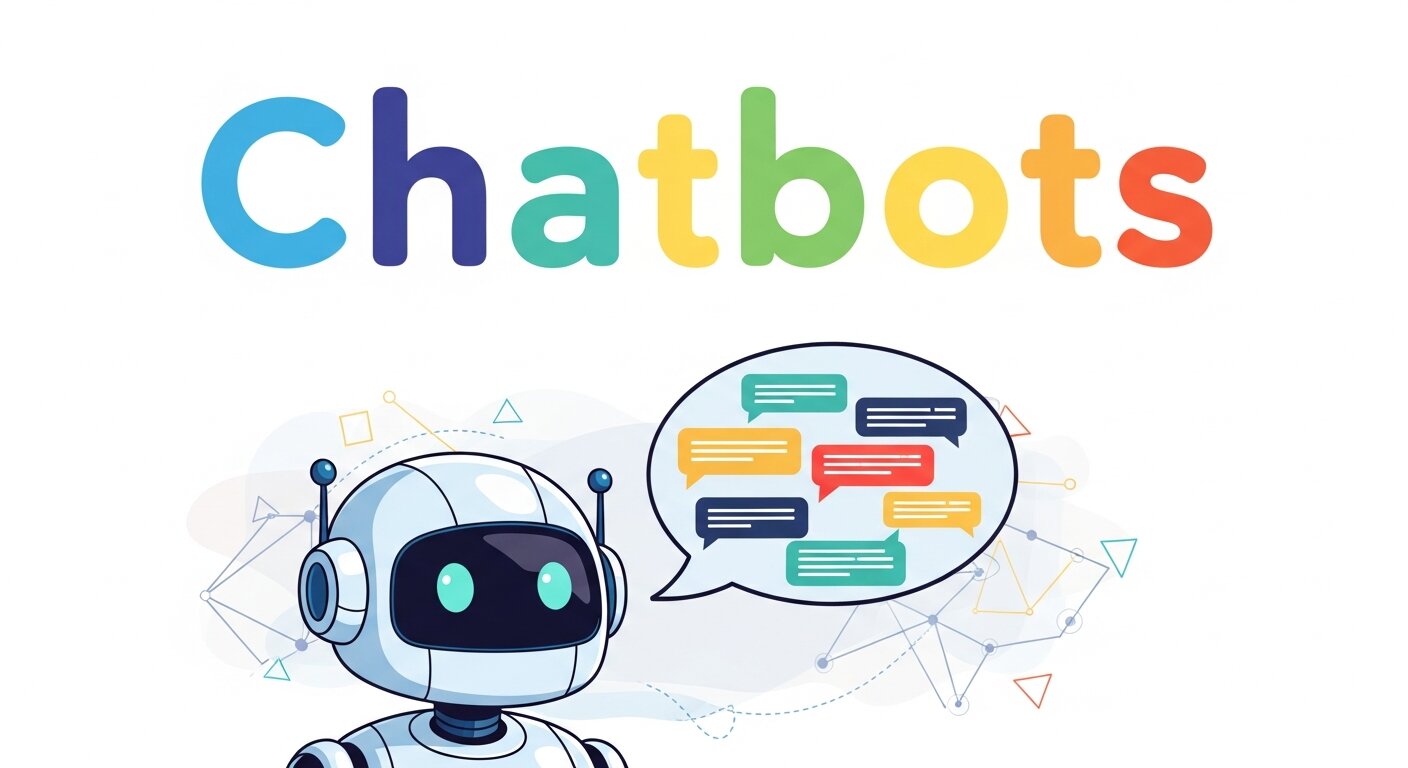
Chatbots are no longer just a novelty on websites; they’ve become essential tools for businesses wanting to streamline engagement and boost lead generation. For B2B companies, in particular, chatbots offer a strategic advantage in capturing, qualifying, and nurturing leads efficiently. But with so many options on the market, knowing which chatbot will give you the best results can be overwhelming.
This blog explores the best chatbots for B2B lead generation, their key features, and how they can help you convert potential leads into loyal clients. Whether you’re a small business owner looking to simplify your sales funnel or a seasoned marketer seeking to optimize your budget, this guide has everything you need.
Why Chatbots Are Essential for B2B Lead Generation
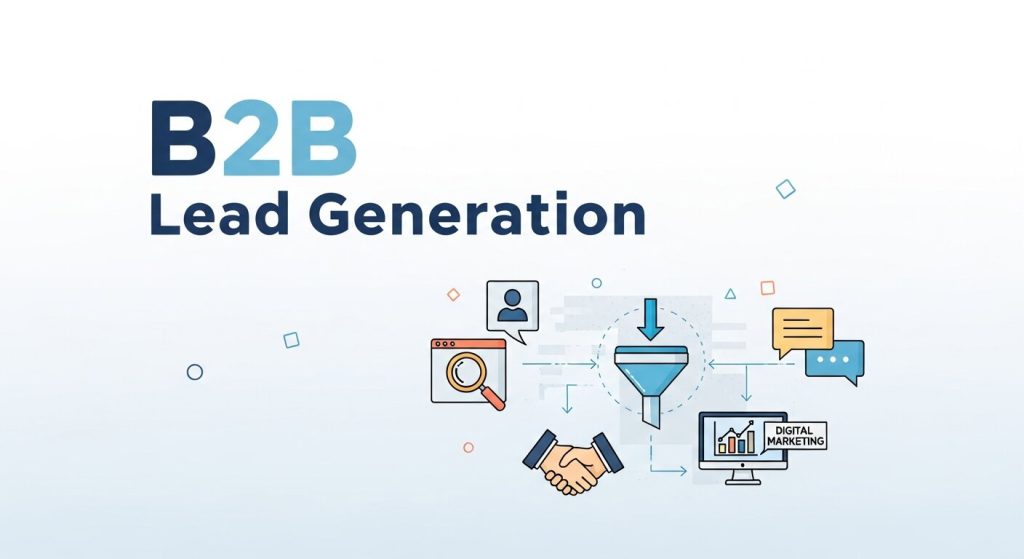
Before getting into the top choices, it’s worth understanding why chatbots have become indispensable for generating B2B leads.
1. 24/7 Engagement
One of the biggest advantages of chatbots is that they’re always available. Unlike human sales teams, chatbots can interact with website visitors around the clock, capturing leads as they come in, even outside business hours.
2. Personalized Interactions at Scale
Chatbots employ AI to deliver conversational experiences tailored to individual users. This means they can address specific pain points, recommend solutions, and collect lead information, all while making the user feel heard and understood.
3. Faster Lead Qualification
Instead of waiting days for follow-ups, chatbots can qualify leads on the spot. They can ask essential questions, analyze responses, and even segment leads based on predefined criteria, ensuring you focus on the highest-value opportunities.
4. Cost-Effective Lead Management
Implementing chatbots reduces the need for large customer service teams, making it an affordable solution for businesses looking to optimize budgets without compromising lead generation.
With these benefits in mind, here are the top chatbot options you should consider for your B2B business.
Best Chatbots for B2B Lead Generation
1. Drift
Drift is a pioneer in conversational marketing and one of the most well-known chatbots for B2B lead generation.
Key Features
- Account-Based Marketing (ABM) Support
Drift integrates seamlessly into ABM strategies by personalizing conversations based on the visitor’s company and behavior.
- Meeting Bookings
Drift’s chatbot can schedule meetings directly with potential leads, saving time for your sales team.
- Customizable Playbooks
Drift allows you to create custom chat playbooks tailored to various stages of the buyer’s journey.
Why Choose Drift
Drift stands out for its focus on providing intelligent and personalized interactions that align with B2B needs. It’s particularly useful for companies that prioritize ABM strategies.
2. Intercom
Intercom is one of the most comprehensive chat solutions, combining live chat, bots, and email automation to drive lead generation.
Key Features
- Lead Qualification
Its customizable bots can ask pre-defined questions to qualify leads automatically.
- CRM Integration
Intercom integrates with popular CRMs like Salesforce and HubSpot, ensuring seamless lead management.
- Custom Actions
Trigger specific workflows like offering a free demo or connecting with a live sales agent, based on visitors’ responses.
Why Choose Intercom
Intercom is perfect for businesses looking for a chatbot solution that works in tandem with other communication and lead management platforms.
3. Tars
Tars is a simple yet powerful chatbot tool that focuses on driving conversions by creating engaging conversational experiences.
Key Features
- Pre-Built Templates
Tars offers a library of industry-specific templates to help you set up quickly.
- Landing Page Bots
You can place Tars bots directly on your landing pages, optimizing them for lead conversions.
- Affordable Pricing
Tars is one of the more budget-friendly solutions, making it ideal for smaller businesses.
Why Choose Tars
If simplicity and cost-effectiveness are what you’re after, Tars’ intuitive interface and ready-to-use templates make it a great choice.
4. Chatfuel
Chatfuel is one of the easiest platforms for building AI-driven chatbots, even if you have no technical experience.
Key Features
- No-Code Bot Building
You don’t need any coding knowledge to set up your chatbot.
- AI Training
The platform allows you to upload data so the chatbot can learn to respond intelligently to customer queries.
- Integration Friendly
Works seamlessly with tools like Facebook Messenger, which is excellent for social media-based lead generation.
Why Choose Chatfuel
For businesses with limited resources but an active social media presence, Chatfuel delivers accurate, intelligent conversational solutions.
5. Leadoo
Leadoo stands out as a lead-driven chatbot that prides itself on measurable conversions rather than generic interactions.
Key Features
- Conversion-Focused Bots
Leadoo focuses on converting website traffic into real leads, offering bots designed for dynamic website engagement.
- Behavior Analytics
It provides detailed insights into visitor behavior to help optimize your lead generation strategy.
- Lead Deck Dashboard
A centralized dashboard to monitor, qualify, and manage leads captured by bots.
Why Choose Leadoo
If your primary goal is to drive measurable ROI, Leadoo’s robust analytics and conversion-focused approach make it a powerful option.
How to Choose the Best Chatbot for Your Business
To select the right chatbot for your B2B business, consider these factors:
- Business Goals
Are you looking to increase conversions, reduce customer service workload, or improve lead nurturing? Define your goals first.
- Budget
Some chatbot platforms are pricey, while others offer excellent functionality at lower rates. Choose a solution that aligns with your budget.
- Integration Needs
Ensure the chatbot integrates with your CRM and marketing automation tools. This will streamline lead management and prevent manual data entry.
- Ease of Use
If you lack technical expertise, opt for a no-code platform with an intuitive setup.
With careful consideration, you can choose a chatbot that not only fits your business needs but also delivers exceptional results.
Intelligent Lead Scoring Strategies
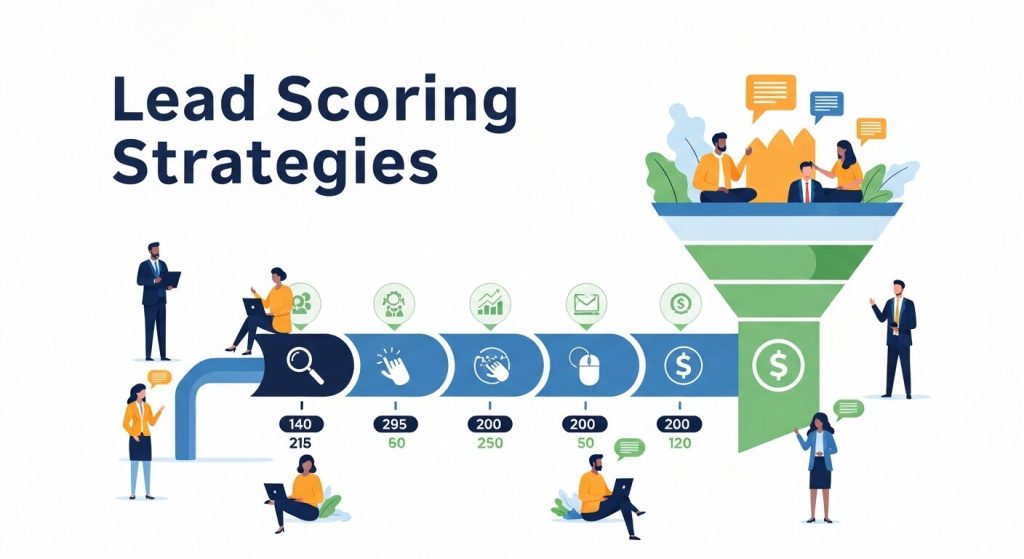
Modern B2B businesses rely on structured lead scoring to prioritize prospects effectively. Chatbots enhance this process by collecting detailed information during conversations and automatically ranking leads based on predefined criteria. Through AI-Driven Chatbot Marketing, companies can evaluate user intent, behavioral signals, and engagement history in real time. This allows sales teams to focus on prospects most likely to convert, reducing wasted effort on low-quality inquiries. Intelligent scoring also ensures faster follow-ups, which is critical in competitive B2B environments. By aligning chatbot qualification flows with sales objectives, organizations can shorten sales cycles, improve close rates, and build a more predictable revenue pipeline without overwhelming internal teams.
Behavioral Tracking and Insights
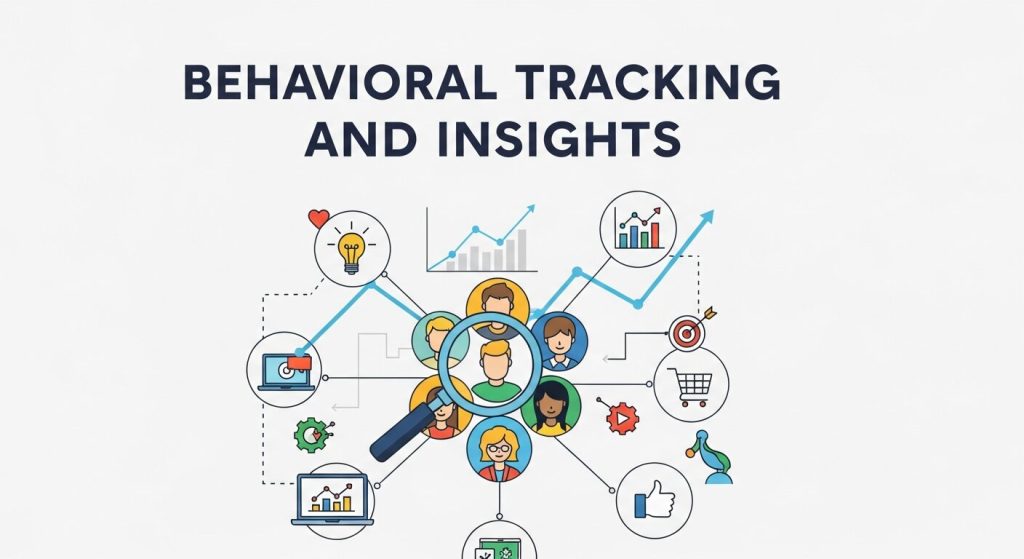
Understanding visitor behavior is key to refining B2B marketing strategies. Chatbots capture valuable interaction data, including frequently asked questions, exit points, and conversion triggers. With Chatbot Marketing Analytics, businesses can transform these interactions into measurable insights that highlight patterns in buyer behavior. These insights help identify friction points within the sales funnel and uncover opportunities for content or messaging improvements. By analyzing conversation data regularly, marketers can optimize scripts, adjust targeting, and personalize future interactions. Behavioral tracking also reveals which campaigns generate high-intent visitors, ensuring better resource allocation. Ultimately, data-backed chatbot insights contribute to stronger engagement and more consistent lead generation performance.
Omnichannel Engagement Optimization
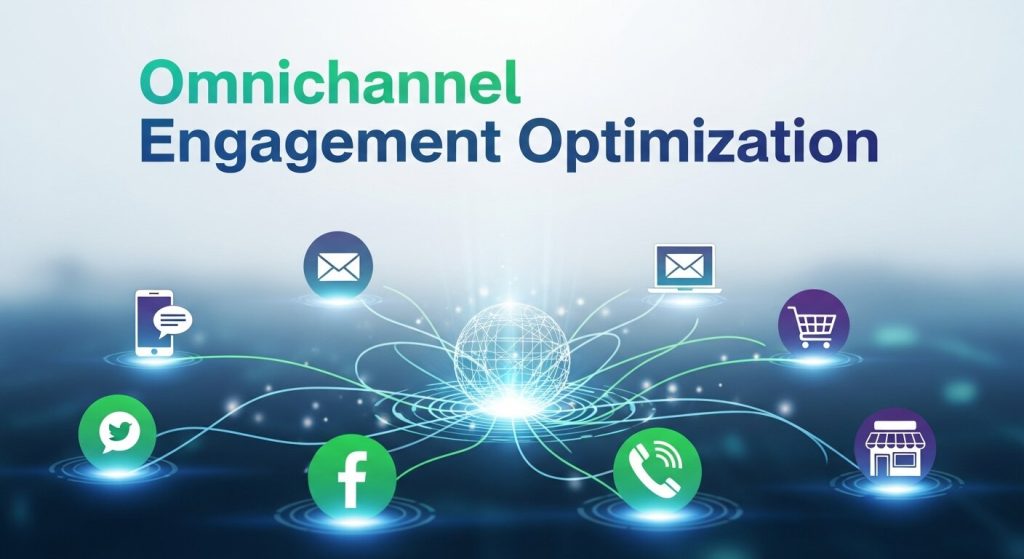
B2B buyers interact across multiple touchpoints before making decisions. Integrating chatbots across websites, landing pages, and messaging platforms ensures a seamless omnichannel experience. Businesses can even leverage WiFi Chatbot Marketing in physical locations such as trade shows or offices, capturing visitor information when users connect to public networks. This expands lead capture beyond traditional digital channels and connects offline interactions with online sales funnels. A unified chatbot presence ensures consistent messaging and smoother transitions between touchpoints. When prospects receive cohesive communication across channels, trust increases and conversion barriers decrease. Omnichannel chatbot deployment strengthens brand credibility while maximizing engagement opportunities at every stage of the buyer journey.
Automated Meeting Scheduling
One of the most valuable features of B2B chatbots is automated meeting scheduling. Instead of lengthy email exchanges, chatbots can instantly check calendar availability and book appointments with sales representatives. This reduces friction and speeds up the transition from interest to direct engagement. Automated scheduling improves user experience by offering immediate solutions and minimizing delays. It also ensures that high-intent prospects are not lost due to slow response times. For businesses with global audiences, chatbots can manage time zone differences efficiently. By simplifying appointment booking, companies create a smoother sales process, increase show-up rates, and enhance overall productivity without adding administrative workload to their teams.
Data Privacy and Compliance
As data regulations become stricter worldwide, B2B companies must ensure responsible information handling. Chatbots can be configured to collect consent, provide transparent privacy notices, and securely store user data. Implementing proper compliance measures builds trust and protects brand reputation. Secure chatbot systems should align with regulations such as GDPR and other regional standards. Encryption and secure integrations with CRM systems further safeguard sensitive information. Clear communication about data usage reassures prospects and encourages honest responses during qualification. Prioritizing privacy within chatbot workflows not only prevents legal risks but also strengthens long-term customer relationships, demonstrating that your organization values transparency and ethical data practices.
Custom Workflow Development
Every B2B organization has unique sales processes and qualification requirements. Custom chatbot workflows allow businesses to tailor conversations according to industry, product complexity, or buyer persona. These workflows can include branching logic, dynamic responses, and personalized recommendations based on user inputs. By aligning chatbot scripts with your specific sales funnel stages, you ensure conversations remain relevant and goal-oriented. Custom development also allows integration with marketing automation tools, enabling smooth lead nurturing after initial contact. A well-designed workflow reduces confusion, improves clarity, and increases the likelihood of conversion. Tailored chatbot experiences ultimately enhance efficiency while maintaining a personalized approach for every prospect.
Performance Monitoring and Continuous Improvement
Successful chatbot strategies require ongoing evaluation and optimization. Monitoring performance metrics such as engagement rate, lead capture rate, and drop-off points helps identify areas for improvement. Regular testing of conversation flows ensures scripts remain relevant and aligned with evolving customer expectations. A/B testing different greeting messages or qualification questions can significantly impact conversion outcomes. By continuously refining chatbot interactions, businesses maintain a competitive advantage and adapt quickly to market changes. Consistent performance reviews also help align marketing and sales teams around shared goals. Continuous improvement transforms chatbots from static tools into dynamic assets that evolve alongside your overall lead generation strategy.
Scalability for Business Growth
As B2B companies expand, lead volume and customer inquiries increase significantly. Chatbots provide scalable infrastructure capable of handling thousands of interactions simultaneously without compromising quality. This scalability ensures consistent engagement during high-traffic campaigns, product launches, or seasonal demand spikes. Unlike traditional support models, chatbots do not require proportional increases in staffing costs. They can be updated centrally and deployed instantly across multiple channels. Scalable chatbot solutions allow businesses to maintain efficiency while supporting growth objectives. By preparing systems to handle increased demand, organizations position themselves for sustainable expansion, improved customer satisfaction, and stronger long-term revenue performance.
How Chatbots Revolutionize B2B Lead Generation
The role of chatbots in lead generation is only growing. They empower businesses to connect with prospects in real time, deliver personalized experiences, and optimize efficiency. For B2B organizations operating in competitive markets, chatbots go beyond convenience and become a strategic necessity.
Looking to revolutionize your lead generation process with chatbot technology? Start by exploring one of the platforms listed above, and watch as your engagement rates, conversions, and ROI climb to new heights.
FAQ – B2B Lead Generation Chatbots
1. What is a B2B lead generation chatbot?
A B2B lead generation chatbot is an AI-powered tool that engages website visitors, collects contact information, qualifies prospects, and routes high-intent leads directly to sales teams automatically.
2. Why are chatbots important for B2B companies?
Chatbots provide 24/7 engagement, instantly respond to inquiries, qualify leads faster, and reduce manual workload, helping B2B businesses improve conversions and streamline their sales processes efficiently.
3. Which chatbot platforms are best for B2B lead generation?
Top platforms include Drift, Intercom, Tars, Chatfuel, and Leadoo.
4. Can chatbots replace human sales representatives?
No. Chatbots support sales teams by automating initial conversations and qualification, but human representatives are still essential for closing complex B2B deals.
5. How do chatbots qualify leads?
Chatbots ask strategic questions about company size, needs, and budget, analyze responses, and categorize leads as hot, warm, or cold before routing them appropriately.
6. Do chatbots integrate with CRM systems?
Yes. Most chatbot platforms integrate with CRM tools like Salesforce and HubSpot for seamless lead tracking.
7. Are chatbots expensive to implement?
Costs vary by platform and features. Many providers offer scalable pricing plans suitable for startups, mid-sized businesses, and large enterprises alike.
8. Can chatbots increase conversion rates?
Yes. By engaging visitors instantly and guiding them through structured conversations, chatbots reduce friction and significantly improve lead capture and conversion rates.
9. Are chatbots suitable for small B2B businesses?
Absolutely. Many chatbot tools offer no-code builders and affordable pricing, making them accessible and practical for small B2B companies.
10. What features should I look for in a B2B chatbot?
Look for lead qualification workflows, CRM integration, analytics dashboards, meeting scheduling, customization options, and easy setup to align with your business goals.