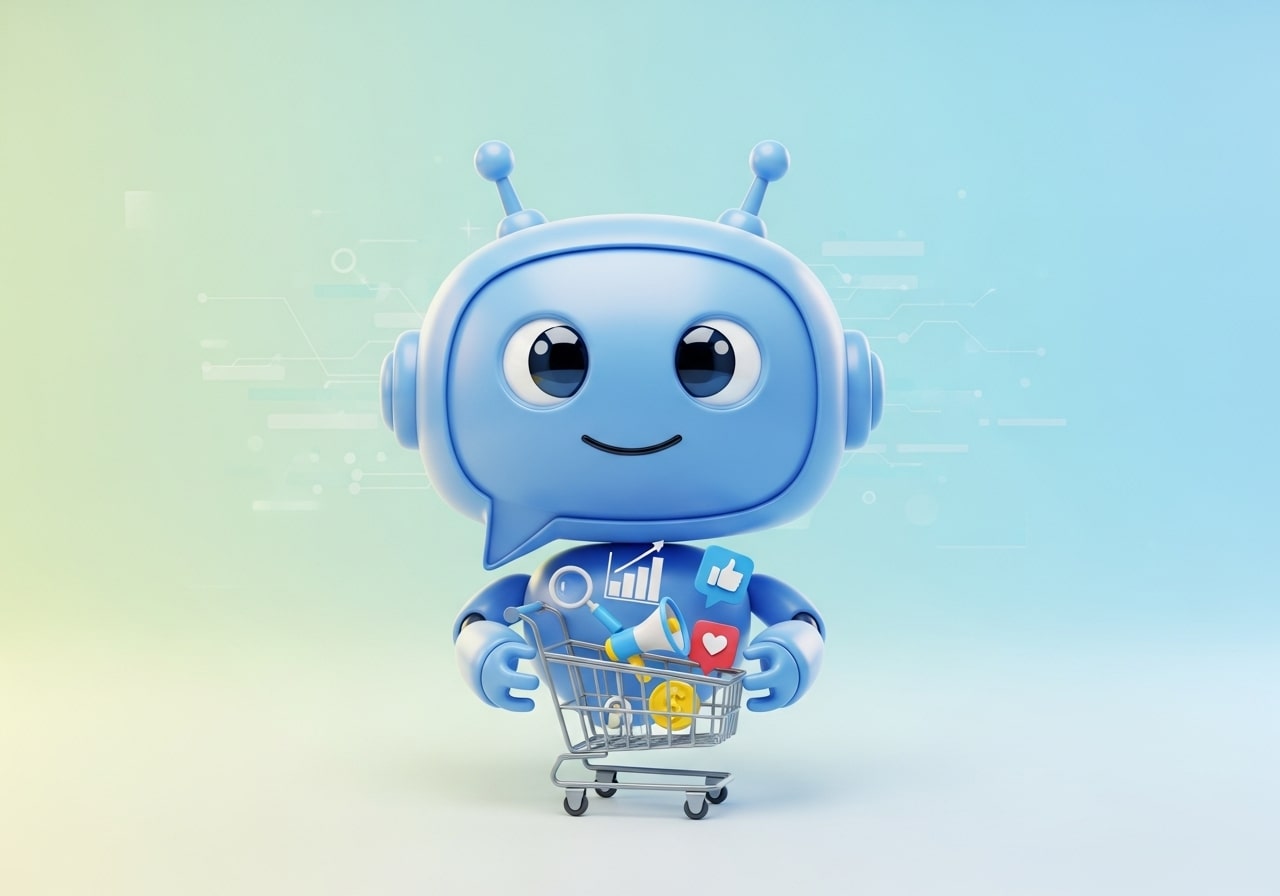
Chatbots have evolved into powerful marketing tools, offering personalized engagement, lead generation, and 24/7 support. Brands like Sephora, Domino’s, and H&M use them to boost sales, enhance customer experiences, and streamline interactions across websites and messaging platforms.
Chatbots have moved far beyond simple “how can I help you?” pop-ups. Today, they are sophisticated marketing tools that can engage customers, generate leads, and drive sales around the clock. Many businesses are discovering that a well-implemented chatbot strategy can transform how they interact with their audience, offering personalized experiences at scale.
If you’re considering using a chatbot for your business, you’re probably looking for proof. You want to see real examples of companies that have used chatbot marketing successfully and the results they achieved. This post will show you just that. We’ll explore several case studies from leading brands that have leveraged chatbots to boost engagement, increase conversions, and enhance customer satisfaction. By the end, you’ll have a clear picture of what chatbot marketing can do for your business.
How Chatbot Marketing Drives Business Growth
Before we look at specific examples, it’s helpful to understand why chatbots are so effective. Chatbots operate where your customers already are—on your website, on social media platforms like Facebook Messenger, and on messaging apps like WhatsApp. They offer immediate, 24/7 assistance, answering questions, guiding users through sales funnels, and collecting valuable lead information.
This constant availability meets modern consumer expectations for instant gratification. A chatbot can qualify a lead at 2 a.m. or help a customer find the right product on a Sunday afternoon, tasks that would otherwise require significant human resources. This efficiency allows marketing teams to focus on strategy and creative work, leaving the repetitive, initial engagement to their automated assistants.
Chatbot Personalization Through AI & Machine Learning
Modern chatbots are no longer limited to scripted responses. By leveraging artificial intelligence and machine learning, chatbots can analyze user behavior, preferences, browsing history, and past interactions to deliver highly personalized conversations. Over time, these bots learn which questions convert better, which recommendations users respond to, and how to adjust tone and messaging for different audiences.
This level of personalization improves user satisfaction and significantly increases conversion rates. Instead of showing generic product suggestions, AI-powered chatbots can recommend items based on real-time intent, making interactions feel human and relevant rather than automated and transactional.
Chatbots as a Lead Qualification Engine
One of the most powerful but underutilized benefits of chatbot marketing is automated lead qualification. Chatbots can ask smart, sequential questions to understand a visitor’s needs, budget, timeline, and intent before passing them to a sales team. This ensures sales representatives only focus on high-quality, sales-ready leads.
By scoring leads based on chatbot conversations, businesses reduce wasted effort and shorten the sales cycle. Chatbots also capture leads outside business hours, ensuring no opportunity is lost due to delayed responses.
Integrating Chatbots with CRM and Marketing Tools
For chatbot marketing to reach its full potential, integration is key. When connected to CRM systems, email marketing platforms, and analytics tools, chatbots become part of a larger marketing ecosystem. Data collected from conversations can automatically update customer profiles, trigger follow-up emails, or assign leads to sales teams.
This seamless flow of information allows businesses to create consistent, omnichannel experiences. A conversation that starts on a website chatbot can continue via email or SMS without losing context, improving customer experience and engagement.
Using Chatbots for Post-Purchase Engagement & Retention
Chatbot marketing doesn’t end after a sale. Post-purchase engagement is critical for customer retention, upselling, and brand loyalty. Chatbots can assist customers with order tracking, onboarding, product usage tips, and troubleshooting—reducing support costs while improving satisfaction.
Additionally, bots can proactively recommend complementary products, request feedback, or offer loyalty rewards. This continuous engagement helps brands build long-term relationships rather than one-time transactions.
Ethical Chatbot Design and Trust Building
As chatbots become more conversational, transparency and ethics become increasingly important. Users should always know when they are interacting with a bot and how their data is being used. Ethical chatbot design includes clear disclosures, secure data handling, and respectful conversation flows that avoid manipulation.
Trust-building chatbots focus on helping users, not pressuring them. By prioritizing honesty, privacy, and value-driven interactions, brands can ensure chatbot marketing strengthens credibility rather than damaging customer trust.
5 Brands Winning with Chatbot Marketing
Let’s look at how real companies are using chatbots to achieve impressive results. These examples span different industries, showcasing the versatility of chatbot marketing.
1. Sephora: Revolutionizing the Beauty Shopping Experience
Sephora, a global leader in beauty retail, has long been an innovator in digital customer engagement. They recognized that their young, tech-savvy audience spends a lot of time on messaging apps. To meet their customers where they are, Sephora launched two highly successful chatbots: one on Kik and another on Facebook Messenger.
The Strategy:
The Sephora Reservation Assistant on Facebook Messenger allows clients to book makeup appointments at their stores directly within the chat interface. It’s a simple, conversational process that eliminates the need to call a store or navigate a complex booking website. Their Kik chatbot acts more like a personal shopping assistant, offering makeup tips, product recommendations, and reviews based on the user’s preferences. By asking a few quiz-like questions, the bot quickly understands what the user is looking for and provides tailored suggestions.
The Results:
The booking bot was a huge success. Sephora reported an 11% higher conversion rate through the chatbot compared to other booking channels. By making the process faster and more convenient, they encouraged more customers to book appointments, driving significant in-store traffic. The Kik chatbot also saw massive engagement, with users exchanging millions of messages with the bot, indicating a strong interest in this interactive form of content.
2. Domino’s: Ordering Pizza with Zero Clicks
Domino’s has built its brand on convenience, and its chatbot strategy is a perfect extension of that promise. They created “Dom,” a chatbot available on Facebook Messenger and their website, that allows customers to order their favorite pizza without ever leaving the chat window.
The Strategy:
Customers can re-order their most recent pizza by simply typing “pizza” or using a pizza emoji. For new orders, Dom guides them through the menu in a conversational flow. The goal was to create a “zero-click” ordering experience, making it as effortless as possible to get a pizza delivered. This approach taps into the desire for speed and simplicity, removing any friction from the purchasing process.
The Results:
Domino’s saw a significant increase in engagement and sales through its chatbot. The novelty and ease of use captured customers’ attention, and the bot became a popular ordering channel. This successful use of chatbot marketing not only boosted revenue but also reinforced Domino’s image as a tech-forward brand that prioritizes customer convenience.
3. National Geographic: Driving Engagement with a Conversational Character
National Geographic took a more creative approach to chatbot marketing. To promote their new series “Genius,” which profiles Albert Einstein, they created a chatbot that allowed users to have a conversation with Einstein.
The Strategy:
The chatbot was programmed to respond in Einstein’s voice, complete with his wit and unique personality. Users could ask questions about his life, his theories, and even get his take on modern topics. The conversation was lighthearted, educational, and highly engaging. The bot’s primary goal wasn’t to sell a product but to generate buzz and interest in the upcoming show.
The Results:
The campaign was a massive success. The average conversation with the “Einstein” bot lasted 6-8 minutes, an incredibly high engagement metric for any digital content. The bot helped National Geographic connect with its audience on a personal level, creating a memorable experience that effectively promoted the show. This case study demonstrates that chatbots can be powerful tools for content marketing and brand storytelling.
4. H&M: Your Personal Stylist on Kik
Similar to Sephora, fashion retailer H&M turned to the Kik messaging platform to connect with its younger demographic. They developed a chatbot that acts as a personal stylist, helping users discover and build outfits.
The Strategy:
The H&M chatbot starts by asking users to select photos of styles they like. Based on their selections, the bot creates a style profile and suggests clothing items. Users can then purchase the items, save them for later, or use them to create and share outfits with friends. The entire experience is visual, interactive, and feels like you’re chatting with a fashion-savvy friend.
The Results:
H&M’s chatbot achieved high engagement rates and helped drive e-commerce sales. By providing personalized style advice, the bot added significant value beyond just showcasing products. It helped users navigate H&M’s vast inventory in a fun and intuitive way, leading to higher customer satisfaction and increased purchase intent.
5. Whole Foods Market: Making Recipes Accessible
Whole Foods Market developed a chatbot on Facebook Messenger to make it easier for customers to find recipes. Whether you’re at home planning your meals or standing in the grocery aisle wondering what to make for dinner, the bot is there to help.
The Strategy:
The chatbot allows users to search for recipes by ingredient, dish type, or dietary restriction. You can even use emojis to search—sending a burger emoji will bring up burger recipes. The bot provides a link to the full recipe on the Whole Foods website. This functionality is incredibly useful for their health-conscious customer base, who are often looking for cooking inspiration.
The Results:
The Whole Foods chatbot has become a popular tool for its customers. It provides instant value by solving a common problem: “What should I cook?” By integrating with their existing recipe database, Whole Foods created a seamless experience that encourages users to explore new dishes and, consequently, buy the necessary ingredients from their stores. It’s a brilliant example of chatbot marketing that is both helpful and directly supportive of business goals.
Launching Your Chatbot Strategy
The success stories of these brands show that chatbots are more than just a trend—they are a powerful marketing channel with a proven return on investment. Whether your goal is to generate leads, increase sales, or boost engagement, a well-designed chatbot can help you achieve it.
Getting started doesn’t have to be complicated. Many platforms now offer user-friendly chatbot builders that require no coding knowledge. You can start small with a simple bot that answers frequently asked questions and then gradually add more advanced features as you learn what resonates with your audience. The key is to focus on providing value and creating a smooth, enjoyable user experience.
If you’re ready to explore how chatbot marketing can benefit your business, take inspiration from these brands and start planning your strategy today.
FAQ: Chatbot Marketing
1. What is chatbot marketing?
Chatbot marketing uses automated conversational bots on websites and messaging apps to engage users, answer questions, generate leads, and guide customers through the sales journey.
2. How do chatbots help increase conversions?
Chatbots reduce friction by offering instant responses, personalized recommendations, and guided purchase flows, making it easier for users to move from interest to action.
3. Which platforms are best for chatbot marketing?
Popular platforms include website chat widgets, Facebook Messenger, WhatsApp, Instagram, and SMS—chosen based on where your audience is most active.
4. Are chatbots suitable for small businesses?
Yes. Small businesses can start with simple chatbots for FAQs or lead capture, saving time and resources while improving customer experience.
5. Can chatbots replace human customer support?
Chatbots complement, not replace, human agents. They handle repetitive tasks and initial inquiries, while complex or sensitive issues are escalated to humans.
6. How do chatbots personalize customer experiences?
Chatbots use user inputs, behavior, and past interactions to deliver tailored recommendations, content, and offers in real time.
7. What industries benefit most from chatbot marketing?
E-commerce, retail, travel, healthcare, finance, education, and media see strong results, but chatbots can benefit nearly any customer-facing business.
8. How do you measure chatbot marketing success?
Key metrics include engagement rate, conversation completion rate, leads generated, conversion rate, response time, and customer satisfaction.
9. Are chatbots expensive to implement?
Costs vary, but many no-code or low-code platforms make chatbot deployment affordable. Businesses can scale features as ROI becomes clear.
10. How should a business get started with chatbot marketing?
Start by defining clear goals, choose the right platform, design conversational flows around customer needs, and test continuously to optimize performance.