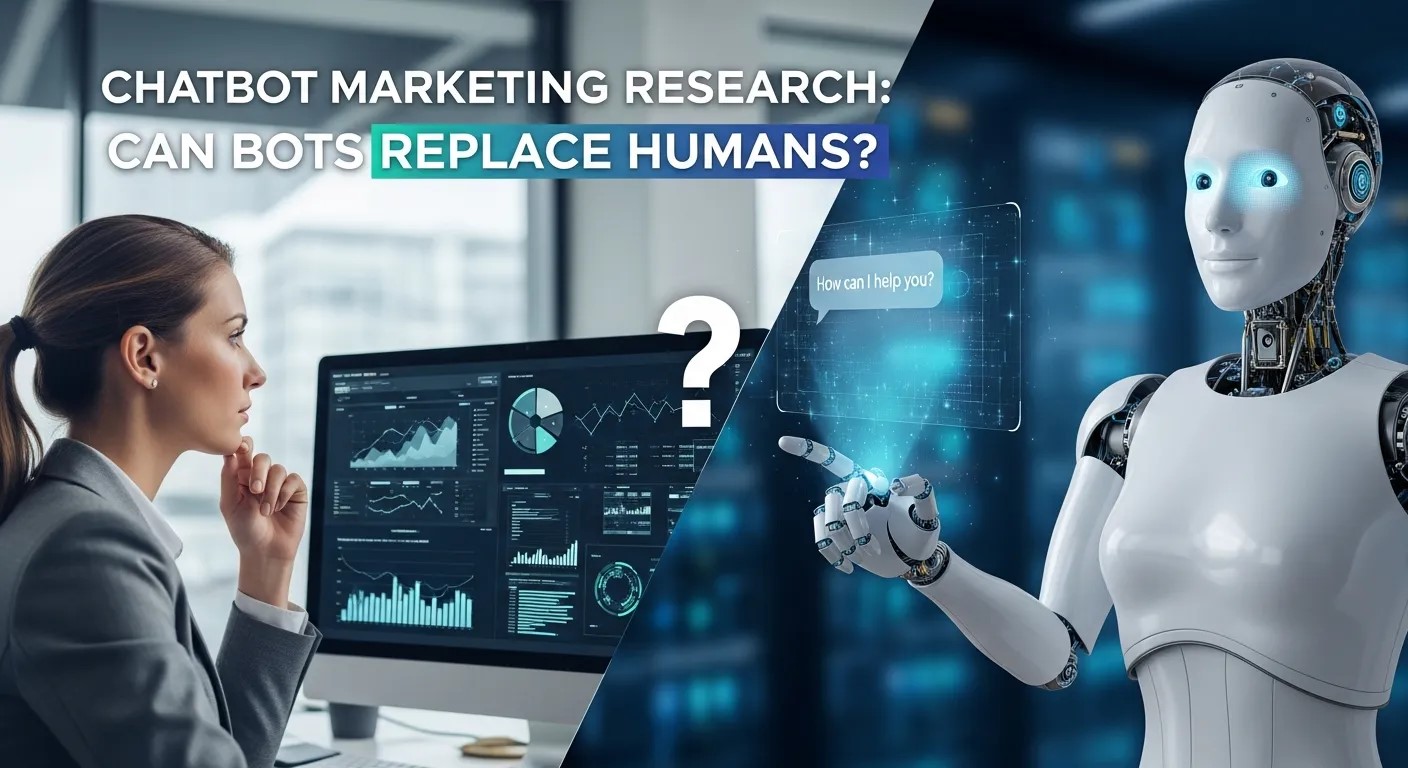
Home Chatbot Marketing Chatbot Marketing Research: Can Bots Replace Humans?

Chatbot Marketing Research: Can Bots Replace Humans?

150
0
Chatbot Marketing Research: Can Bots Replace Humans?

Chatbot marketing research improves data collection through fast, scalable conversations, but it cannot completely replace human insight. The best approach combines AI efficiency with human psychology and strategy, enabling businesses to gain accurate customer understanding, enhance experiences, and make smarter marketing decisions.

The Evolution of Marketing Intelligence

AI Chatbots for Stock Analysis research has always been about understanding human behavior. For decades, companies relied on surveys, focus groups, and manual data analysis to decode customer intent. Today, digital transformation has accelerated this process, and chatbot marketing research has emerged as a powerful tool that reshapes how brands collect and interpret insights.

Businesses are no longer limited to static questionnaires. Instead, conversational systems now gather real-time feedback, behavioral signals, and emotional cues. This shift is driven by rapid advancements in artificial intelligence, natural language processing, and automation. Marketers increasingly depend on chatbot marketing research to scale customer interactions while maintaining personalization.

However, an important question remains: can automated systems truly replace human marketers in understanding complex consumer psychology? The debate is not about technology versus people. It is about synergy, capability, and the boundaries of automation in decision-making.

Understanding this transformation requires exploring how chatbots function in research environments, what advantages they bring, and where human expertise still dominates.

Understanding Chatbot Marketing Research

Chatbot marketing research refers to the use of AI-powered conversational agents to collect, analyze, and interpret customer data through interactive dialogues. Unlike traditional research methods, these systems simulate natural conversations, encouraging users to share authentic responses.

The strength of chatbot marketing research lies in immediacy. Customers respond in real time, reducing recall bias and improving data accuracy. When users interact with chatbots on websites, apps, or messaging platforms, marketers gain access to behavioral insights that static forms cannot capture.

These systems integrate advanced technologies such as AI-NLP Chatbot Translation to communicate across languages and demographics. As a result, companies can conduct global research without geographic barriers. This accessibility increases participation rates and diversifies data pools.

Another major advantage is scalability. A single chatbot can engage thousands of users simultaneously, providing continuous streams of data. Human researchers cannot match this speed or volume without significant resource investment.

Yet, automation raises concerns about empathy, nuance, and interpretation. Marketing research often requires contextual understanding that machines may struggle to replicate. The balance between efficiency and emotional intelligence defines the ongoing conversation.

The Psychological Foundation of Consumer Conversations

What Is Chatbot Marketing? Everything You Need to Know 

Human psychology is central to effective marketing research. Consumers do not always express their true motivations explicitly. Skilled researchers interpret tone, hesitation, and emotional cues to uncover hidden insights.

Chatbot marketing research attempts to model these psychological dynamics through machine learning. Advanced algorithms analyze sentiment, keyword patterns, and conversational flow. These capabilities allow chatbots to detect satisfaction levels, confusion, or hesitation.

However, psychology is layered and culturally sensitive. While chatbots excel at pattern recognition, human researchers bring intuition shaped by experience. They understand context, irony, and subtle social signals that remain challenging for automated systems.

Interestingly, some users feel more comfortable sharing honest opinions with chatbots. The absence of human judgment can reduce social pressure. This phenomenon enhances data authenticity in certain scenarios.

As conversational commerce expands through AI Conversational Commerce, chatbots increasingly act as intermediaries between brands and customers. Their role extends beyond data collection to influencing purchasing decisions. This dual function highlights the growing importance of understanding psychological trust in automated interactions.

Advantages of Chatbots in Modern Marketing Research

Speed and Efficiency

Time is critical in competitive markets. Chatbot marketing research accelerates data collection by eliminating manual bottlenecks. Real-time analytics enable businesses to respond quickly to trends.

Cost Reduction

Automated systems significantly reduce operational costs. Organizations can deploy chatbots without hiring large research teams, making sophisticated analysis accessible to smaller businesses.

Data Consistency

Human researchers may introduce bias or inconsistency. Chatbots follow standardized protocols, ensuring uniform questioning and reliable datasets.

Global Accessibility

Language barriers diminish with integrated translation technologies. Companies reach diverse audiences and expand research scope without logistical complexity.

Continuous Learning

Machine learning allows chatbots to improve over time. They adapt to user behavior, refining question strategies and analytical models.

These strengths demonstrate why many organizations invest heavily in chatbot marketing research infrastructure.

Limitations of Chatbots in Replacing Human Researchers

Despite impressive capabilities, chatbots face limitations that prevent full human replacement.

Lack of Deep Empathy

Emotional intelligence remains a uniquely human trait. While chatbots simulate empathy, they cannot genuinely experience or interpret complex emotional states.

Contextual Misinterpretation

Automated systems may misunderstand ambiguous language, sarcasm, or cultural references. Such errors distort research outcomes.

Ethical Considerations

Privacy and transparency concerns arise when collecting conversational data. Ethical oversight requires human judgment and accountability.

Strategic Insight

Data interpretation involves creativity and strategic thinking. Human researchers synthesize information into actionable narratives that machines struggle to replicate independently.

These challenges suggest that chatbot marketing research complements rather than replaces human expertise.

Human–Machine Collaboration in Marketing Research

The future of marketing research lies in collaboration. Chatbots handle repetitive tasks and large-scale data processing, while humans focus on strategic interpretation.

This hybrid model maximizes strengths on both sides. Automated systems gather vast datasets efficiently. Human experts analyze nuanced patterns and design creative campaigns.

Emerging technologies such as AI Chatbots for Stock Analysis illustrate how specialized chatbots assist professionals rather than replacing them. Similarly, marketing researchers leverage chatbots as intelligent assistants.

The integration of advanced computing concepts like AR Quantum Computing hints at future capabilities where processing power enhances AI reasoning. Meanwhile, adaptive systems inspired by AR Autonomous Agents may enable more autonomous decision-making.

Even with these advancements, human oversight remains essential for ethical governance and strategic direction.

Real-World Applications Across Industries

Real-World Applications Across Industries

Retail and E-commerce

Retail brands use chatbots to gather instant feedback on shopping experiences. Insights influence product development and customer service improvements.

Healthcare

Medical organizations employ conversational systems to collect patient satisfaction data while maintaining accessibility.

Finance

Financial institutions analyze customer behavior and preferences through automated interactions, improving service personalization.

Education

Educational platforms gather learner feedback and adapt content delivery using conversational research tools.

Across sectors, chatbot marketing research drives informed decision-making and customer-centric innovation.

Data Analytics and Insight Generation

The true power of chatbot-driven research emerges during data analysis. Massive conversational datasets require advanced analytics frameworks.

Machine learning algorithms categorize responses, detect sentiment trends, and identify behavioral correlations. Visualization tools transform raw data into actionable insights.

However, human analysts interpret these results within broader business contexts. They connect patterns to strategic objectives and organizational goals.

The synergy between automation and human cognition ensures that chatbot marketing research produces meaningful outcomes rather than isolated statistics.

Ethical Frameworks and Transparency

Ethical marketing research demands transparency and user consent. Organizations must communicate how conversational data is used and protected.

Clear privacy policies build trust and encourage participation. Human oversight ensures ethical compliance and responsible AI deployment.

Transparency also influences perception. When users understand chatbot functions, they engage more confidently. Ethical governance strengthens long-term brand relationships.

Future Trends in Chatbot Marketing Research

Technological progress continues to expand chatbot capabilities. Natural language understanding becomes more sophisticated, enabling deeper conversational nuance.

Integration with immersive technologies may transform how research is conducted. Virtual and augmented environments could simulate realistic consumer scenarios.

Predictive analytics will anticipate customer needs before explicit expression. These advancements position chatbot marketing research as a cornerstone of data-driven marketing ecosystems.

Yet, human creativity, empathy, and ethical reasoning will remain irreplaceable pillars of effective research.

Strategic Implementation for Businesses

Organizations adopting chatbot research systems must follow structured strategies:

Strategy Area Key Actions Expected Outcome
Objective Definition Align chatbot goals with research needs Focused data collection
Platform Integration Embed chatbots across channels Broader reach
Continuous Training Update AI models regularly Improved accuracy
Human Oversight Assign expert supervision Ethical compliance
Performance Measurement Track engagement metrics Optimization insights

Successful implementation requires balancing automation with human expertise.

The Human Element in a Technological Landscape

The Human Element in a Technological Landscape

Even as automation advances, marketing research remains fundamentally human-centered. Technology serves as a tool, not a replacement for human understanding.

Chatbot marketing research enhances efficiency and scalability. However, interpreting human behavior demands empathy, creativity, and ethical awareness.

The most effective organizations recognize that innovation thrives when humans and machines collaborate. Rather than asking whether bots can replace people, the more productive question is how they can empower human researchers to achieve deeper insights.
Expanding the Role of Automation in Chatbot Marketing Research

As digital ecosystems grow more complex, chatbot marketing research becomes a central pillar of modern marketing strategy. Companies are no longer experimenting with chatbot marketing research as a side project. Instead, they are embedding chatbot marketing research into their core decision-making frameworks. This shift reflects a deeper understanding that continuous conversational data offers a competitive advantage.

One major transformation is the move from periodic surveys to always-on chatbot marketing research systems. Traditional research often happens in campaigns or scheduled intervals. In contrast, chatbot marketing research runs continuously, collecting insights every time a customer interacts with a brand. This persistent feedback loop enables organizations to detect micro-trends before they escalate into large market shifts.

From a psychological perspective, continuous chatbot marketing research captures authentic emotional states. Customers share opinions immediately after experiences, reducing memory distortion. This immediacy strengthens the reliability of insights and allows marketers to design more responsive strategies.

Another emerging dimension is personalization. Advanced chatbot marketing research platforms adapt questions based on previous responses. This dynamic questioning mimics skilled human interviewers and increases engagement. When users feel understood, they provide richer and more honest feedback, which enhances the overall value of chatbot marketing research.

Behavioral Data and Predictive Intelligence

Modern chatbot marketing research is not limited to collecting explicit answers. It also analyzes behavioral signals such as response speed, conversation flow, and engagement patterns. These hidden metrics reveal subconscious preferences that customers may not articulate directly.

Predictive modeling transforms chatbot marketing research into a forward-looking tool. Instead of only describing past behavior, businesses use chatbot marketing research to forecast future actions. For example, sentiment trends gathered through chatbot marketing research can predict customer churn or brand loyalty.

This predictive capability changes how organizations allocate resources. Marketing teams use chatbot marketing research insights to prioritize campaigns, optimize messaging, and refine customer journeys. The ability to anticipate needs gives companies a proactive advantage.

However, predictive systems still require human validation. Analysts interpret chatbot marketing research outputs within broader social and economic contexts. This collaboration ensures that automated predictions align with real-world complexity.

Enhancing Customer Experience Through Conversational Insight

Customer experience design increasingly depends on chatbot marketing research. Every interaction becomes both a service moment and a research opportunity. By integrating chatbot marketing research into customer support channels, companies gather feedback without interrupting the user journey.

Seamless integration is crucial. When chatbot marketing research feels natural rather than intrusive, participation rates increase. Well-designed conversational flows encourage users to express opinions spontaneously. This organic data collection produces more accurate insights than forced questionnaires.

Furthermore, chatbot marketing research supports rapid experimentation. Businesses can test new ideas by deploying conversational prompts and analyzing responses in real time. This agile approach accelerates innovation cycles and reduces the risk of large-scale failures.

From a human psychology standpoint, conversational engagement builds trust. Users perceive interactive dialogue as more personal than static forms. As trust grows, chatbot marketing research generates deeper qualitative insights that inform brand strategy.

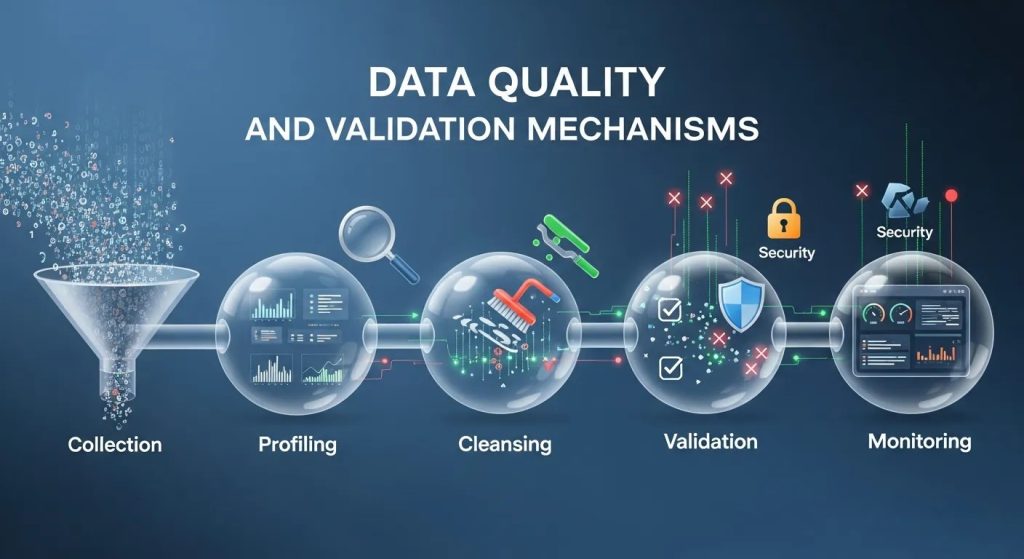
Data Quality and Validation Mechanisms

Data Quality and Validation Mechanismsc

A common concern about chatbot marketing research involves data quality. Large datasets are valuable only when accuracy is maintained. To address this challenge, organizations implement validation layers within chatbot marketing research systems.

Automated consistency checks identify contradictory responses. Machine learning models flag anomalies and request clarification during conversations. These mechanisms improve reliability without human intervention.

At the same time, human auditors review chatbot marketing research samples to ensure interpretive accuracy. This hybrid validation model combines computational precision with expert judgment. The result is a more trustworthy research framework.

Data triangulation further strengthens chatbot marketing research. Companies compare conversational insights with transactional data, social analytics, and observational studies. Cross-referencing multiple sources reduces bias and confirms emerging patterns.

Organizational Impact and Workforce Transformation

The adoption of chatbot marketing research reshapes internal organizational structures. Marketing teams evolve from manual data collectors into strategic interpreters of automated insights. This transition changes skill requirements and professional roles.

Employees working alongside chatbot marketing research systems develop hybrid competencies. They learn to manage AI tools, interpret analytics, and apply psychological principles to strategy. Rather than eliminating jobs, chatbot marketing research redefines them.

Training programs become essential. Organizations invest in education that helps teams understand the mechanics and limitations of chatbot marketing research. Informed employees use technology more effectively and ethically.

Leadership also adapts. Decision-makers rely increasingly on chatbot marketing research dashboards to guide strategy. Real-time visibility into customer sentiment influences executive planning and resource allocation.

Scalability and Global Market Expansion

One of the most powerful aspects of chatbot marketing research is scalability. As businesses expand into new markets, chatbot marketing research provides instant access to regional insights. Companies no longer need to build large local research infrastructures before entering new territories.

Scalable chatbot marketing research supports multilingual and multicultural engagement. Conversational systems adjust to local norms and communication styles. This adaptability enables brands to understand diverse audiences without sacrificing efficiency.

Global scalability also enhances competitive positioning. Firms that leverage chatbot marketing research respond faster to international trends. They identify opportunities and risks before slower competitors can react.

Despite this scalability, cultural interpretation still benefits from human expertise. Regional specialists contextualize chatbot marketing research findings within social frameworks. This collaboration ensures that expansion strategies respect local sensitivities.

Integration with Broader Marketing Ecosystems

Chatbot marketing research does not operate in isolation. Its effectiveness increases when integrated with broader marketing technologies. Customer relationship management systems, analytics platforms, and automation tools all connect to chatbot marketing research pipelines.

This integration creates unified data ecosystems. Insights gathered through chatbot marketing research inform advertising strategies, product development, and service design. Consistent information flow improves organizational coherence.

Feedback loops become faster and more precise. Marketing campaigns generate responses that feed directly into chatbot marketing research systems. Continuous iteration refines messaging and targeting.

Such ecosystem integration positions chatbot marketing research as a strategic intelligence hub. Rather than serving a narrow research function, it becomes a central component of enterprise decision-making.

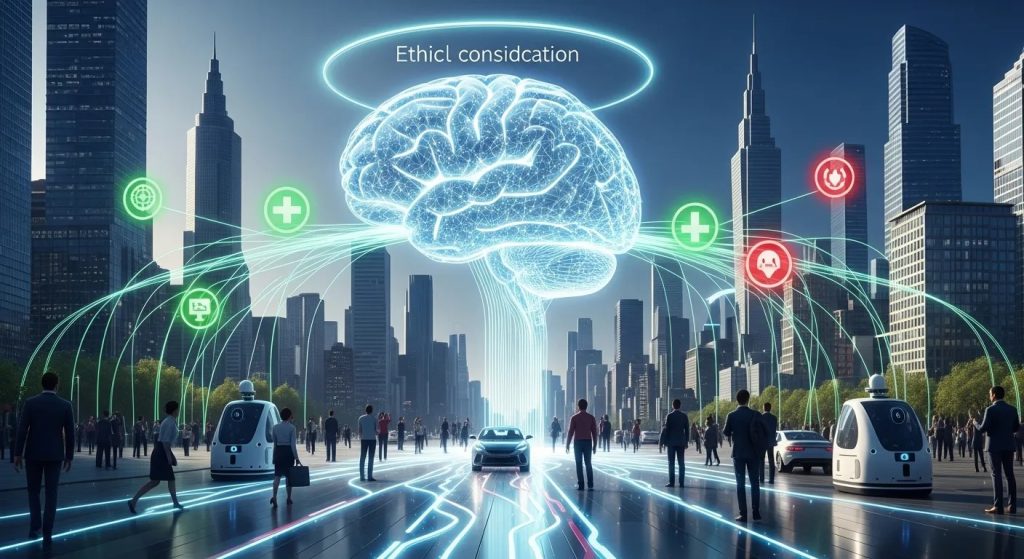
Ethical Responsibility in Large-Scale Deployment

Ethical Responsibility in Large-Scale Deployment

As chatbot marketing research expands, ethical responsibility grows proportionally. Large-scale conversational data collection raises questions about consent, transparency, and fairness.

Organizations deploying chatbot marketing research must design clear disclosure mechanisms. Users should understand when they are participating in research and how their information will be used. Transparent communication fosters trust and long-term engagement.

Bias mitigation is another ethical priority. Developers continuously monitor chatbot marketing research algorithms to prevent discriminatory patterns. Inclusive design ensures that insights represent diverse populations accurately.

Human oversight remains the cornerstone of ethical governance. Ethics committees and compliance teams supervise chatbot marketing research initiatives. Their role is to balance innovation with social responsibility.

Conclusion

Chatbot marketing research is transforming how businesses understand customers by combining speed, scalability, and intelligent data analysis. While chatbots cannot fully replace human researchers, they significantly enhance research efficiency and insight generation. The strongest results come from collaboration, where automated systems collect and process vast data while humans interpret emotional nuance and strategic meaning. Organizations that balance technology with human expertise gain deeper customer understanding and competitive advantage. As innovation continues, chatbot marketing research will remain a powerful tool that supports smarter decisions, personalized experiences, and sustainable growth in an increasingly data-driven marketing landscape.

Frequently Asked Questions

What is chatbot marketing research?

Chatbot marketing research is the use of AI-powered conversational systems to collect and analyze customer feedback, behavior, and preferences through interactive digital conversations.

Can chatbots fully replace human researchers?

No. Chatbots enhance speed and scalability, but human researchers are still essential for emotional interpretation, ethical judgment, and strategic decision-making.

What are the main benefits of chatbot-based research?

Key benefits include real-time data collection, cost efficiency, scalability, consistent questioning, and the ability to gather insights from global audiences.

Are customers comfortable sharing data with chatbots?

Many users feel more comfortable sharing honest feedback with chatbots because conversations feel less judgmental and more private than human interviews.

How can businesses implement chatbot research effectively?

Businesses should combine AI tools with human oversight, ensure ethical data practices, continuously train systems, and integrate chatbot insights with broader marketing strategies.

LEAVE A REPLY

Please enter your comment!
Please enter your name here