Chatbots for marketing enable personalized, real-time customer interactions. By utilizing AI Multilanguage Support Bots and other AI-driven tools, marketers can expand reach, improve engagement, boost sales, and optimize campaigns across global audiences efficiently.
Introduction to Chatbots for Marketing
In the fast-paced world of digital marketing, businesses are constantly looking for innovative ways to engage their audience. Chatbots for marketing have emerged as one of the most powerful tools, enabling real-time communication and seamless customer experiences. By integrating AI-driven systems, companies can respond to customer inquiries instantly, guide purchasing decisions, and even gather data to refine their marketing strategies. As consumers increasingly expect immediate responses, chatbots for marketing provide a unique opportunity to deliver personalized interactions at scale, helping brands stay ahead in competitive markets.
From small businesses to global enterprises, marketers are recognizing that automation doesn’t mean sacrificing the human touch. Advanced chatbots can simulate human conversation while maintaining consistency, accuracy, and availability 24/7. The integration of AI Multilanguage Support Bots further expands these capabilities, allowing businesses to reach diverse international audiences without language barriers, ensuring that marketing campaigns resonate across regions and cultures.
The Evolution of Chatbots in Marketing
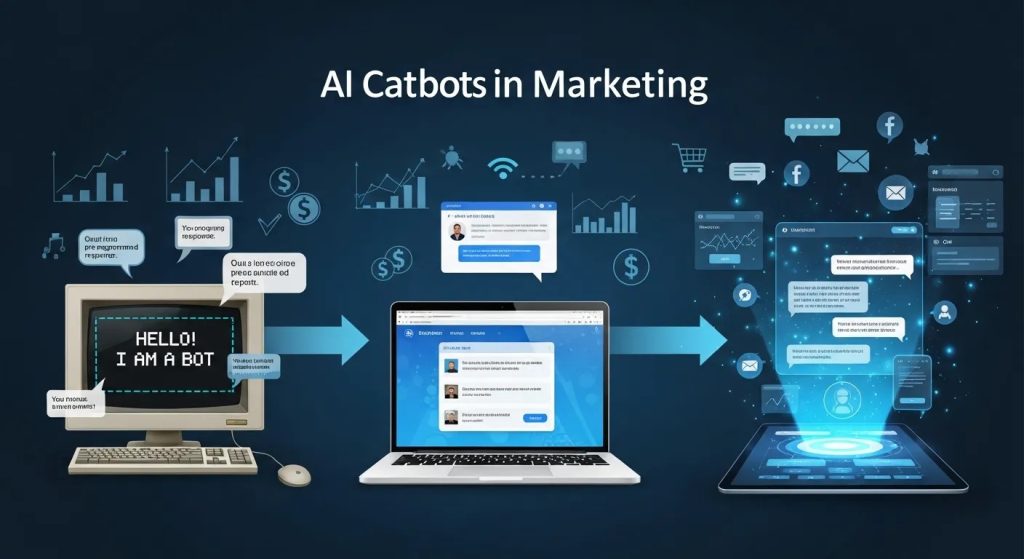
Over the past decade, chatbots for marketing have evolved from simple scripted programs to sophisticated AI-powered assistants. Early chatbots relied on predefined rules, providing limited responses that often frustrated users. Today, advancements in natural language processing and machine learning have enabled the creation of AI-NLP Chatbot Translation, allowing chatbots to understand and respond in multiple languages and adapt to various contexts.
Modern marketers now have access to Transparent AI Chatbots, which not only interact with users but also provide insights into behavior, preferences, and engagement patterns. This transparency fosters trust and allows companies to optimize campaigns more effectively. For example, e-commerce platforms use AI Sales Bot solutions to recommend products based on real-time browsing history, dramatically improving conversion rates.
Benefits of Chatbots for Marketing
1. Enhanced Customer Engagement
Chatbots for marketing offer round-the-clock engagement, ensuring that customers receive timely responses. Unlike traditional channels, these AI-driven systems can handle multiple interactions simultaneously, providing consistent support without delays. Incorporating AI Multilanguage Support Bots ensures that global audiences feel understood, enhancing satisfaction and brand loyalty.
Moreover, chatbots can deliver personalized messaging, such as tailored promotions, product suggestions, or content recommendations. The ability to adapt communication based on customer behavior demonstrates the intelligence of AI-NLP Chatbot Translation, bridging language and cultural gaps in real-time.
2. Cost-Effective Marketing Automation
Investing in chatbots for marketing reduces reliance on large customer service teams, lowering operational costs while maintaining high-quality interactions. Businesses can automate lead generation, qualification, and follow-ups, freeing human agents to focus on complex queries. The integration of AI Sales Bot capabilities ensures that potential customers receive immediate product guidance and persuasive recommendations, improving ROI on marketing campaigns.
3. Data-Driven Insights
One of the most significant advantages of chatbots for marketing is their ability to collect and analyze user data. Through conversation logs, behavior tracking, and preference mapping, marketers gain actionable insights to refine messaging, optimize campaigns, and anticipate consumer needs. Tools like Transparent AI Chatbots provide analytics dashboards that visualize engagement metrics, response times, and satisfaction rates, helping decision-makers make data-informed strategies.
4. Scalability Across Markets
With AI Multilanguage Support Bots, businesses can scale marketing efforts across multiple regions without the need for hiring native speakers or regional teams. Combining this with AR Quantum Computing allows companies to process vast datasets, generate insights faster, and implement marketing strategies across diverse geographies efficiently. Additionally, AR Autonomous Agents can simulate market responses, enabling marketers to test campaigns virtually before launch.
5. Personalized Customer Journeys
By leveraging AI-driven personalization, chatbots for marketing can tailor user journeys from initial inquiry to purchase and beyond. Integrating AI-NLP Chatbot Translation ensures that users receive contextual responses in their preferred language, fostering engagement and trust. Whether recommending products through AI Sales Bot functionalities or providing post-purchase support, chatbots create a seamless experience that mirrors human interaction but at digital speed and scale.
How Chatbots for Marketing Work
Understanding how chatbots for marketing operate is crucial for any marketer aiming to integrate them effectively. At their core, chatbots use artificial intelligence to simulate human-like conversations, enabling users to interact with brands in real time. These systems rely on algorithms that interpret user input, identify intent, and deliver appropriate responses.
The evolution of AI technologies, including AI-NLP Chatbot Translation, allows chatbots to understand diverse language patterns, slang, and contextual cues. This capability ensures that communication remains fluid, accurate, and natural, regardless of the customer’s language or location. Moreover, the inclusion of AI Multilanguage Support Bots enables companies to run global campaigns seamlessly, expanding their reach without creating separate regional marketing teams.
In addition to text-based communication, chatbots are increasingly incorporating voice recognition and conversational interfaces. This convergence of AI and voice technology makes interactions more human-like, creating a sense of personalization that customers value. Some advanced systems even use Transparent AI Chatbots to display their AI-driven nature, fostering trust and clarity in interactions.
Types of Chatbots for Marketing
Marketers can choose from several types of chatbots depending on their goals, target audience, and technical infrastructure. Here’s a breakdown of the most common types:
| Type | Purpose | Features | Example Use Case |
|---|---|---|---|
| Rule-Based Chatbots | Basic automated responses | Scripted Q&A, limited flexibility | Answering FAQs on a website |
| AI-Powered Chatbots | Intelligent, adaptive interaction | NLP, context-aware, learns over time | Personalized product recommendations |
| Sales Chatbots | Drive conversions | AI Sales Bot integration, lead qualification | Guiding visitors to checkout |
| Multilingual Chatbots | Global customer engagement | AI Multilanguage Support Bots, translation | Serving international clients without language barriers |
| Transparent Chatbots | Builds trust with users | Displays AI-driven nature, analytics reporting | Customer support in finance or healthcare sectors |
This table demonstrates how chatbots for marketing can be strategically selected based on specific business needs. Incorporating AR Quantum Computing in backend systems further enhances their processing speed and predictive analytics capabilities, enabling highly sophisticated marketing campaigns. Meanwhile, AR Autonomous Agents can simulate interactions across multiple customer personas, helping marketers test and optimize strategies before live deployment.
Implementing Chatbots in Your Marketing Strategy

Step 1: Identify Marketing Goals
Before deploying chatbots for marketing, it is critical to define clear objectives. Goals might include lead generation, customer engagement, upselling products, or improving post-purchase support. By identifying these objectives, businesses can select the most suitable chatbot type, whether it’s a Transparent AI Chatbot for trust-building or an AI Sales Bot to guide purchase decisions.
Step 2: Choose the Right Platform
Chatbots can be integrated across websites, social media platforms, mobile apps, and messaging services. Choosing the correct platform ensures that chatbots for marketing reach customers where they are most active. For global campaigns, integrating AI Multilanguage Support Bots across these platforms guarantees consistent engagement with audiences from different regions.
Step 3: Design Conversational Flow
Designing a conversational flow is crucial for user satisfaction. Marketers must ensure that the chatbot understands user intent, provides relevant responses, and guides users toward their goals. Utilizing AI-NLP Chatbot Translation during this stage allows the system to handle multilingual conversations naturally, creating a seamless experience for every user.
Step 4: Monitor and Optimize
Deployment is not the final step. Chatbots for marketing require ongoing monitoring and optimization to remain effective. Analytics from Transparent AI Chatbots can reveal response accuracy, engagement rates, and drop-off points. Marketers can then refine conversational scripts, integrate AI Sales Bot recommendations, and enhance personalized interactions for maximum ROI.
Advanced Use Cases of Chatbots in Marketing
E-commerce and Retail
Online retailers are leveraging chatbots for marketing to provide instant customer support, product recommendations, and personalized promotions. AI Sales Bot integration ensures that browsing history, purchase patterns, and user preferences inform each interaction, leading to higher conversion rates. By incorporating AI Multilanguage Support Bots, retailers can cater to international shoppers, offering language-specific promotions without additional staffing.
Finance and Banking
Financial institutions deploy Transparent AI Chatbots to answer customer inquiries, assist with transactions, and provide investment insights. Some advanced platforms utilize AI-NLP Chatbot Translation to serve clients in multiple languages, ensuring clarity and trust in sensitive financial communications. Meanwhile, AR Quantum Computing helps process complex data sets to deliver faster and more accurate financial advice.
Travel and Hospitality
The travel industry benefits from chatbots for marketing by automating booking processes, providing itinerary suggestions, and delivering local recommendations. AI Multilanguage Support Bots ensure global travelers receive information in their native language, improving satisfaction. Additionally, AR Autonomous Agents can simulate travel scenarios to predict customer needs and optimize service offerings.
Healthcare
Healthcare providers use Transparent AI Chatbots to manage appointments, answer patient queries, and provide preliminary health guidance. AI-driven solutions like AI-NLP Chatbot Translation allow medical facilities to communicate with non-native speakers efficiently, improving accessibility and patient experience.
Leveraging AI Multilanguage Support Bots for Global Reach
Global expansion requires effective communication across multiple languages and cultures. AI Multilanguage Support Bots enable businesses to maintain a consistent brand voice while interacting with diverse audiences. By integrating chatbots for marketing into international campaigns, marketers can automate lead generation, provide customer support, and execute promotions without language barriers.
The strategic placement of AR Quantum Computing in backend analytics allows real-time processing of multilingual customer interactions, ensuring accurate interpretation and response. Furthermore, AR Autonomous Agents can simulate regional market behaviors, enabling marketers to anticipate trends and tailor campaigns effectively.
Measuring the Effectiveness of Chatbots for Marketing
One of the most critical aspects of implementing chatbots for marketing is tracking their effectiveness. Analytics allow marketers to understand engagement patterns, conversion rates, and overall ROI. Key performance indicators (KPIs) include user retention, conversation completion rates, lead generation, and customer satisfaction scores. By analyzing these metrics, businesses can refine their strategies and ensure that chatbots for marketing contribute meaningfully to growth objectives.
Integrating Transparent AI Chatbots into analytics dashboards provides detailed visibility into how users interact with the system. Metrics such as average response time, drop-off points, and engagement duration reveal opportunities for optimization. Additionally, businesses can monitor the performance of AI Sales Bot functionalities to assess which product recommendations or promotions drive the most conversions.
Global brands also leverage AI Multilanguage Support Bots to measure engagement across different regions. For example, companies can compare response times and satisfaction rates for multilingual audiences, ensuring marketing campaigns resonate universally. Using AI-NLP Chatbot Translation within these systems ensures accurate interpretation of feedback and conversation context, providing actionable insights for campaign refinement.
Chatbot Integration Across Marketing Channels
To maximize impact, chatbots for marketing should be integrated across multiple channels where customers interact with brands:
1. Website Chatbots
Website chatbots serve as the first point of contact for potential customers. By deploying AI Multilanguage Support Bots, companies ensure that international visitors receive contextual responses in their native languages. This improves engagement, reduces bounce rates, and increases the likelihood of conversions.
2. Social Media Chatbots
Platforms like Facebook Messenger, WhatsApp, and Instagram have become vital for customer engagement. Chatbots for marketing on these platforms can answer questions, deliver promotions, and guide users toward purchasing decisions. Integration with AI Sales Bot functionality allows real-time recommendations based on user interactions and browsing history.
3. Mobile App Chatbots
Mobile apps benefit from embedded chatbots for marketing that provide seamless assistance without requiring users to leave the platform. Apps can leverage AI-NLP Chatbot Translation to serve multilingual audiences, enhancing usability and retention. Notifications and in-app prompts powered by chatbots drive engagement and encourage timely actions from users.
4. Email and Messaging Campaigns
Advanced chatbots can personalize email or messaging campaigns. By analyzing past interactions and leveraging AI Multilanguage Support Bots, businesses can tailor content for different segments, enhancing open rates and click-throughs. This automation reduces manual effort while maintaining a personal touch.
Case Study Examples of Chatbots for Marketing
E-commerce Brand
A global e-commerce brand implemented chatbots for marketing to streamline customer service and product recommendations. With AI Multilanguage Support Bots, they were able to serve international customers effectively, resulting in a 35% increase in conversions. Integrating AI Sales Bot features allowed for personalized product suggestions, and Transparent AI Chatbots provided insights into user behavior, helping refine marketing campaigns further.
Travel Agency
A leading travel agency deployed AI-NLP Chatbot Translation in its booking system. By offering multilingual support and instant assistance, customer satisfaction scores improved dramatically. The agency also experimented with AR Autonomous Agents to simulate travel scenarios, enabling predictive recommendations and optimized package suggestions.
Finance Platform
A fintech platform adopted Transparent AI Chatbots to handle client inquiries and provide investment guidance. Incorporating AI Multilanguage Support Bots allowed them to expand into international markets without hiring additional staff. Backend systems leveraging AR Quantum Computing processed complex financial data rapidly, ensuring accurate and timely insights for clients.
Challenges in Implementing Chatbots for Marketing
While the benefits of chatbots for marketing are significant, several challenges must be addressed for successful deployment:
- Understanding Natural Language – Even advanced AI-NLP Chatbot Translation systems can struggle with slang, idioms, or regional dialects. Continuous training and updates are required to maintain effectiveness.
- Maintaining Personalization – Automated responses can feel impersonal if not carefully designed. Leveraging AI Multilanguage Support Bots and AI Sales Bot functionality can enhance personalization while maintaining scalability.
- Data Privacy and Security – Handling customer data securely is essential. Transparent practices and compliance measures using Transparent AI Chatbots foster trust and minimize risks.
- Integration Complexity – Incorporating chatbots across websites, apps, and social platforms requires technical planning. Advanced infrastructures like AR Quantum Computing can simplify processing, but careful implementation is necessary.
Future Trends in Chatbots for Marketing
As technology evolves, chatbots for marketing are becoming smarter, more intuitive, and increasingly integral to digital strategy. Key trends include:
- Voice-Enabled Conversational Interfaces – AI-driven voice assistants will complement text-based chatbots, allowing seamless hands-free interactions.
- Predictive Personalization – Using machine learning and behavioral data, chatbots can anticipate customer needs and proactively suggest products or services.
- Advanced Multilingual Support – AI Multilanguage Support Bots will continue to expand, enabling brands to communicate in more languages without human intervention.
- Integration with AR and AI Systems – Leveraging AR Quantum Computing and AR Autonomous Agents can provide immersive marketing experiences, such as virtual product trials or interactive campaigns.
- Ethical and Transparent AI – Customers increasingly demand honesty about AI usage. Transparent AI Chatbots will play a critical role in maintaining trust and ensuring responsible marketing practices.
Conclusion
Chatbots for marketing have transformed the way businesses engage with customers, offering real-time interaction, personalized experiences, and global reach through AI Multilanguage Support Bots. By integrating AI-NLP Chatbot Translation, Transparent AI Chatbots, and AI Sales Bot functionalities, marketers can streamline operations, improve conversion rates, and gather actionable insights. Advanced technologies like AR Quantum Computing and AR Autonomous Agents further enhance strategic decision-making. As customer expectations evolve, leveraging chatbots ensures that brands remain competitive, responsive, and innovative. Embracing AI-driven marketing tools is no longer optional it’s essential for sustainable growth and meaningful engagement.
Frequently Asked Questions (FAQ)
What are chatbots for marketing?
They are AI-driven systems designed to interact with customers, provide information, guide purchases, and collect data to improve marketing strategies.
How do AI Multilanguage Support Bots help businesses?
They enable communication across different languages, expanding global reach and ensuring consistent brand messaging.
Can chatbots increase sales?
Yes. With AI Sales Bot features, chatbots recommend products, qualify leads, and guide customers through purchasing journeys.
Are chatbots suitable for small businesses?
Absolutely. Even small businesses can leverage chatbots to automate customer support, engage audiences, and run cost-effective marketing campaigns.
How do chatbots collect useful data?
Through conversation logs, user behavior tracking, and analytics from Transparent AI Chatbots, marketers gain actionable insights to refine strategies.