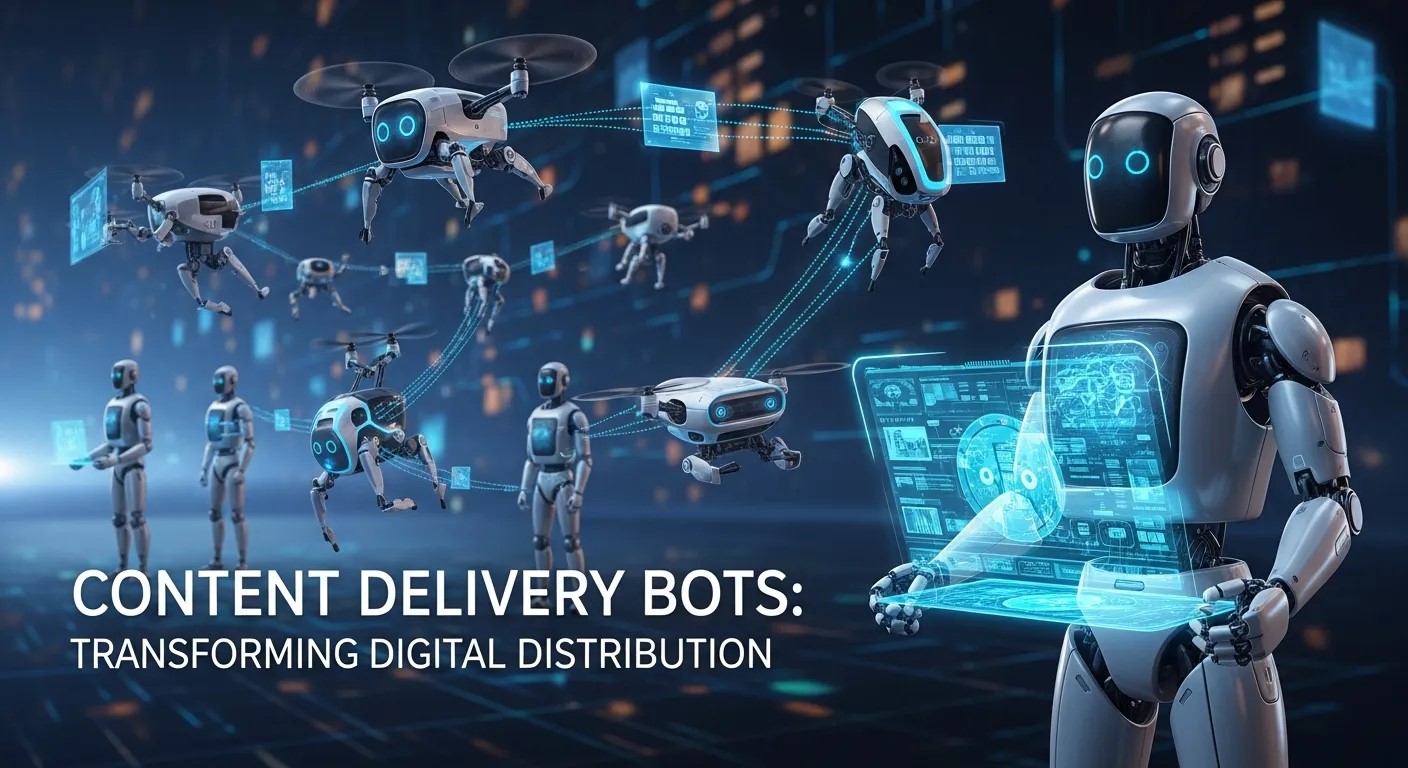
Content Delivery Bots streamline content distribution, enhance personalization, and improve engagement. Integrated with AI assistants and event bots, they provide scalable, efficient, and intelligent solutions, helping businesses optimize strategy, boost ROI, and maintain consistent audience interaction.
Understanding Content Delivery Bots
In the digital age, businesses are constantly seeking smarter ways to distribute content effectively. Content Delivery Bots are emerging as one of the most transformative technologies in this realm, streamlining how information reaches audiences across multiple channels. Unlike traditional distribution methods, these bots automate the delivery process, ensuring that the right content reaches the right audience at the right time.
These tools are designed to optimize engagement by leveraging algorithms that analyze user behavior. For instance, by tracking which types of content perform well on specific platforms, Content Delivery Bots can adapt delivery schedules, formats, and even messaging styles to maximize impact. This capability not only enhances efficiency but also reduces the dependency on human intervention for routine content dissemination tasks.
Organizations are increasingly integrating these bots into their operational strategies. Marketing teams, in particular, benefit from the scalability they offer. When combined with other intelligent systems, such as Virtual Customer Assistants, companies can create a seamless ecosystem where content distribution and user interaction are interconnected. This integration allows businesses to maintain consistent communication with their audience while also analyzing engagement metrics to refine future campaigns.
How Content Delivery Bots Work
The mechanics behind Content Delivery Bots are grounded in artificial intelligence and machine learning. These bots are capable of understanding patterns in audience behavior, predicting what type of content is likely to resonate, and distributing it across the most effective channels. Many bots use natural language processing (NLP) to determine the tone, style, and relevance of content, ensuring that messaging aligns with the audience’s expectations.
For instance, an AI-powered bot may detect that certain blog articles receive higher engagement when shared in the morning on social media platforms, while video content performs better in the evenings. Based on these insights, the bot schedules content delivery automatically, optimizing reach and engagement without requiring continuous manual oversight.
Additionally, these systems can interact with various platforms simultaneously. Integration with email marketing tools, social media accounts, and content management systems ensures that updates are synchronized across channels. This multi-platform coordination is crucial for businesses aiming to maintain a cohesive digital presence. Content Delivery Bots not only save time but also improve consistency, reducing the chances of human error in content scheduling.
Benefits of Using Content Delivery Bots
Efficiency and Scalability
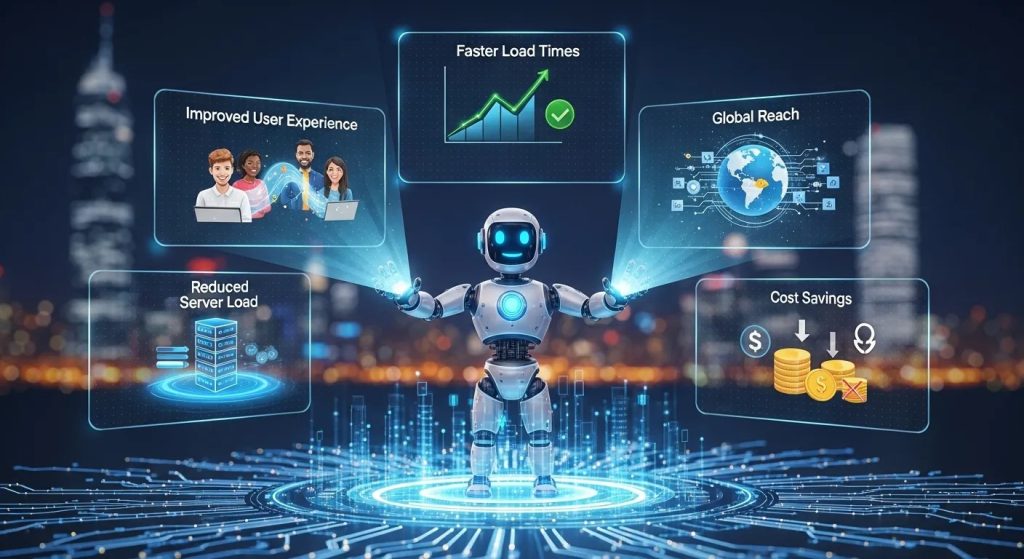
One of the primary advantages of Content Delivery Bots is their ability to handle large volumes of content efficiently. Businesses no longer need to manually post updates, respond to queries, or monitor engagement across dozens of channels. The bots automate repetitive tasks, allowing human teams to focus on strategy, creativity, and high-level decision-making.
Enhanced Audience Engagement
By analyzing user behavior in real-time, these bots can adjust the type, timing, and format of content to maximize engagement. For instance, certain posts may be prioritized for mobile users or optimized for different demographic groups. This data-driven approach ensures that the content resonates with each segment of the audience, fostering stronger relationships and higher retention rates.
Integration with Other Intelligent Systems
Beyond distribution, Content Delivery Bots often operate alongside other AI-driven tools, such as Intelligent Marketing Assistants. This combination allows for predictive insights, automated campaign adjustments, and personalized recommendations based on user behavior. The synergy between different AI systems creates a more holistic approach to digital marketing and communication.
Cost-Effectiveness
Automating content delivery reduces the need for extensive human labor, cutting operational costs significantly. For businesses scaling rapidly or managing multiple campaigns simultaneously, the efficiency gains translate directly into cost savings and improved ROI.
Real-World Applications of Content Delivery Bots
Content delivery bots are not just theoretical solutions; they are actively transforming digital distribution strategies across industries.
- Marketing Campaigns: Many brands employ bots to schedule posts, send newsletters, and personalize messaging for different audience segments. By leveraging AI analytics, marketers can optimize campaigns based on real-time engagement metrics.
- Event Promotions: Businesses hosting online events rely on Event and Webinar Bots to automate reminders, registration confirmations, and follow-up messages. This ensures attendees stay informed and engaged throughout the event lifecycle.
- Customer Service Integration: Bots work seamlessly with AI Customer Service Bots to distribute relevant content in response to customer queries, creating a more efficient support experience. For example, if a user asks a question about a product, the bot can deliver instructional videos, FAQs, or guides directly to the user.
Advanced Strategies with Content Delivery Bots
As businesses adopt Content Delivery Bots, the focus is shifting from basic automation to advanced strategies that combine predictive analytics, personalization, and real-time optimization. Modern bots are capable of not just distributing content but also learning from audience interactions to refine future delivery patterns. This iterative intelligence ensures that digital distribution becomes increasingly efficient and effective over time.
For instance, a company may notice that certain blog topics consistently generate high engagement. The Content Delivery Bots can prioritize similar content for distribution, schedule posts at peak engagement times, and even suggest complementary content to nurture leads. By using historical performance data, the bots help marketers make data-driven decisions without the need for manual intervention.
Personalization at Scale
One of the most powerful capabilities of these bots is their ability to deliver personalized content at scale. By analyzing user demographics, browsing patterns, and engagement metrics, Content Delivery Bots can tailor messaging for each individual. This goes beyond basic segmentation; the system can adapt content dynamically depending on the user’s context, device, or location.
Such personalization is further enhanced when combined with Virtual Customer Assistants, which interact with users in real-time, providing personalized recommendations, answers to queries, or directing users to relevant content. Together, these technologies create a highly responsive and adaptive content ecosystem, significantly improving user experience and engagement.
Industry-Specific Applications
Marketing and E-Commerce
In marketing and e-commerce, Content Delivery Bots are invaluable for managing omnichannel campaigns. Bots automate product updates, promotional messaging, and social media scheduling, ensuring that audiences receive timely, relevant content. Integration with Intelligent Marketing Assistants enables marketers to track conversions, A/B test messaging, and adjust campaigns in real-time.
Events and Webinars
Organizing digital events and webinars has become more streamlined thanks to Event and Webinar Bots. These bots handle registration confirmations, send reminders, and distribute follow-up materials automatically. By doing so, organizers can focus on content quality and engagement strategies while ensuring participants remain informed and connected throughout the event lifecycle.
Customer Support and Knowledge Distribution
Businesses increasingly rely on AI Customer Service Bots to distribute relevant information and content directly to users. For example, if a customer inquires about a new product, the bot can deliver instructional guides, FAQs, or personalized recommendations immediately. This integration reduces response time, improves user satisfaction, and ensures that content reaches the right audience without delay.
Media and Publishing
Media companies benefit from Content Delivery Bots by automating article distribution, newsletter campaigns, and social media syndication. By analyzing readership data, bots optimize content delivery schedules and formats to maximize audience reach and engagement. This allows publishers to focus on content creation while bots handle distribution and audience analytics.
Technical Workflows of Content Delivery Bots
The workflow of a sophisticated Content Delivery Bot involves multiple stages:
- Content Ingestion: The bot collects content from various sources such as blogs, social media, or multimedia repositories.
- Analysis and Categorization: Using AI and natural language processing, the bot categorizes content based on topic, format, and target audience.
- Distribution Planning: The bot creates a delivery schedule optimized for peak engagement times across multiple channels.
- Personalization Layer: User data and behavior patterns are analyzed to tailor content delivery for individual users.
- Multi-Platform Distribution: The bot executes content posting or sending across social media, email, and other integrated platforms.
- Performance Tracking: Engagement metrics, click-through rates, and conversions are monitored to refine future delivery strategies.
This multi-step workflow allows businesses to achieve efficient, scalable, and highly targeted content distribution, reducing reliance on manual operations while maximizing ROI.
Measuring Success with Content Delivery Bots
Effective utilization of Content Delivery Bots requires consistent measurement and optimization. Key performance indicators (KPIs) often include:
- Engagement Rates: Tracking likes, shares, comments, and click-throughs.
- Conversion Rates: Measuring how content drives sales or lead generation.
- Reach and Impressions: Understanding how widely content is distributed across platforms.
- Response Time: For bots integrated with customer support, measuring how quickly users receive relevant information.
By continuously analyzing these metrics, companies can fine-tune the bot’s algorithms, ensuring that content not only reaches the audience but also resonates and drives desired outcomes.
How Businesses Use Content Delivery Bots
Several organizations have successfully implemented Content Delivery Bots to enhance digital distribution and engagement. Examining these examples provides insight into practical applications and measurable benefits.
E-Commerce Giant: Personalized Product Updates
A leading e-commerce platform integrated Content Delivery Bots with its catalog and CRM systems. The bots analyzed user purchase history and browsing behavior to automatically deliver personalized product recommendations via email and mobile notifications. In addition, Intelligent Marketing Assistants helped optimize campaign strategies by predicting seasonal trends and user preferences. As a result, the company reported a 25% increase in engagement rates and a 15% boost in conversion rates within six months.
Tech Conference Organizer: Streamlined Event Communication
For large-scale webinars and virtual conferences, Event and Webinar Bots have transformed participant management. One tech conference organizer used bots to automate registration confirmations, send reminder notifications, and distribute follow-up content such as slides, recordings, and surveys. Attendees received timely updates without manual intervention, improving attendance rates and overall participant satisfaction. By integrating Virtual Customer Assistants, the organizer also provided on-demand support, addressing queries instantly and enhancing the user experience.
Media Publisher: Optimized Content Distribution
A major digital media company deployed Content Delivery Bots to automate publishing schedules across multiple platforms. The bots monitored real-time audience engagement, adjusting posting times and formats to optimize reach. Combined with AI Customer Service Bots, readers received tailored content recommendations when interacting with the platform, such as suggesting related articles or multimedia content. This strategy increased readership retention by 18% and improved newsletter open rates significantly.
Retail Brand: Customer Support Integration
A global retail brand leveraged AI Customer Service Bots alongside content delivery automation to handle FAQs and product tutorials. When a user requested guidance on a product, the bot instantly distributed relevant videos, guides, and articles. By pairing this with Content Delivery Bots, the company ensured that promotional content, updates, and instructional materials were consistently delivered across channels. This approach reduced support response time by 40% and enhanced customer satisfaction.
Emerging Trends in Content Delivery Bots
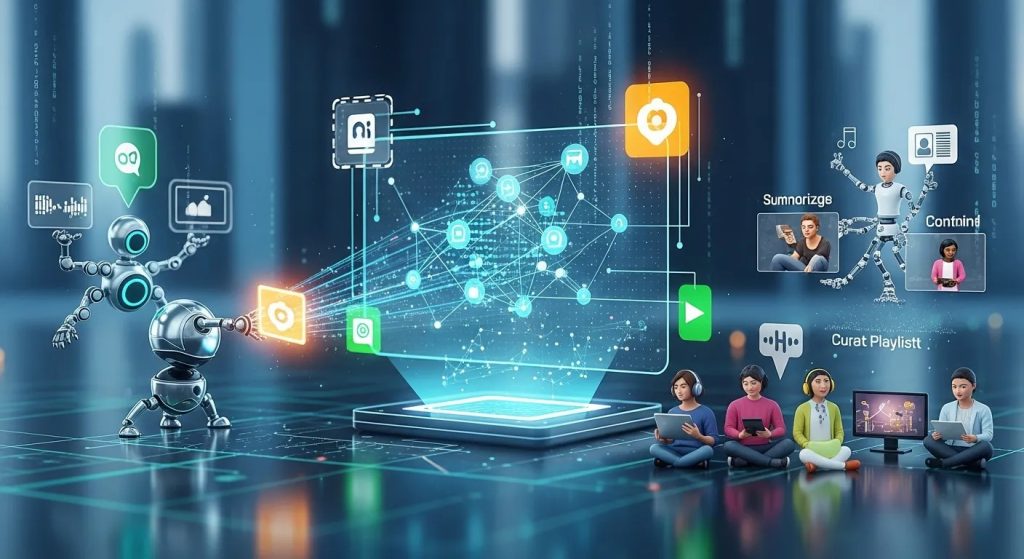
As AI and machine learning technologies evolve, Content Delivery Bots are becoming more sophisticated, enabling advanced strategies for digital distribution:
- Predictive Content Delivery: Bots analyze past engagement patterns to anticipate what content will perform best, automating scheduling accordingly.
- Multilingual Distribution: AI-powered bots now support multiple languages, allowing global brands to deliver localized content effortlessly.
- Cross-Platform Optimization: Bots dynamically adjust content formats for each platform, whether it’s social media, email, or messaging apps.
- Interactive Content Integration: Some bots are now capable of distributing quizzes, polls, and interactive media to increase engagement and collect audience insights.
These trends indicate that Content Delivery Bots are no longer just automated posting tools; they are intelligent systems capable of driving strategy and enhancing user experience across digital ecosystems.
Challenges and Best Practices
Despite the benefits, implementing Content Delivery Bots comes with challenges that businesses must address to maximize effectiveness.
Common Challenges
- Data Privacy and Compliance: Bots handle sensitive user data, requiring strict adherence to privacy regulations like GDPR and CCPA.
- Over-Automation: Relying solely on bots can risk losing the human touch, potentially affecting audience trust and engagement.
- Integration Complexity: Seamless coordination between bots and existing platforms (CRM, CMS, social media tools) can be technically demanding.
- Content Quality Assurance: Bots can automate distribution, but ensuring content relevance and accuracy remains a human responsibility.
Best Practices
- Combine Human Oversight with Automation: Regularly review content strategies and bot performance to maintain quality and relevance.
- Segment and Personalize: Use audience data to tailor content delivery and ensure messages resonate with different segments.
- Monitor Analytics Continuously: Track engagement metrics, conversions, and reach to optimize future campaigns.
- Use Bots Strategically: Deploy Event and Webinar Bots, Virtual Customer Assistants, and AI Customer Service Bots where they add the most value without overloading your system.
Feature Comparison Table: Different Types of Bots
| Bot Type | Primary Function | Typical Use Case | Integration Benefits |
|---|---|---|---|
| Content Delivery Bots | Automated distribution of content | Social media, email, websites | Ensures timely and optimized content delivery |
| Virtual Customer Assistants | Real-time user interaction | Customer queries, product recommendations | Personalized engagement and support |
| Intelligent Marketing Assistants | Predictive campaign management | Marketing strategy, analytics | Optimizes content strategy based on data |
| Event and Webinar Bots | Event notifications and follow-ups | Webinars, virtual events | Improves attendee engagement and satisfaction |
| AI Customer Service Bots | Automated support and content distribution | FAQs, tutorials, customer guidance | Reduces response time and enhances customer experience |
This table provides a clear overview of how different AI-powered bots function in digital ecosystems, emphasizing their roles in enhancing Content Delivery Bots strategies.
The Future of Content Delivery Bots
The future of Content Delivery Bots is closely tied to advancements in AI and machine learning. As algorithms become more sophisticated, bots will not only distribute content but also predict trends, personalize messaging in real-time, and optimize delivery strategies automatically. Integration with Intelligent Marketing Assistants and Virtual Customer Assistants will allow businesses to create fully automated, adaptive ecosystems where content reaches the right audience at the right moment. Brands leveraging these innovations will gain a competitive advantage, offering personalized experiences while maintaining operational efficiency and consistent engagement across multiple digital platforms.
Maximizing ROI with Content Delivery Bots
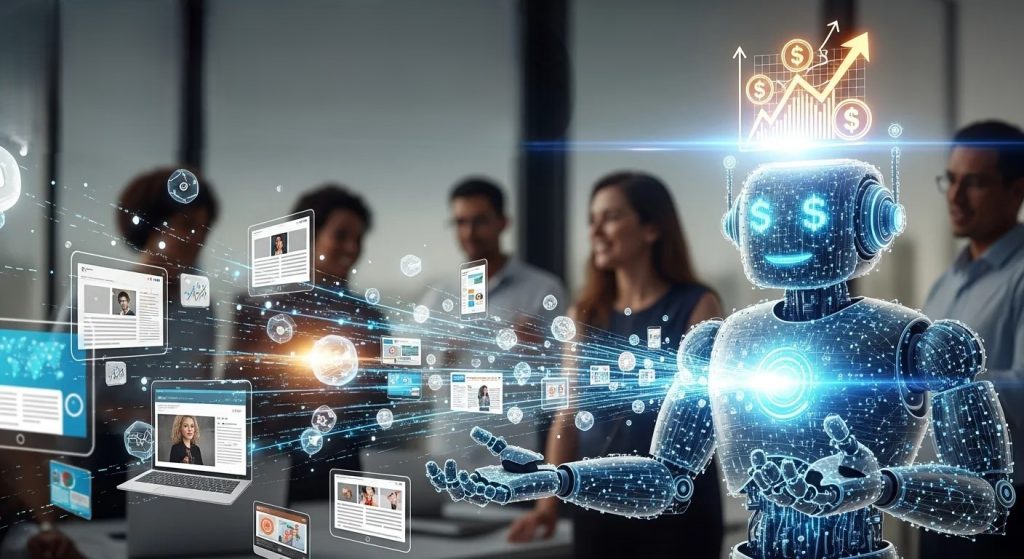
To maximize ROI, companies should strategically deploy Content Delivery Bots across marketing, support, and event channels. Pairing them with AI Customer Service Bots ensures that customers receive relevant information instantly, improving satisfaction and retention. Meanwhile, Event and Webinar Bots streamline communications for online events, reducing manual workload. Data from bot interactions can be analyzed to refine content strategies, optimize posting schedules, and identify high-performing formats. By leveraging automation intelligently and combining it with human oversight, businesses can achieve scalable, cost-effective distribution that drives measurable results, improving both engagement metrics and overall revenue potential.
Conclusion
Content Delivery Bots are revolutionizing digital distribution by automating content delivery, personalizing experiences, and optimizing engagement across platforms. When paired with Virtual Customer Assistants, Intelligent Marketing Assistants, Event and Webinar Bots, and AI Customer Service Bots, businesses can create seamless, efficient ecosystems. These tools reduce manual workload, improve consistency, and provide actionable insights for strategy refinement. By leveraging AI-driven analytics and predictive algorithms, organizations can deliver content that resonates with audiences, boosts engagement, and enhances ROI. As digital ecosystems evolve, adopting content delivery automation is no longer optional but a key competitive advantage for modern businesses.
Frequently Asked Questions (FAQ)
What are Content Delivery Bots?
Content Delivery Bots are AI-powered tools that automate the distribution of digital content across multiple channels, ensuring timely, personalized, and efficient delivery to the target audience.
How do Content Delivery Bots improve audience engagement?
By analyzing user behavior, preferences, and interaction patterns, these bots deliver content that resonates with audiences, increasing engagement, click-through rates, and overall retention.
Can Content Delivery Bots personalize content for users?
Yes, when integrated with Virtual Customer Assistants or Intelligent Marketing Assistants, Content Delivery Bots can tailor messages, recommendations, and updates for individual users.
What are Virtual Customer Assistants and how do they work with bots?
Virtual Customer Assistants provide real-time user support and guidance. When paired with Content Delivery Bots, they ensure that relevant content reaches users in response to queries or browsing behavior.
How do Intelligent Marketing Assistants enhance Content Delivery Bots?
Intelligent Marketing Assistants analyze engagement data, predict trends, and suggest optimized content distribution strategies, helping bots deliver more effective marketing campaigns.
What are Event and Webinar Bots used for?
Event and Webinar Bots automate attendee communications, sending registration confirmations, reminders, and follow-up content, ensuring seamless engagement before, during, and after virtual events.
How do AI Customer Service Bots complement content delivery?
AI Customer Service Bots distribute relevant guides, tutorials, and FAQs in response to customer inquiries, enhancing user satisfaction and supporting automated content strategies.
Are Content Delivery Bots suitable for small and medium businesses?
Absolutely. Bots scale content delivery efficiently, allowing smaller organizations to compete with larger enterprises by automating marketing, support, and engagement workflows.
How can businesses measure the success of Content Delivery Bots?
Key metrics include engagement rates, conversion rates, reach, impressions, and response time. Analytics from bots help optimize future campaigns and improve ROI.
Do Content Delivery Bots replace human marketers?
No. While bots automate repetitive tasks and optimize delivery, human oversight ensures content quality, relevance, creativity, and alignment with brand voice.
Can Content Delivery Bots work across multiple platforms?
Yes. They can distribute content across social media, email, websites, and messaging apps while adjusting formats and schedules to suit each platform.
What are the emerging trends in Content Delivery Bots?
Current trends include predictive content delivery, multilingual support, cross-platform optimization, and interactive content integration, making bots smarter and more effective.