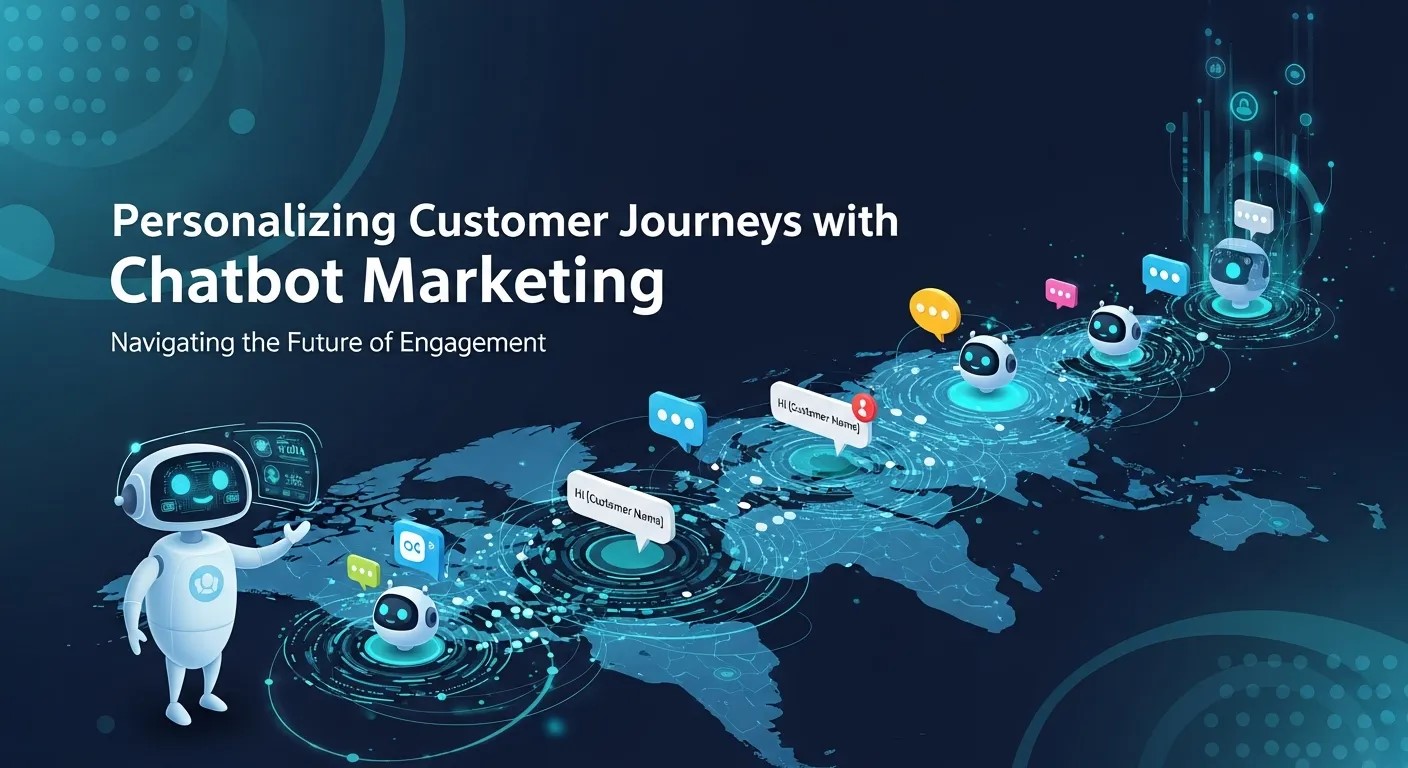
AI-powered personalized chatbot marketing helps brands deliver tailored, human-like conversations by leveraging data, intent, and automation. It enhances engagement, improves conversions, strengthens customer loyalty, and creates seamless omnichannel experiences that drive long-term business growth.
Harnessing the Power of Chatbot Marketing
In today’s digital landscape, where consumers expect tailored experiences at every touchpoint, Chatbot Marketing has emerged as a critical strategy for personalization. By leveraging AI-driven chatbots, brands can craft dynamic conversations that adapt seamlessly to individual preferences, behaviors, and needs. These intelligent systems collect real-time data such as purchase history, browsing patterns, location, and even sentiment to deliver highly relevant responses. Beyond simply inserting a customer’s name, Chatbot Marketing with Chatbot Personalization enables recommendations, timely support, and anticipatory interactions that feel human. Research shows that such personalized experiences can increase revenue by up to 15% and foster stronger customer loyalty across multiple channels.
Understanding Customer Intent
To create meaningful interactions, businesses must go beyond surface-level personalization and focus on customer intent the underlying goals, motivations, and needs driving each engagement. AI chatbots can analyze natural language, past behavior, purchase history, and engagement context in real time to identify these patterns. Understanding intent allows chatbots to provide precise solutions, recommendations, or support without requiring users to repeat themselves. For instance, a customer browsing a product comparison page may be in the decision-making stage. A chatbot can proactively highlight key features, pricing comparisons, and testimonials, guiding the user toward a confident purchase. Aligning responses with customer intent ensures conversations feel anticipatory, thoughtful, and human-like, ultimately boosting engagement, satisfaction, and conversions.
Key Benefits of Personalized Chatbot Experiences
- Higher Engagement Rates: Personalized messages resonate more deeply, encouraging users to stay in conversation longer and explore offerings.
- Improved Conversion: Relevant product suggestions and timely nudges can reduce cart abandonment and drive sales.
- Enhanced Customer Satisfaction: Instant, tailored support resolves queries quickly and builds positive brand perception.
- Actionable Insights: Chatbots collect nuanced data about user preferences, feeding into your CRM and refining future campaigns.
Contextual Messaging Across Channels
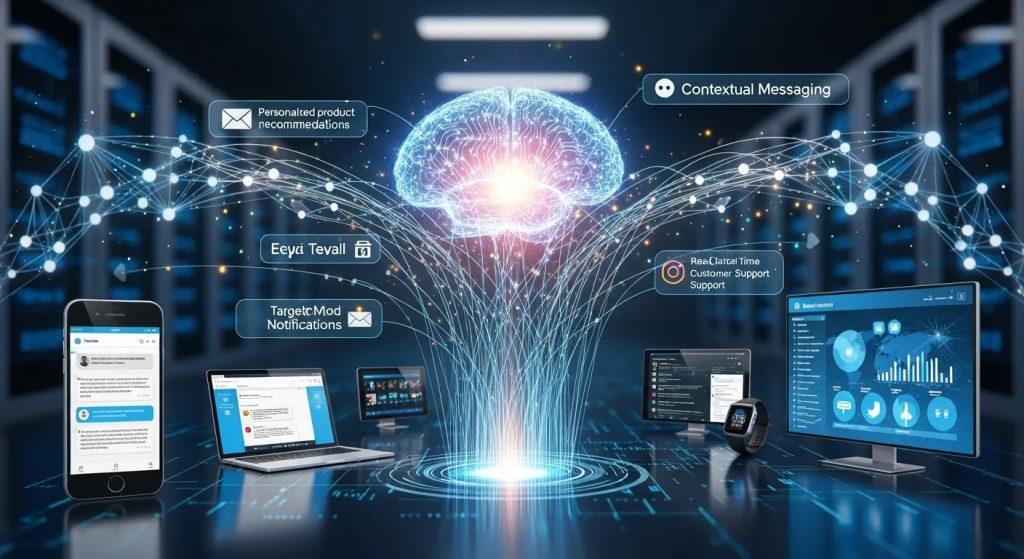
In today’s omnichannel environment, customers interact with brands through websites, mobile apps, social media, and messaging platforms. Chatbot Marketing thrives in this landscape by delivering contextual messaging that ensures every interaction is consistent, relevant, and personalized across channels. Chatbots integrated with CRM and marketing automation platforms can recall historical interactions, remember user preferences, and maintain conversation context even as customers switch platforms. For instance, a user who begins a conversation on Facebook Messenger can seamlessly continue it on a website, with the chatbot recalling previous queries, product interests, and recommendations. This continuity enhances the customer experience, strengthens brand trust, and increases loyalty. Contextual messaging ensures that each interaction feels coherent, timely, and tailored to the user’s current environment.
AI-Powered Recommendations
A key advantage of Chatbot Marketing lies in its ability to provide AI-driven recommendations. By analyzing user behavior, purchase history, preferences, and sentiment, chatbots suggest products, services, or content highly relevant to the individual. Unlike static recommendations, AI-powered suggestions update dynamically as the user engages with the chatbot. For example, a customer exploring certain product categories may immediately receive complementary items, trending products, or related services. This personalization reduces decision fatigue, accelerates the purchase journey, and fosters trust, as users feel understood and valued. Over time, these tailored interactions can significantly boost average order value and customer satisfaction. In specialized sectors, such as healthcare, AI Chatbots for Health Apps provide personalized suggestions for wellness programs, medication reminders, or lifestyle tips, creating a safer and more user-focused experience.
Personalization Through Behavioral Triggers
Behavioral triggers allow chatbots to respond intelligently to specific user actions, creating highly responsive experiences. For example, if a visitor lingers on a product page without completing a purchase, the chatbot can proactively offer a discount, comparison chart, or additional information to nudge the user forward. Returning users may be greeted with personalized messages referencing prior purchases or browsing behavior. By detecting engagement patterns, chatbots deliver content aligned with the user’s stage in the customer journey, from awareness to conversion. Responding in real time to behavioral cues ensures interactions feel contextually relevant, timely, and human, dramatically increasing engagement and conversion potential.
Conversational AI for Customer Support
Beyond marketing, Chatbot Marketing plays a crucial role in delivering personalized customer support. AI-powered chatbots can handle common queries instantly, troubleshoot issues, and escalate complex situations to human agents seamlessly. By leveraging historical data, chatbots provide tailored responses such as recommending solutions based on prior problems or suggesting products that complement previous purchases. This proactive support reduces customer frustration, shortens response times, and allows human agents to focus on high-priority cases. Consistently providing personalized assistance strengthens trust, satisfaction, and long-term loyalty.
Dynamic Content Delivery
Personalization extends to delivering content itself. Chatbots can provide articles, tutorials, videos, product demos, and promotional materials customized to user interests, purchase history, or engagement patterns. For example, first-time visitors may receive educational content designed to build trust, while returning customers are offered advanced tutorials, product updates, or loyalty rewards. Dynamic content delivery keeps users engaged, educates them about relevant products or services, and guides them along the customer journey. Tailoring content to a user’s profile and real-time interactions ensures every engagement feels relevant, helpful, and personalized.
In today’s omnichannel environment, customers interact with brands through websites, mobile apps, social media, and messaging platforms. Chatbot Marketing thrives in this landscape by delivering contextual messaging that ensures every interaction is consistent, relevant, and personalized across channels. Chatbots integrated with CRM and marketing automation platforms can recall historical interactions, remember user preferences, and maintain conversation context even as customers switch platforms. For instance, a user who begins a conversation on Facebook Messenger can seamlessly continue it on a website, with the chatbot recalling previous queries, product interests, and recommendations. This continuity enhances the customer experience, strengthens brand trust, and increases loyalty. Contextual messaging ensures that each interaction feels coherent, timely, and tailored to the user’s current environment.
AI-Powered Recommendations
A key advantage of Chatbot Marketing lies in its ability to provide AI-driven recommendations. By analyzing user behavior, purchase history, preferences, and sentiment, chatbots suggest products, services, or content highly relevant to the individual. Unlike static recommendations, AI-powered suggestions update dynamically as the user engages with the chatbot. For example, a customer exploring certain product categories may immediately receive complementary items, trending products, or related services. This personalization reduces decision fatigue, accelerates the purchase journey, and fosters trust, as users feel understood and valued. Over time, these tailored interactions can significantly boost average order value and customer satisfaction. In specialized sectors, such as healthcare, AI Chatbots for Health Apps provide personalized suggestions for wellness programs, medication reminders, or lifestyle tips, creating a safer and more user-focused experience.
Personalization Through Behavioral Triggers
Behavioral triggers allow chatbots to respond intelligently to specific user actions, creating highly responsive experiences. For example, if a visitor lingers on a product page without completing a purchase, the chatbot can proactively offer a discount, comparison chart, or additional information to nudge the user forward. Returning users may be greeted with personalized messages referencing prior purchases or browsing behavior. By detecting engagement patterns, chatbots deliver content aligned with the user’s stage in the customer journey, from awareness to conversion. Responding in real time to behavioral cues ensures interactions feel contextually relevant, timely, and human, dramatically increasing engagement and conversion potential.
Conversational AI for Customer Support

Beyond marketing, Chatbot Marketing plays a crucial role in delivering personalized customer support. AI-powered chatbots can handle common queries instantly, troubleshoot issues, and escalate complex situations to human agents seamlessly. By leveraging historical data, chatbots provide tailored responses such as recommending solutions based on prior problems or suggesting products that complement previous purchases. This proactive support reduces customer frustration, shortens response times, and allows human agents to focus on high-priority cases. Consistently providing personalized assistance strengthens trust, satisfaction, and long-term loyalty.
Dynamic Content Delivery
Personalization extends to delivering content itself. Chatbots can provide articles, tutorials, videos, product demos, and promotional materials customized to user interests, purchase history, or engagement patterns. For example, first-time visitors may receive educational content designed to build trust, while returning customers are offered advanced tutorials, product updates, or loyalty rewards. Dynamic content delivery keeps users engaged, educates them about relevant products or services, and guides them along the customer journey. Tailoring content to a user’s profile and real-time interactions ensures every engagement feels relevant, helpful, and personalized.
Leveraging Predictive Analytics
Predictive analytics enables Chatbot Marketing to anticipate customer needs even before they are explicitly stated. By analyzing historical data, browsing behavior, purchase patterns, and market trends, predictive models allow chatbots to forecast what a user is likely to want next. For instance, a chatbot can suggest seasonal items before a customer actively searches for them or recommend accessories that complement recent purchases. This anticipatory approach creates a sense of thoughtfulness and convenience, as users feel the chatbot understands their preferences intuitively. Leveraging predictive analytics ensures brands stay ahead of customer expectations, increase engagement, and maximize upselling or cross-selling opportunities while maintaining highly personalized interactions.
Enhancing Brand Loyalty Through Gamification
Gamification transforms Chatbot Marketing into interactive and memorable experiences that go beyond traditional engagement. By integrating quizzes, challenges, reward points, and interactive games, brands can boost user participation and strengthen emotional connections. Personalized gamification adjusts experiences based on user behavior, interests, and purchase history. For example, returning customers may receive a challenge with loyalty rewards, while new users could take an interactive quiz to discover products suited to their needs. Gamified interactions encourage repeat engagement, increase brand recall, and foster loyalty, turning casual users into long-term advocates.
Strategies for Implementing Personalized Chatbots
To launch an effective personalized chatbot campaign, begin by defining clear objectives—lead generation, upselling, onboarding, or support. Segment your audience based on demographics, purchase history, and behavior patterns. Integrate your chatbot platform with existing data sources such as CRMs, email marketing tools, and analytics platforms to create a holistic view of each user. This enables the chatbot to access relevant information in real time. Design conversation flows that adapt based on user responses, using conditional logic, dynamic content blocks, and API calls for live data. For businesses focused on conversion optimization, AI Chatbot Marketing Funnels can be incorporated to guide users seamlessly through the buyer journey, from initial engagement to final purchase, ensuring a fully personalized experience.
Leveraging Data for Effective Segmentation
Segmentation is the foundation of Chatbot Marketing personalization. Use your chatbot to ask qualifying questions early in conversations, such as interests, budget, or intended use case, and tag users accordingly. Combine this self-reported data with behavioral signals like page visits, time on site, or email interactions. Creating micro-segments allows brands to tailor messages to each group’s specific needs. For instance, first-time visitors may receive a welcome offer, while repeat buyers get loyalty rewards or product recommendations based on past purchases. Proper segmentation ensures every interaction feels relevant, timely, and highly personal.
Integrating Chatbots with CRM and Marketing Automation
A seamless data flow between your chatbot and CRM system ensures that every interaction enriches the customer profile. Set up automated triggers so that key events completing a lead form, requesting a demo, or subscribing are logged in your CRM. Similarly, Industrial AR Applications workflows to follow up via email or SMS when a chatbot conversation ends. This cohesive ecosystem means no customer falls through the cracks, and your marketing team can act instantly on warm leads identified by the chatbot.
Best Practices for Crafting Dynamic Chatbot Conversations
Building a chatbot that feels human and helpful requires thoughtful design. Use a friendly, conversational tone that aligns with your brand voice. Provide clear menus and quick‐reply buttons to guide users, but also allow free‐text input for complex queries. Implement fallback responses that gracefully handle misunderstandings and offer to connect the user with a human agent. Incorporate multimedia elements images, videos, and carousels—to showcase products or illustrate instructions. Finally, use A/B testing on different message variants to identify which flows drive the highest engagement and conversions.
Measuring Success: Key Metrics to Track
To evaluate the effectiveness of your personalized chatbot marketing, monitor metrics such as conversation completion rate, click‐through rate on suggested links, lead qualification rate, and overall conversion rate attributed to chatbot interactions. Track user satisfaction via post‐chat surveys or NPS (Net Promoter Score). Analyze drop‐off points within flows to identify friction and optimize your scripts. By continuously reviewing performance data, you can refine your segmentation logic, conversation design, and integration points for better ROI.
Overcoming Common Challenges
Even the best‐planned chatbot campaigns can face hurdles. Data privacy concerns require transparent communication about how user data is collected and stored, plus compliance with regulations like GDPR. Technical limitations in chatbot platforms may restrict advanced personalization evaluate solutions that support API integrations and custom logic. Finally, resist the temptation to over‐automate; ensure there’s always an easy path to human support when needed, particularly for complex or sensitive inquiries.
Future Trends in Chatbot Personalization
Looking ahead, chatbots will become even more intuitive as natural language processing and machine learning models advance. Voice‐enabled chatbots and multimodal interfaces (combining text, voice, and visuals) will deliver richer experiences. Predictive personalization anticipating customer needs before they articulate them—will set new benchmarks for engagement. Brands that stay at the forefront of these trends will solidify deeper relationships and outpace competitors in customer satisfaction and lifetime value.
Conclusion
Personalized chatbot marketing represents a pivotal opportunity for brands to connect with customers on an individual level, streamline the sales funnel, and boost loyalty. By integrating AI chatbots with your CRM, leveraging data‐driven segmentation, and crafting dynamic conversation flows, you can deliver experiences that feel both intelligent and human. Embrace the strategies outlined in this post to shape memorable customer journeys, drive meaningful engagement, and achieve measurable growth in your marketing efforts.
FAQ: Personalized Chatbot Marketing
What is personalized chatbot marketing?
Personalized chatbot marketing uses AI-driven chatbots to create customized interactions based on each user’s preferences, behavior, and history. Instead of generic messages, users receive content, recommendations, and support that feel relevant and tailored to them.
How does a chatbot collect data for personalization?
Chatbots gather data in multiple ways. They can ask users questions directly about their interests or needs, track browsing patterns, clicks, time spent on pages, and purchase history, integrate with CRM systems to access customer profiles and past interactions, and even use sentiment analysis to understand the user’s mood or intent in order to respond appropriately.
What are the key benefits of using personalized chatbots?
The main benefits include higher engagement because conversations feel relevant, improved conversion rates as timely suggestions reduce cart abandonment, better customer satisfaction by providing instant and useful support, and actionable insights from the data collected that can improve future marketing strategies.
How can I segment users effectively with chatbots?
Segmentation involves combining self-reported data from user interactions, behavioral signals such as website activity or purchase history, and creating micro-segments so that messages and offers are highly relevant to each group.
Can chatbots integrate with my CRM or marketing automation tools?
Yes. Integration allows chatbots to log conversations and key actions automatically, trigger follow-up emails or messages, and ensure that no leads or opportunities are missed, creating a seamless flow of information across platforms.
What are best practices for designing chatbot conversations?
Best practices include maintaining a friendly and conversational tone consistent with your brand, using menus or quick-reply options while still allowing free-text input, implementing fallback responses and easy access to human support, incorporating multimedia like images or videos, and continuously testing different flows to optimize engagement and conversions.
How do I measure the success of a chatbot campaign?
Success can be measured by tracking conversation completion rates, engagement and click-through rates, lead qualification and conversion rates, user satisfaction scores, and analyzing where users drop off in the conversation to identify areas for improvement.
What challenges should I be aware of?
Challenges include addressing data privacy concerns and complying with regulations like GDPR, working within the technical limitations of some platforms, and avoiding over-automation by always providing an easy path to human assistance for complex inquiries.
What are future trends in chatbot personalization?
Future trends include predictive personalization that anticipates user needs before they ask, voice-enabled and multimodal chatbots combining text, voice, and visuals, and increasingly human-like interactions powered by advanced AI and natural language processing.
How can personalized chatbots benefit my business long-term?
Personalized chatbots strengthen customer relationships, increase engagement and loyalty, streamline the sales funnel with relevant recommendations, and provide insights that help refine marketing strategies, ultimately driving measurable growth and long-term value.