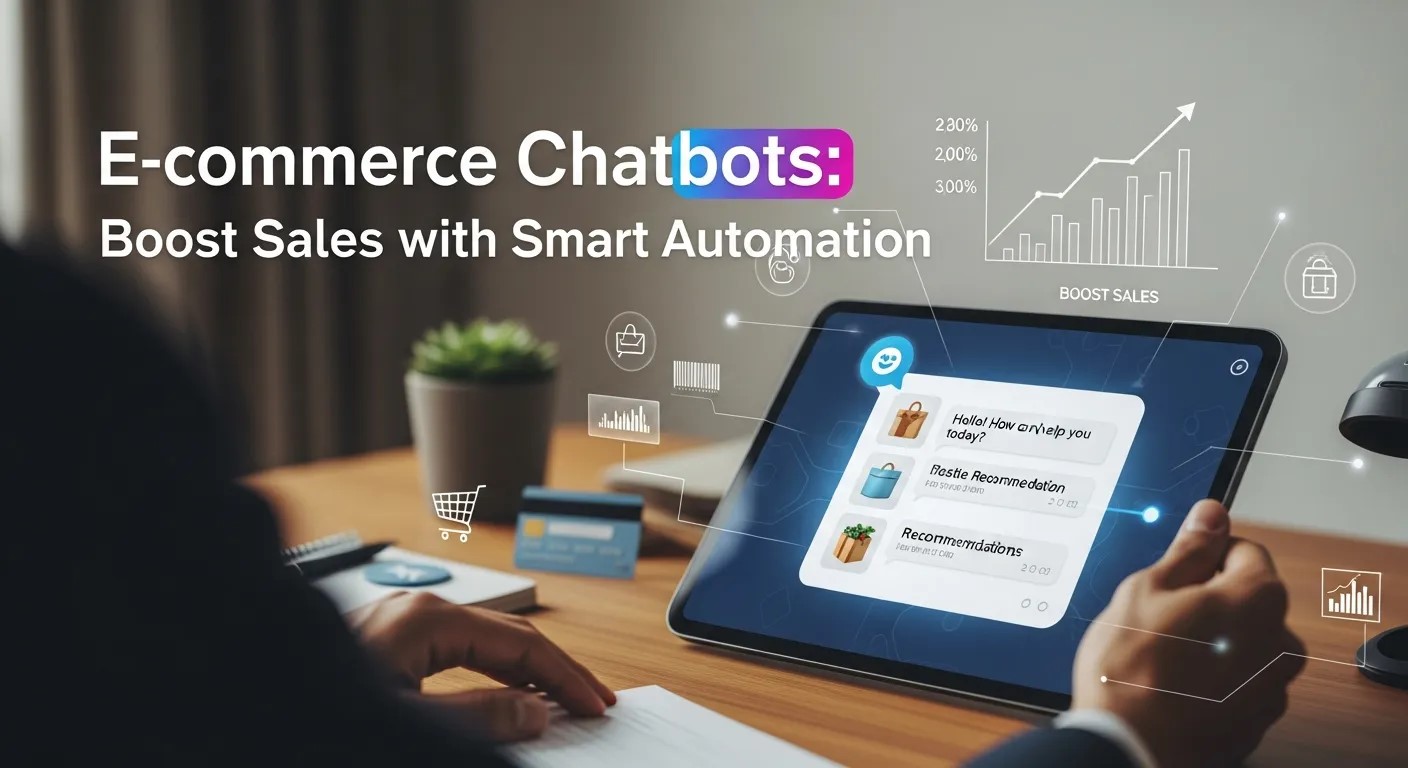
E-commerce chatbots improve engagement, streamline sales, and enhance personalization. By combining AI, AR Retail, and analytics, businesses can boost conversions, optimize workflows, and create seamless, interactive shopping experiences for both B2B and B2C audiences.
Revolutionize Online Retail with E-commerce Chatbots
In the competitive world of online retail, businesses need to do more than simply list products they must engage customers at every stage of the shopping journey. E-commerce chatbots have emerged as essential tools for brands aiming to provide instant support, personalized recommendations, and seamless interactions. These AI-driven assistants not only reduce the workload of customer service teams but also actively boost conversions by guiding shoppers from interest to purchase. By leveraging intelligent automation, companies can maintain high-quality experiences around the clock, ensuring no opportunity is missed.
Enhancing Customer Support with Intelligent Bots
Customer expectations are evolving rapidly. Shoppers want immediate answers, tailored guidance, and smooth experiences on every device. Traditional support methods struggle to meet these demands, especially during peak shopping seasons. Here, AI-powered Messenger Bots prove invaluable, handling multiple queries simultaneously while delivering responses that feel human-like. These bots can answer product questions, provide shipping updates, and assist with returns, creating an effortless shopping environment. The result is improved customer satisfaction and a stronger brand reputation, as buyers feel supported at every step.
Driving Sales Through Automation
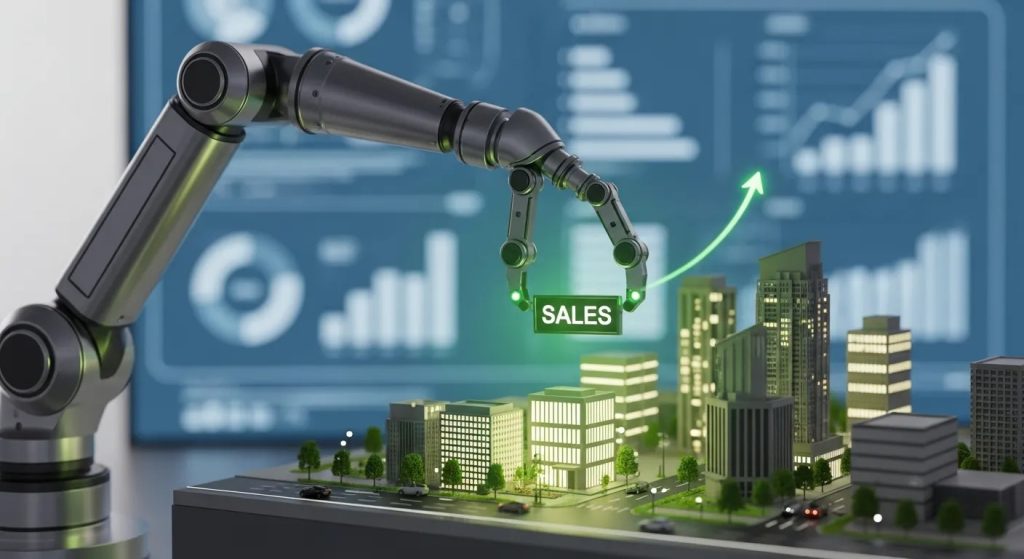
Beyond support, e-commerce chatbots play a pivotal role in increasing revenue. By leveraging AI-Powered Sales Bots, brands can offer personalized recommendations based on browsing behavior, purchase history, and preferences. These bots gently nudge customers toward completing purchases through reminders, limited-time offers, or upselling complementary items. In B2B contexts, B2B Chatbot Marketing enables automated lead qualification and follow-ups, ensuring that potential clients receive timely and relevant information. Similarly, solutions like B2B and B2C Chatbot platforms allow businesses to manage diverse audiences, providing both complex B2B guidance and casual B2C interactions without friction.
Integrating Emerging Technologies
The most forward-thinking e-commerce brands are combining chatbots with innovative technologies to enhance engagement. AR Retail is one such example, allowing shoppers to visualize products in real-world settings before buying. When paired with chatbots, customers can receive real-time guidance on product features, sizing, and compatibility. Meanwhile, AR Intelligence tools provide actionable insights from these interactions, helping brands refine marketing strategies and anticipate customer needs. This fusion of automation and immersive technology creates a highly engaging shopping experience that drives loyalty and repeat purchases.
Data-Driven Personalization
The true power of e-commerce chatbots lies in their ability to learn from customer behavior. By analyzing previous interactions, purchase patterns, and site activity, these bots deliver highly personalized suggestions and dynamic content. This level of personalization not only increases the likelihood of conversion but also strengthens long-term relationships. For example, a chatbot can recommend complementary products based on a recent purchase or trigger follow-up messages for abandoned carts. Coupled with AI insights, businesses can optimize promotions, refine messaging, and tailor experiences at scale, all without manual intervention.
Preparing for the Future of Online Retail
As digital commerce evolves, chatbots are becoming indispensable. They streamline operations, enhance customer satisfaction, and drive measurable business results. Integrating e-commerce chatbots with advanced tools like AI-powered assistants, AR solutions, and data analytics positions brands to stay ahead of competition. Companies that embrace these innovations can deliver smoother customer journeys, increase sales efficiency, and foster brand loyalty in ways that traditional methods cannot achieve.
Implementing E-commerce Chatbots for Maximum Impact
Integrating e-commerce chatbots into a business requires more than simply adding a messaging widget to a website. To truly harness their potential, companies must strategically plan their deployment, optimize workflows, and align chatbot functionality with business goals. Successful implementation begins with understanding the audience and mapping the customer journey. By analyzing touchpoints where shoppers most frequently seek guidance, brands can determine where e-commerce chatbots will add the most value, whether it’s answering product inquiries, assisting with checkout, or delivering personalized recommendations.
Planning Your Chatbot Strategy
Before deployment, businesses should define the objectives for their e-commerce chatbots. Common goals include increasing sales, improving customer engagement, and reducing service response times. By setting clear KPIs, brands can monitor performance and adjust functionality as needed. Leveraging B2B Chatbot Marketing tactics ensures that interactions with business clients are tailored, allowing for automated lead qualification, proposal distribution, and follow-up messages. For a broader audience, combining B2B and B2C Chatbot frameworks allows companies to address both complex B2B needs and consumer-level interactions without overcomplicating the interface.
Designing Conversational Flows
A well-designed conversational flow is essential for effective e-commerce chatbots. It ensures that the bot communicates naturally, provides clear guidance, and minimizes frustration. Incorporating AI-powered Messenger Bots helps simulate human-like dialogue, anticipating user questions and offering proactive assistance. This approach enhances customer satisfaction and encourages users to explore additional products. Moreover, AI-Powered Sales Bots can suggest upsells or cross-sells within the conversation, subtly influencing purchasing decisions while maintaining a seamless shopping experience.
Real-World Applications and Case Studies

Several leading retailers have demonstrated the transformative impact of e-commerce chatbots. Brands integrating AR Retail features with chatbots allow shoppers to virtually try products, while the bot provides personalized guidance, increasing confidence in purchasing decisions. Additionally, businesses using AR Intelligence can track how users interact with both the chatbot and the augmented reality features, generating actionable insights for marketing and product development. In B2B contexts, B2B Chatbot Marketing automates repetitive tasks like inquiry handling and proposal delivery, freeing sales teams to focus on closing deals.
Optimizing Performance and Analytics
Continuous improvement is critical for maximizing the benefits of e-commerce chatbots. Monitoring user interactions, response accuracy, and conversion outcomes allows businesses to refine dialogue flows and enhance personalization. Integrating AI analytics ensures that the bot learns from each conversation, improving its recommendations over time. For example, abandoned cart follow-ups or product suggestions based on previous purchases can be automated, increasing both efficiency and revenue. Combining this with insights from AI-powered Messenger Bots provides a comprehensive view of customer engagement, enabling smarter business decisions.
Future-Proofing Your Chatbot Strategy
As technology evolves, e-commerce chatbots will become even more sophisticated. Emerging trends suggest deeper integration with AI-driven sales assistants, AR-powered shopping tools, and predictive analytics. Companies that implement these innovations early can deliver superior customer experiences, outperform competitors, and drive sustained growth. By embedding chatbots at critical points in the shopping journey, businesses can create seamless, interactive experiences that build loyalty and optimize conversions.
Advanced Strategies for E-commerce Chatbots
To truly unlock the potential of e-commerce chatbots, businesses must move beyond basic automation and adopt advanced strategies that integrate AI, data analytics, and immersive technologies. These approaches not only improve efficiency but also create memorable customer experiences that drive long-term loyalty.
Personalization at Scale
One of the most powerful applications of e-commerce chatbots is personalized engagement. By analyzing browsing behavior, past purchases, and real-time interactions, bots can deliver tailored product recommendations and promotions. AI-Powered Sales Bots further enhance this experience by predicting what a customer may need next and offering relevant upsells or cross-sells. This personalized approach increases conversion rates while creating a sense of individualized attention, which traditional methods often fail to achieve.
Leveraging AR and Immersive Experiences
The combination of e-commerce chatbots with AR Retail technologies allows shoppers to interact with products in a virtual space. Customers can visualize furniture in their home, try on accessories, or see product variations in real-time. Integrating AR Intelligence ensures these interactions provide valuable insights into user preferences and behavior. Chatbots can guide users through these immersive experiences, offering recommendations, answering questions, and even suggesting complementary items, effectively blending automation with interactive engagement.
Multi-Channel Integration
Modern shoppers interact with brands across multiple platforms—websites, mobile apps, social media, and messaging apps. Implementing e-commerce chatbots across these channels ensures a consistent and seamless experience. AI-powered Messenger Bots can provide instant support on social platforms, while website bots handle complex queries and shopping guidance. This omnichannel approach ensures customers receive timely assistance wherever they are, enhancing satisfaction and reducing friction during the purchasing journey.
Advanced Analytics and Optimization
Data-driven decision-making is crucial for maximizing the ROI of e-commerce chatbots. By tracking interactions, conversion rates, and customer satisfaction metrics, businesses can continuously refine chatbot behavior. Insights from B2B Chatbot Marketing campaigns help identify high-value leads, while B2B and B2C Chatbot implementations reveal patterns in user engagement across different audience segments. Additionally, AI learning capabilities enable chatbots to improve responses over time, offering increasingly accurate recommendations and assistance.
Scaling Your Chatbot Program

As businesses grow, scaling e-commerce chatbots becomes critical. Automation allows companies to handle larger volumes of inquiries without increasing staff, while maintaining high-quality service. Advanced bots can manage complex workflows, assist multiple customer segments, and integrate with CRM systems to synchronize data. By combining AI-Powered Sales Bots, AR Retail, and AR Intelligence, businesses can create a scalable, intelligent ecosystem that maximizes efficiency, increases revenue, and strengthens customer loyalty.
Future Trends and Opportunities
The future of e-commerce chatbots will be shaped by deeper AI integration, immersive technologies, and hyper-personalization. Emerging trends include predictive shopping assistants, voice-enabled bots, and real-time AR product demonstrations. Companies that embrace these innovations can deliver unparalleled shopping experiences, driving higher engagement and conversion rates. By continuously refining chatbot strategy and incorporating insights from AI-powered Messenger Bots and AR Intelligence, brands position themselves to lead in a rapidly evolving digital marketplace.
Real-World Success with E-commerce Chatbots
Businesses that have strategically implemented e-commerce chatbots consistently see measurable improvements in customer engagement, sales, and operational efficiency. Examining these real-world examples provides valuable insights into best practices and actionable strategies.
Case Study: Retail Industry
Leading online retailers have successfully integrated AI-Powered Sales Bots to streamline shopping experiences. For instance, a fashion e-commerce platform implemented chatbots that offer outfit recommendations based on previous purchases and browsing history. By doing so, they achieved a significant increase in average order value and reduced cart abandonment rates. Simultaneously, AR Retail features allowed customers to virtually try on items, while chatbots guided them through product sizing and style options. The combination of automation, personalization, and immersive experiences created a highly engaging environment that translated into higher conversion rates.
B2B Implementation Examples
Companies operating in B2B markets leverage B2B Chatbot Marketing to automate lead qualification and nurture prospects efficiently. One software solutions provider deployed chatbots on their website and messaging platforms to handle inquiries about pricing, demos, and integrations. By using B2B and B2C Chatbot frameworks, they were able to simultaneously address casual consumer questions and complex business client requests without overburdening their sales team. The result was faster response times, more qualified leads, and increased contract closures.
Enhancing Customer Engagement
Effective e-commerce chatbots focus on meaningful interactions rather than simple automation. For example, beauty and personal care brands have used AI-powered Messenger Bots to provide customized skincare advice, suggest complementary products, and schedule virtual consultations. Customers receive personalized attention in a convenient format, while the brand benefits from higher engagement metrics and repeat purchases. Similarly, integrating AR Intelligence allows brands to analyze user interactions during immersive product trials, optimizing messaging and recommendations for better performance.
Practical Tips for Maximizing Conversions
To get the most out of e-commerce chatbots, businesses should consider the following strategies:
- Map the Customer Journey – Identify key touchpoints where chatbots can add value, from product discovery to post-purchase support.
- Leverage AI for Personalization – Utilize AI-Powered Sales Bots to deliver tailored product suggestions based on user behavior.
- Integrate AR Experiences – Combine AR Retail features with chatbot guidance to enhance product visualization and confidence.
- Monitor and Optimize Performance – Track interaction metrics and refine conversational flows for better engagement and conversion.
- Segment Audiences Effectively – Use B2B and B2C Chatbot frameworks to address distinct audience needs without overcomplicating messaging.
- Maintain Human Backup – Ensure escalation paths to human agents for complex queries to preserve customer trust.
Measuring ROI and Long-Term Benefits
The ROI of e-commerce chatbots extends beyond immediate sales. Brands can monitor engagement levels, customer satisfaction, and repeat purchase rates to measure long-term impact. Chatbots powered by AI-powered Messenger Bots not only reduce operational costs but also provide valuable insights for marketing, product development, and strategy optimization. When augmented with AR Intelligence, businesses gain a deeper understanding of consumer behavior, helping predict trends and improve decision-making across departments.
Lessons Learned
Across industries, several key lessons emerge: integrating e-commerce chatbots with advanced AI and AR technologies maximizes value; personalization drives engagement and loyalty; omnichannel deployment ensures consistent experiences; and continuous monitoring and optimization are essential for sustained performance. Companies that follow these principles can transform automated interactions into meaningful experiences that boost sales, strengthen brand loyalty, and future-proof their operations.
Emerging Trends in E-commerce Chatbots
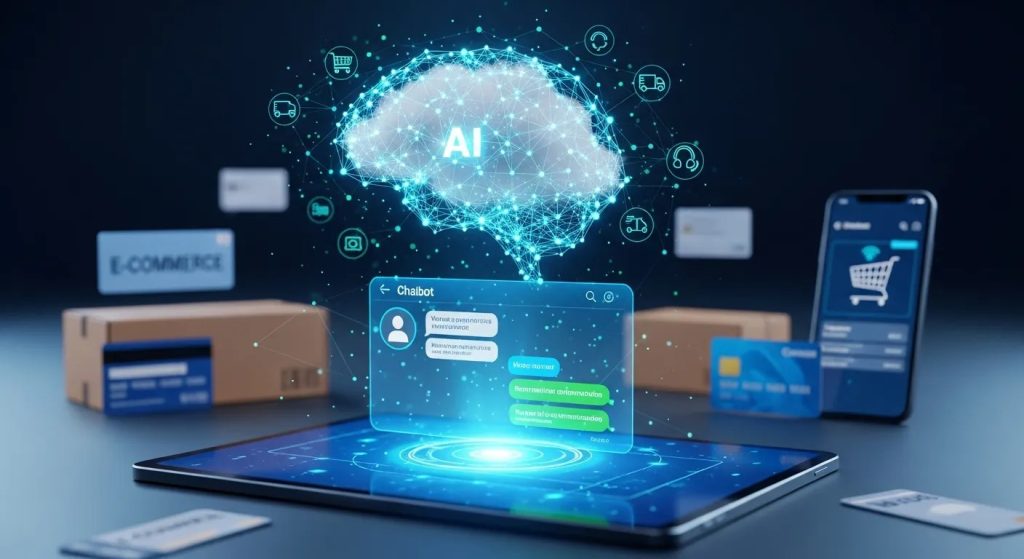
As digital commerce continues to evolve, e-commerce chatbots are becoming smarter, more interactive, and increasingly integrated with emerging technologies. Voice-enabled bots, predictive shopping assistants, and AI-driven recommendation engines are transforming how customers discover and purchase products online. Integrating AI-powered Messenger Bots allows brands to anticipate customer needs, offer timely suggestions, and deliver a conversational experience that feels intuitive and personal. Additionally, the combination of AR Retail and AR Intelligence enables shoppers to virtually interact with products, while chatbots provide contextual guidance, creating an immersive and informed shopping journey. Businesses adopting these trends early gain a competitive edge by enhancing customer satisfaction, boosting conversions, and reinforcing brand loyalty.
Future-Proofing Your Strategy
To maximize long-term success, companies should focus on future-proofing their e-commerce chatbots. This includes continuously optimizing conversational flows, monitoring performance analytics, and expanding chatbot capabilities across channels. Implementing B2B Chatbot Marketing strategies alongside B2B and B2C Chatbot frameworks ensures that both business clients and general consumers receive tailored interactions without friction. Emphasizing AI-driven automation and integrating AI-Powered Sales Bots helps brands scale efficiently while maintaining high-quality engagement. By staying ahead of technological advancements and customer expectations, businesses can ensure their chatbots remain a central driver of growth, delivering personalized, seamless, and intelligent shopping experiences for years to come.
Conclusion
E-commerce chatbots have revolutionized online retail by automating customer interactions, providing personalized guidance, and boosting sales. Integrating AI-powered tools, immersive AR Retail experiences, and data-driven insights ensures these bots not only enhance engagement but also optimize conversion rates. Businesses leveraging B2B Chatbot Marketing, B2B and B2C Chatbot solutions, and AI-Powered Sales Bots can streamline workflows, deliver consistent omnichannel experiences, and scale efficiently. As technology evolves, chatbots will continue to shape customer expectations and brand interactions. Implementing them thoughtfully transforms automated conversations into intelligent, revenue-driving experiences that build long-term loyalty.
Frequently Asked Questions (FAQ)
What are e-commerce chatbots?
They are AI-driven tools that automate customer interactions, assist with shopping, and provide personalized recommendations to improve engagement and conversions.
How do e-commerce chatbots increase sales?
By offering tailored suggestions, handling inquiries instantly, sending cart reminders, and using AI-Powered Sales Bots to upsell and cross-sell products.
Can chatbots be used for both B2B and B2C businesses?
Yes. B2B and B2C Chatbot frameworks allow tailored interactions for business clients and general consumers without complicating workflows.
How do AR and chatbots work together?
AR Retail combined with chatbots provides immersive shopping experiences, letting users visualize products while receiving real-time guidance.
Are e-commerce chatbots easy to scale?
Yes. Integrating AI analytics and B2B Chatbot Marketing enables bots to manage larger audiences efficiently while maintaining personalized interactions.