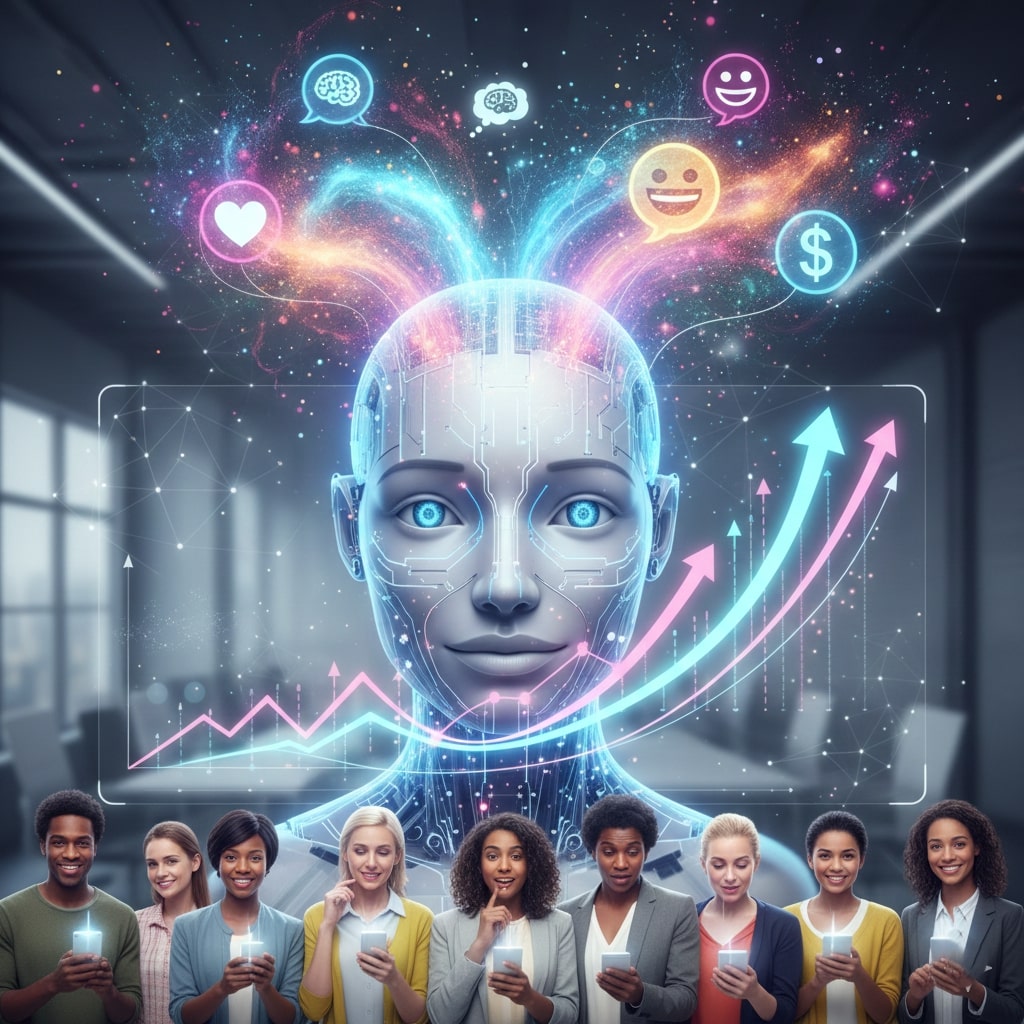
Emotion AI is transforming chatbot marketing by enabling automated systems to detect and respond to human emotions in real time. By analyzing text, voice tone, and behavioral patterns, Emotion AI delivers more empathetic, personalized, and culturally sensitive interactions that enhance user satisfaction, increase conversions, and reduce support costs.
In an increasingly digital world, consumers crave authentic human connections even when interacting with automated systems. Emotion artificial intelligence, known as Emotion AI, is poised to bridge the empathy gap by enabling chatbots to recognize and respond to user emotions in real time. By integrating emotion detection and analysis capabilities, marketers can deliver more personalized, empathic, and engaging customer experiences that drive loyalty and conversions. In this comprehensive guide, we will explore the fundamentals of Emotion AI in chatbot marketing, examine its impact on customer engagement, review practical implementation strategies, and highlight best practices for measuring success in 2025. Adopting Emotion AI can help your brand stand out in a crowded marketplace by fostering genuine emotional connections that resonate with customers.
Understanding Emotion AI
Emotion AI refers to technology that uses machine learning, natural language processing, and computer vision to detect and interpret human emotions from text, voice tone, facial expressions, or physiological signals. In chatbot marketing, text and voice analysis are the most common inputs. NLP models analyze word choice, sentence structure, and sentiment to infer emotional states such as happiness, frustration, excitement, or confusion. By accurately identifying user mood, chatbots can tailor responses, adjust conversation tone, and offer support or empathy when needed. This level of emotional awareness transforms generic chatbot scripts into dynamic, humanlike interactions that build trust and reinforce brand affinity.
Emotion detection algorithms typically rely on large annotated datasets that map words or phrases to emotional categories. Advanced solutions combine sentiment lexicons, deep learning classifiers, and contextual embedding models to improve accuracy. Voice-based Emotion AI analyzes pitch, volume, and speech patterns, while vision-based systems rely on facial landmark detection and expression classification. Each method has strengths and limitations. For example, text analysis may struggle with sarcasm or slang, and vision analysis requires camera access. Selecting the right combination of modalities depends on your audience, privacy considerations, and technical capabilities.
Why Empathy Matters in Marketing
Empathy is the ability to understand and share the feelings of another person. In marketing, empathetic communication fosters stronger emotional bonds, reduces friction, and increases customer satisfaction. When customers feel heard and valued, they are more likely to trust a brand, complete purchases, and advocate on its behalf. Traditional chatbots often fall short due to rigid scripts and one-size-fits-all approaches. Emotion AI empowers chatbots to adapt conversation flows based on user sentiment, offering personalized product recommendations, apologizing for issues, or celebrating milestones in a more human manner.
Empathetic chatbot interactions can also reduce customer support costs by defusing negative experiences before escalation. For instance, if a user expresses frustration over a delayed shipment, the chatbot can acknowledge the emotion, apologize sincerely, and provide status updates or compensation options. This proactive problem-solving not only resolves pain points faster but also signals to customers that your brand cares about their feelings. Over time, these positive experiences strengthen loyalty and generate valuable word-of-mouth referrals.
How Emotion AI Chatbots Work
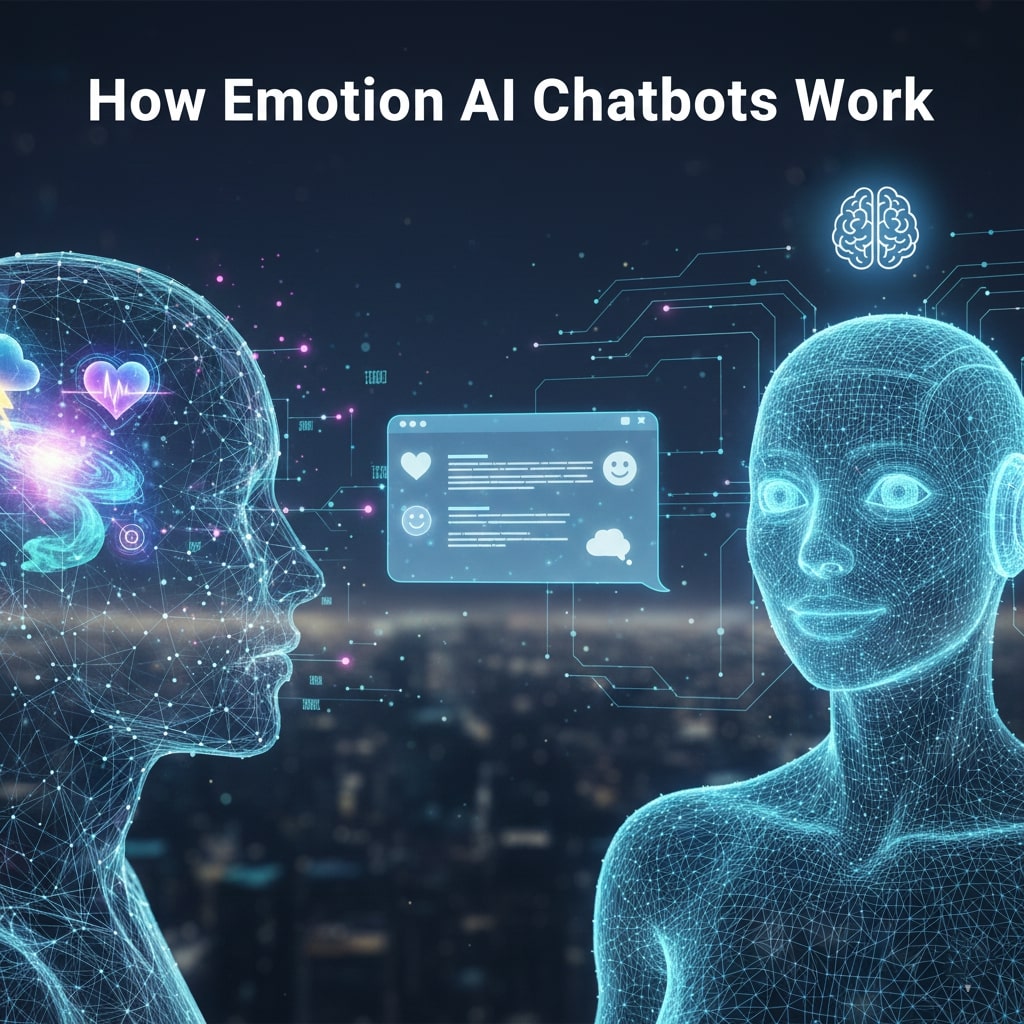
Implementing Emotion AI involves multiple layers, starting with data collection and pre-processing. Text-based chatbots capture user inputs, which are then tokenized and cleaned to remove noise like typos or filler words. The pre-processed text is fed into sentiment analysis models that output emotion scores across predefined categories. In voice-based systems, audio signals are transformed into spectrograms or feature vectors and passed to classifiers trained on emotional speech datasets. When both modalities are combined, multimodal fusion algorithms integrate results to produce a holistic emotion profile.
Once the user emotion is detected, the chatbot’s dialogue management system selects an appropriate response strategy. This may involve switching to more empathetic language templates, offering supportive resources, or escalating the conversation to a human agent if high distress is detected. Advanced solutions use reinforcement learning to continuously optimize response selection based on user feedback and conversation outcomes. Logging emotion annotations alongside chat logs also provides valuable insights for marketing teams to refine audience segments, tailor campaigns, and enhance overall customer experience.
Emotional Personalization in Multilingual and Multicultural Markets
Emotion AI must evolve to recognize and respect emotional expression across diverse languages and cultural backgrounds. Emotional cues differ significantly around the world—some cultures express enthusiasm overtly, while others communicate feelings more subtly. Slang, metaphors, idioms, and communication styles can dramatically alter the perceived sentiment behind a message. To operate successfully in global markets, Emotion AI systems must understand not only linguistic variations but also cultural nuances that shape emotional context. Advanced models trained on multicultural datasets can discern delicate emotional signals across languages and adjust chatbot responses to be culturally appropriate and emotionally accurate. For example, a phrase that signals mild frustration in one country may indicate strong dissatisfaction in another, and the chatbot must respond accordingly. By incorporating cultural sensitivity into emotional analysis, brands can create inclusive chatbot experiences that resonate authentically with international audiences. This culturally aware emotional intelligence is essential for global brands seeking to build emotional connections at scale without compromising respect or relevance.
Use Cases
Emotion AI chatbots have diverse applications across industries. Below are three compelling use cases that illustrate the power of this technology in marketing.
Retail and E-commerce
Emotion AI chatbots can upsell and cross sell more effectively by gauging customer enthusiasm or hesitation. For example, if a shopper expresses excitement about a product, the chatbot can offer premium add ons or limited-time discounts. Conversely, if hesitation is detected, it can share customer reviews or size guides to alleviate concerns. By responding to emotional cues, brands can increase average order value and reduce cart abandonment.
Financial Services
Managing money can be stressful. Emotion AI chatbots in banking apps can detect anxiety during loan inquiries or investment decisions and provide calming, educational content. These chatbots can also route customers to specialized support teams if high stress or frustration is recognized. By offering empathetic guidance, banks build trust and differentiate themselves in a competitive market.
Healthcare and Wellness
Emotion AI chatbots support mental health and wellness programs by detecting mood swings and triggering proactive interventions. During marketing campaigns for wellness apps, emotion aware chatbots can tailor onboarding experiences based on user stress levels or motivational states. Personalized reminders, encouraging messages, and resource recommendations boost user engagement and promote healthier habits.
Benefits of Emotion AI Chatbots

- Enhanced personalization with context aware responses
- Higher conversion rates through empathetic upselling
- Improved customer satisfaction by addressing emotional needs
- Reduced support costs through early issue detection
- Richer marketing insights from emotion annotated data
Best Practices for Implementing Emotion AI
Choose the right emotion detection modalities based on your audience preferences and privacy considerations. Text based analysis offers broad coverage without requiring user permission for camera or microphone. Voice and vision based analysis may improve accuracy but demand transparent consent flows. Always comply with data protection regulations and clearly communicate how emotional data will be used.
Continuously train and validate your emotion models with diverse datasets to reduce bias and improve performance across demographics. Regularly review misclassified cases to refine your training pipeline. Implement fallback strategies for ambiguous emotions or low confidence scores, such as neutral templates or escalation to human agents.
Measuring Success
To evaluate the impact of Emotion AI chatbots, track metrics beyond traditional engagement KPIs. Monitor sentiment shift before and after key interactions, resolution rates for emotionally charged queries, and changes in customer satisfaction scores. A/B test different response strategies to identify the most empathetic tone and messaging styles. Analyze correlation between detected emotions and conversion events to fine tune your marketing funnels.
The Future of Hyper-Personalized Emotional Journeys
As Emotion AI matures, chatbots will evolve from simple conversation tools into intelligent emotional companions that guide users through hyper-personalized customer journeys. Instead of reacting only when emotions surface, next-generation systems will anticipate emotional states before they occur. By analyzing long-term behavioral patterns, language preferences, browsing habits, and past emotional responses, chatbots will predict when a customer is likely to feel anxious, excited, confused, or hesitant. This proactive emotional intelligence will allow brands to craft deeply immersive experiences where users feel understood at every touchpoint. For example, a chatbot might gently encourage a hesitant shopper by referencing past preferences or soften the tone when previous interactions indicate frustration. By continuously adapting messaging, tone, and timing to match user mood, Emotion AI will create more emotionally satisfying customer journeys that strengthen brand affinity and reduce friction. This forward-looking approach transforms chatbots from reactive support agents into strategic emotional experience managers who nurture trust and loyalty over time.
Conclusion
Emotion AI is transforming the way brands connect with customers by injecting genuine empathy into automated conversations. By understanding and responding to user emotions, marketers can deliver more meaningful experiences, nurture loyalty, and drive higher conversions. As AI technology advances, integrating emotion detection into chatbot marketing strategies will become a competitive necessity. Start by selecting the right modalities, training models ethically, and measuring sentiment based outcomes. With careful planning and a customer centric approach, emotion-aware chatbots will enable your brand to forge lasting emotional connections that resonate long after the conversation ends.
FAQ: Emotion AI in Chatbot Marketing
1. What is Emotion AI in chatbot marketing?
Emotion AI enables chatbots to identify and interpret human emotions from text, voice, or facial cues. In marketing, it allows automated systems to respond with empathy, personalize conversations, and improve user satisfaction by understanding the customer’s emotional state.
2. How does Emotion AI detect emotions?
Emotion AI uses machine learning and NLP models to analyze word choice, tone, sentence structure, and sentiment patterns. Voice-based systems consider pitch, speed, and vocal stress, while computer vision models detect facial expressions. These signals are processed to classify emotions like joy, frustration, confusion, or excitement.
3. Why is emotional intelligence important for chatbots?
Emotionally aware chatbots build stronger relationships with users. When a chatbot acknowledges feelings—such as frustration during a support issue—it creates a humanlike experience that increases trust, reduces churn, and boosts customer satisfaction. This leads to higher conversions and improved brand loyalty.
4. What industries benefit most from Emotion AI chatbots?
Retail, finance, healthcare, wellness, education, and travel industries see significant benefits. Emotion AI helps retailers personalize recommendations, banks reduce customer anxiety, and wellness apps guide users during emotional fluctuations.
5. Are Emotion AI chatbots safe and ethical?
Yes—when implemented responsibly. Brands must obtain explicit user consent for emotion detection, especially for voice or facial data. Following regulations like GDPR and maintaining transparency about how emotional data is used ensures ethical and legal operation.
6. Can Emotion AI chatbots replace human agents?
They enhance but do not fully replace humans. Emotion AI can handle routine or moderately emotional interactions, but high-stress, sensitive, or complex cases should still route to trained human support teams. Hybrid models offer the best customer experience.
7. How accurate is Emotion AI in detecting emotions?
Accuracy depends on the quality of training data, detection modality, and context. Text-only models may struggle with sarcasm or slang, while voice or vision models may perform better but require user permission. Combining modalities often produces more reliable results.
8. How do I implement Emotion AI in an existing chatbot?
Start by integrating sentiment analysis or emotion classification APIs. Next, update your dialogue flows to include empathetic responses and fallback messages. Train the model with industry-specific emotional data and continually evaluate performance through user feedback.
9. What are the main benefits for marketers?
Marketers gain improved personalization, higher conversion rates, stronger customer loyalty, lower support costs, and deeper audience insights. Emotion-annotated data reveals how emotional states influence buying decisions, enabling more effective campaign strategies.
10. How can brands measure the success of Emotion AI chatbots?
Key metrics include sentiment shift (before vs. after conversations), emotional resolution rate, customer satisfaction (CSAT), conversion lift, reduced escalations to human agents, and engagement duration. A/B testing different empathetic responses also reveals which emotional strategies work best.