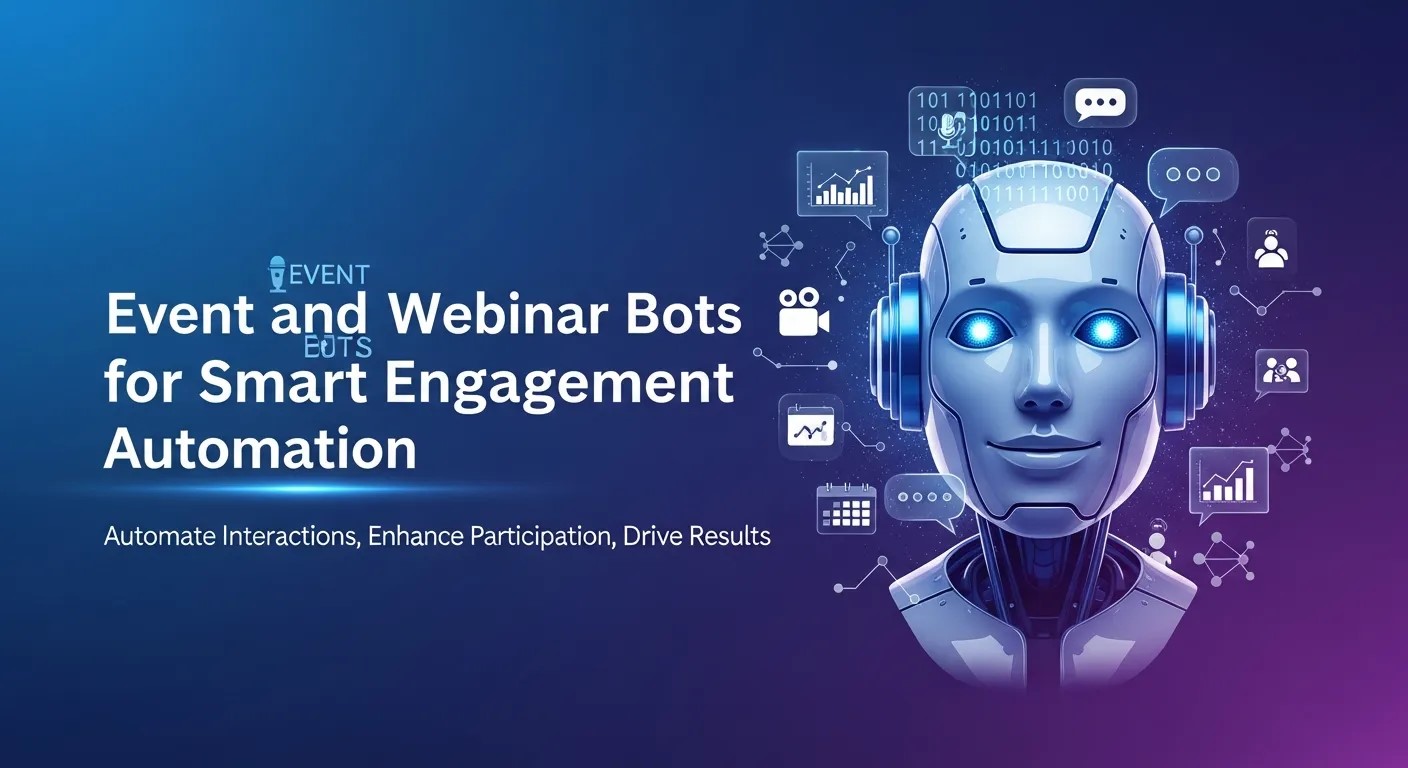
Event and Webinar Bots enhance digital engagement by automating registration, live interaction, and post-event follow-ups. AI-driven personalization, seamless integration, and data analytics ensure higher participation, improved user experience, and measurable ROI for businesses across industries.
The Shift Toward Intelligent Digital Events
Digital events have evolved from simple live streams into interactive engagement ecosystems. Businesses today compete not only for attention but for meaningful interaction. In this environment, Event and Webinar Bots are becoming essential tools for structured communication and scalable automation.
Modern audiences expect instant responses and guided experiences. If users encounter friction during registration or confusion during a session, they disengage quickly. Event and Webinar Bots solve this challenge by providing real-time assistance across the entire event lifecycle.
Rather than functioning as basic chat widgets, Event and Webinar Bots act as AI-driven engagement facilitators. They automate repetitive tasks, personalize user journeys, and ensure that no attendee feels ignored. This blend of automation and behavioral psychology makes Event and Webinar Bots powerful assets for digital marketers.
When participants receive immediate confirmation, contextual reminders, and interactive prompts, their trust increases. That psychological reassurance directly impacts attendance rates and engagement depth.
Understanding the Core Role of Event and Webinar Bots
What Are Event and Webinar Bots?
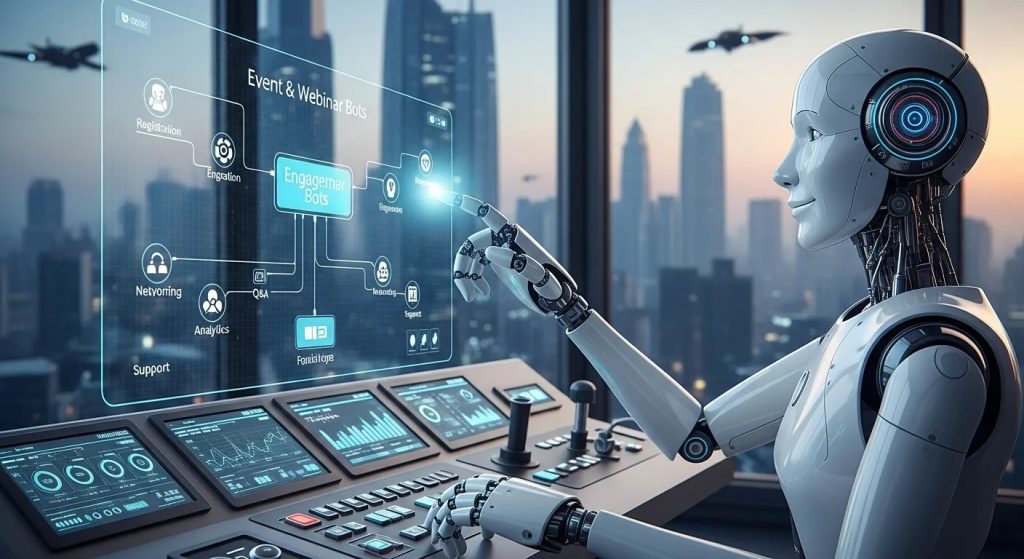
Event and Webinar Bots are AI-powered systems designed to automate communication before, during, and after virtual events. They assist with registrations, send reminders, moderate Q&A sessions, distribute resources, and handle post-event follow-ups.
Unlike static automation tools, Event and Webinar Bots adapt to user behavior. They analyze interactions and trigger relevant responses based on intent. This contextual intelligence makes them far more effective than traditional support systems.
Businesses integrate Event and Webinar Bots with CRM platforms, email marketing tools, and analytics dashboards. This integration ensures seamless data flow and measurable performance insights.
Why Automation Is Critical for Engagement
Online events face constant competition from distractions. Without interactive triggers, attention drops rapidly. Event and Webinar Bots counter this by creating structured engagement loops.
Voice Assistant Bots For example, automated reminders increase attendance consistency. During live sessions, interactive prompts encourage participation. Afterward, follow-up workflows maintain communication momentum.
Event and Webinar Bots also reduce cognitive overload. When attendees know help is instantly available, they feel more comfortable exploring content and asking questions.
Key Features That Drive Performance
1. Smart Registration Flows
Event and Webinar Bots guide users through conversational sign-up processes. This reduces form abandonment and improves user experience.
2. Automated Reminder Sequences
Timely notifications build anticipation and reinforce commitment. Event and Webinar Bots ensure participants do not forget scheduled sessions.
3. Real-Time Q&A Management
During live sessions, Event and Webinar Bots filter questions, group similar queries, and highlight priority topics for speakers.
4. Personalized Content Delivery
By tracking behavior, Event and Webinar Bots recommend relevant sessions or downloadable materials.
5. Post-Event Nurturing
Event and Webinar Bots distribute recordings, collect feedback, and initiate targeted follow-up campaigns.
Psychological Drivers Behind Their Effectiveness
Engagement automation works because it aligns with human behavior patterns:
- Instant Gratification: Immediate responses satisfy curiosity.
- Commitment Bias: Small actions increase the likelihood of deeper participation.
- Guided Navigation: Clear direction reduces uncertainty.
Event and Webinar Bots activate these psychological triggers systematically. When engagement feels effortless, participation increases naturally.
Integration With Advanced Marketing Ecosystems
Automation becomes more powerful when connected to broader systems.
Affiliate Chatbot Marketing allows partners to drive webinar sign-ups through automated referral conversations, expanding reach without manual coordination.
Intelligent Marketing Assistants synchronize messaging across multiple channels, ensuring consistency from email to live chat.
Enable hands-free event registration and information access, improving accessibility.
Centralize engagement data from chat, email, and social media into one analytics framework.
These technologies amplify the strategic impact of Event and Webinar Bots within modern digital campaigns.
Lifecycle of Event and Webinar Bots
Pre-Event Phase
Event and Webinar Bots handle inquiries, share agendas, and automate countdown reminders. This builds anticipation and reduces uncertainty.
During the Event
Event and Webinar Bots moderate chats, distribute polls, and provide instant assistance. Structured engagement prevents drop-offs.
Post-Event Phase
Event and Webinar Bots deliver recordings, feedback surveys, and personalized offers. This extends engagement beyond the live session.
This full-cycle approach transforms Event and Webinar Bots into long-term engagement assets rather than short-term tools.
Data and Performance Optimization
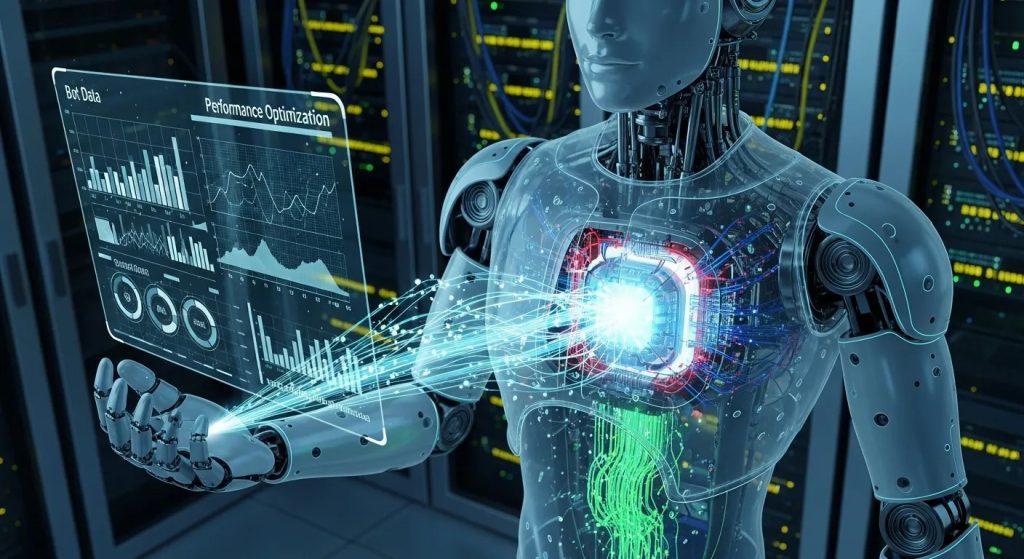
One of the strongest advantages of Event and Webinar Bots is measurable analytics. They track:
| Metric | Purpose |
|---|---|
| Registration Rate | Measures campaign effectiveness |
| Attendance Ratio | Evaluates reminder impact |
| Engagement Duration | Indicates content relevance |
| Conversion Rate | Reflects funnel performance |
By analyzing these metrics, businesses continuously refine messaging strategies.
Industry Applications
Education
Institutions use Event and Webinar Bots for virtual orientations and online workshops.
Corporate Training
Organizations deploy Event and Webinar Bots to automate internal learning sessions.
Product Launches
Brands rely on Event and Webinar Bots to manage high interaction volumes during demos.
Healthcare Conferences
Medical events use Event and Webinar Bots for schedule distribution and attendee coordination.
Scalability and Personalization
AI Interaction Hubs The biggest advantage of Event and Webinar Bots is their ability to deliver personalized experiences at scale. Thousands of attendees can receive tailored messages simultaneously.
Dynamic segmentation allows Event and Webinar Bots to categorize users based on behavior and interests. This ensures communication remains relevant and targeted.
Cost Efficiency and ROI
Manual event management requires significant manpower. Event and Webinar Bots reduce operational costs by automating repetitive workflows.
Higher engagement leads to stronger conversion outcomes. By maintaining post-event communication, Event and Webinar Bots improve long-term lead nurturing performance.
Security and Trust
Trust is essential in digital environments. Event and Webinar Bots integrate secure authentication systems and encrypted communication protocols.
When users feel their data is protected, their confidence in the brand increases.
Human and Automation Balance
The most effective strategy combines human hosts with Event and Webinar Bots. Automation manages logistics and FAQs, while speakers focus on delivering value and storytelling.
This balanced approach enhances efficiency without sacrificing authenticity.
Future Outlook
As AI continues evolving, Event and Webinar Bots will incorporate predictive engagement models and advanced sentiment analysis. These capabilities will allow proactive interaction rather than reactive support.
Businesses that implement Event and Webinar Bots strategically will gain competitive advantages in digital communication and audience engagement.
Advanced Engagement Architecture for Digital Events
Digital events are no longer linear experiences. They function as layered interaction environments where attention must be continuously earned. While automation handles structural efficiency, strategic design determines whether attendees remain engaged or silently exit.
The next evolution of engagement strategy focuses on adaptive conversational flows. Instead of pushing the same scripted journey to every participant, smart systems now segment users dynamically. Behavioral signals such as click frequency, response time, and session duration influence communication patterns.
This is where Event and Webinar Bots evolve beyond support tools and become strategic engagement orchestrators. Rather than reacting only to questions, they proactively guide user journeys based on contextual data.
For example, if a participant remains inactive during the first ten minutes of a session, an automated nudge can encourage interaction through a poll or downloadable checklist. If someone asks multiple product-related questions, a follow-up resource can be delivered instantly.
This adaptive system transforms passive attendance into measurable interaction.
Conversational Flow Optimization
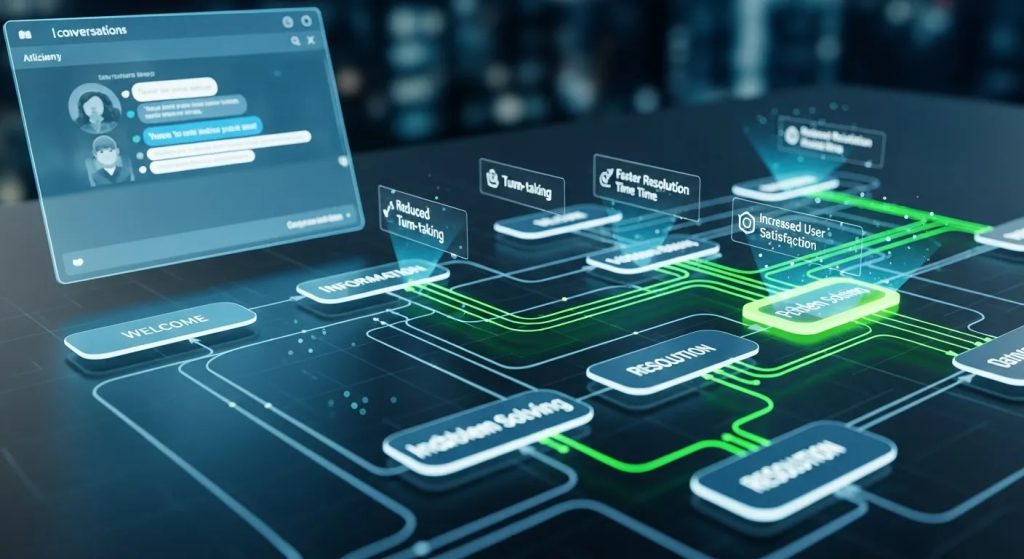
Mapping the Attendee Journey
To maximize performance, businesses must design structured conversational pathways. Every digital event typically follows this behavioral arc:
- Awareness
- Consideration
- Registration
- Participation
- Post-Event Evaluation
- Conversion or Drop-off
Automation tools are most powerful when aligned with this psychological flow.
During awareness, curiosity-driven messaging increases click-through rates.
During consideration, instant FAQ responses reduce hesitation.
During participation, micro-engagement elements sustain focus.
After the event, personalized follow-ups strengthen recall.
Event and Webinar Bots operate most effectively when mapped intentionally across these stages rather than deployed randomly.
Behavioral Data and Predictive Interaction
Modern automation platforms rely heavily on data interpretation. Engagement metrics are not just numbers they are behavioral indicators.
For instance:
| Behavioral Indicator | Psychological Meaning | Strategic Response |
|---|---|---|
| Late registration | High urgency mindset | Send priority reminder |
| Early sign-up | Strong interest | Provide exclusive content |
| Repeated chat messages | High engagement | Offer deeper resources |
| Mid-session exit | Lost attention | Trigger re-engagement email |
Through this structured approach, automation becomes predictive rather than reactive.
As machine learning models mature, Event and Webinar Bots can anticipate user needs based on patterns observed across thousands of interactions. This predictive engagement increases efficiency while preserving personalization.
Designing High-Converting Event Funnels
Digital events often function as top-of-funnel lead generators. However, without strategic nurturing, potential clients disappear after attending.
A high-converting funnel includes:
- Interactive registration
- Value-driven session content
- Engagement checkpoints
- Targeted post-event messaging
- Timed conversion offers
Automation ensures consistency across each stage. Instead of relying on manual follow-ups, businesses create structured engagement loops that continue long after the live session ends.
The subtle reinforcement of value builds authority. When attendees repeatedly interact with helpful resources, brand trust strengthens.
Engagement Metrics That Truly Matter
Not all metrics reflect meaningful success. Vanity numbers such as total registrations may look impressive but reveal little about engagement quality.
The most important indicators include:
- Average watch duration
- Chat participation rate
- Resource download frequency
- Follow-up response rate
- Conversion progression timeline
When these metrics improve consistently, it signals that the engagement strategy is aligned with audience psychology.
Event and Webinar Bots help capture these insights automatically, reducing manual tracking errors and improving strategic clarity.
Reducing Drop-Off Through Micro-Commitments
One powerful psychological strategy involves micro-commitments. Instead of expecting attendees to remain attentive for an entire session, automation encourages small actions throughout.
Examples include:
- One-click poll responses
- Emoji reactions
- Quick feedback prompts
- Resource unlock interactions
Each small commitment increases emotional investment. Over time, this reduces abandonment rates significantly.
By strategically embedding these micro-actions, digital events feel interactive rather than passive.
Cross-Channel Continuity
Engagement should not start and end within a webinar room. Effective strategy ensures cross-channel continuity.
Pre-event communication may begin through email or social messaging. During the session, live chat interactions maintain momentum. Afterward, follow-up sequences continue through targeted messaging.
Maintaining consistent tone and structured timing prevents audience fatigue. When communication feels organized and purposeful, brand perception improves.
Automation tools help synchronize this ecosystem without overwhelming internal teams.
Scaling Global Digital Events
As businesses expand internationally, scalability becomes critical. Time zones, language diversity, and cultural expectations create additional complexity.
Modern systems now integrate multilingual capabilities and localized engagement patterns. Predictive scheduling adjusts reminders based on participant location.
This global scalability allows organizations to host events without increasing operational costs proportionally.
Emotional Intelligence in Automation
Future-ready digital engagement strategies incorporate sentiment analysis. By detecting emotional cues in chat responses, systems can identify confusion, frustration, or enthusiasm.
For instance:
- Repeated clarification questions may signal unclear presentation segments.
- Short, abrupt responses might indicate declining attention.
- Positive reaction spikes suggest content resonance.
When these signals are captured in real time, adjustments can be made instantly.
Although automation drives efficiency, emotional awareness ensures human-centered experiences remain intact.
The Competitive Advantage of Strategic Implementation
Businesses that treat automation merely as a support tool often see limited results. However, organizations that integrate it strategically into their marketing ecosystem experience compounding benefits.
Consistent engagement builds brand authority.
Structured communication reduces friction.
Data-driven refinement improves conversion rates.
As digital competition intensifies, seamless engagement becomes a differentiator.
Event and Webinar Bots, when implemented thoughtfully, create predictable and scalable interaction frameworks that outperform manual-only systems.
Technical Infrastructure and Integration Architecture
Modern digital events require robust backend systems to ensure smooth delivery. Event and Webinar Bots are most effective when integrated into a layered technical architecture.
Core Components
- CRM Integration – Bots sync with customer relationship management systems to track attendee profiles, previous interactions, and behavioral data.
- Marketing Automation Platforms – Automated campaigns for reminders, post-event follow-ups, and lead nurturing can be triggered based on engagement metrics.
- Analytics Dashboards – Performance tracking for participation, interaction rates, and conversion pipelines is critical for continuous optimization.
- Communication APIs – Email, chat, SMS, and push notifications ensure multi-channel engagement with participants.
A seamless technical setup allows Event and Webinar Bots to operate efficiently, providing consistent responses without latency or errors.
AI-Driven Personalization
The next frontier in engagement is personalization at scale. Event and Webinar Bots now leverage AI algorithms to adapt experiences for each attendee.
Personalization Strategies
- Behavioral Segmentation – Bots categorize participants by interest, engagement level, and past interactions.
- Contextual Messaging – Automated prompts adjust based on session progress, engagement patterns, or specific queries.
- Predictive Resource Delivery – AI predicts content participants are likely to need next, offering guides, documents, or session recommendations proactively.
This dynamic personalization keeps participants engaged, even in large-scale events with thousands of attendees.
Enterprise-Level Use Cases
Event and Webinar Bots are not limited to small webinars. Large organizations implement them for:
1. Corporate Training Programs
Global companies automate onboarding and skill-building workshops. Bots provide instant guidance, track module completion, and deliver assessments.
2. Product Launch Campaigns
During high-volume launches, bots handle thousands of inquiries, provide demo schedules, and ensure consistent messaging across regions.
3. Large-Scale Conferences
Medical, educational, and tech conferences deploy bots to manage session navigation, speaker Q&A, and resource sharing in real time.
4. Customer Engagement Programs
Bots facilitate interactive product tutorials, FAQ support, and personalized follow-up sequences that nurture potential clients efficiently.
These applications highlight how intelligent automation transforms manual operations into data-driven, scalable engagement models.
Optimization Techniques for Maximum Impact
To fully leverage Event and Webinar Bots, organizations implement continuous improvement strategies:
- A/B Testing – Test different conversation flows, prompt timings, and engagement nudges to determine the most effective strategies.
- Feedback Loops – Collect participant input post-event to identify friction points and areas for improvement.
- Real-Time Monitoring – Monitor engagement metrics during live sessions to adjust prompts, notifications, or content delivery dynamically.
- Machine Learning Updates – Bots evolve based on interaction patterns, improving predictive responses and personalized recommendations over time.
By combining these techniques, Event and Webinar Bots become smarter with every event, optimizing ROI and user satisfaction.
Data Security and Compliance
For enterprise adoption, security cannot be overlooked. Modern Event and Webinar Bots follow best practices:
- End-to-End Encryption – Ensures participant data is secure during interactions.
- GDPR and Privacy Compliance – Protects user information, particularly in global events.
- Secure Authentication – Prevents unauthorized access to sensitive session content and analytics.
Participants are more likely to trust digital platforms that ensure data integrity and privacy, enhancing overall engagement effectiveness.
Enhancing ROI with Automation
Automation is not just about convenience; it directly impacts revenue and efficiency:
- Operational Cost Reduction – Less reliance on live support staff for repetitive tasks.
- Higher Conversion Rates – Personalized follow-ups and predictive messaging increase lead-to-customer conversion.
- Scalable Engagement – Bots handle thousands of participants simultaneously without performance drops.
- Actionable Insights – Data collected can guide future events, marketing campaigns, and product strategies.
Organizations that implement these frameworks report significant ROI improvement within months.
Cross-Platform Compatibility
To maximize reach, Event and Webinar Bots now support multi-platform functionality:
- Web-based webinar platforms
- Mobile applications
- Voice-enabled assistants
- Social media messaging integrations
This ensures participants can interact with events using their preferred channels, increasing accessibility and satisfaction.
Advanced AI Personalization Models
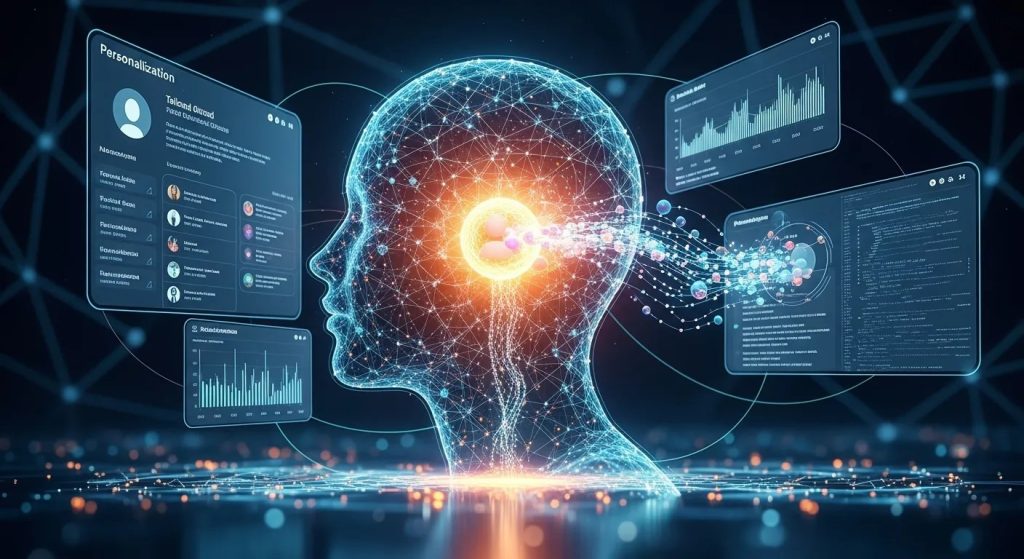
Future-ready Event and Webinar Bots will include:
- Sentiment Analysis – Detecting user mood to adjust messaging tone.
- Predictive Content Delivery – Suggesting sessions or resources based on predicted interests.
- Multilingual Support – Serving global audiences without language barriers.
- Emotion-Aware Engagement – Adjusting interactions based on frustration or enthusiasm signals.
These capabilities transform bots from reactive tools into proactive engagement partners.
Conclusion
Event and Webinar Bots are transforming digital events into interactive, data-driven experiences. By automating registration, session guidance, live Q&A, and post-event follow-ups, these tools save time while maintaining personalization. AI-powered insights and behavioral analytics allow businesses to optimize engagement, predict attendee needs, and deliver tailored content. Integration with CRM, marketing platforms, and multi-channel communication ensures scalable efficiency. Organizations leveraging Event and Webinar Bots benefit from higher attendance, improved conversions, and better audience satisfaction. As digital events grow in scale and complexity, intelligent automation becomes essential for brands seeking measurable impact and competitive advantage.
Frequently Asked Questions (FAQ)
What are Event and Webinar Bots?
Event and Webinar Bots are AI-powered assistants that automate registration, live session support, and post-event follow-ups to improve participant engagement.
How do Event and Webinar Bots enhance attendee engagement?
By sending reminders, moderating Q&A, delivering personalized resources, and guiding users through interactive sessions, bots maintain attention and increase interaction.
Can these bots handle large audiences?
Yes, Event and Webinar Bots can manage thousands of participants simultaneously without slowing down or losing data.
Do Event and Webinar Bots replace human moderators?
No, they complement human hosts by automating repetitive tasks, allowing moderators to focus on high-value interactions.
How do bots personalize attendee experiences?
Bots use behavioral data, session activity, and preferences to recommend content, suggest sessions, and provide relevant resources automatically.
Which industries benefit most from Event and Webinar Bots?
Education, corporate training, product launches, healthcare conferences, and marketing campaigns gain the most value from these bots.
Are Event and Webinar Bots compatible with all platforms?
Most modern webinar and virtual event platforms support integration via APIs or built-in automation tools.
How do these bots integrate with marketing and CRM systems?
They sync attendee data, track engagement metrics, and trigger follow-up sequences automatically for targeted marketing efforts.
Can bots track attendee behavior and provide analytics?
Yes, Event and Webinar Bots collect interaction data, measure engagement, and generate reports to improve future events.
Are Event and Webinar Bots secure and GDPR-compliant?
Modern bots follow encryption standards, secure authentication, and privacy regulations to ensure participant data is protected.
What ROI can businesses expect from using Event and Webinar Bots?
Businesses can see higher attendance, better engagement, reduced staffing costs, and improved lead conversion rates with effective implementation.
How do AI-driven bots anticipate attendee needs?
By analyzing behavior patterns and engagement trends, bots proactively suggest content, answer questions, and guide participants through sessions.