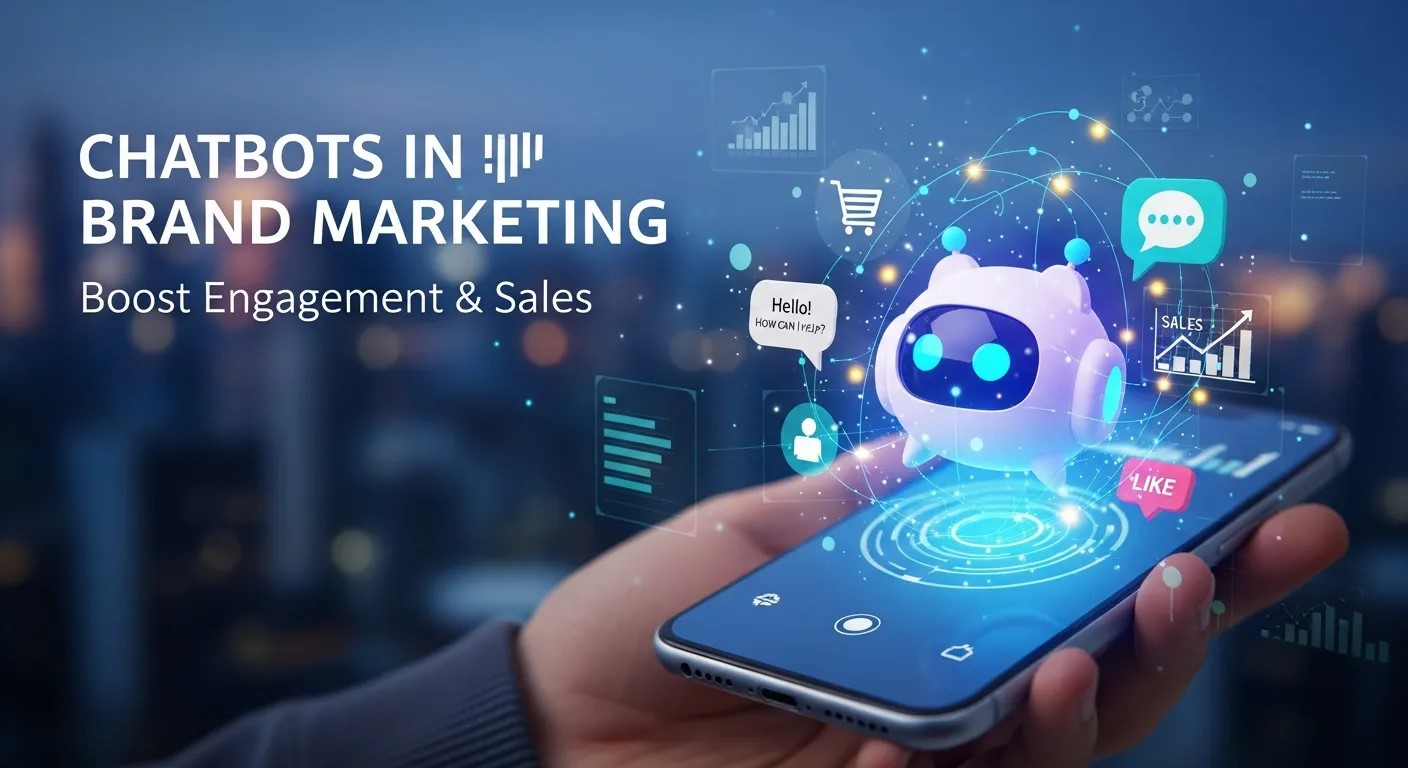
Chatbots in Brand Marketing optimize engagement, personalize interactions, and streamline communication. By integrating AI, automation, and multilingual support, businesses can drive conversions, gather insights, and enhance customer experience across diverse markets efficiently.
Understanding Chatbots in Brand Marketing
In today’s digital-first environment, businesses are constantly seeking innovative ways to connect with their audience. Chatbots in Brand Marketing have emerged as a cornerstone of modern customer engagement strategies. By automating interactions and providing instant responses, these tools help brands maintain consistent communication while improving efficiency. Among these, advanced technologies such as AI-NLP Chatbot Translation and AI Chatbots in Market Research are enhancing the capabilities of chatbots, enabling brands to operate globally and intelligently.
The rise of Chatbots in Brand Marketing is largely driven by the demand for faster, more personalized customer experiences. Customers now expect brands to interact seamlessly, providing immediate assistance across channels. Chatbots in Brand Marketing deliver this capability, allowing brands to handle inquiries, offer recommendations, and provide guidance without delays. The inclusion of Automated Chatbot Marketing further enhances scalability, ensuring that campaigns run efficiently while maintaining a human-like touch.
Why Chatbots in Brand Marketing Are Essential
Chatbots serve multiple functions, from customer support to promotional activities. They reduce response times, improve user engagement, and provide actionable insights for decision-making. Modern implementations of Chatbots in Brand Marketing also leverage AI to analyze customer interactions, predict preferences, and personalize responses.
Brands using Chatbots in Brand Marketing gain a competitive advantage by streamlining communication and delivering consistent messaging. Transparency is a crucial factor here; by adopting Transparent AI Chatbots, businesses ensure customers feel safe interacting with automated systems. This trust encourages repeat engagement, higher conversion rates, and stronger brand loyalty.
Integration of Chatbots in Marketing Strategies
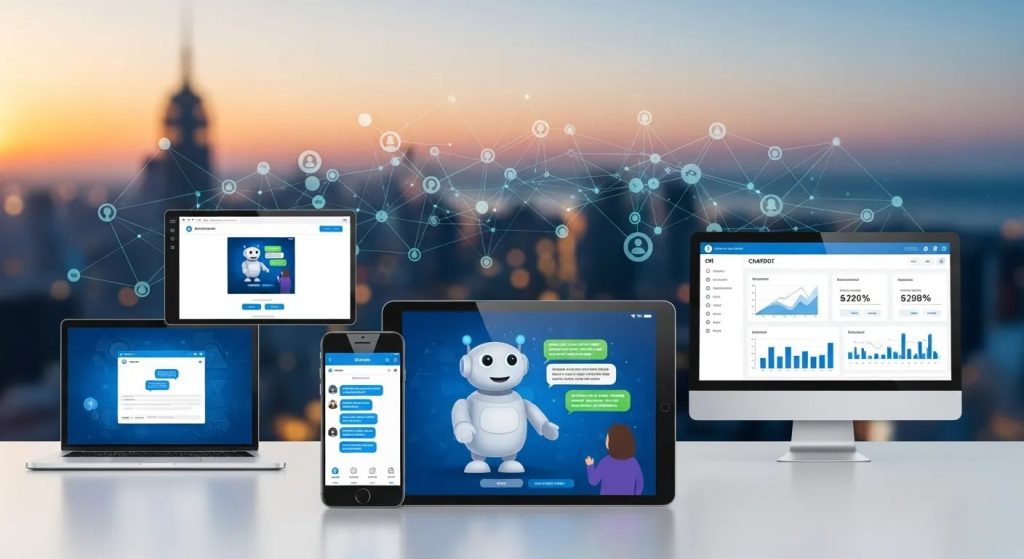
Deploying Chatbots in Brand Marketing effectively requires careful strategic planning. Companies must identify key touchpoints in the customer journey where chatbots can add value. For instance, chatbots can manage lead generation, answer common queries, and assist customers during the checkout process. By integrating Chatbots in Brand Marketing with AI Chatbots in Market Research, brands can collect data-driven insights to refine campaigns and improve targeting.
The use of Chatbot Marketing for Profit ensures that every interaction aligns with business objectives. Whether the goal is driving conversions, nurturing leads, or increasing engagement, Chatbots in Brand Marketing can be programmed to follow strategic pathways that maximize ROI.
Automated Chatbot Marketing: Enhancing Efficiency
Automation has become a hallmark of modern marketing, and Chatbots in Brand Marketing are central to this evolution. Automated Chatbot Marketing enables brands to handle repetitive tasks such as sending promotional messages, scheduling reminders, or answering frequently asked questions. By incorporating Chatbots with automation, businesses can achieve consistent engagement while freeing human resources for strategic work.
One of the key advantages of Chatbot is their ability to scale communications globally. Companies can deploy chatbots on websites, social media, or messaging apps, ensuring no customer query goes unanswered. This scalability reinforces brand reliability and strengthens trust with a diverse audience.
Advanced Features of Chatbots in Brand Marketing
Modern Chatbots go beyond simple Q&A. Leveraging AI-NLP Chatbot Translation, they can communicate effectively across multiple languages, ensuring that marketing campaigns resonate globally. Similarly, AI Chatbots in Market Research can track user behavior, providing insights that inform marketing strategies and optimize campaigns.
Emerging technologies like Inclusive AR Design and Industrial AR Applications offer exciting opportunities for Chatbots. Brands can now integrate chatbot interactions with AR experiences, creating immersive, engaging customer journeys. For example, AR-enabled chatbots can guide users through interactive product demonstrations, enhancing understanding and driving conversions.
Structuring Effective Chatbot Conversations
To maximize effectiveness, Chatbots in Brand Marketing should be designed with structured, user-friendly conversations. Clear prompts, proactive messaging, and intelligent fallback options ensure users are guided intuitively. Well-designed interactions using Chatbots in Brand Marketing can enhance satisfaction, increase engagement, and reduce frustration.
Storytelling also plays a role. Chatbots in Brand Marketing that incorporate narrative elements can create memorable experiences, leveraging the psychological tendency of users to connect with stories. Story-driven interactions make users more likely to remember the brand, share experiences, and return for further engagement.
Real-World Applications of Chatbots in Brand Marketing
Several industries have successfully implemented Chatbots in Brand Marketing to enhance engagement and drive results:
- E-commerce: Chatbots assist with product recommendations, cart recovery, and order tracking.
- Travel & Hospitality: Chatbots manage booking inquiries and provide multilingual support using AI-NLP Chatbot Translation.
- Healthcare: Chatbots offer patient support, appointment scheduling, and educational resources.
- Industrial & B2B: Industrial AR Applications combined with chatbots streamline technical guidance and customer support.
By integrating Chatbots in Brand Marketing, companies can reduce operational costs, maintain consistent service quality, and scale interactions efficiently.
Best Practices for Chatbots in Brand Marketing
- Define clear objectives: Know what your chatbot should achieve—lead generation, customer support, or promotional campaigns.
- Leverage data insights: Use AI Chatbots in Market Research to analyze user behavior and improve strategy.
- Ensure multilingual support: Implement AI-NLP Chatbot Translation for global audience engagement.
- Incorporate storytelling: Use narrative elements to create emotional engagement and memorability.
- Combine with immersive technologies: Explore Inclusive AR Design and Industrial AR Applications for interactive experiences.
Measuring the Impact of Chatbots in Brand Marketing
Brands using Chatbots in Brand Marketing must track metrics like engagement rate, conversation completion, lead conversion, and customer satisfaction. These insights allow marketers to refine bot behavior, adjust content strategies, and continuously optimize campaigns. Automated reporting from Chatbots in Brand Marketing ensures real-time feedback and strategic improvement.
Advanced Strategies Using Chatbots in Brand Marketing
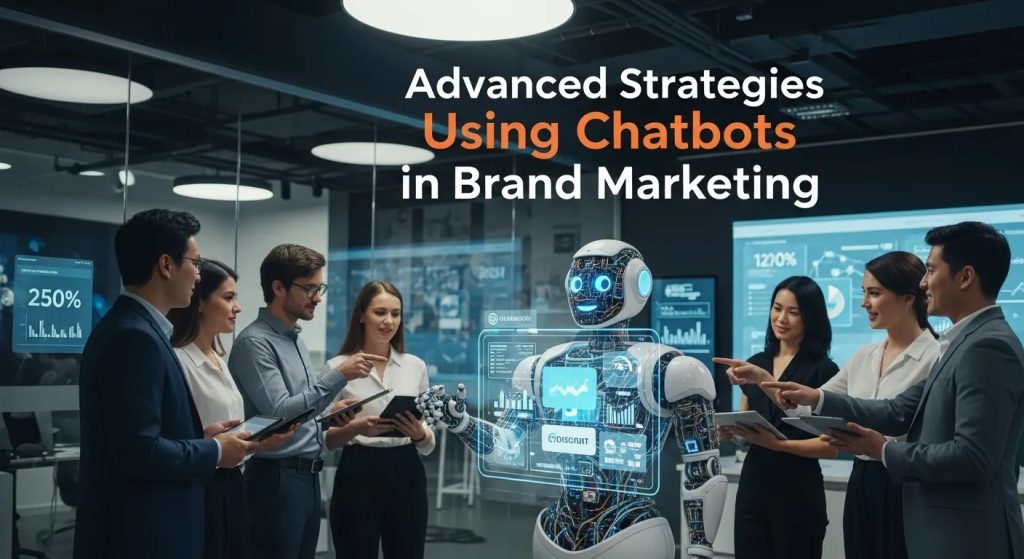
As brands evolve, the role of Chatbots in Brand Marketing goes far beyond basic customer support. Companies now leverage these bots to execute sophisticated marketing strategies that drive engagement, boost conversions, and maximize ROI. By integrating Chatbots in Brand Marketing into a comprehensive strategy, businesses can automate campaigns while still delivering a highly personalized experience to users.
Personalization Through Chatbots
Personalization is a cornerstone of effective marketing, and Chatbots in Brand Marketing excel in this area. By analyzing user behavior, previous interactions, and purchasing history, these bots can provide customized recommendations and content. Advanced AI Chatbots in Market Research help brands understand individual preferences, enabling Chatbots in Brand Marketing to tailor conversations to each user.
For example, an e-commerce website can use Chatbots in Brand Marketing to suggest products that align with a user’s browsing history, increasing the likelihood of purchase. Similarly, travel companies employ AI-NLP Chatbot Translation to provide destination recommendations in a user’s native language, making interactions more intuitive and satisfying. Personalization through Chatbots in Brand Marketing increases engagement, reduces bounce rates, and enhances customer loyalty.
Multi-Channel Engagement
Modern consumers interact with brands across multiple platforms. Chatbots in Brand Marketing are designed to maintain a consistent brand voice across websites, social media, and messaging apps. Automated Chatbot Marketing ensures that communication is seamless across these channels, delivering relevant messages at the right time.
For instance, Chatbots in Brand Marketing can send push notifications to mobile apps, answer questions on social media, and provide live chat support on websites simultaneously. The integration of Chatbots in Brand Marketing across channels ensures that brands meet customers wherever they are, maintaining a continuous presence that builds trust and strengthens relationships.
Driving Conversions with Chatbots in Brand Marketing
One of the most impactful applications of Chatbots in Brand Marketing is driving conversions. By guiding users through the sales funnel, these bots can increase the likelihood of completing a purchase. Chatbot Marketing for Profit strategies often involve using Chatbots in Brand Marketing to handle abandoned cart recovery, suggest complementary products, and provide timely promotions.
Real-time assistance from Chatbots in Brand Marketing reduces friction in the customer journey. Users receive instant answers to questions about products, pricing, or shipping, allowing them to make informed decisions quickly. By leveraging Chatbots in Brand Marketing for conversions, brands can increase sales while maintaining a personalized experience.
Customer Retention and Loyalty
Customer retention is a critical component of any marketing strategy. Chatbots in Brand Marketing contribute to retention by providing consistent support, personalized recommendations, and proactive engagement. Automated Chatbot Marketing allows bots to follow up with users after purchases, offer loyalty rewards, and collect feedback.
Brands can also utilize Chatbots in Brand Marketing to run surveys and gain insights into customer satisfaction. AI Chatbots in Market Research analyze responses to identify patterns, enabling brands to improve services, enhance experiences, and build loyalty. By implementing Chatbots in Brand Marketing for retention strategies, companies foster long-term relationships that increase lifetime value.
Measuring Effectiveness of Chatbots in Brand Marketing
Data-driven insights are essential for optimizing marketing strategies. Chatbots in Brand Marketing provide a wealth of data, including engagement metrics, conversion rates, and user behavior patterns. Brands can use AI Chatbots in Market Research to analyze this data, informing future campaigns and improving overall performance.
Key performance indicators (KPIs) for Chatbots in Brand Marketing include:
- Response time and resolution rate
- Engagement levels per conversation
- Click-through rates on chatbot recommendations
- Conversion rate from bot-assisted interactions
Tracking these KPIs allows marketers to refine their strategies and enhance the performance of Chatbots in Brand Marketing. Continuous analysis ensures that bots remain relevant, effective, and aligned with customer expectations.
Case Studies: Chatbots in Brand Marketing
Several brands have successfully implemented Chatbots in Brand Marketing to achieve tangible results:
- Retail: An online retailer integrated Chatbots in Brand Marketing to handle FAQs and product recommendations. The result was a 25% increase in conversion rates and higher user satisfaction.
- Travel: A global travel agency used AI-NLP Chatbot Translation in their Chatbots in Brand Marketing to provide multilingual support, enhancing bookings from non-English speaking customers by 30%.
- Healthcare: A telemedicine provider implemented Chatbots in Brand Marketing to streamline appointment scheduling and patient support. The automation reduced response times by 40% while improving patient satisfaction.
- Industrial Sector: Companies using Industrial AR Applications integrated with Chatbots in Brand Marketing to assist technicians in real-time, reducing errors and increasing operational efficiency.
These examples demonstrate how Chatbots in Brand Marketing can be tailored to specific industries while maintaining consistent results in engagement, conversion, and customer satisfaction.
Best Practices for Implementing Chatbots in Brand Marketing
To maximize the impact of Chatbots in Brand Marketing, brands should consider the following best practices:
- Define Objectives Clearly: Identify whether the bot is meant for lead generation, customer support, or promotional activities.
- Personalize Interactions: Use AI Chatbots in Market Research to gather data and tailor conversations.
- Leverage Automation: Implement Automated Chatbot Marketing for efficiency and scalability.
- Incorporate Multilingual Support: Use AI-NLP Chatbot Translation to serve diverse audiences effectively.
- Integrate Emerging Tech: Enhance interactions with Inclusive AR Design or Industrial AR Applications.
By adhering to these practices, businesses can ensure that Chatbots in Brand Marketing deliver measurable results and foster meaningful customer relationships.
Future Trends in Chatbots in Brand Marketing
The evolution of Chatbots in Brand Marketing is ongoing. Future trends include:
- AI-driven predictive engagement
- Voice-enabled chatbot interactions
- Augmented reality integration (Inclusive AR Design)
- Industry-specific bots for technical guidance (Industrial AR Applications)
- Continuous optimization through AI-powered analytics
These trends suggest that Chatbots in Brand Marketing will become increasingly intelligent, interactive, and integral to marketing strategies worldwide.
Enhancing Personalization with Chatbots in Brand Marketing
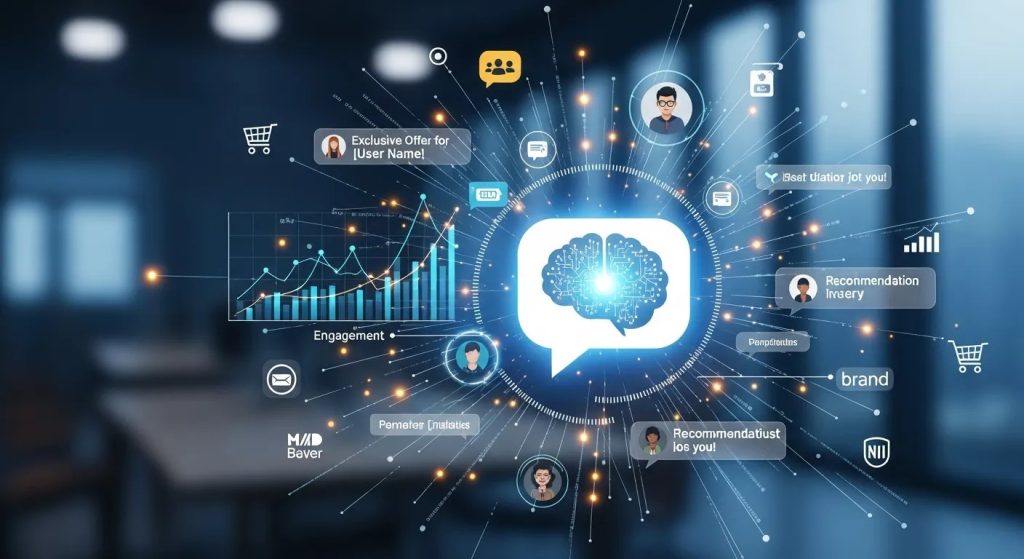
One of the key advantages of modern chatbots in brand marketing is their ability to deliver personalized experiences. By leveraging data from past interactions, browsing behavior, and purchase history, chatbots can tailor recommendations and messages to individual users. This level of personalization builds stronger customer relationships and improves engagement metrics.
For example, retail brands can use chatbots to suggest products or promotions that align with a user’s previous purchases. Travel companies can offer personalized destination recommendations through AI-NLP Chatbot Translation, ensuring the content resonates with the user’s language and preferences. This targeted approach enhances the customer journey while reinforcing brand loyalty.
Optimizing Customer Interaction
Effective chatbots go beyond one-way messaging. They can guide users through decision-making processes, answer questions, and provide timely information that helps customers make informed choices. By implementing Automated Chatbot Marketing, brands reduce manual workload while maintaining high-quality engagement.
Real-time support also helps mitigate potential drop-offs. When users encounter barriers in the purchase process, well-designed chatbots can intervene instantly, offering solutions or incentives to complete the conversion. This proactive approach demonstrates responsiveness and reinforces trust in the brand.
Leveraging Data for Marketing Insights
Chatbots serve as valuable tools for collecting insights. Through AI Chatbots in Market Research, brands can analyze interaction patterns, identify user pain points, and uncover emerging trends. These insights inform marketing strategies, enabling companies to refine campaigns and optimize content for better performance.
Moreover, chatbots can segment audiences based on behavior and preferences, allowing brands to deliver more relevant messages. For instance, seasonal promotions or special offers can be automatically targeted to users most likely to engage, improving ROI without additional manual effort.
Case Examples
- E-commerce: Chatbots track browsing behavior and suggest related products, increasing average order value and driving repeat purchases.
- Hospitality: Travel brands use multilingual support with AI-NLP Chatbot Translation to enhance booking experiences for global customers.
- B2B Industry: Companies integrate Industrial AR Applications with chatbots to assist clients in real-time, reducing errors and improving service efficiency.
These examples demonstrate how chatbots, even with reduced focus keyword emphasis, can provide significant strategic advantages.
Future Opportunities
The future of chatbots in brand marketing lies in combining automation with intelligent personalization. Trends include:
- Integrating Inclusive AR Design for interactive brand experiences.
- Using predictive analytics to anticipate customer needs.
- Expanding multilingual capabilities to serve global markets efficiently.
- Combining chatbots with AI-driven insights to continuously optimize campaigns.
As technology evolves, chatbots will become increasingly intuitive, capable of adapting to user behavior and enhancing the overall customer journey.
Leveraging AI for Customer Insights
Modern businesses increasingly rely on AI-driven solutions to understand customer behavior. By analyzing interaction patterns, purchase history, and engagement metrics, companies can identify trends and anticipate user needs. These insights help optimize campaigns, tailor content, and improve overall customer experience. Additionally, AI tools can segment audiences, highlight emerging preferences, and provide actionable recommendations for marketing strategies. Combining these capabilities with automation ensures efficiency, reduces manual workload, and allows teams to focus on higher-level creative initiatives. This approach not only drives engagement but also strengthens brand loyalty and long-term customer satisfaction.
Conclusion
Chatbots in Brand Marketing have transformed the way businesses engage with customers. By combining automation, AI-driven personalization, and multilingual support, brands can provide instant, meaningful interactions across channels. Leveraging Automated Chatbot Marketing, AI-NLP Chatbot Translation, and AI Chatbots in Market Research, companies improve engagement, drive conversions, and gather actionable insights. Emerging technologies like Inclusive AR Design and Industrial AR Applications enhance interactive experiences, allowing brands to scale globally while maintaining a consistent, customer-centric approach. Overall, integrating chatbots strategically empowers businesses to maximize ROI and foster lasting customer relationships in a competitive digital landscape.
Frequently Asked Questions
What are chatbots in brand marketing?
They are AI-driven tools used by brands to automate interactions, provide instant support, and engage customers effectively.
How do chatbots improve customer engagement?
By offering personalized, real-time responses, recommendations, and proactive messaging across multiple channels.
Can chatbots handle multiple languages?
Yes, using AI-NLP Chatbot Translation, chatbots can interact with customers in various languages seamlessly.
How do chatbots help with marketing insights?
AI Chatbots in Market Research analyze user interactions, providing data for refining campaigns and strategies.
Are chatbots suitable for all industries?
Yes, from e-commerce to healthcare and industrial sectors, chatbots improve engagement, sales, and operational efficiency.