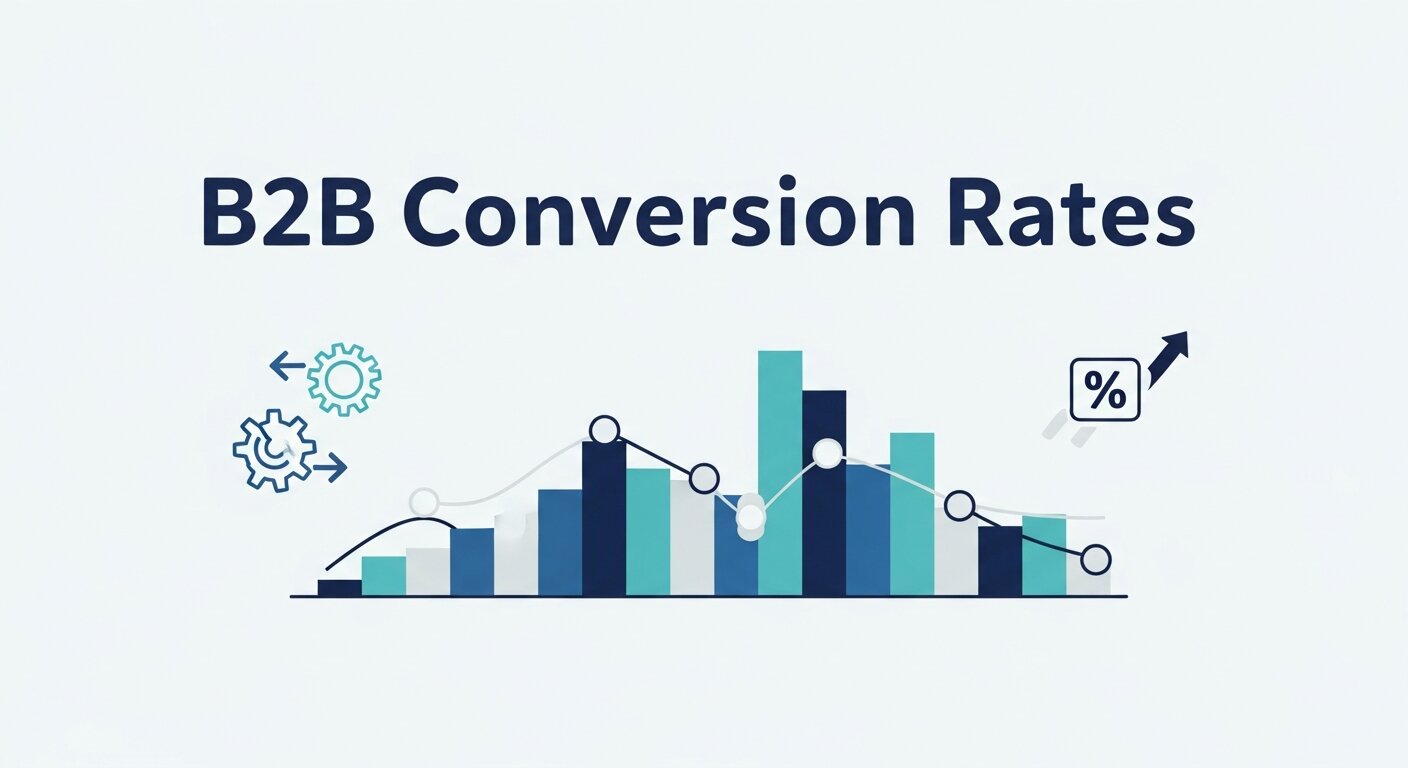
Boosting conversion rates is a top priority for B2B businesses in competitive markets. However, increasing conversions often requires adding value to every interaction, reducing friction, and offering personalized experiences. Enter chatbots, the AI-powered assistants that have become game-changers in modern B2B strategies.
This blog dives deep into how chatbots can revolutionize your B2B conversion rates, the key benefits they offer, and practical steps to implement them effectively in your business.
Why Chatbots Are Essential for B2B Conversion Success
Chatbots are everywhere, and there’s a reason companies are adopting them so rapidly. According to a report by Salesforce, 69% of customers prefer chatbots for quick communication with a business. For B2B companies, chatbots provide more than just customer service tools; they are a crucial part of the conversion funnel. They enable businesses to engage prospects at scale, deliver personalized content, and drive faster responses, all while saving time and resources.
Boosting B2B Conversion Rates with Chatbots
Let’s look at the key ways chatbots can supercharge your B2B conversion strategy.
Enhancing Lead Qualification
One of the biggest conversion hurdles in B2B is lead qualification. Determining which website visitors are genuinely interested in your product can take time and effort. Chatbots solve this issue by initiating real-time conversations.
Here’s how they improve lead qualification:
- Pre-qualifying leads: By asking targeted questions, chatbots can gauge visitor interest and capture contact details for follow-up. Questions like “What are you looking for?” or “How many team members will use this product?” help build lead profiles.
- Seamless integration with CRMs: Many chatbots integrate directly into platforms like HubSpot or Salesforce, ensuring every qualified lead is tracked and ready for outreach.
Delivering Personalization at Scale
B2B buyers value personalized interactions. However, delivering tailored experiences can be challenging when you’re dealing with hundreds of prospects engaging with your business simultaneously.
Chatbots make personalization scalable by analyzing user behavior and preferences to deliver relevant content. For example:
- Targeted resource recommendations: If a visitor reads your pricing page or product overview, the chatbot can suggest case studies or whitepapers tailored to their industry.
- Dynamic conversation flows: Some advanced chatbots adapt their scripts to the specific needs of users, creating highly engaging conversations.
Offering 24/7 Customer Engagement
Decision-making cycles in B2B are often lengthy, involving multiple stakeholders and rigorous evaluation. During this process, prospects may have questions at any time. Missed inquiries could mean missed opportunities.
With chatbots offering 24/7 support, you never have to worry about leaving prospects hanging. Chatbots can provide instant answers to common questions, schedule callbacks, or escalate queries when human intervention is needed.
Reducing Drop-Off Rates in the Sales Funnel
Every B2B sales team understands the frustration of drop-offs during critical stages of the buyer’s journey. Whether a prospect abandons the demo booking process or leaves mid-purchase, chatbots can step in to reduce churn.
For example:
- Abandoned form follow-ups: If a visitor starts filling out a form but abandons it partway, a chatbot can pop up with a friendly nudge, offering assistance or incentives to complete it.
- Demo scheduling: Chatbots make scheduling product demos seamless by integrating with calendars to confirm times that work for both parties.
Simplifying Complex B2B Purchases
B2B purchases are known for their complexity. They often involve long buying cycles, customized pricing, and multi-layered decision-making. Chatbots act as guides, simplifying this process for prospects.
They can:
- Clarify product features by directing users to specific content on your website.
- Walk visitors through pricing structures or custom quotes.
- Provide detailed FAQs to address concerns without needing human intervention.
Driving Engagement with Interactive Content
Static blogs, case studies, and whitepapers are fantastic tools, but they don’t always drive immediate engagement. Chatbots make B2B marketing content more interactive and impactful.
For instance:
- Suggesting content types tailored to where visitors are in the sales funnel.
- Inviting visitors to participate in quizzes assessing their specific needs.
Choosing the Right Chatbot for Your B2B Business
The chatbot market is saturated with options, each with its own features and advantages. To choose the right solution, consider the following factors:
- Integration capabilities: Your chatbot should seamlessly integrate into the tools your team relies on, such as your website, CRM, or email marketing platform.
- Natural language processing (NLP): Ensure the chatbot has advanced NLP capabilities to understand nuanced queries and provide human-like responses.
- Customization options: A good chatbot aligns closely with your brand voice and tone. Look for solutions that allow for extensive customization.
- Scalability: Your ideal chatbot solution should grow alongside your business without compromising performance.
Some leading chatbot providers for B2B businesses include Drift, Intercom, and HubSpot Conversations.
Best Practices for Implementing Chatbots
To ensure your chatbot seamlessly fits into your B2B strategy, follow these best practices when implementing it:
1. Define Your Objectives
Before deploying a chatbot, clarify what you want to achieve. Are you focused on lead generation, demo bookings, or customer support? Having a clear objective will help you tailor conversation scripts effectively.
2. Start Simple
Don’t overwhelm your audience. Start with basic workflows such as FAQ responses or contact form assistance. You can add more advanced flows over time as you analyze performance.
3. Train Your Chatbot Regularly
To maintain high accuracy, periodically review chatbot performance. Monitor conversations, adjust scripts, and train the AI to improve response quality.
4. Don’t Overlook Human Escalation
A chatbot should enhance, not replace, the human element of your business. Always offer users an option to connect with a live agent if needed.
5. Monitor and Measure Success
Track metrics like response rates, chatbot conversions, and customer satisfaction to gauge effectiveness. These insights will help you refine your strategy further.
Optimizing the Buyer Journey with Conversational Experiences
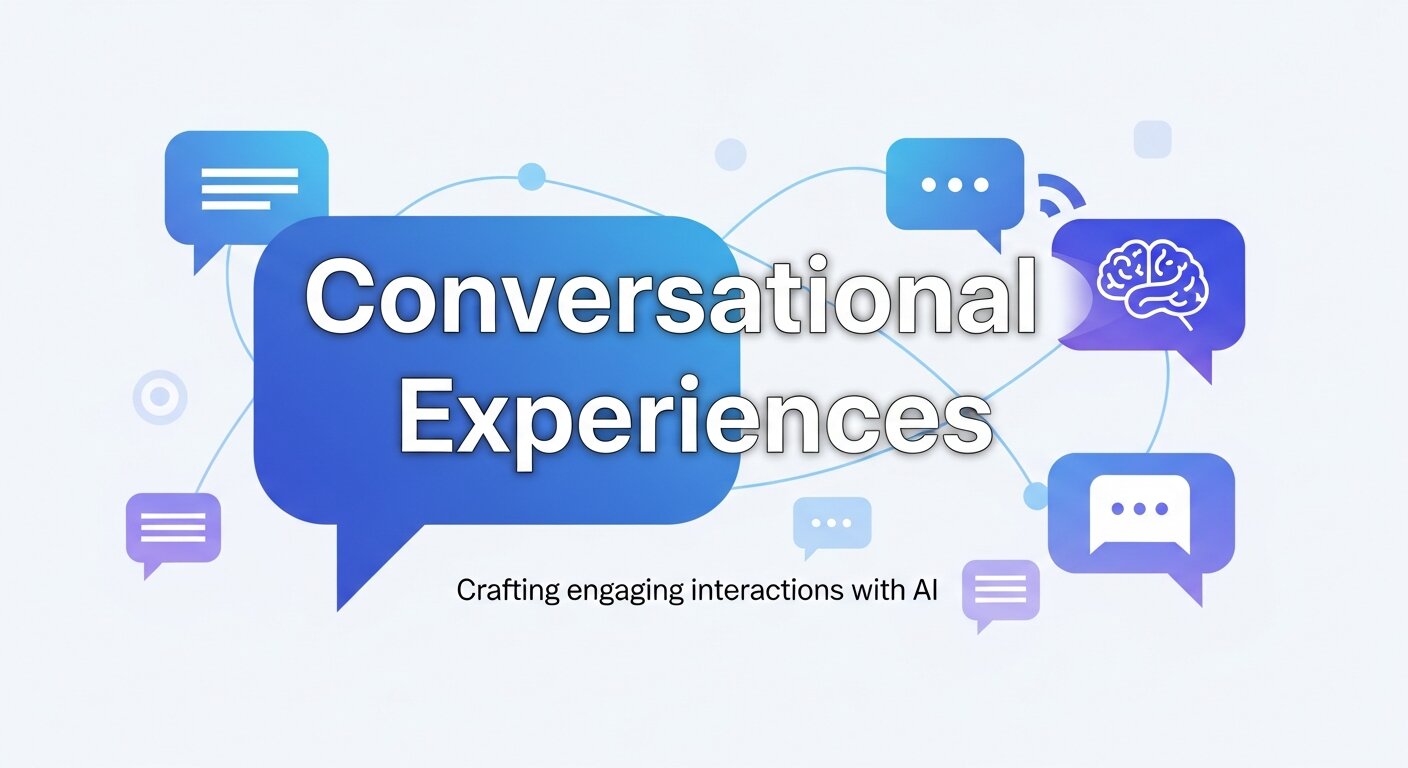
Modern B2B buyers expect seamless digital interactions at every stage of their journey. This section should explain how conversational touchpoints can reduce friction from the first website visit to final purchase decisions. Instead of relying solely on static forms and email follow-ups, businesses can create interactive pathways that guide prospects in real time. AI Conversational Commerce plays a critical role in enabling instant product discovery, pricing clarification, and tailored recommendations. By mapping chatbot interactions to each stage of the funnel—awareness, consideration, and decision—you ensure prospects receive timely support. This structured conversational journey increases engagement, builds trust, and significantly improves overall conversion performance.
Advanced Segmentation for Smarter Engagement
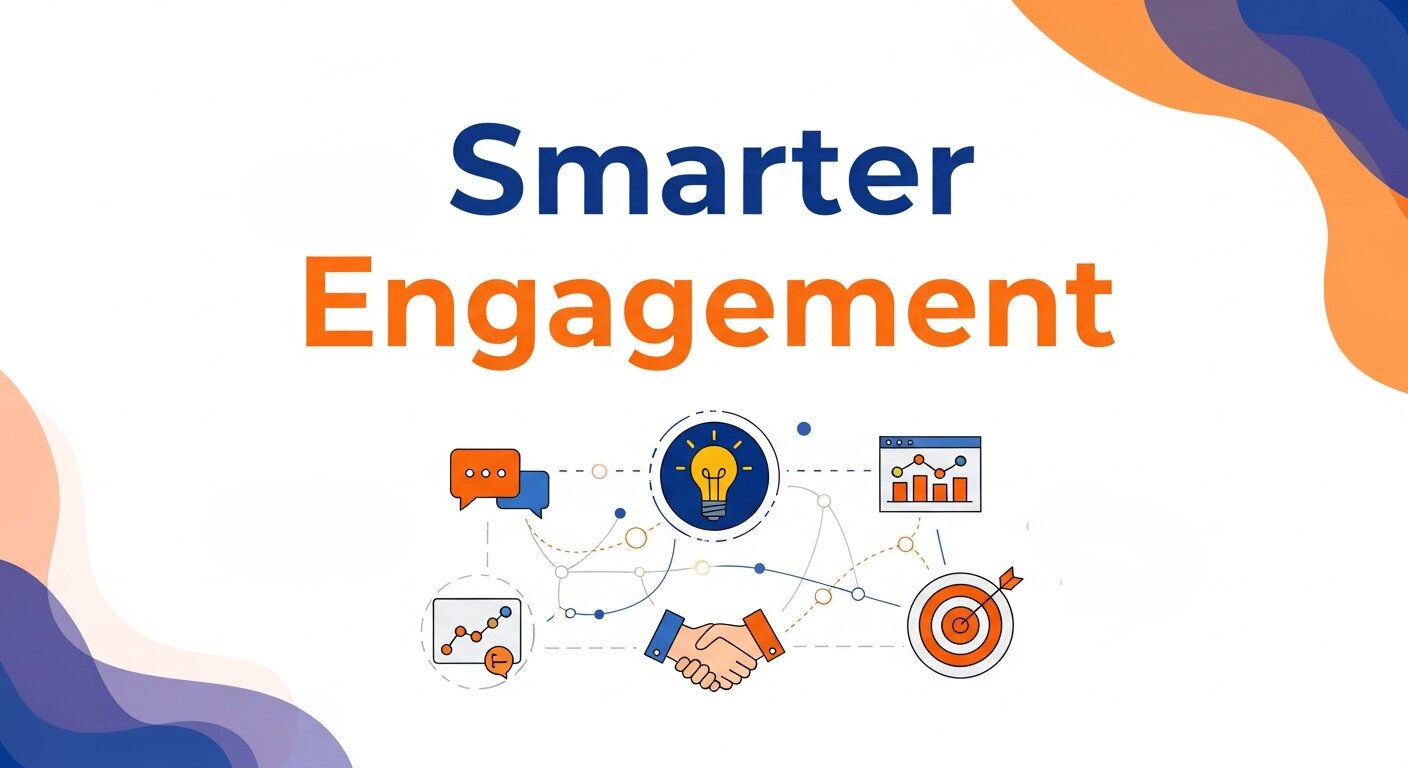
Effective B2B marketing depends on delivering the right message to the right audience at the right time. In this section, outline how behavioral data, firmographics, and interaction history can shape smarter segmentation. Rather than offering generic responses, chatbots can adapt conversations based on visitor intent, industry type, or company size. Implementing Chatbot Personalization Strategies allows businesses to craft tailored scripts, recommend industry-specific resources, and prioritize high-value accounts. This targeted engagement ensures prospects feel understood and valued. As a result, conversations become more meaningful, nurturing relationships that ultimately translate into higher-quality leads and stronger long-term customer retention.
Data-Backed Performance Optimization
To maximize impact, chatbot initiatives must be continuously refined through measurable insights. This section should detail how businesses can monitor conversation trends, user behavior patterns, and funnel progression. Chatbot Marketing Analytics helps track metrics such as engagement rates, conversion paths, drop-off points, and revenue attribution. By analyzing this data, marketing and sales teams can identify which conversation flows drive the best outcomes and which require improvement. Regular performance reviews allow for script adjustments, improved call-to-action placements, and better timing strategies. A data-driven optimization process ensures that chatbot investments consistently generate measurable ROI and sustained conversion growth.
Multi-Channel Chatbot Deployment Strategy
B2B buyers interact with brands across multiple digital platforms, not just websites. This section should explore how chatbots can be deployed across channels such as landing pages, social media platforms, messaging apps, and email campaigns. A unified chatbot presence ensures consistent messaging and seamless transitions between platforms. For example, a prospect who starts a conversation on social media can continue it later on your website without losing context. Coordinated multi-channel deployment enhances accessibility and reinforces brand credibility. By meeting prospects wherever they prefer to communicate, businesses can increase touchpoints, improve responsiveness, and drive stronger engagement throughout the sales cycle.
Building Trust Through Human-AI Collaboration
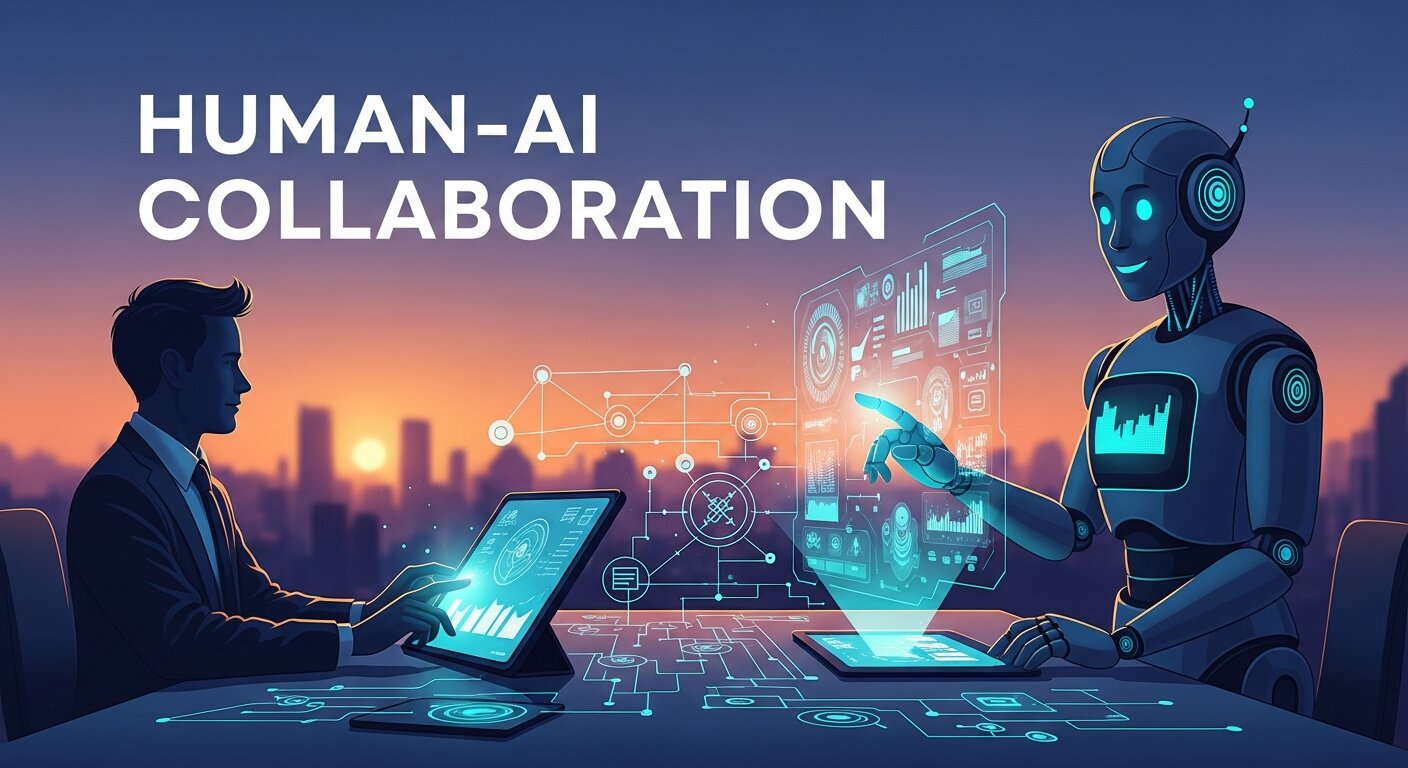
While automation enhances efficiency, trust remains central to B2B relationships. This section should highlight the importance of balancing AI-driven conversations with human expertise. Chatbots can handle initial queries, qualification steps, and scheduling tasks, but complex negotiations or strategic discussions should involve human representatives. Clearly defining escalation paths ensures prospects feel supported rather than automated away. Transparent communication about when a live agent is available further strengthens credibility. By combining AI speed with human empathy and industry knowledge, businesses create a hybrid engagement model that increases satisfaction, shortens sales cycles, and ultimately drives higher conversion rates in competitive B2B markets.
Unlock the Full Potential of Chatbots
Chatbots are more than just fancy widgets for your website. They have the potential to transform how you interact with B2B prospects, shorten sales cycles, and ultimately drive higher conversion rates. By integrating chatbots thoughtfully into your strategy, you can unlock a new level of operational efficiency and strategic growth.
Take your first step toward boosting conversions with conversational AI. Explore chatbot solutions today and watch your B2B business thrive.
Frequently Asked Questions (FAQ)
1. How do chatbots improve B2B conversion rates?
Chatbots improve B2B conversion rates by engaging website visitors in real time, qualifying leads instantly, and guiding prospects through the sales funnel. Instead of waiting for email replies or sales callbacks, prospects receive immediate responses to their questions. This reduces friction, shortens decision cycles, and increases the likelihood of booking demos or requesting proposals. By automating early-stage conversations, chatbots also ensure no high-intent lead is missed, even outside business hours.
2. Are chatbots suitable for complex B2B sales processes?
Yes, chatbots are highly effective for complex B2B sales processes. They help simplify product explanations, direct users to relevant documentation, and collect key qualification data before handing leads to sales teams. While they don’t replace human sales representatives, they streamline the early stages of the buyer journey, making interactions more efficient and organized. This is especially valuable for businesses with long decision-making cycles and multiple stakeholders.
3. Can chatbots integrate with CRM and marketing tools?
Most modern chatbot platforms integrate seamlessly with popular CRM and marketing automation systems such as HubSpot, Salesforce, and Intercom. These integrations allow businesses to automatically capture lead data, update contact records, trigger email workflows, and notify sales teams in real time. Proper integration ensures a smooth flow of information between marketing and sales, improving follow-up speed and overall conversion performance.
4. Do chatbots replace human sales or support teams?
No, chatbots are designed to support—not replace—human teams. They handle repetitive tasks such as answering FAQs, booking meetings, and collecting contact details. For complex queries or negotiations, the chatbot can seamlessly escalate the conversation to a live representative. This hybrid approach increases efficiency while maintaining the personal touch required in B2B relationships.
5. What metrics should I track to measure chatbot success?
Key metrics include lead qualification rate, demo bookings generated, conversation completion rate, response time, and overall chatbot-assisted conversions. You should also monitor user satisfaction scores and drop-off rates during chatbot interactions. Tracking these KPIs helps determine how effectively the chatbot contributes to your B2B revenue goals.
6. How long does it take to implement a chatbot?
Implementation time varies depending on complexity. A basic FAQ and lead-capture chatbot can often be deployed within a few days. More advanced solutions involving integrations, AI training, and multi-step workflows may take several weeks. Starting with a simple setup and gradually expanding functionality is usually the most efficient approach.
7. Are chatbots cost-effective for small and mid-sized B2B businesses?
Yes, chatbots can be highly cost-effective. They reduce manual workload, improve response times, and increase lead capture without requiring additional staff. Many platforms offer scalable pricing plans, making them accessible for businesses of all sizes. When properly optimized, the return on investment often outweighs the initial setup cost.
8. How can I ensure my chatbot feels natural and engaging?
To create a natural experience, use conversational language aligned with your brand voice. Regularly review chatbot transcripts to refine responses and improve clarity. Incorporating natural language processing (NLP) capabilities and offering easy access to human support also enhances the overall user experience. Continuous testing and optimization are key to maintaining engagement and improving conversion outcomes.