A Lead Generation Chatbot automates lead capture, enhances personalization, and improves conversions. Combining AI, AR features, and multilingual support, it engages users effectively while maintaining data privacy and live support, driving measurable growth for modern businesses.
Lead Generation Chatbot: Boost Your Business Growth
In the rapidly evolving digital landscape, businesses are constantly searching for innovative ways to capture leads, engage customers, and drive conversions. One of the most transformative tools available today is the Lead Generation Chatbot. Unlike traditional lead collection methods, these chatbots provide an interactive and automated way to engage prospects, qualify them, and move them down the sales funnel efficiently.
Why Businesses Need a Lead Generation Chatbot
For small and medium-sized businesses, generating consistent and high-quality leads can be a challenge. Traditional methods such as cold calling, static contact forms, or email campaigns often fail to provide real-time engagement or personalized experiences. This is where a Lead Generation Chatbot comes into play.
By integrating a chatbot on your website or messaging platforms, businesses can ensure round-the-clock interaction with potential customers. These chatbots are not just scripted responses; they are powered with AI capabilities that enable dynamic conversations, understanding user intent, and delivering relevant solutions instantly.
Additionally, modern chatbots can be equipped with features such as Voice Enabled Chatbots, allowing users to communicate naturally without typing. This voice interaction improves accessibility, enhances user experience, and reduces friction in the lead capture process.
Key Advantages of Using a Lead Generation Chatbot
- 24/7 Availability – Unlike human agents, chatbots work around the clock, ensuring no lead is missed.
- Instant Engagement – Visitors receive immediate responses, improving the chances of conversion.
- Cost Efficiency – Automating lead capture reduces reliance on large sales teams, saving operational costs.
- Personalization at Scale – AI-driven chatbots analyze visitor behavior and provide tailored recommendations.
Moreover, some businesses are now combining chatbot technology with AR capabilities. For instance, AI-Powered AR Vision allows users to interact with products virtually, creating an immersive experience that increases engagement and makes lead nurturing more effective.
How Lead Generation Chatbots Work
At the core, a Lead Generation Chatbot operates on AI algorithms that understand natural language processing (NLP). When a visitor interacts with the chatbot, it can:
- Ask qualifying questions
- Recommend products or services
- Schedule appointments or demos
- Capture contact information
- Transfer complex queries to human agents if needed
The integration of Live Chatbot Support ensures that if the bot cannot handle a specific query, a live agent can take over seamlessly. This hybrid approach increases customer satisfaction and improves overall lead conversion rates.
Key Features to Look For in a Lead Generation Chatbot
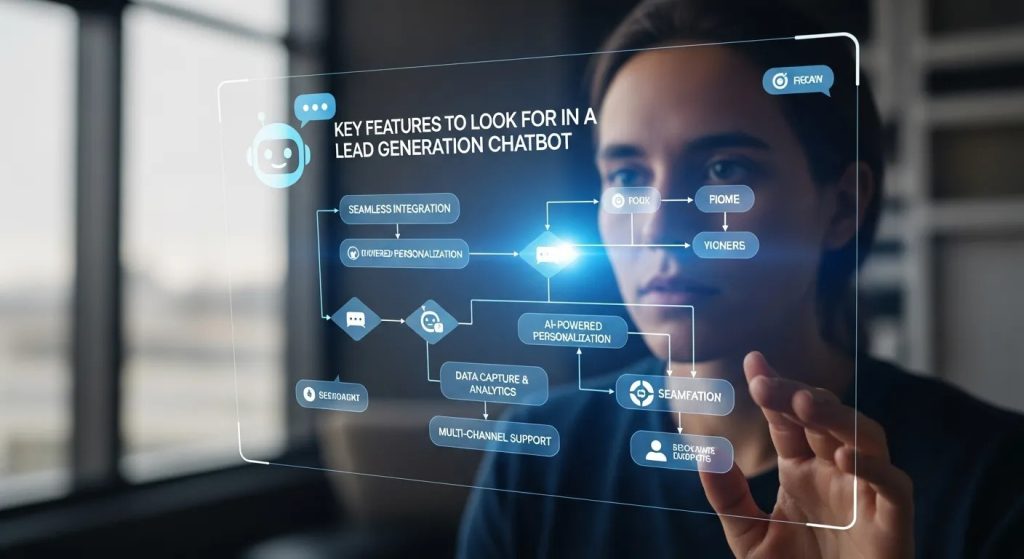
When selecting a chatbot solution, businesses should focus on these essential features:
| Feature | Benefit |
|---|---|
| AI Multilingual Bots | Engage users in multiple languages, expanding global reach |
| Bot Data Privacy | Ensure compliance with data regulations and build trust |
| Live Chatbot Support | Smooth handoff to human agents when needed |
| Voice Enabled Chatbots | Offer hands-free interaction for modern users |
| AI-Powered AR Vision | Provide immersive product experiences to boost engagement |
| AR Facial Tracking | Customize experiences based on user interactions and demographics |
Each of these features enhances the chatbot’s ability to generate quality leads while improving the overall user experience.
Designing Conversational Flows for Maximum Lead Capture
The success of a Lead Generation Chatbot largely depends on the conversation design. Businesses must focus on creating flows that are intuitive, engaging, and non-intrusive. Some best practices include:
- Start with a friendly greeting and clearly explain the bot’s capabilities.
- Ask qualifying questions without overwhelming the user.
- Use branching logic to guide visitors toward the most relevant solutions.
- Incorporate visual elements, like buttons or carousels, to simplify decision-making.
- Include options for live human support when needed.
For instance, a retail business might use AR Facial Tracking to allow visitors to virtually try on products. This not only enhances engagement but also collects valuable preference data, helping the bot provide personalized recommendations that drive higher conversion rates.
Integrating Chatbots Across Multiple Channels
Modern businesses don’t rely solely on website visitors. To maximize lead generation, chatbots must be integrated across multiple channels:
- Website Widgets – Capture leads directly on product pages or landing pages.
- Messaging Apps – Platforms like WhatsApp, Facebook Messenger, or Telegram allow conversational lead generation on familiar channels.
- Social Media – Chatbots can interact with users commenting on posts or ads.
- Email Follow-Ups – Bots can send personalized messages based on previous interactions.
By implementing a Lead Generation Chatbot across these channels, businesses can maintain consistent engagement, nurture prospects at every touchpoint, and significantly improve lead quality.
Advanced AI Techniques in Lead Generation Chatbots
The modern Lead Generation Chatbot goes far beyond simple scripted responses. AI advancements have enabled chatbots to perform complex tasks, including predictive lead scoring, sentiment analysis, and personalized recommendations. By analyzing user interactions, chatbots can predict which leads are most likely to convert and prioritize follow-ups accordingly.
One of the key innovations in AI chatbots is the integration of AI Multilingual Bots. These bots can converse with users in multiple languages, removing language barriers and allowing businesses to engage a global audience seamlessly. A multilingual chatbot ensures that every visitor receives the right message in their preferred language, improving trust and lead quality.
Another critical advancement is the use of Voice Enabled Chatbots. By allowing users to interact via voice commands, businesses can capture leads from users who prefer hands-free engagement or are on-the-go. This not only improves accessibility but also creates a more natural and human-like interaction, increasing the likelihood of conversion.
Personalization and Behavioral Insights
Effective Lead Generation Chatbots are capable of learning from user behavior. By tracking past interactions, the bot can tailor messages to match the visitor’s interests, location, or previous purchases. Personalized engagement increases the chances of lead conversion and encourages return visits.
Businesses can further enhance personalization by integrating AR experiences. For instance, AI-Powered AR Vision can allow potential customers to virtually experience products before making a purchase decision. By combining immersive visuals with chatbot guidance, businesses create a memorable experience that encourages action and lead capture.
Similarly, AR Facial Tracking technology can adjust virtual interactions based on user expressions or engagement patterns, offering a more intuitive and responsive experience. For example, a chatbot can suggest alternative products if it detects hesitation, improving the odds of a successful lead conversion.
Optimizing Chatbots for Maximum Conversion
Designing a chatbot isn’t enough; optimization is key to maximizing its lead generation potential. Some strategies include:
- Segmented Targeting – Chatbots should be programmed to recognize different user segments, delivering content and questions tailored to each audience.
- Progressive Profiling – Instead of asking all information upfront, chatbots should collect data gradually to avoid overwhelming visitors.
- Engaging CTAs – Clear and persuasive calls-to-action guide users toward desired outcomes like booking a demo, signing up, or requesting a quote.
- Seamless Human Handoff – If a query requires complex attention, Live Chatbot Support ensures a smooth transition to human agents without losing the lead.
A smart lead generation chatbot combines these strategies with continuous learning from past interactions. Analytics tools integrated into the bot allow marketers to identify drop-off points, optimize conversation flows, and improve overall lead capture efficiency.
Ensuring Privacy and Compliance
Data security is a critical concern when deploying chatbots. Modern solutions emphasize Bot Data Privacy, ensuring that all information collected from users is stored securely and complies with regulations such as GDPR or CCPA. Transparent privacy policies increase user trust, making visitors more willing to share their contact information with your bot.
Businesses should implement encryption for sensitive data, limit access to personal information, and regularly audit chatbot systems. These practices ensure that the Lead Generation Chatbot not only generates leads but also maintains the credibility and reputation of the brand.
Measuring Success and Analytics
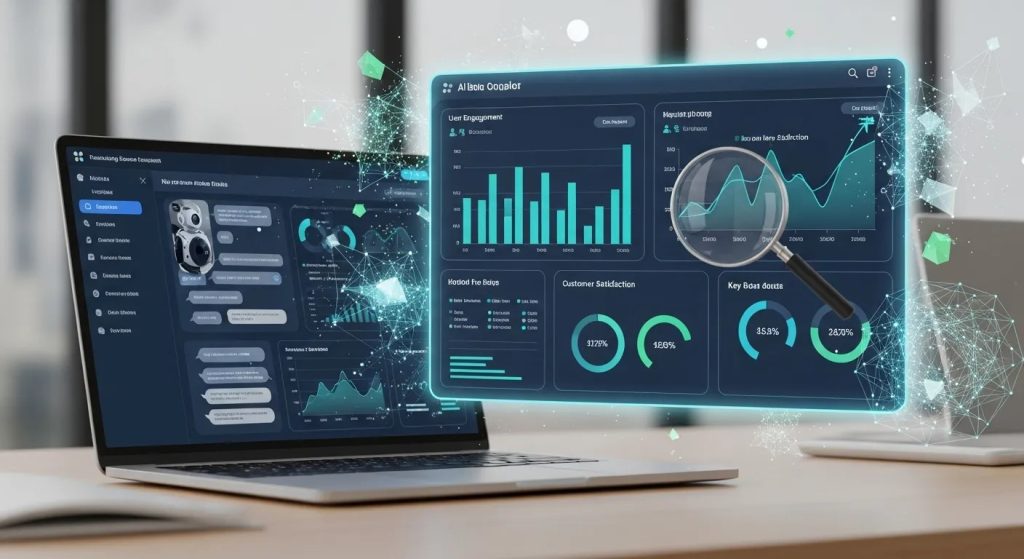
A Lead Generation Chatbot is only as effective as the insights it provides. Key performance indicators (KPIs) include:
| KPI | Importance |
|---|---|
| Conversion Rate | Percentage of leads captured versus visitors |
| Engagement Rate | How actively users interact with the chatbot |
| Response Time | Average time to respond to user queries |
| Lead Quality | Assessed based on follow-up actions or purchase likelihood |
| Retention Metrics | Repeat engagement or returning users |
By analyzing these metrics, businesses can continuously improve their chatbot’s performance. For example, if the bot struggles to convert leads at a certain stage, conversation flows can be adjusted, or additional AI-powered features like Voice Enabled Chatbots or AI-Powered AR Vision can be implemented to enhance engagement.
Industry Examples and Use Cases
E-commerce
E-commerce brands use Lead Generation Chatbots to guide visitors through product selections, offer personalized recommendations, and recover abandoned carts. By leveraging AI Multilingual Bots, global retailers can engage diverse audiences, while AR Facial Tracking allows customers to virtually try products before purchase.
Real Estate
Real estate agents deploy chatbots to qualify leads, schedule property tours, and answer frequently asked questions. Integrating Live Chatbot Support ensures that high-value prospects receive immediate human assistance when required.
Healthcare
Healthcare providers implement chatbots to capture patient inquiries, schedule appointments, and provide health tips. Bot Data Privacy is especially crucial in this sector, ensuring compliance with sensitive medical information regulations.
Integrating Chatbots with Marketing Automation
One of the most powerful ways to amplify the impact of a Lead Generation Chatbot is through integration with marketing automation platforms. By connecting the chatbot with email marketing, CRM systems, and analytics tools, businesses can nurture leads more effectively and maintain a continuous engagement cycle.
For example, when a chatbot captures a visitor’s email or phone number, this data can automatically be synced with an email automation platform. Follow-up sequences can then be personalized based on the user’s interests, previous interactions, or segment classification. This ensures that prospects receive timely and relevant information, increasing the likelihood of conversion.
Automation also allows chatbots to trigger specific campaigns based on behavior. A visitor exploring a product category multiple times may receive a targeted promotional email or a notification about a limited-time offer. This strategy transforms the Lead Generation Chatbot from a simple data collector into a proactive growth tool.
Multi-Channel Lead Generation
In today’s digital ecosystem, users interact with brands across multiple touchpoints. A robust Lead Generation Chatbot must be available wherever your audience is active. This includes:
- Social Media Platforms – Facebook, Instagram, LinkedIn, and WhatsApp chatbots can interact directly with users commenting on posts or ads.
- Mobile Apps – Chatbots embedded in apps provide instant assistance and promote upselling opportunities.
- Websites and Landing Pages – Personalized chatbot widgets ensure real-time engagement with visitors.
- Messaging Platforms – Telegram, Slack, or Messenger bots maintain constant communication with your audience.
By implementing a multi-channel strategy, businesses ensure no lead is lost and maintain a consistent brand experience across platforms. This approach is particularly effective when combined with Voice Enabled Chatbots, allowing users to interact naturally whether on mobile or desktop.
Advanced Personalization Techniques
A major advantage of modern Lead Generation Chatbots is their ability to provide personalized experiences. Advanced personalization goes beyond inserting a visitor’s name; it includes:
- Behavior-Based Recommendations – Suggesting products or services based on browsing history or previous interactions.
- Demographic Adaptation – Adjusting messaging according to the user’s age, location, or interests.
- AI-Powered AR Vision – Offering immersive experiences where customers can explore products in virtual 3D environments.
- AR Facial Tracking – Understanding user reactions and tailoring chatbot responses in real-time for better engagement.
Personalization creates a sense of relevance and attention, which psychologically encourages visitors to share more information, spend more time on the platform, and ultimately become qualified leads.
Using Chatbots for Customer Retention
Lead generation isn’t just about capturing new prospects; it’s also about maintaining relationships with existing customers. A Lead Generation Chatbot can play a critical role in retention by:
- Sending reminders for product upgrades or subscription renewals.
- Providing instant customer support through Live Chatbot Support.
- Collecting feedback and suggestions to improve offerings.
- Offering exclusive deals or promotions based on user preferences.
By maintaining engagement with existing customers, chatbots help create loyalty loops that complement lead acquisition strategies.
Real-World Success Stories
E-Commerce Success
An online retailer integrated a Lead Generation Chatbot with AR capabilities and voice-enabled interaction. Visitors could virtually try products using AI-Powered AR Vision, ask questions naturally through voice commands, and complete purchases without leaving the chat interface. The result was a 40% increase in qualified leads and a 25% boost in conversions over six months.
SaaS Industry Example
A SaaS company implemented a multilingual chatbot to support its global audience. Using AI Multilingual Bots, the company captured leads from non-English speaking regions without adding human agents. By combining this with automated follow-ups, the chatbot increased MQLs (Marketing Qualified Leads) by 35% in the first quarter.
Healthcare Case Study
A healthcare provider deployed a chatbot to schedule appointments and answer routine queries. Bot Data Privacy measures ensured compliance with HIPAA, and Live Chatbot Support allowed patients to escalate urgent concerns. Patient engagement doubled, and appointment scheduling efficiency increased by 50%.
Scaling Lead Generation with Chatbots
For businesses looking to expand, scaling chatbot operations is essential. Best practices include:
- Segmenting Leads – Using AI to identify high-value prospects and tailoring engagement strategies.
- Expanding Channels – Integrating chatbots across websites, apps, and social media for maximum reach.
- Leveraging Analytics – Continuously monitoring performance metrics such as engagement rates, conversion rates, and drop-off points.
- A/B Testing Conversations – Experimenting with messaging styles, CTAs, and flows to identify the most effective approaches.
When scaled correctly, a Lead Generation Chatbot can handle thousands of interactions simultaneously, freeing human agents to focus on complex cases and strategic initiatives.
Future Trends in Lead Generation Chatbots
The evolution of AI and immersive technologies is shaping the next generation of Lead Generation Chatbots. Businesses are increasingly adopting AI-Powered AR Vision to provide interactive product demonstrations, allowing customers to explore offerings virtually before committing. Similarly, Voice Enabled Chatbots are gaining traction as users seek hands-free, natural ways to engage with brands. These trends not only enhance user experience but also improve lead quality, as prospective clients can make informed decisions faster.
Additionally, AI Multilingual Bots are expected to become standard, enabling businesses to capture leads across global markets without language barriers. By integrating predictive analytics and real-time personalization, chatbots will anticipate user needs, making interactions more proactive and conversion-focused.
Best Practices for Effective Implementation
Implementing a Lead Generation Chatbot requires more than just technology it demands strategy. Businesses should prioritize Bot Data Privacy, ensuring compliance with global regulations and building trust with users. A phased deployment is recommended: start with core lead capture functions, then gradually introduce advanced features like AR Facial Tracking and Live Chatbot Support.
Equally important is continuous monitoring and optimization. Analyzing engagement metrics helps refine conversation flows and improve response accuracy. By following these practices, businesses can create a seamless, automated lead generation ecosystem that drives growth while maintaining exceptional user experience.
Conclusion
A Lead Generation Chatbot is no longer just a novelty it’s an essential tool for businesses aiming to streamline lead capture and improve conversions. By combining AI intelligence, personalized interactions, and multi-channel accessibility, chatbots provide a seamless experience that engages visitors, qualifies prospects, and nurtures relationships automatically. Features like Voice Enabled Chatbots, AI Multilingual Bots, and AI-Powered AR Vision further enhance engagement, while Bot Data Privacy and Live Chatbot Support ensure trust and reliability. Investing in a smart chatbot solution enables businesses to scale efficiently, boost sales, and stay competitive in an increasingly digital marketplace.
Frequently Asked Questions (FAQ)
What is a Lead Generation Chatbot?
A chatbot designed to capture, qualify, and nurture leads automatically through AI-driven conversations.
How does it improve business growth?
By engaging users 24/7, personalizing interactions, and integrating with marketing automation to boost conversions.
Are chatbots secure for data collection?
Yes, modern bots prioritize Bot Data Privacy, ensuring compliance with global regulations.
Can chatbots handle multiple languages?
Yes, AI Multilingual Bots allow businesses to engage global audiences seamlessly.
Do chatbots support human handoff?
Absolutely, Live Chatbot Support ensures smooth transitions to human agents when needed.