Live Chatbot Support empowers e-commerce businesses to deliver instant, personalized, and secure customer experiences. AI-driven technologies, including voice, multilingual, and AR-enabled bots, enhance engagement, boost sales, and ensure trust while streamlining operations in today’s competitive online marketplace.
The Rise of Live Chatbot Support in E-commerce
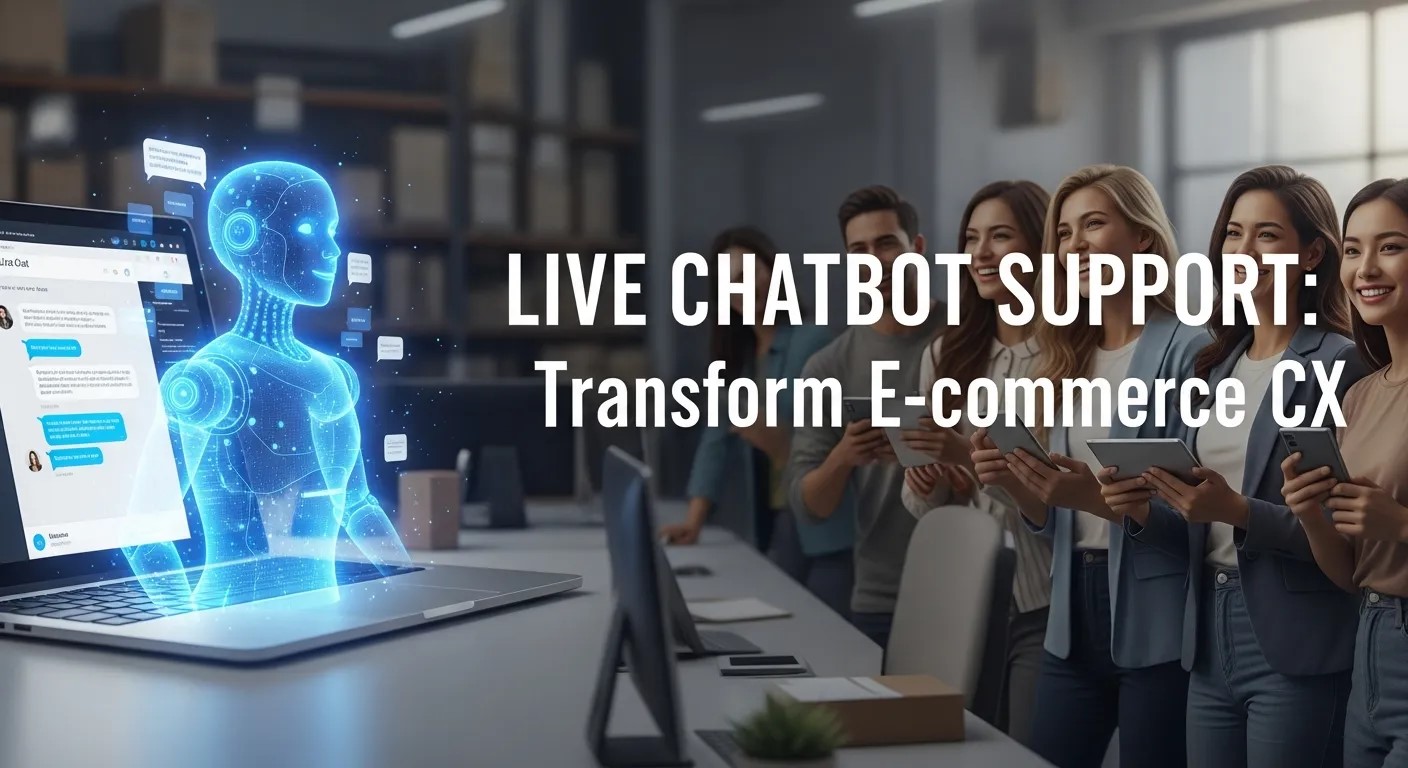
In today’s highly competitive e-commerce landscape, customer expectations have evolved dramatically. Shoppers no longer settle for delayed responses or generic assistance; they demand immediate, personalized interactions. This is where Live Chatbot Support has become a game-changer. By seamlessly blending AI automation with real-time human intervention, businesses can provide instant, contextual help that enhances customer satisfaction and loyalty.
Unlike traditional email or phone support, Live Chatbot Support operates 24/7, ensuring that customers receive guidance whenever they need it. For example, a shopper browsing a global e-commerce platform late at night can inquire about a product’s specifications or check stock availability and receive instant, accurate answers. This level of immediacy not only improves the shopping experience but also positions the brand as reliable and customer-focused.
Enhancing Efficiency Without Compromising Security

A major concern with AI-driven chat systems is data protection. E-commerce platforms handle sensitive customer information daily, including payment details, addresses, and personal preferences. Here, Bot Data Privacy plays a crucial role. Modern chatbots are engineered to collect only the data necessary for the conversation, anonymize sensitive information, and comply with global privacy standards such as GDPR and CCPA.
Implementing Live Chatbot Support with robust privacy measures builds trust. Customers are more likely to engage with chatbots when they feel their data is safe. Moreover, secure bots can track past interactions to offer a more personalized experience. For instance, returning customers can be greeted by name, shown items related to previous purchases, or reminded of abandoned carts—all without risking their personal information.
Transforming the Customer Journey
Beyond efficiency and security, Live Chatbot Support fundamentally changes the way customers navigate online stores. Chatbots can act as virtual shopping assistants, guiding users from product discovery to purchase. By analyzing user behavior in real time, they can recommend relevant products, answer queries, and even suggest complementary items.
Consider a customer exploring a fashion e-commerce website. A Live Chatbot Support system could instantly answer questions about sizing, suggest accessories based on the items in the cart, and provide delivery timelines. This proactive assistance reduces cart abandonment rates, increases order value, and creates a smoother, more enjoyable shopping journey.
Benefits for Businesses
The advantages of integrating Live Chatbot Support extend beyond customer satisfaction. E-commerce companies benefit from reduced support costs, faster resolution times, and valuable insights into consumer behavior. Chatbots collect interaction data that can be analyzed to refine marketing campaigns, identify common pain points, and anticipate customer needs.
For instance, data from chatbot interactions can highlight frequently asked questions, allowing brands to improve website content or optimize product descriptions. Additionally, these insights can inform AI-powered personalization strategies, such as suggesting products or services that align with individual preferences, ultimately driving sales growth.
Voice Enabled Chatbots: The Next Step in Live Chatbot Support
As e-commerce continues to evolve, the way customers interact with online stores is changing rapidly. Typing queries into a chat window is no longer the only way to get assistance. Enter Voice Enabled Chatbots an advanced extension of Live Chatbot Support that allows users to speak naturally with AI-powered systems. This innovation caters to the growing demand for convenience, accessibility, and speed, creating a more human-like interaction experience.
Voice interactions are inherently more intuitive than text-based messaging. Customers can ask complex questions in their own words, receive immediate spoken responses, and continue browsing without switching between multiple tabs or applications. For instance, a customer looking for specific electronics can ask a Voice Enabled Chatbot about compatible accessories, warranty details, or shipping options and receive instant, accurate information. This not only saves time but also enhances the overall user experience, making the brand more engaging and approachable.
Advantages of Integrating Voice Enabled Chatbots
Integrating Voice Enabled Chatbots into an e-commerce platform offers several benefits. First, it reduces friction for users who may find typing inconvenient, such as mobile shoppers or users with accessibility needs. Second, voice interactions allow for more natural, conversational engagement, which increases customer satisfaction and trust.
From a business perspective, Live Chatbot Support with voice capabilities streamlines customer service operations. Repetitive queries, such as checking order status or locating products, can be handled entirely by the chatbot, freeing human agents to focus on complex, high-value interactions. This balance between automation and human support ensures operational efficiency while maintaining a personalized touch.
Personalization Through Voice
Modern Voice Enabled Chatbots are not just reactive they are proactive. By analyzing speech patterns, previous interactions, and browsing history, these systems can anticipate customer needs. For example, a returning shopper might be greeted by name and offered product recommendations tailored to their preferences. Such personalized guidance is a natural extension of Live Chatbot Support, further enhancing the e-commerce experience.
Moreover, voice technology allows for multi-tasking and accessibility. Shoppers can interact with chatbots while cooking, driving, or performing other activities, making it easier to complete purchases without disruption. This flexibility aligns with the psychology of convenience and instant gratification, key drivers of modern consumer behavior.
Implementing Voice Enabled Chatbots Successfully

To implement Voice Enabled Chatbots effectively, businesses must focus on natural language processing (NLP) accuracy, response time, and integration with existing e-commerce systems. A seamless connection between the voice system and the underlying product database ensures that customers receive precise, real-time answers.
Additionally, pairing voice chatbots with human oversight maintains the quality of support. While AI handles common queries, human agents can step in for more nuanced concerns. This hybrid approach maximizes efficiency while preserving the empathetic, human element of customer service something shoppers still highly value.
AI Multilingual Bots: Breaking Language Barriers in E-commerce
In a globalized e-commerce environment, reaching customers across different languages is no longer optional it’s essential. AI Multilingual Bots are transforming Live Chatbot Support by enabling businesses to communicate seamlessly with shoppers from diverse linguistic backgrounds. This technology allows brands to provide instant, accurate assistance in multiple languages, ensuring that language is never a barrier to excellent customer service.
The power of AI Multilingual Bots lies in their ability to understand and respond in contextually appropriate ways. Unlike basic translation tools, these bots can handle idiomatic expressions, regional variations, and cultural nuances. For instance, a French-speaking shopper visiting an international fashion retailer can ask questions about sizing, shipping, or promotions and receive answers that feel natural and localized. This enhances the user experience and fosters trust in the brand.
Enhancing Accessibility and Customer Reach
Integrating AI Multilingual Bots into Live Chatbot Support platforms significantly expands customer reach. Businesses can now interact with shoppers in dozens of languages without hiring extensive multilingual support teams. This not only reduces operational costs but also ensures that every customer receives prompt, personalized assistance regardless of language.
Consider a global electronics e-commerce store receiving queries from Spanish, German, and Japanese customers simultaneously. AI-powered multilingual systems can handle all inquiries in real time, providing relevant product information, troubleshooting assistance, and delivery guidance. Human agents can focus on more complex or sensitive interactions, maintaining high service quality while supporting global scalability.
Improving Customer Experience Through Cultural Sensitivity
AI Multilingual Bots don’t just translate words—they adapt communication to cultural expectations. Effective bots recognize politeness norms, preferred sentence structures, and context-specific phrasing, ensuring interactions feel human and respectful. For example, a Japanese customer might expect more formal language and honorifics, while a Brazilian shopper might respond better to casual, friendly tones. This level of customization elevates Live Chatbot Support from functional to truly customer-centric.
Practical Applications for E-commerce
E-commerce brands can leverage AI Multilingual Bots in multiple areas. Product queries, shipping updates, and post-purchase support can all be handled automatically in the customer’s native language. Additionally, multilingual chatbots can assist in marketing campaigns, sending personalized offers, reminders, or notifications in the preferred language of each customer.
For instance, a cosmetics retailer launching a global promotion can use AI-powered multilingual chatbots to notify subscribers in French, Mandarin, or Arabic about new arrivals. The personalized experience increases engagement and conversion rates, while ensuring that messaging resonates with each audience segment.
AI Sales Bots: Driving Conversions Through Intelligent
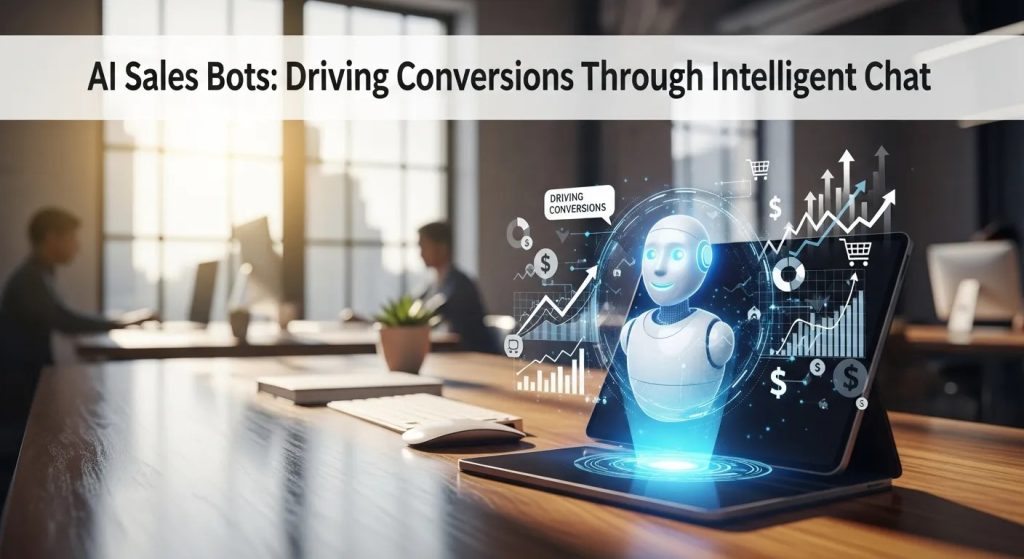
In the competitive world of e-commerce, converting a browsing visitor into a paying customer is a constant challenge. Traditional support systems are reactive they respond when a customer reaches out. AI Sales Bots, however, make Live Chatbot Support proactive, identifying opportunities to guide shoppers toward purchase decisions and optimizing the sales funnel automatically.
Unlike conventional chatbots, AI sales bots can analyze browsing behavior, purchase history, and engagement patterns in real time. For example, if a customer lingers on a product page without adding the item to their cart, the AI sales bot can initiate a conversation offering additional information, related products, or even limited-time discounts. This kind of timely intervention increases the likelihood of purchase while maintaining a personalized shopping experience.
Personalization at Scale
AI Sales Bots enable hyper-personalized interactions at scale. By integrating with a business’s CRM and analytics tools, these bots can understand individual customer preferences, past purchases, and browsing habits. This allows Live Chatbot Support to make recommendations that feel intuitive rather than automated.
For instance, a customer who previously purchased running shoes might receive suggestions for complementary gear such as socks or fitness trackers. The AI bot can also answer questions about product compatibility, sizing, and delivery options, creating a seamless pathway from discovery to checkout. Personalization not only drives sales but also builds trust and loyalty.
Enhancing Efficiency and Reducing Cart Abandonment
One of the most significant benefits of AI Sales Bots is their ability to reduce cart abandonment. Shoppers often leave a website due to confusion, uncertainty, or lack of information. AI-powered bots detect these friction points and intervene in real time, providing answers or incentives to encourage completion.
Additionally, AI sales bots help businesses operate efficiently by automating repetitive sales interactions. Human agents are freed to focus on high-value tasks, such as handling complex queries, resolving disputes, or nurturing high-potential leads. This balance between automation and human oversight enhances both operational efficiency and customer experience.
Driving Revenue Through Smart Insights
The integration of AI Sales Bots within Live Chatbot Support also generates valuable business insights. Every interaction provides data on customer preferences, product popularity, and potential obstacles in the purchasing process. Brands can use this information to optimize product offerings, marketing campaigns, and even website design.
For example, if an AI sales bot notices repeated inquiries about a product’s availability or shipping time, the business can adjust inventory, clarify delivery timelines, or highlight stock levels more prominently. These small improvements directly influence conversion rates, repeat purchases, and overall revenue growth.
AI-Powered AR Vision: Enhancing E-commerce Experiences
As e-commerce grows more sophisticated, customers expect immersive and interactive shopping experiences. AI-Powered AR Vision is revolutionizing Live Chatbot Support by enabling users to visualize products in real-world contexts before making a purchase. This fusion of augmented reality (AR) and AI-driven chat not only increases engagement but also significantly reduces hesitation, leading to higher conversion rates.
With AI-Powered AR Vision, shoppers can virtually try on products, preview furniture in their homes, or test different color options on electronics. When combined with Live Chatbot Support, this technology offers guided, real-time assistance. For example, a customer exploring a home décor website can receive instant recommendations through a chatbot while simultaneously visualizing how a sofa fits into their living space. This level of interactivity creates a sense of confidence, enhancing the overall shopping journey.
Bridging the Gap Between Digital and Physical

One of the challenges in online retail is that customers cannot physically touch or test products. AI-Powered AR Vision bridges this gap by simulating real-world interactions digitally. By pairing this technology with Live Chatbot Support, businesses can provide step-by-step guidance during AR experiences. A chatbot can answer questions about product dimensions, color options, compatibility, and even assembly instructions, creating a seamless blend of technology and human assistance.
For example, in the fashion industry, customers can use AR to see how sunglasses or jewelry look on them while asking the chatbot about sizing, availability, or style recommendations. This combination of visual and conversational support dramatically increases engagement and purchase confidence.
Benefits for E-commerce Businesses
Integrating AI-Powered AR Vision into Live Chatbot Support provides tangible benefits for e-commerce brands. First, it reduces return rates by helping customers make more informed purchasing decisions. Products that are visualized in real-world contexts are less likely to be returned due to dissatisfaction.
Second, AR-enhanced chat interactions increase customer dwell time and engagement on the website, which can positively influence search rankings and brand perception. Shoppers who interact with AR features tend to explore additional products, boosting cross-selling and upselling opportunities.
Finally, this technology generates valuable data insights. By analyzing how customers use AR features and interact with the chatbot, businesses can understand preferences, identify trends, and optimize both product offerings and marketing strategies.
Implementing AR-Enhanced Chat Support
Successful implementation of AI-Powered AR Vision in e-commerce requires careful planning. Businesses need to ensure that AR features are compatible with various devices, load quickly, and integrate seamlessly with the chatbot interface. Additionally, chatbots should be programmed to guide users intuitively, providing helpful suggestions, answering queries, and ensuring a smooth experience.
For example, a beauty retailer could allow customers to virtually try makeup products while the chatbot offers personalized recommendations based on skin tone, previous purchases, or trending products. Such an experience not only delights customers but also reinforces brand loyalty.
Conclusion
Live Chatbot Support is redefining the e-commerce customer experience by combining AI efficiency with personalized human assistance. From enhancing accessibility through Voice Enabled Chatbots and AI Multilingual Bots to driving sales via AI Sales Bots, and providing immersive experiences using AI-Powered AR Vision and AR Facial Tracking, these technologies create seamless, interactive shopping journeys. Prioritizing Bot Data Privacy ensures trust, while smart automation improves operational efficiency and conversions. As customer expectations continue to evolve, integrating these intelligent solutions allows e-commerce brands to stay competitive, build loyalty, and deliver personalized, real-time support that meets the demands of 2025 and beyond.
Frequently Asked Questions (FAQ)
What is Live Chatbot Support in e-commerce?
It is a combination of AI-driven chatbots and live human assistance that provides instant, personalized support to online shoppers, enhancing satisfaction and driving conversions.
How do AI Sales Bots help online stores?
AI Sales Bots proactively guide customers, offer personalized recommendations, reduce cart abandonment, and optimize the sales funnel for higher revenue.
Are Live Chatbot Support systems safe for customer data?
Yes, modern chatbots prioritize Bot Data Privacy, encrypt sensitive information, and comply with regulations like GDPR to protect user data.
Can Live Chatbot Support handle multiple languages?
Absolutely. AI Multilingual Bots allow e-commerce businesses to interact with customers globally, providing seamless support in diverse languages.
How does AR enhance Live Chatbot Support?
Technologies like AI-Powered AR Vision and AR Facial Tracking let customers virtually try products, visualize them in real contexts, and receive guided assistance, improving engagement and reducing purchase hesitation.