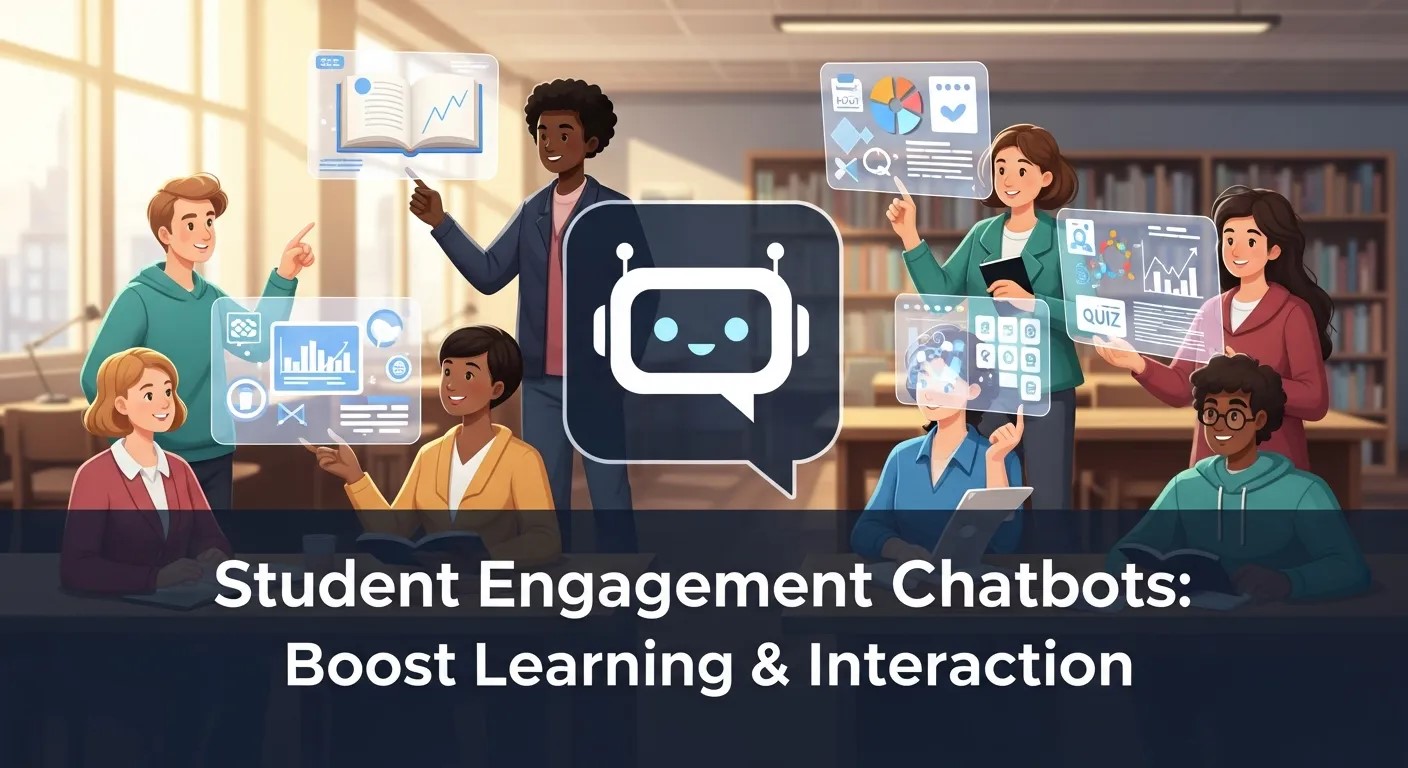
Student Engagement Chatbots enhance learning through personalized support, interactive experiences, and adaptive technologies. They boost participation, streamline teaching, and prepare students for digital literacy, making classrooms more engaging, effective, and aligned with future educational needs.
Introduction to Student Engagement Chatbots
In today’s digital classrooms, keeping students actively involved can be challenging. That’s why Student Engagement Chatbots are becoming essential tools for modern education. These chatbots provide personalized support, answer questions instantly, and create interactive learning experiences that keep students motivated. By using Chatbots, educators can transform lessons from static content into dynamic conversations, ensuring students remain focused and engaged.
From answering routine queries to offering study tips, Student Engagement Chatbots bring a new level of interactivity to classrooms. Students benefit from immediate feedback, while teachers gain more time to focus on higher-level instruction. The presence of Student Chatbots allows learning to continue seamlessly, even outside the classroom environment.
How Chatbots Enhance Classroom Interaction
Class participation goes beyond raising hands or verbal responses. With Student Engagement Chatbots, every student has the chance to interact meaningfully. These chatbots prompt discussions, quiz students, and facilitate collaborative exercises. By leveraging Chatbots, large classes can maintain individualized attention, making learning more inclusive.
Furthermore, Machine Learning Languages allow Student Engagement Chatbots to adapt to each student’s behavior. By analyzing interaction patterns, these chatbots can adjust their responses, offer tailored guidance, and identify topics that need reinforcement. This adaptability encourages students to engage more actively with their learning material.
Personalized Learning with AI
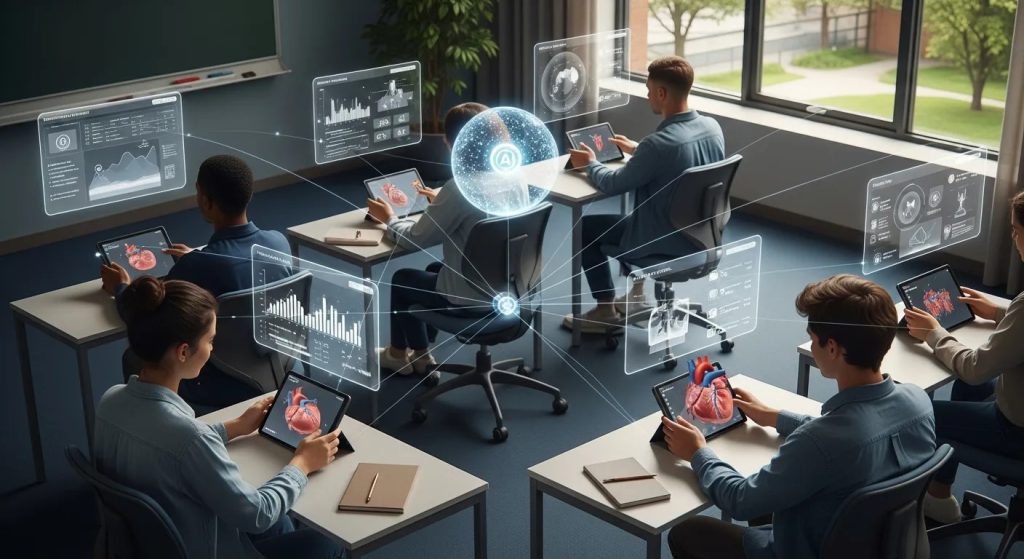
Personalization is a major benefit of Student Engagement Chatbots. AI-powered Messenger Bots integrated into educational platforms enable content to be delivered based on individual learning preferences. With Chatbots, students can receive explanations tailored to their pace, interactive exercises aligned with their skill level, and suggestions for deeper learning.
By using Student Chatbots, students feel supported and understood, which enhances motivation and engagement. These chatbots ensure that learning remains personalized, interactive, and aligned with each student’s needs.
Chatbot Interactive Touch in Education
Modern Chatbots offer Chatbot Interactive Touch, allowing students to engage through text, voice, and multimedia interactions. This interactive approach turns routine lessons into engaging activities. With Student Engagement Chatbots, students can explore topics actively, answering questions, participating in simulations, or engaging in problem-solving exercises guided by the chatbot.
The interactive touch provided by Chatbots keeps students invested and promotes active learning, which significantly improves knowledge retention.
Supporting Both B2B and B2C Learning Platforms
Student Engagement Chatbots are versatile and work across both B2B and B2C educational environments. In B2B settings, these chatbots help schools, universities, and training centers manage large student groups, streamline administrative tasks, and deliver curriculum efficiently. For B2C applications, Student Chatbots enhance online courses, tutoring services, and individual learning experiences by providing immediate guidance and support.
This flexibility makes Student Engagement Chatbots valuable for institutions and students alike, bridging the gap between organizational efficiency and personalized learning.
Integrating AR in Education Technology
The combination of Student Engagement Chatbots and AR in Education Technology creates immersive and interactive learning experiences. With augmented reality, students can explore 3D models, conduct virtual experiments, and engage in simulations while guided by Chatbots. This integration ensures that learning is not only informative but also experiential, keeping students highly engaged throughout the process.
Data-Driven Insights for Student Engagement
One of the most powerful advantages of Chatbots is their ability to provide data-driven insights. By tracking student interactions, response patterns, and participation rates, Chatbots allow educators to understand how learners engage with content. These insights help teachers identify areas where students struggle and adjust lessons accordingly.
With analytics generated by Student Engagement Chatbots, educators can make informed decisions to improve learning outcomes. From monitoring quiz performance to tracking engagement over time, these chatbots ensure that every student receives the attention they need to succeed. Using Student Engagement Chatbots, classrooms become more adaptive and responsive to student needs.
Gamification to Boost Engagement
Gamification is a proven method to keep students motivated, and Chatbots make this approach more effective. By introducing points, badges, challenges, and interactive quizzes, Student Engagement Chatbots turn learning into an enjoyable and rewarding experience.
Students remain engaged when Student Engagement Chatbots provide instant feedback, encourage competition through leaderboards, or simulate real-world problem-solving scenarios. This approach taps into intrinsic motivation, ensuring that students continue participating actively, both inside and outside the classroom.
Personalized Cognitive Engagement
Beyond interaction, Student Engagement Chatbots foster cognitive engagement by tailoring guidance to individual learning needs. Through personalized prompts, hints, and additional exercises, Chatbots help learners think critically and apply knowledge in practical contexts.
Students benefit from targeted support as Chatbots adjust the difficulty level of tasks, revisit challenging topics, or provide enrichment activities for advanced learners. By enabling personalized learning experiences, Chatbots increase understanding, retention, and confidence.
Immersive Learning with AR Intelligence
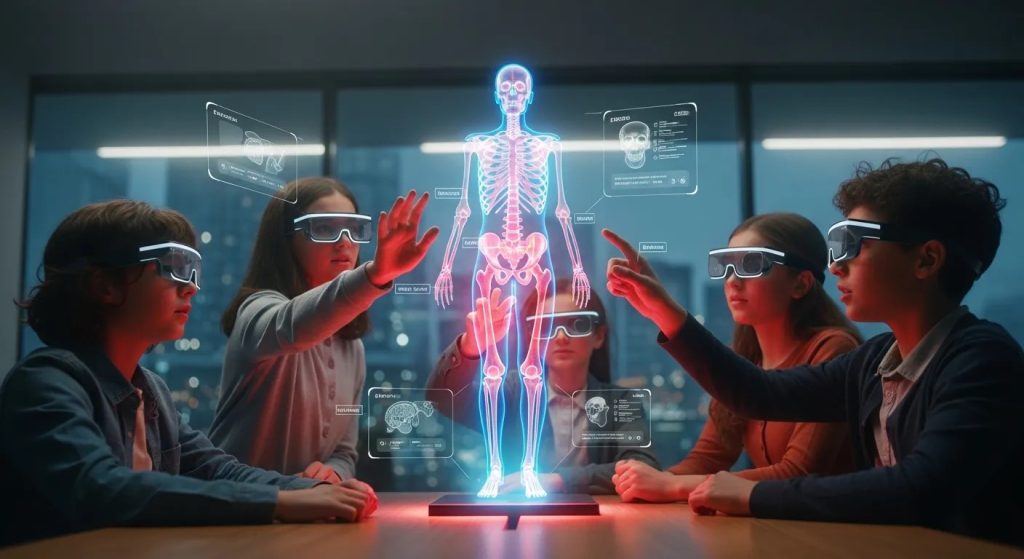
The integration of AR Intelligence with Chatbots revolutionizes how students experience lessons. By combining augmented reality with AI-driven guidance, chatbots enable students to interact with 3D models, virtual experiments, and immersive simulations. For instance, a science chatbot can guide students through a virtual lab, asking questions, prompting reflection, and enhancing understanding in real-time.
Student Chatbots paired with AR Intelligence provide a multi-sensory learning experience that keeps students engaged, encourages exploration, and bridges the gap between theory and practice. The synergy between chatbots and AR ensures that students remain active participants rather than passive observers.
Seamless Integration Across Platforms
One key feature of Student Chatbots is their adaptability across various learning platforms. Whether embedded in a Learning Management System, an online course app, or a hybrid classroom environment, Student Chatbots provide consistent, interactive support.
This seamless integration ensures students can access personalized guidance, receive instant feedback, and stay motivated regardless of the learning environment. Educators can rely on Student Engagement Chatbots to maintain engagement and streamline administrative tasks, making the learning process efficient and effective.
Real-World Applications in Education
The impact of Student Engagement Chatbots is already evident in schools, universities, and online learning programs. Language programs use chatbots to simulate conversations, allowing students to practice fluency and comprehension. STEM programs integrate Chatbots with interactive experiments, enabling students to apply concepts in practical contexts.
By leveraging Student Engagement Chatbots, institutions can enhance student engagement, improve retention, and foster active participation. These real-world applications highlight the potential of chatbots to transform traditional learning into a more dynamic, interactive, and student-centered experience.
Future Trends in Student Engagement Chatbots
The future of education is being shaped by Student Engagement Chatbots. As AI technology continues to evolve, chatbots will become increasingly sophisticated, offering predictive guidance, adaptive learning paths, and more human-like interactions. Student Engagement Chatbots are expected to integrate advanced natural language processing, enabling them to understand student emotions, preferences, and engagement levels more accurately.
With ongoing advancements, Student Engagement Chatbots will not only support learning but also provide actionable insights for educators. Institutions that adopt these tools early can stay ahead in delivering personalized, immersive, and effective education experiences.
Benefits for Educators and Institutions
Student Engagement Chatbots provide significant advantages for educators. By automating routine tasks such as answering FAQs, grading quizzes, and tracking participation, teachers can focus on higher-level instructional strategies. These chatbots also allow educators to monitor class engagement in real time, making it easier to intervene when students fall behind.
For institutions, Student Engagement Chatbots improve scalability. Large student cohorts can receive consistent support without overloading staff. The ability to deliver interactive, personalized learning at scale is transforming how institutions approach curriculum design and student engagement.
Challenges and Solutions
Despite the benefits, integrating Student Engagement Chatbots comes with challenges. Some students may initially resist interacting with a bot, while others may struggle with technology access or literacy. Ensuring privacy and data security is another critical concern.
However, these challenges can be mitigated. Introducing Student Engagement Chatbots gradually, offering clear instructions, and maintaining human oversight ensures smooth adoption. Additionally, institutions can combine chatbots with other educational technologies to maximize engagement and minimize barriers.
Best Practices for Implementing Chatbots
To maximize the effectiveness of Student Engagement Chatbots, educators should consider several best practices:
- Integration with Curriculum: Align chatbots with learning objectives to ensure relevance.
- Personalization: Use adaptive features to cater to individual student needs.
- Regular Updates: Continuously improve chatbot content based on feedback and analytics.
- Blended Approach: Combine chatbot support with teacher guidance for optimal results.
When implemented strategically, Student Engagement Chatbots enhance engagement, motivation, and learning outcomes across diverse educational settings.
Enhancing Collaboration with Chatbots

Student Engagement Chatbots can also foster collaboration among students. By facilitating group discussions, prompting peer feedback, and encouraging interactive problem-solving, chatbots help create a more connected learning environment. Students learn not only from the content but also from interactions with peers, guided by chatbot moderation.
This collaborative approach ensures that Student Engagement Chatbots contribute to both individual and collective learning, building communication and teamwork skills alongside academic knowledge.
Preparing Students for the Digital Future
As technology becomes integral to education, students must develop digital literacy and adaptability. Student Engagement Chatbots provide a safe environment for practicing tech skills while learning core subjects. By interacting with AI-driven chatbots, students gain experience navigating digital tools, managing information, and communicating effectively online.
Through consistent use of Student Engagement Chatbots, students not only stay engaged academically but also acquire essential skills for their future careers, making the learning process more relevant and forward-looking.
Case Studies: Student Engagement Chatbots in Action
Real-world examples demonstrate how Student Engagement Chatbots are transforming classrooms and online learning platforms. For instance, several universities have implemented Student Engagement Chatbots to assist students in large introductory courses. These chatbots answer routine questions, provide reminders about assignments, and guide students through learning resources. The result? Increased participation, reduced dropout rates, and higher overall student satisfaction.
In K-12 settings, Student Engagement Chatbots are being used to personalize learning in subjects like math and language arts. By offering adaptive quizzes and instant feedback, these chatbots help students practice skills at their own pace. Teachers report that Student Engagement Chatbots allow them to focus on critical thinking exercises while the chatbot handles repetitive tasks.
Enhancing STEM Education with Chatbots
STEM subjects often benefit the most from Student Engagement Chatbots. Programs that integrate Student Engagement Chatbots with simulations, virtual labs, and problem-solving activities enable students to explore complex concepts interactively. For example, physics or chemistry students can perform virtual experiments guided by Student Engagement Chatbots, receiving instant clarification and hints when needed.
This approach ensures that students remain engaged while developing analytical and experimental skills. By leveraging Student Engagement Chatbots, STEM education becomes more hands-on, interactive, and tailored to individual learning speeds.
Improving Language Learning Experiences
Language programs are another area where Student Engagement Chatbots excel. By simulating real-life conversations, these chatbots allow students to practice speaking, listening, and comprehension without fear of judgment. Student Engagement Chatbots provide corrections, suggest vocabulary, and even track progress over time.
The interactive nature of Student Engagement Chatbots ensures that language learning is immersive and continuous. Students can practice anytime, and the chatbot adapts to their proficiency level, creating a personalized language learning experience.
Supporting Remote and Hybrid Learning
With the rise of remote and hybrid education, Student Engagement Chatbots have become critical tools. These chatbots maintain student engagement by providing instant guidance, answering queries, and offering interactive exercises regardless of location.
Institutions using Student Engagement Chatbots report that student participation remains high even in online settings. The chatbots bridge gaps between instructors and learners, ensuring that remote students feel supported and included.
Advanced Strategies for Maximizing Chatbot Impact
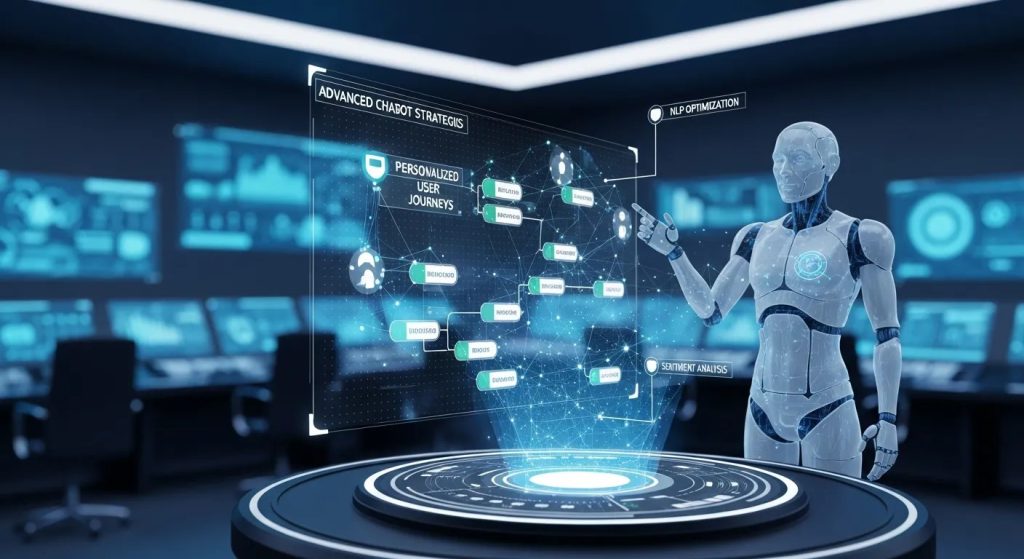
To fully leverage Student Engagement Chatbots, educators can adopt advanced strategies:
- Integrate Multimedia Content: Use videos, images, and AR-enhanced activities to make interactions richer.
- Continuous Feedback Loops: Allow chatbots to collect feedback and adapt questions based on student responses.
- Cross-Platform Availability: Ensure chatbots are accessible on mobile, web, and learning platforms.
- Gamified Challenges: Incorporate quizzes, point systems, and interactive storytelling for sustained engagement.
By implementing these strategies, Student Engagement Chatbots can maximize their impact, making learning more engaging, personalized, and effective.
Preparing Institutions for AI Integration
Adopting Student Engagement Chatbots requires thoughtful planning. Institutions must ensure proper training for staff, clear communication with students, and robust data privacy measures. When implemented correctly, Student Engagement Chatbots enhance both teaching efficiency and student learning outcomes.
The scalability of Student Engagement Chatbots allows schools and universities to manage growing student populations without sacrificing quality. By embracing AI-driven engagement, institutions prepare their learners for a technology-rich future while maintaining educational standards.
Long-Term Benefits and Future Opportunities
As educational technology evolves, chatbots are proving to be more than just a tool—they are shaping the future of learning. Institutions that incorporate AI-driven engagement can expect improved student motivation, higher retention rates, and more personalized experiences. Beyond immediate classroom benefits, chatbots help students develop critical thinking, problem-solving skills, and digital literacy, preparing them for a rapidly changing world.
Emerging technologies, such as augmented reality, machine learning, and AI-powered analytics, present new opportunities to enhance interactive learning. By combining these innovations, educators can create immersive experiences that go beyond textbooks and lectures. Careful implementation ensures that chatbots complement human instruction rather than replace it, providing support where students need it most.
Ultimately, investing in these tools fosters a more adaptive, efficient, and engaging educational environment, positioning both learners and institutions for long-term success.
Conclusion
Student Engagement Chatbots have emerged as transformative tools in modern education, bridging gaps between educators and learners while enhancing participation and personalized learning. By integrating AI, data analytics, gamification, and immersive technologies like AR, these chatbots create interactive experiences that keep students motivated. They not only streamline classroom management but also empower learners to take control of their education. With thoughtful implementation, chatbots can complement traditional teaching, foster collaboration, and support diverse learning styles. As educational institutions embrace these technologies, the result is a more engaging, efficient, and future-ready learning environment for students across the globe.
Frequently Asked Questions (FAQ)
What are Student Engagement Chatbots?
They are AI-driven tools designed to interact with students, answer questions, provide feedback, and create interactive learning experiences.
How do chatbots improve student engagement?
By offering personalized guidance, real-time feedback, gamified exercises, and interactive learning experiences.
Can chatbots be integrated with online learning platforms?
Yes, chatbots work seamlessly across Learning Management Systems, apps, and hybrid classroom environments.
Do chatbots replace teachers?
No, they complement instruction by automating repetitive tasks and enhancing personalized support.
What future trends exist for educational chatbots?
Integration with AR, advanced AI analytics, natural language processing, and adaptive learning technologies.