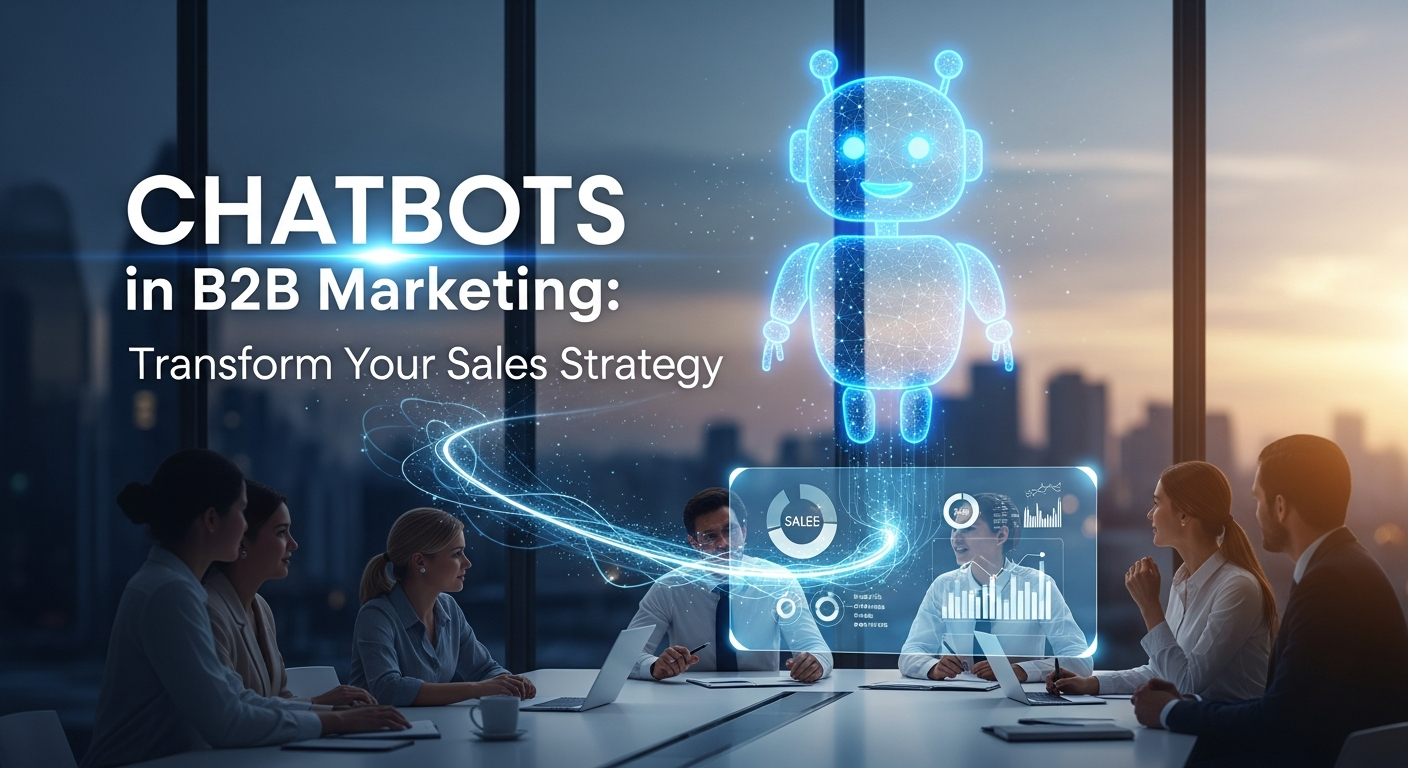
Chatbots in B2B marketing streamline lead nurturing, enhance personalization, and improve ROI by automating interactions. Combined with AI and AR technologies, they provide data-driven insights, interactive experiences, and multi-channel engagement, transforming B2B sales and customer relationships.
Why Chatbots in B2B Marketing Matter
In the modern B2B landscape, leveraging chatbots in B2B marketing has become a strategic necessity. Companies aiming to engage clients efficiently and generate quality leads are increasingly integrating chatbots in B2B marketing into their communication strategies. Unlike traditional email campaigns or static forms, chatbots provide real-time interaction, offering personalized guidance to prospects without overloading human teams.
The benefits of chatbots in B2B marketing are clear: they streamline lead qualification, provide instant responses to client queries, and deliver data-driven insights that enhance sales and marketing strategies. Businesses can track interactions, analyze patterns, and make informed decisions to improve ROI while maintaining a human-like conversational experience.
Recent innovations such as AI Conversational Commerce are expanding how automated conversations support complex B2B sales processes. By integrating intelligent recommendation engines and personalized messaging, companies can use chatbots in B2B marketing to guide potential buyers through the funnel with minimal friction.
Additionally, AI-powered approaches like AI vs Human in Market Research demonstrate how automated tools can complement traditional methods, enabling companies to predict client needs more accurately. Embedding these insights into chatbots in B2B marketing allows businesses to engage prospects meaningfully while reducing time spent on repetitive tasks.
How Chatbots in B2B Marketing Transform the Sales Funnel
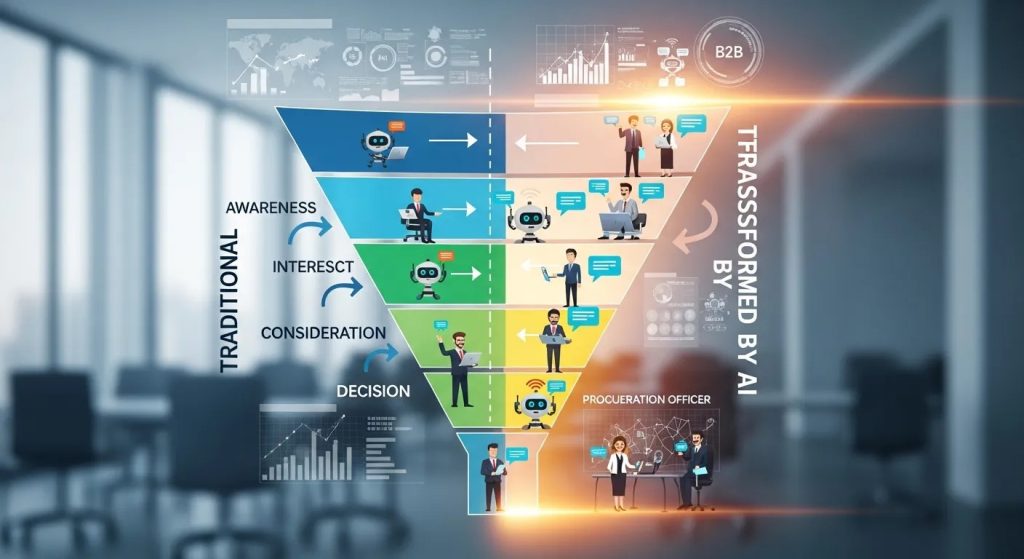
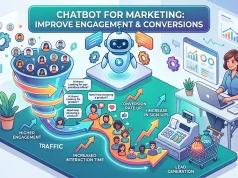
The B2B sales journey is often complex, requiring multiple touchpoints from awareness to conversion. Chatbots in B2B marketing simplify this process by automating interactions at every stage.
Awareness Stage
At the top of the funnel, chatbots in B2B marketing engage visitors proactively, answer common questions, and guide them toward relevant resources. This approach increases engagement and ensures prospects feel acknowledged. In some industries, insights from AI Chatbots for Stock Analysis can even inform initial conversations, providing value to potential clients right from the first interaction.
Consideration Stage
During the evaluation phase, chatbots in B2B marketing can provide product demos, case studies, and tailored recommendations. Businesses experimenting with Chatbots in Virtual Classrooms have found that interactive, guided sessions enhance learning and trust, which translates into more informed purchase decisions.
Decision Stage
When prospects are ready to act, chatbots in B2B marketing help qualify leads, schedule meetings, and send follow-up reminders. Integration with CRM systems ensures that each lead is tracked accurately, demonstrating how chatbots contribute directly to measurable sales performance.
Integrating Chatbots in B2B Marketing with Automation
One of the key advantages of chatbots in B2B marketing is their seamless integration with marketing automation systems. By connecting chatbots to CRM platforms, email marketing tools, and analytics dashboards, businesses can track prospect interactions across multiple channels and deliver timely, personalized follow-ups. This integration ensures that every engagement is purposeful and contributes to moving leads further down the sales funnel.
For example, a prospect interacting with a chatbot can automatically trigger a tailored email sequence or a targeted product recommendation. These automated workflows reduce manual effort, maintain consistency in communication, and free up marketing teams to focus on strategy and creative tasks.
Incorporating insights from technologies like AR Quantum Computing allows businesses to visualize complex datasets interactively. This capability can be paired with chatbots in B2B marketing to present sales performance metrics, customer trends, or product simulations to potential clients in an engaging and easy-to-understand format. Such innovative approaches differentiate companies from competitors and add a futuristic dimension to B2B interactions.
Benefits Across Marketing Channels
The use of chatbots in B2B marketing is not limited to websites. They can engage prospects across multiple touchpoints, including social media platforms, messaging apps, and even mobile applications. Multi-channel presence ensures that potential clients encounter the brand where they are most active, increasing opportunities for engagement.
| Channel | How Chatbots Help | Key Advantage |
|---|---|---|
| Website | Answer FAQs, guide navigation | Reduces bounce rate, increases lead capture |
| LinkedIn & Social | Initiate conversations, qualify leads | Personalized B2B engagement |
| Messaging Apps | Schedule meetings, follow-ups | Instant responses, higher satisfaction |
| Mobile Apps | Provide updates, recommendations | Maintains engagement on-the-go |
By leveraging multiple channels, companies ensure that chatbots in B2B marketing are not just reactive but proactive in nurturing leads. Additionally, emerging applications in AR Autonomous Agents allow chatbots to deliver immersive experiences, such as virtual product tours or interactive training sessions, enhancing the value of automated engagement.
Enhancing Customer Experience
In the B2B context, client experience is a critical differentiator. Chatbots in B2B marketing contribute to positive experiences by providing instant answers, reducing wait times, and offering tailored recommendations. Unlike human agents, chatbots can handle multiple conversations simultaneously, ensuring consistency and accuracy in messaging.
For industries with complex products or services, chatbots can serve as guides through educational resources or interactive demonstrations. For instance, companies leveraging Chatbots in Virtual Classrooms have successfully used automated conversations to explain intricate workflows, train teams, and onboard clients efficiently. By doing so, businesses position themselves as knowledgeable, responsive, and forward-thinking in the eyes of potential customers.
Data-Driven Insights
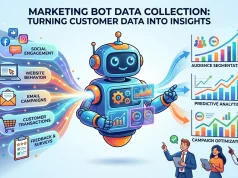
Another critical advantage of chatbots in B2B marketing is their ability to capture and analyze detailed interaction data. Every question asked, link clicked, or option selected provides insights into prospect behavior and preferences. This information can guide content creation, product development, and sales strategy.
When combined with AI-driven research methods, such as AI vs Human in Market Research, chatbots provide predictive insights that allow teams to anticipate customer needs and adjust campaigns proactively. This data-driven approach ensures that B2B marketing is not only more efficient but also more effective, reducing wasted efforts and increasing ROI.
Lead Nurturing Strategies with Chatbots in B2B Marketing
A core challenge in B2B marketing is nurturing leads effectively over longer sales cycles. Chatbots in B2B marketing excel at this by maintaining personalized, ongoing interactions without overburdening human teams. They can segment leads based on behavior, provide relevant content, and trigger timely follow-ups, keeping prospects engaged until they are ready to make a purchase.
Personalization at Scale
One of the greatest strengths of chatbots in B2B marketing is their ability to deliver tailored experiences at scale. By analyzing interaction history and user behavior, chatbots can recommend content, products, or services most relevant to each prospect. This approach ensures that every conversation feels personalized, increasing the likelihood of conversion.
For example, companies leveraging AI Conversational Commerce can integrate product recommendations into chatbot workflows. Prospects receive suggestions based on previous interactions or preferences, which helps create a seamless path from discovery to purchase. This level of personalization would be difficult to achieve using human teams alone, especially at scale.
Multi-Touch Lead Nurturing
Chatbots in B2B marketing can also manage multi-touch campaigns that span various channels. Automated reminders, educational content, and interactive resources can be delivered via website chat, email, or messaging apps, ensuring prospects are continually nurtured. These multi-touch interactions create a consistent brand experience and help build trust over time.
Integrating insights from AI Chatbots for Stock Analysis or similar industry-specific AI tools allows chatbots to provide real-time insights during nurturing campaigns. For instance, financial B2B clients can receive personalized market updates or investment recommendations through chatbot interactions, positioning the company as a knowledgeable partner.
Content Marketing and Chatbots in B2B Marketing
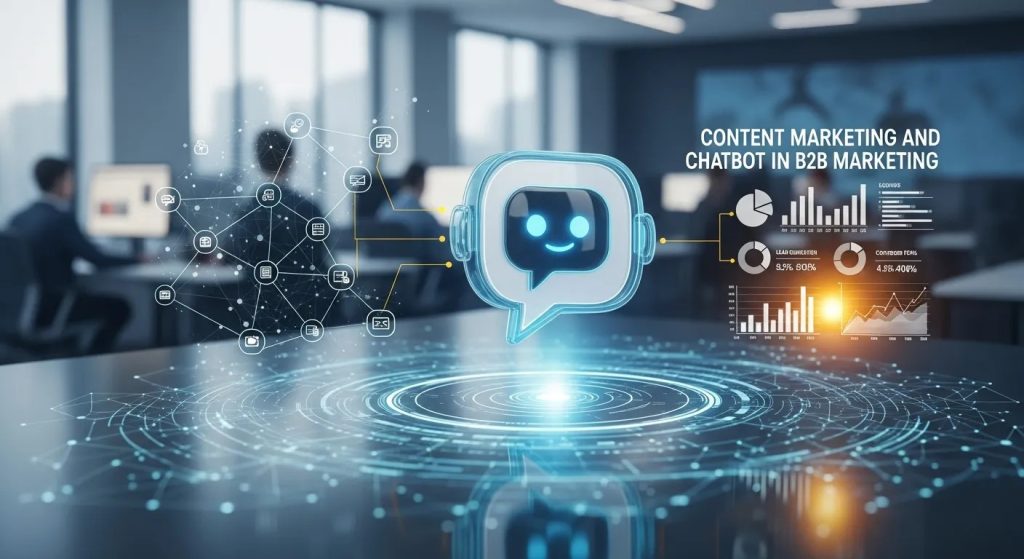
Content marketing plays a pivotal role in driving engagement, and chatbots in B2B marketing can amplify its impact. By guiding users to relevant blogs, whitepapers, webinars, or case studies, chatbots ensure that content reaches the right audience at the right time.
For example, an initial conversation might identify a prospect’s industry or interest, after which the chatbot recommends a targeted resource. Companies exploring Chatbots in Virtual Classrooms have used this strategy to deliver interactive content, enabling prospects to learn about complex solutions in an engaging, self-paced format.
Data-Driven Content Optimization
Every interaction with a chatbot generates data. By analyzing which resources are accessed most frequently and which conversation paths lead to conversions, marketers can refine content strategies. This feedback loop makes chatbots in B2B marketing not just a distribution tool but a powerful mechanism for continuous content optimization.
Moreover, integrating immersive technologies like AR Quantum Computing allows marketers to present content in interactive formats, enhancing user engagement. Chatbots can guide prospects through these experiences, explaining complex visualizations and reinforcing understanding, creating a memorable brand interaction.
Advanced Applications of Chatbots in B2B Marketing
Beyond lead nurturing and content distribution, chatbots in B2B marketing are increasingly being used for advanced applications that improve efficiency and client engagement.
Sales Enablement
Sales teams benefit when chatbots provide instant access to critical information. By integrating with CRMs, chatbots in B2B marketing can supply sales reps with contextual details about leads, such as past interactions, engagement level, and potential objections. This enables more informed and timely follow-ups, reducing the sales cycle duration.
Customer Training and Support
In B2B industries with complex products or services, chatbots facilitate client onboarding and ongoing training. Organizations using Chatbots in Virtual Classrooms have automated onboarding modules, FAQs, and troubleshooting guides, allowing clients to learn at their own pace. This not only enhances the customer experience but also reduces the workload on human support teams.
Immersive and Interactive Experiences
The integration of AR Autonomous Agents into B2B processes enables chatbots to deliver interactive demonstrations, simulations, or virtual tours. Prospects can explore products in a more tangible way, guided by the chatbot, which enhances understanding and accelerates decision-making. This combination of AI and AR represents a significant competitive advantage for forward-thinking companies.
Measuring ROI and Performance with Chatbots in B2B Marketing
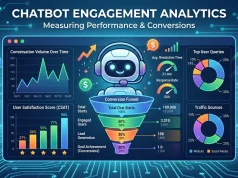
One of the most compelling reasons to implement chatbots in B2B marketing is the ability to track performance and measure ROI with precision. Unlike traditional marketing channels, every interaction a prospect has with a chatbot can be recorded, analyzed, and leveraged to improve strategy.
Key Metrics to Track
Chatbots in B2B marketing provide actionable insights across several key performance metrics:
- Engagement Rate: Measures how often prospects interact with the chatbot compared to overall visitors.
- Lead Conversion Rate: Tracks how many chatbot interactions result in qualified leads or scheduled meetings.
- Response Time: Monitors how quickly inquiries are addressed, impacting client satisfaction.
- Content Interaction: Reveals which resources, articles, or demos resonate most with prospects.
Tracking these metrics allows companies to optimize workflows, refine conversation paths, and enhance content delivery. Businesses integrating AI Conversational Commerce can also analyze which product suggestions drive the most engagement, linking automated conversations directly to revenue generation.
Industry-Specific Applications
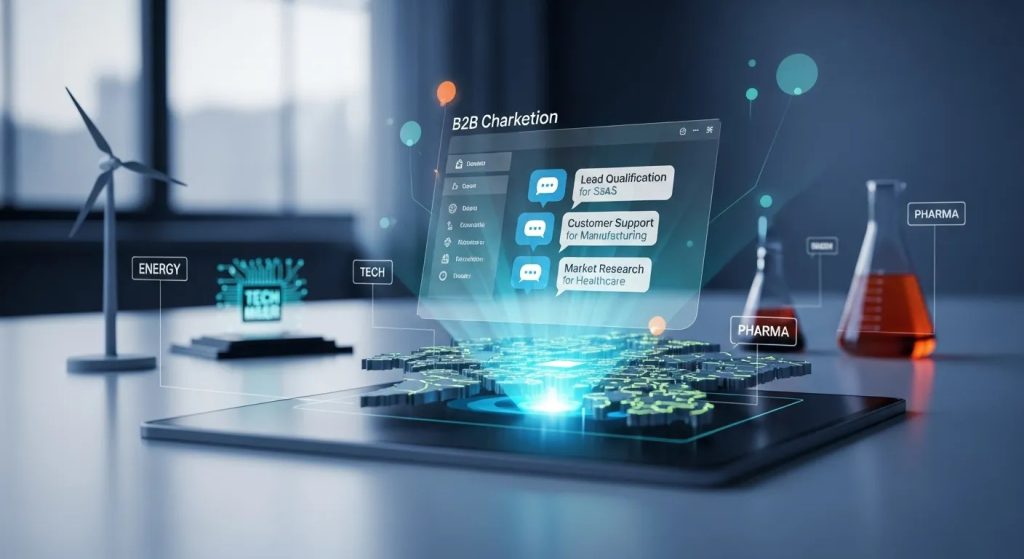
Chatbots in B2B marketing are versatile and can be tailored for industry-specific needs. For example:
- Finance: Leveraging AI Chatbots for Stock Analysis, firms provide real-time insights, helping clients make informed investment decisions.
- Education and Training: Organizations using Chatbots in Virtual Classrooms facilitate onboarding, interactive tutorials, and self-paced learning for corporate clients.
- Tech and IT: Companies integrate chatbots with AR and AI solutions, including AR Quantum Computing, to guide clients through complex product demonstrations or data simulations.
By customizing chatbot applications for each industry, companies ensure that prospects receive relevant, actionable, and engaging interactions, which improves lead quality and accelerates the sales cycle.
Chatbots in B2B Marketing and Data-Driven Decision Making
Data is at the heart of modern B2B strategy. Chatbots in B2B marketing collect detailed behavioral insights from every conversation. These insights can then inform broader marketing and sales strategies, creating a feedback loop that improves outcomes continuously.
For instance, businesses leveraging AI vs Human in Market Research can use chatbots to supplement traditional surveys and interviews, capturing real-time intent signals and preferences. This approach not only enhances decision-making but also ensures that marketing campaigns are more targeted and effective.
Combining Analytics with Automation
When integrated with CRM and analytics platforms, chatbots in B2B marketing allow marketers to segment audiences dynamically, personalize follow-ups, and automate reporting. Sales and marketing teams can visualize conversion funnels, identify drop-off points, and optimize campaigns without manual intervention.
Moreover, incorporating immersive technology like AR Autonomous Agents adds an interactive layer to data presentation. Chatbots can guide prospects through visual dashboards, simulations, or virtual tours, helping them understand complex concepts more intuitively while reinforcing brand credibility.
Enhancing Lead Engagement Across Channels
Multi-channel engagement is critical in B2B marketing. Chatbots in B2B marketing operate seamlessly across websites, social media, messaging apps, and mobile platforms. By maintaining consistent communication across channels, chatbots ensure that prospects remain engaged, regardless of where they interact with the brand.
Incorporating strategies from Chatbots in Virtual Classrooms, companies can combine real-time guidance with interactive content delivery. This not only educates prospects but also builds trust and positions the company as a knowledgeable industry leader.
Enhancing Customer Engagement with Chatbots in B2B Marketing

Chatbots in B2B marketing are revolutionizing how companies connect with prospects. By providing instant responses, personalized recommendations, and seamless multi-channel interactions, chatbots ensure that leads remain engaged throughout the sales journey. Integrating insights from AI Conversational Commerce and tools like Chatbots in Virtual Classrooms allows businesses to deliver interactive, data-driven experiences that build trust. Additionally, technologies such as AR Autonomous Agents create immersive demos guided by chatbots, helping clients understand complex products quickly. With these innovations, chatbots in B2B marketing drive higher conversions, improve satisfaction, and strengthen long-term relationships.
Conclusion
Chatbots in B2B marketing have proven to be transformative tools for modern businesses. By automating conversations, nurturing leads, and providing personalized experiences at scale, they streamline the sales funnel and enhance customer engagement. Integrating AI-driven insights, such as AI Conversational Commerce and AI Chatbots for Stock Analysis, along with emerging technologies like AR Quantum Computing and AR Autonomous Agents, enables companies to deliver interactive, data-driven, and immersive experiences.
Frequently Asked Questions (FAQ)
What are chatbots in B2B marketing?
Chatbots in B2B marketing are AI-driven conversational tools that interact with prospects and clients across multiple channels. They automate lead qualification, provide instant answers, and guide buyers through the sales funnel, enhancing engagement and driving conversions.
How do chatbots improve ROI in B2B marketing?
By automating repetitive tasks, qualifying leads, and delivering personalized interactions, chatbots in B2B marketing reduce operational costs and increase conversion rates. Combined with data-driven insights from AI vs Human in Market Research, businesses can optimize strategies and measure ROI more accurately.
Can chatbots integrate with other marketing tools?
Yes. Chatbots in B2B marketing integrate seamlessly with CRM platforms, email marketing systems, analytics dashboards, and even immersive technologies like AR Autonomous Agents. This allows for multi-channel engagement, personalized follow-ups, and performance tracking.
How do chatbots support lead nurturing?
Chatbots automate multi-touch campaigns, segment audiences, and deliver targeted content based on user behavior. By leveraging strategies like Chatbots in Virtual Classrooms, businesses can educate prospects interactively while keeping them engaged throughout the B2B sales cycle.
Are chatbots suitable for all industries?
Absolutely. From finance, using AI Chatbots for Stock Analysis, to tech companies incorporating AR Quantum Computing, chatbots in B2B marketing can be customized for different industries. They enhance client interactions, support complex onboarding, and provide actionable insights across sectors.
What is the future of chatbots in B2B marketing?
The future involves deeper AI integration, immersive experiences, and intelligent personalization. Chatbots in B2B marketing will increasingly work alongside AR, advanced analytics, and AI Conversational Commerce to deliver seamless, predictive, and interactive customer journeys.