In today’s digital landscape, customer expectations have evolved rapidly. They now demand seamless and personalized interactions regardless of where or when they engage. Omnichannel Chatbot Marketing meets these expectations by delivering consistent, context-aware conversations across channels such as websites, social media, mobile apps, and even voice assistants. This unified approach ensures that every touchpoint reflects the same brand voice and user history, creating a frictionless path toward conversion and loyalty.
Introduction to Omnichannel Chatbot Marketing
Currently, businesses of all sizes recognize that segmented strategies fall short as they operate in isolation. With a synchronized conversational AI engine, Omnichannel Chatbot Marketing preserves conversation history and preferences, allowing users to switch from a Facebook Messenger chat to a website popup without losing context. This capability is critical in reducing abandonment rates and building lasting trust.
This year (2026), organizations are prioritizing customer-centric tactics to stand out in competitive markets. By integrating chatbots into multiple environments and leveraging advanced natural language processing, companies can automate support, collect insights, and guide users toward desired outcomes. Additionally, compliance with accessibility standards ensures an inclusive experience for all audiences.
By tapping into real-time analytics and user behavior data, brands can continuously refine chatbot responses and promotional offers. Furthermore, leveraging integrations with CRM systems and email platforms amplifies the reach and personalization of each engagement. As technology advances, the line between digital and physical interactions blurs, making it essential to design experiences that feel native to every platform. Whether a shopper explores products on an e-commerce site or interacts with a kiosk in-store, the core conversational framework remains consistent.
Understanding Omnichannel Chatbot Marketing
At its core, Omnichannel Chatbot Marketing relies on a unified conversational infrastructure that empowers brands to engage customers across multiple touchpoints without losing context. Unlike traditional multichannel approaches where each platform maintains separate data silos, an omnichannel strategy centralizes intelligence in a single AI engine. This architecture ensures that user profiles, conversation histories, and personalization rules remain synchronized whether the conversation occurs on a website widget, a mobile application, or a social media messenger.
One of the most critical components is a centralized AI knowledge base. This repository stores product information, frequently asked questions, and dynamic content assets, allowing chatbots on any channel to retrieve accurate answers in real time. Synchronization of user profiles further enhances personalization by capturing preferences, past purchases, and support tickets. As a result, when a returning customer resumes an interaction on Instagram Direct after browsing the website, the bot can reference previous queries and tailor responses accordingly.
Another vital element is dynamic routing logic. When a chatbot encounters a complex request or sentiment that falls outside its programmed capabilities, it triggers a seamless transfer to a human agent. All relevant context, including user intent and past exchanges, is forwarded alongside the conversation. This smart handoff minimizes friction and prevents users from repeating themselves, thus maintaining engagement and satisfaction.
Natural language understanding (NLU) forms the backbone of Omnichannel Chatbot Marketing, enabling bots to interpret customer intents accurately and handle variations in phrasing. As the technology advances, machine learning models can adapt to new vocabulary and idioms automatically. In today’s digital landscape, these AI-driven capabilities are essential for companies seeking to offer timely, personalized interactions at scale.
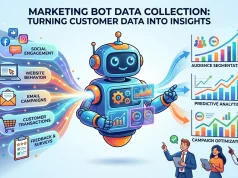
By fostering a consistent brand voice, an omnichannel conversational strategy builds trust and encourages repeat interactions. It also provides marketers and support teams with comprehensive analytics, illuminating user behavior across all channels. With this holistic view, businesses can optimize campaign performance and refine conversation flows, turning each interaction into a potential conversion opportunity.

Key Channels for Seamless Integration
Omnichannel Chatbot Marketing shines when deployed across a strategic mix of platforms that align with customer behavior patterns. Each channel contributes unique advantages, and a thoughtful integration plan ensures the conversational experience remains smooth.
Website Chatbots
The website often serves as the primary digital storefront. Embedding a chatbot widget can help welcome visitors, answer product questions, and guide users through complex processes such as booking or checkout. By capturing visitor intent and browsing history, the bot can suggest relevant resources and special offers without disrupting the page layout.
Social Media Messaging
Platforms like Facebook Messenger, WhatsApp, Instagram Direct, and Twitter DM enable brands to meet customers where they spend significant online time. Social messaging chatbots can handle order inquiries, schedule appointments, and deliver promotional campaigns with interactive quick replies. This channel also lends itself to conversational marketing strategies and community engagement.
Mobile App Integration
In-app chatbots offer contextual support that complements mobile user journeys. Whether onboarding new users, handling in-app transactions, or sending behavioral reminders, these chatbots leverage device capabilities such as push notifications and in-app messaging to drive engagement and retention.
Email and SMS Follow-Ups
Although email and SMS are not conversational in the traditional sense, they extend the chatbot’s reach through automated workflows. For example, when a chatbot interaction triggers a cart abandonment event, an SMS or email with a discount code can re-engage the customer quickly. These follow-ups maintain momentum outside of live chat sessions.
Voice Assistants
Voice-enabled chatbots on platforms such as Amazon Alexa and Google Assistant deliver hands-free support and voice-driven commerce. By integrating the same NLU engine that powers text chatbots, brands can offer consistent responses whether users speak or type their requests. This convergence further solidifies an omnichannel presence.
By strategically selecting and connecting these channels, organizations can create a cohesive network of touchpoints that adapts to user preferences. The focus keyword, Omnichannel Chatbot Marketing, remains central to the design and execution of these integrations.
Benefits and ROI of Omnichannel Chatbot Marketing
Implementing an Omnichannel Chatbot Marketing strategy delivers impactful business outcomes by streamlining customer journeys and increasing operational efficiency. One of the primary advantages is enhanced user engagement. When customers receive prompt, personalized assistance on their preferred platforms, the likelihood of conversion rises significantly. According to research at Stanford University, personalized digital interactions can boost conversion rates by up to 20%.
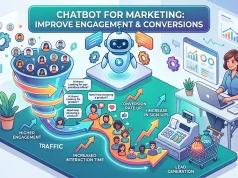
Improved conversion performance also emerges from frictionless handoffs between channels. If a shopper initiates a product inquiry in a social media chat and then transitions to a website widget to finalize the purchase, the preserved context minimizes dropout points. This continuity often results in a higher average order value and faster sales cycles.
Moreover, consistent, human-like conversations foster greater loyalty. By capturing customer data and preferences centrally, brands can deliver targeted promotions, cross-sell opportunities, and proactive service. Over time, this builds stronger relationships and repeat business. Data from government studies such as those conducted by the U.S. Small Business Administration indicate that repeat customers can contribute up to 65% of an e-commerce store’s revenue.
From an operational perspective, Omnichannel Chatbot Marketing unlocks cost savings by automating routine inquiries and freeing up human agents to handle complex requests. This reallocation of resources not only reduces live-agent workload but also lowers overall support expenses. Additionally, chatbots are available 24/7, extending service window hours and improving customer satisfaction scores.
The return on investment can be quantified through key performance indicators such as engagement rate, containment rate, conversion rate, average response time, and CSAT score. By leveraging analytics dashboards, organizations can segment these metrics by channel to identify high-impact areas and refine conversation flows continuously. The data-driven insights gained through an Omnichannel Chatbot Marketing approach ultimately translate into measurable ROI and sustained competitive advantage.

Best Practices for Designing Consistent Experiences
Maintaining consistency is vital for a successful Omnichannel Chatbot Marketing initiative. One foundational principle is to align the chatbot’s tone, personality, and visual design with your brand guidelines across all channels. Consistent branding not only reinforces brand identity but also fosters familiarity and trust among users.
Unified user profiles help avoid repetitive questions and ensure that chatbots recognize returning customers immediately. Synchronization of data across CRM and CMS platforms enables bots to access purchase histories, preferences, and past interactions. A best practice is to leverage standards and frameworks recommended by institutions like NIST to ensure secure and reliable data integration across systems.
Smart handoff protocols should be in place to escalate inquiries when the chatbot cannot resolve specific issues. By designing clear escalation paths and defining trust thresholds, you can guarantee that complex or sensitive requests reach a human agent promptly. Proper error handling and fallback messages also contribute to a smooth user journey.
Personalization at scale is achievable by harnessing real-time user data to tailor greetings, content recommendations, and promotional offers dynamically. Implement entity recognition and sentiment analysis to adjust conversational flows based on user intent and emotional tone.
Accessibility remains a key consideration for inclusive design. Ensure that your chatbots comply with ADA guidelines by providing clear, concise language and incorporating voice-friendly responses. Regular accessibility audits and user testing can uncover barriers and drive continuous improvement.
Lastly, maintain an evolving knowledge base to reflect new FAQs, product updates, and seasonal promotions. Continuous content updates and algorithm training sessions ensure that your Omnichannel Chatbot Marketing system stays relevant and accurate in handling customer queries.
Implementing and Optimizing Your Strategy
Bringing an Omnichannel Chatbot Marketing plan to life involves a structured, phased approach that minimizes risk and maximizes impact. Begin with a comprehensive strategy and planning phase. Define your objectives—whether lead generation, customer support, or sales enablement—and map the customer journey across all intended touchpoints. Identify high-impact use cases and prioritize channels based on user research.
Next, focus on technology selection. Choose a chatbot platform that offers omnichannel capabilities and robust natural language understanding. Verify that the solution provides integration APIs for your existing CRM, CMS, analytics, and marketing automation systems. In today’s digital landscape, interoperability is essential.
During the design and development phase, build conversational storyboards, define fallback scenarios, and create entity recognition models to capture user data effectively. Conduct iterative testing and quality assurance on each channel to ensure context persistence. A pilot or beta launch can help gather real-world feedback and uncover edge cases.
When deploying, consider a gradual rollout strategy. Train support teams on chatbot functionality, handoff procedures, and monitoring tools. Monitor performance metrics closely from day one, and establish a continuous optimization process. Use A/B testing to compare conversation paths, promotional offers, and call-to-action placements to determine what resonates with your audience.
Leverage insights from reputable research institutions such as the National Institutes of Health (NIH) or Stanford University to inform your optimization roadmap and ensure best practices in user experience and data privacy. Collect user feedback through surveys and analyze sentiment trends to refine conversation scripts and knowledge base content.
Finally, schedule regular review cycles to update training data, incorporate new product launches, and adjust strategies based on performance metrics. With an iterative mindset and a commitment to data-driven improvements, your Omnichannel Chatbot Marketing efforts will continue to deliver greater engagement, satisfaction, and ROI.
Frequently Asked Questions
What is Omnichannel Chatbot Marketing?
Omnichannel Chatbot Marketing is a strategy that unifies conversational AI across multiple platforms—such as websites, social media, mobile apps, email/SMS, and voice assistants—to deliver seamless, context-aware interactions and maintain consistent user data and conversation history.
How does an omnichannel chatbot differ from a multichannel one?
Unlike multichannel chatbots that operate independently on each platform, omnichannel chatbots share a centralized intelligence and user profile. This ensures users can switch channels without losing context or repeating information.
Which channels should businesses prioritize?
Businesses should align channel selection to customer preferences, typically including website chatbots, social media messaging (e.g., Facebook Messenger, WhatsApp), mobile in-app chat, email/SMS follow-ups, and voice assistants like Alexa or Google Assistant.
What metrics indicate success?
Key performance indicators include engagement rate, containment rate (percentage of inquiries resolved by the chatbot), conversion rate, average response time, and customer satisfaction (CSAT) scores. Segmenting metrics by channel helps identify high-impact areas for optimization.
How can I ensure data privacy and compliance?
Leverage secure integration frameworks and follow standards from institutions like NIST. Implement encryption, role-based access, and regular audits to comply with GDPR, CCPA, and ADA guidelines. Ensure transparent data handling and obtain necessary user consents.
Conclusion
Omnichannel Chatbot Marketing has become an indispensable element of customer engagement strategies in today’s competitive marketplace. By deploying a unified conversational AI framework across websites, social media, mobile apps, email, SMS, and voice assistants, businesses can deliver personalized, context-aware interactions that drive conversions and foster brand loyalty. The synchronized user experiences enabled by this approach not only reduce friction but also build lasting trust with every customer.
Successful implementation hinges on thoughtful planning, technology selection, and adherence to best practices in branding, data synchronization, and accessibility. Measurement through key performance indicators such as engagement rate, conversion rate, and CSAT score provides actionable insights for continuous optimization. Partnering with authoritative sources and leveraging proven frameworks ensures that chatbots remain accurate, secure, and aligned with organizational objectives.
As we progress through this year (2026), organizations that embrace Omnichannel Chatbot Marketing are poised to outperform competitors by meeting customers where they are and when they need assistance most. By following the structured roadmap outlined in this guide, you can build a scalable chatbot ecosystem that adapts to changing user behaviors and technology innovations. In the dynamic digital landscape of today, a well-executed omnichannel strategy will be a powerful driver of growth, efficiency, and customer satisfaction.