

Introduction
In today’s digital landscape, businesses are exploring fresh methods to maintain audience interest and drive user actions. One approach that has gained momentum this year (2026) is chatbot gamification. By introducing game mechanics into conversational interfaces, companies can transform static, transactional interactions into dynamic experiences that feel rewarding and entertaining. Whether you operate an e-commerce platform, a customer service desk, or a marketing funnel, integrating game elements into your chatbot can result in higher engagement, improved retention, and stronger brand loyalty.
This article delves into the principles behind chatbot gamification, outlines proven techniques for weaving game design into dialogue flows, and offers practical implementation guidance. You will learn why and how to leverage points systems, challenges, leaderboards, badges, and progress indicators to motivate users. We will also explore real-world examples, best practices, and performance metrics to track success. By following these guidelines, you can launch a gamified chatbot experience that resonates with users and delivers measurable business results.
What Is Chatbot Gamification?

Chatbot gamification is the practice of embedding game design elements into automated chat conversations to enhance user motivation and enjoyment. In essence, you apply mechanics commonly used in games—such as points, badges, quests, and leaderboards—to encourage participants to interact more deeply with your chatbot. This technique taps into psychological triggers like competition, achievement, and social recognition.
At its core, chatbot gamification transforms routine tasks—such as answering FAQs or completing surveys—into experiences with clear, immediate feedback and rewards. Instead of simply receiving information, users earn points for each action, unlock badges when milestones are reached, or compete with peers on a leaderboard. These elements drive intrinsic motivation and can significantly increase time spent in the chatbot, ultimately boosting conversion rates and customer satisfaction.
Industry research supports the value of gamified experiences. A report by the National Institute of Standards and Technology (NIST) highlights that interactive features can improve user engagement by up to 60% when properly designed. Additionally, studies at Pew Research Center show that recognition and achievement—core aspects of gamification—foster long-term behavior change.
Benefits of Gamifying Your Chatbot
Integrating gamification into your chatbot can yield diverse advantages. Here are the primary benefits that organizations are currently experiencing:
Enhanced User Engagement
Game mechanics prompt users to participate actively rather than passively consuming content. A points system or daily challenge encourages people to revisit the chatbot, driving repeated interaction and keeping your brand top of mind.
Increased Retention Rates
By rewarding consistent usage, chatbots with gamification elements foster loyalty. When users see their progress or rank rising, they feel a sense of accomplishment and are more likely to return to maintain or improve their standing.
Improved Conversion Metrics
Gamified prompts—like bonus points for completing a purchase or badges for subscribing—nudge users toward desired actions. These incentives can boost signups, downloads, or sales, contributing to a healthier bottom line.
Positive Brand Perception
Engaging, fun experiences create memorable touchpoints. When people enjoy their interactions, they are more inclined to view your brand favorably and recommend it to others.
Valuable Data Collection
Interactive mechanics provide insights into user preferences and behavior. You can analyze completion rates, popular quests, and drop-off points to refine your marketing and product strategies.
Key Game Mechanics for Chatbots

Effectively incorporating gamification involves selecting the right mechanics. Here are the most impactful elements to consider:
Points and Rewards
Assign points for actions such as completing surveys, sharing content, or making purchases. Users accumulate points to unlock discounts, digital assets, or VIP access. Clear point allocation and visible totals motivate ongoing participation.
Badges and Achievements
Offer badges when users hit milestones—first purchase, five completed challenges, or consistent weekly engagement. Badges provide tangible recognition that users can showcase on social media, fostering organic promotion and social proof.
Leaderboards
Create a sense of competition by ranking top users. Whether on a monthly or weekly basis, leaderboards tap into users’ natural drive to outperform peers and keep their status visible.
Challenges and Quests
Design multi-step narratives or thematic quests that guide users through a sequence of tasks. This structured journey delivers a sense of progression and purpose, reducing user fatigue.
Progress Bars
Display visual indicators of task completion—such as a percentage bar that fills as users move through each stage. Progress bars trigger a completion bias, encouraging users to finish what they’ve started.
Steps to Implement Gamification in Your Chatbot
Introducing gamification requires a strategic approach to ensure game mechanics align with your goals and user expectations. Follow these steps to build an effective gamified chatbot:
1. Define Clear Objectives
Determine the behaviors you wish to influence—newsletter signups, product tutorials, upsells, or feedback collection. Your goals will guide which game mechanics to adopt.
2. Select Appropriate Mechanics
Choose points, badges, leaderboards, or quests based on your audience profile and brand identity. For example, a professional service platform may emphasize badges and achievements, while a lifestyle brand might focus on challenges and rewards.
3. Map Conversation Flows
Sketch out user journeys, integrating game elements at meaningful touchpoints. Ensure transitions feel natural, with clear prompts and explanations to avoid confusion.
4. Design Reward Structures
Balance effort and incentives. Too high a barrier to earn rewards can frustrate users; too low can devalue your offerings. Test reward pacing to optimize motivation.
5. Integrate with Existing Systems
Connect your chatbot platform to CRM, e-commerce, or analytics tools for seamless data exchange. This ensures accurate tracking of points, achievements, and user profiles.
6. Conduct Testing and Iteration
Launch A/B tests to evaluate variations in game mechanics and messaging. Gather user feedback to identify pain points and refine the experience continuously.
Best Practices and Measuring Success
To maximize the impact of chatbot gamification, keep the following best practices in mind:
1. Maintain Simplicity
Avoid overcomplicating systems. Ensure users can easily understand how to earn points, unlock badges, and track their progress.
2. Personalize Interactions
Leverage user data to tailor challenges and rewards. Personalized experiences feel more relevant and engaging.
3. Balance Challenge and Reward
In today’s fast-paced world, users expect quick wins. Offer micro-rewards to sustain momentum while providing larger incentives for long-term objectives.
4. Communicate Clearly
Use concise language and visible cues. Let users know what actions earn points and how they can redeem rewards.
5. Monitor Key Metrics
Track engagement rate, average session duration, reward redemption percentage, and user retention. Additionally, measure conversion uplift and lifetime value to assess ROI.
FAQ
What are the primary benefits of chatbot gamification?
Chatbot gamification drives higher engagement, improves retention, boosts conversions, enhances brand perception, and provides valuable user data for further optimization.
Which game mechanics are most effective for beginners?
Start with simple systems like points and progress bars to provide immediate feedback, then gradually introduce badges, challenges, and leaderboards as users become more familiar with the experience.
How can I measure the ROI of my gamified chatbot?
Track key metrics such as engagement rate, average session duration, reward redemption percentage, user retention, conversion uplift, and customer lifetime value to assess the impact and ROI.
Conclusion
Chatbot gamification offers a proven way to elevate user interactions, driving engagement, retention, and conversions in today’s digital landscape. By thoughtfully integrating game mechanics—such as points, badges, leaderboards, and quests—you can create compelling, interactive experiences that align with your brand objectives. Remember to define clear goals, choose mechanics that resonate with your audience, and continuously measure performance against key metrics. With strategic planning and iterative testing, your gamified chatbot can become a powerful asset, delivering both business impact and memorable user journeys.
For further insights on user engagement and gamification, explore resources at NIST and Pew Research Center. Start experimenting today to unlock new levels of interaction and loyalty this year (2026).
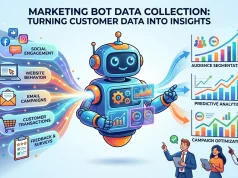
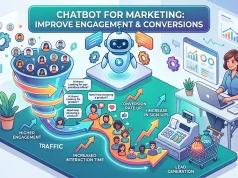







[…] Personalization can make conversations more useful and help customers find the information they need more quickly. Businesses can also use conversational experiences as part of their broader customer-engagement efforts, including strategies such as gamifying a chatbot to boost engagement. […]
[…] Gamification can encourage participation when it is relevant to the audience. For example, Gamify Your Chatbot explores how game mechanics can be used to make chatbot interactions more […]