
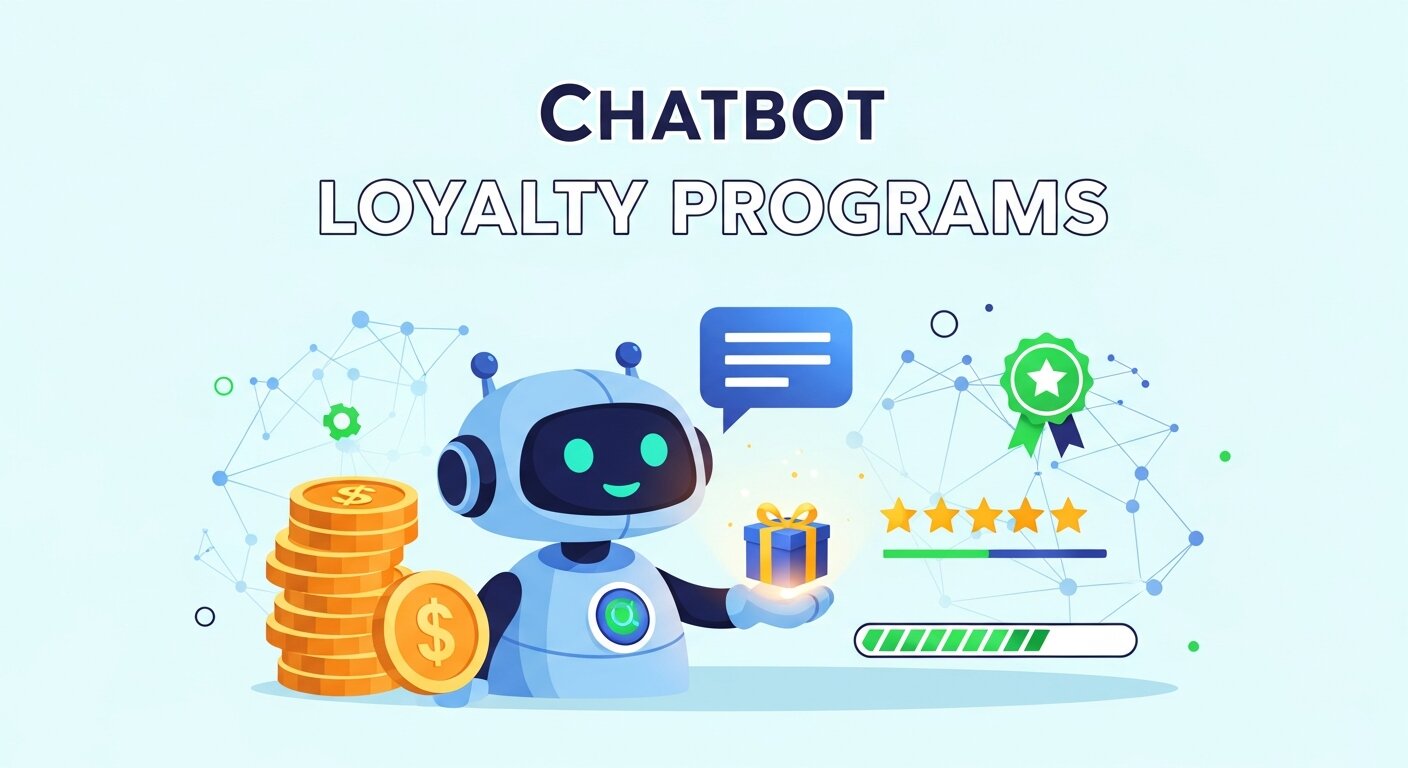
Chatbot Loyalty Programs are transforming how brands engage and retain customers in today’s competitive digital landscape. By combining conversational AI with reward systems, businesses can deliver personalized, real-time interactions that strengthen relationships and encourage repeat purchases. This guide highlights how to build effective chatbot-driven loyalty experiences that boost retention and long-term value.
This article explores the essential components of effective chatbot loyalty programs and outlines actionable steps to design, implement, and refine a conversational rewards experience. We’ll delve into the strategic advantages, best practices for crafting engaging dialogue flows, advanced personalization techniques, and key performance metrics that determine success. Along the way, we reference industry insights from leading research institutions such as MIT MIT and data security standards from the National Institute of Standards and Technology (NIST).
Understanding Chatbot Loyalty Programs in Today’s Digital Landscape
Chatbot loyalty programs represent a modern evolution of traditional rewards schemes. At their core, these solutions leverage AI-driven chatbots to streamline every touchpoint of the loyalty journey. Instead of waiting for monthly emails or scanning a physical punch card, members can initiate a conversation with a chatbot on their preferred channel—whether that’s a branded mobile app, website chat widget, or popular messaging platform like Facebook Messenger or WhatsApp. This immediacy not only enhances the user experience but also aligns with consumer expectations for on-demand service.
In today’s digital landscape, consumers demand personalization. Chatbot loyalty programs can analyze purchase history, browsing behavior, and demographic data to deliver tailored suggestions. If a customer has frequently purchased eco-friendly products, the chatbot can highlight upcoming green promotions or exclusive sustainable rewards. By serving context-aware recommendations, these systems increase perceived value and motivate deeper engagement.
Moreover, chatbots provide real-time visibility into reward balances, tier status, and upcoming opportunities. A simple query—’How many points do I have?’—triggers an instant data retrieval that eliminates friction. Instead of navigating multiple site pages or logging into a separate portal, users interact conversationally, simplifying the process and reducing drop-off rates. This fluid experience translates into higher participation and redemption metrics.
Another advantage of chatbot-based loyalty is omnichannel consistency. Brands can deploy the same chatbot logic across a website, mobile app, email, and social media. Regardless of where a customer initiates the conversation, they receive uniform messaging, rewards information, and call-to-action prompts. This reinforces brand identity and ensures that loyalty incentives are accessible no matter how or where users engage.
Key Drivers for Adoption
- Cost-Efficiency: By automating routine loyalty tasks, chatbots reduce the need for large support teams and lower operational expenses.
- Increased Retention: Studies have shown that improving retention rates by just 5% can lead to profit growth of up to 25%, emphasizing the financial impact of effective loyalty management.
- Scalability: Whether serving hundreds or millions of interactions per month, chatbot platforms can scale to match demand without significant additional investment.
- Environmental Impact: Digital rewards and e-vouchers reduce paper waste associated with physical cards and mailers.
By integrating conversational AI into your loyalty ecosystem, you foster a more engaging, dynamic, and efficient rewards experience that resonates with today’s digitally savvy audience. In the next section, we’ll examine the tangible business benefits that brands can unlock by adopting chatbot loyalty programs.
The Business Benefits of Chatbot-Driven Loyalty Initiatives

Adopting chatbot loyalty programs can transform customer retention strategies by delivering measurable improvements in engagement, revenue, and satisfaction. Today, brands that leverage conversational AI for loyalty management enjoy:
1. Enhanced Customer Engagement
Chatbots can initiate proactive conversations based on user behavior—welcoming new members, notifying users of unlocked tiers, or suggesting special offers. This dynamic approach keeps loyalty top of mind and re-engages customers who may have become inactive. According to research from the University of California’s Customer Insights Lab, interactive communication channels can increase loyalty program engagement by over 40%.
2. Hyper-Personalization at Scale
Through machine learning algorithms, chatbots segment users into distinct cohorts—such as frequent buyers, seasonal shoppers, and bargain hunters—and deliver curated reward options. These tailored suggestions drive higher redemption rates and personalized upsell offers. For instance, a national retailer recorded a 55% lift in average order value when deploying AI-driven product recommendations alongside reward notifications.
3. Omnichannel Loyalty Experiences
Seamless integration across web, mobile, and social platforms ensures that customers encounter consistent loyalty messaging wherever they spend time. This reduces fragmentation and confusion, contributing to stronger brand recall. Brands using omnichannel chatbots report a 25% uplift in cross-channel engagement compared to single-channel loyalty efforts. Additionally, this unified approach simplifies campaign management for marketing teams.
4. Operational Efficiency and Cost Savings
By automating common inquiries—such as point balance checks, reward catalogs, and redemption processes—chatbots free up support teams to focus on high-value tasks. This not only cuts operational costs but also improves response times. A leading financial institution reduced loyalty-related support calls by 70% through its AI chatbot, saving millions in annual labor expenses.
5. Incremental Revenue and Upsell Opportunities
Chatbot-driven loyalty interventions can prompt customers to explore new products at the point of engagement. Whether suggesting a higher-tier reward or offering a limited-time bonus for an additional purchase, these micro-conversations create upsell opportunities. Some brands have reported a 15% increase in incremental revenue directly attributable to loyalty conversation triggers.
6. Churn Reduction Through Proactive Outreach
Retaining an existing customer is significantly more cost-effective than acquiring a new one. Chatbots can detect inactivity and send re-engagement messages, promotional offers, or reminder alerts for expiring points. This proactive approach helps reduce churn—studies show a 10% decrease in attrition rates when automated loyalty reminders are implemented.
7. Data-Driven Insights and Continuous Improvement
Every chatbot interaction generates valuable data points—from conversation logs to redemption patterns. Brands can leverage these analytics to refine loyalty mechanics, optimize reward tiers, and tailor messaging strategies. For more in-depth guidance on data privacy and analytics best practices, see the National Institute of Standards and Technology (NIST).
Collectively, these benefits underscore why chatbot loyalty programs are becoming an indispensable tool for modern marketers. The ability to combine 24/7 availability, personalized interactions, and scalable automation empowers brands to maintain competitive advantages while fostering deeper customer relationships. Next, we’ll explore how to design an engaging conversational flow for your loyalty chatbot.
Designing an Engaging Chatbot Loyalty Workflow
Creating an intuitive and satisfying conversational flow is crucial for the success of any chatbot loyalty program. A structured dialogue ensures users can easily navigate loyalty features and complete desired actions without frustration. Below is a proven framework for designing an effective loyalty chatbot workflow:
Step 1: Welcome and Onboarding
When a customer first interacts with the chatbot, deliver a friendly greeting and a concise overview of program benefits. Highlight how to earn points, available reward tiers, and key commands like “Check Points” or “View Rewards.” Use interactive onboarding cards or quick-reply buttons to guide users through initial setup, such as linking their account or subscribing to notifications.
Step 2: Balance Inquiry
Enable simple prompts for checking current point balances or tier status. Phrases like “How many points do I have?” or “What is my membership level?” should return instant, personalized responses. Consider adding visual progress bars or numerical summaries within the chat interface to reinforce motivation and transparency.
Step 3: Reward Exploration
Offer a dynamic catalog of rewards based on the user’s current points or tier. Use rich media elements—such as images, short descriptions, and quick-reply buttons—to showcase options like discounts, free products, or exclusive experiences. Tailor the list by filtering out items that require more points than the user currently holds, reducing cognitive load and focusing on attainable goals.
Step 4: Redemption Process
Guide customers step by step through redemption. Once a user selects a reward, prompt for any necessary details—shipping address for physical items or email address for digital vouchers. Confirm the transaction with a clear summary of points deducted and an estimated delivery or redemption timeframe.
Step 5: Progress Tracking and Milestone Updates
Regularly update members on their progress toward the next tier or bonus threshold. Send celebratory messages when milestones are reached—for example, unlocking silver or gold status. This positive reinforcement encourages ongoing engagement and fosters a sense of achievement.
Step 6: Re-Engagement and Reminder Triggers
Implement automated triggers for key events, such as soon-to-expire points, unclaimed rewards, or upcoming promotional campaigns. Personalized reminders—like “You have 50 points expiring this week!”—can prompt timely action. Additionally, consider using location-based or time-sensitive triggers to deliver contextually relevant offers.
Use A/B testing to compare different onboarding scripts or reward presentations. Gathering user feedback during beta launches can help refine tone, language complexity, and button placements. Always include fallback options that gracefully handle off-script questions, redirecting users to FAQs or live support when necessary. Ensuring GDPR compliance and transparent data usage statements at the start of the conversation builds trust and encourages opt-in consent.
By mapping out each stage of the loyalty conversation, brands can deliver a cohesive and satisfying user experience that drives higher retention and maximizes the impact of chatbot loyalty programs. In the following section, we’ll discuss how to enhance these workflows with advanced personalization techniques.
Implementing Personalization at Scale

To maximize the impact of chatbot loyalty programs, personalization must go beyond basic name insertion. Advanced tactics enable brands to deliver highly relevant content, offers, and experiences at scale. Here are proven methods to achieve this:
Dynamic Segmentation
Segment users based on transactional history, browsing patterns, and demographic traits. Create cohorts such as frequent buyers, seasonal shoppers, trial users, or dormant accounts. Each segment can receive tailored reward structures—like bonus points for first-time purchasers or exclusive VIP events for high-spending customers.
AI-Powered Product and Reward Recommendations
Leverage machine learning models to analyze past purchases and browsing behavior. Present complementary products or popular rewards that align with individual preferences. For instance, if a customer recently bought running shoes, the chatbot could suggest a fitness tracker as a premium reward. These personalized suggestions can lift conversion rates by up to 30%, according to industry benchmarks.
Geolocation and Contextual Triggers
Tap into location-based features to deliver timely, in-store loyalty perks. When a user enters a partnered retailer’s vicinity, the chatbot can offer bonus points for a quick check-in or a flash discount for same-day purchases. This contextual approach drives foot traffic and fosters a seamless online-to-offline connection.
Milestone and Event-Based Messaging
Celebrate customer milestones such as birthdays, anniversaries, or program membership dates with exclusive bonuses. Schedule automated messages that trigger on these dates, offering tailored rewards that deepen emotional engagement. Research by Stanford University’s consumer behavior lab indicates that personalized celebratory messages can increase program satisfaction rates by over 25%.
Integration with CRM and Analytics Platforms
Connect chatbot data streams with your CRM and data analytics tools to create a unified customer profile. This integration ensures loyalty interactions are informed by the latest customer data—purchases, support tickets, and social media engagement. Centralized data empowers marketing teams to craft multi-touch campaigns that align with user journey stages and deliver the right message at the right time.
Continuous Testing and Optimization
Implement A/B tests to compare message wording, reward formats, and timing. Monitor key performance indicators like open rates, click-through rates, and redemption ratios to identify high-impact personalization strategies. Iterate rapidly, using data insights to refine segmentation rules and recommendation algorithms.
Privacy and Compliance Considerations
Personalization requires collecting and processing user data responsibly. Adhere to relevant data protection regulations—such as GDPR or CCPA—and prominently disclose your privacy policy within the chatbot loyalty programs. Provide users with clear options to manage their data preferences or opt out of marketing messages, ensuring transparency and trust.
By adopting these personalization methods, brands can deliver uniquely relevant experiences that resonate with each customer. This level of customization not only boosts loyalty engagement but also drives higher lifetime value per user. Up next, we’ll cover how to measure the success of your chatbot loyalty programs and optimize for continuous growth.
Measuring and Optimizing Chatbot Loyalty Success
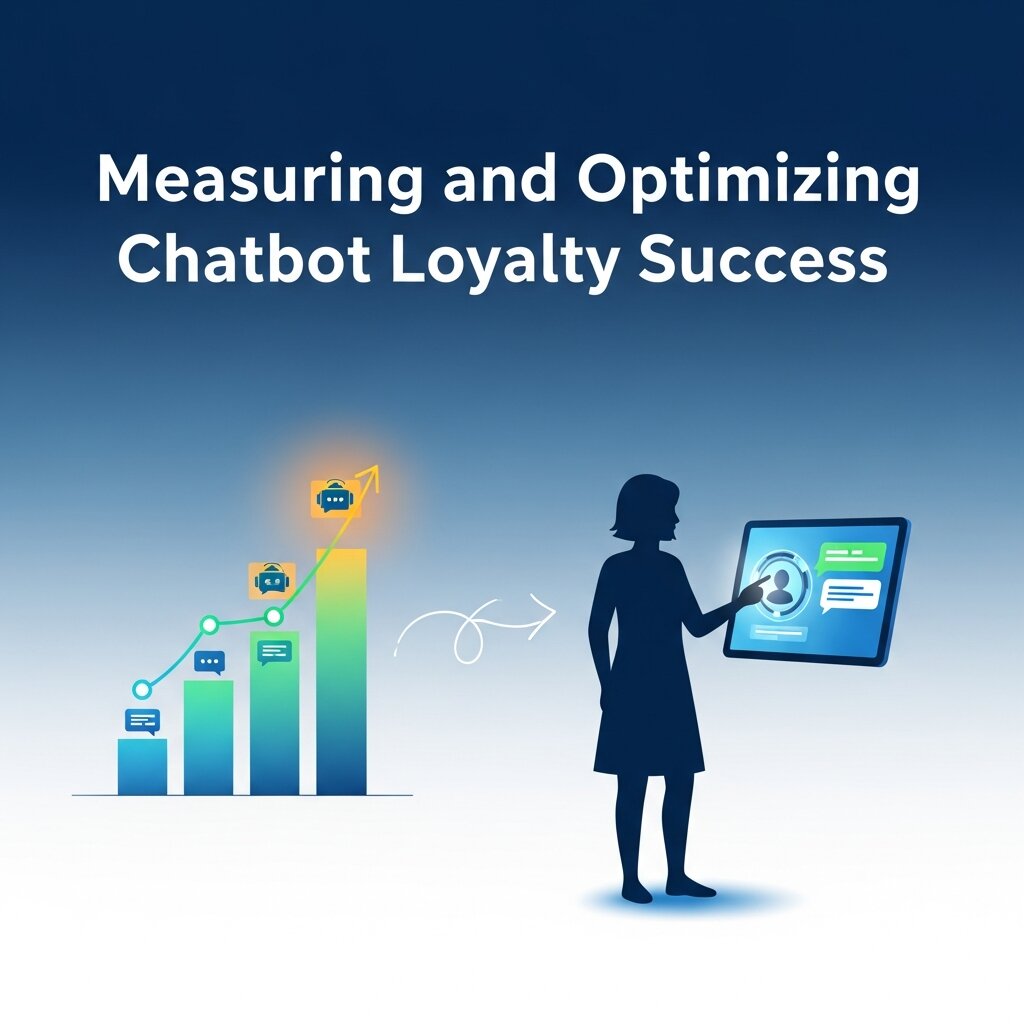
To ensure your chatbot loyalty programs deliver sustained value, it’s essential to track the right metrics and continuously optimize based on data insights. Below are key performance indicators and best practices for analyzing program effectiveness.
Enrollment Rate
Track the percentage of chatbot loyalty programs interactions that result in new program sign-ups. A high enrollment rate indicates that your onboarding prompts and registration flow resonate with users. If this metric lags, consider simplifying your sign-up process, reducing required fields, or offering instant incentives for joining.
Active Member Engagement
Monitor the number of users who interact with loyalty features—such as checking balances, browsing rewards, or completing redemptions—within a given period. A steadily growing active member base signifies strong program health. Use cohort analysis to pinpoint segments with lower engagement and deploy re-engagement campaigns accordingly.
Redemption Rate
Calculate the ratio of issued rewards that are actually redeemed. Low redemption rates could signal issues with reward attractiveness, redemption complexity, or unclear instructions. Streamline the redemption process and diversify reward offerings to maintain interest.
Incremental Revenue Contribution
Assess additional sales generated by loyalty-driven repeat purchases or upsells prompted by the chatbot loyalty programs. Utilize attribution models to separate loyalty-driven revenue from other marketing channels. Brands often witness a 10–20% lift in incremental revenue when optimizing chatbot loyalty triggers.
Churn and Retention Metrics
Compare churn rates before and after implementing chatbot loyalty initiatives. A meaningful reduction in customer attrition underscores program effectiveness. Analyze churn cohorts to understand why members disengage and refine your chatbot messaging to address those pain points.
Conversation Quality and Satisfaction
Gather qualitative feedback through post-interaction surveys or quick-rating prompts. Monitor metrics like average resolution time, user satisfaction scores, and fallback rates (instances where the bot couldn’t answer questions). High satisfaction and low fallback rates indicate a well-trained chatbot loyalty programs and comprehensive knowledge base.
Campaign Performance Analysis
For time-bound promotions—such as holiday bonus points or limited-time tiers—evaluate open rates, click-through rates, and conversion percentages. Identify which message formats, reward types, or triggers generate the highest returns and replicate successful patterns.
Continuous Improvement Loop
Establish a regular review cadence—monthly or quarterly—to audit performance metrics, user feedback, and system logs. Use these insights to refine your conversation flows, update your reward catalog, and experiment with new AI models. Collaboration between marketing, product, and data science teams is vital for iterative enhancement.
Ultimately, measuring and optimizing chatbot loyalty success is a cycle of data collection, analysis, and strategic adjustment. By focusing on these key metrics and adopting a test-and-learn mindset, brands can maximize program ROI and foster long-lasting customer relationships in today’s competitive marketplace.
Conclusion
In today’s competitive landscape, chatbot loyalty programs offer an unmatched opportunity to deepen customer relationships and drive sustainable growth. By leveraging conversational AI, brands can deliver personalized, context-aware rewards while streamlining operational workflows and reducing costs. From seamless onboarding and interactive reward exploration to dynamic personalization and rigorous performance measurement, each element of a chatbot loyalty programs initiative contributes to a compelling value proposition for customers.
Frequently Asked Questions
What is a chatbot loyalty program?
A chatbot loyalty program uses AI-driven chatbots to manage and engage members in a rewards ecosystem through conversational interfaces, delivering instant support, personalized recommendations, and seamless reward redemptions.
How can chatbots personalize loyalty experiences?
By leveraging data from purchase history, browsing behavior, and demographics, chatbots can segment users and deliver tailored reward suggestions, context-aware promotions, and dynamic catalogs at scale.
Which metrics should I track for success?
Key metrics include enrollment rate, active member engagement, redemption rate, incremental revenue contribution, churn reduction, and conversation quality, such as satisfaction scores and fallback rates.
Can chatbots integrate with existing CRM systems?
Yes. Integrating chatbot interactions with CRM and analytics platforms creates unified customer profiles, enabling cohesive multi-touch campaigns and informed personalization strategies.
How do I ensure data privacy and compliance?
Adhere to regulations like GDPR and CCPA by disclosing your privacy policy, providing clear opt-in/opt-out options, and securing user data, fostering transparency and trust.





[…] can also explore Chatbot Loyalty Programs to understand how chatbot-based interactions can support customer retention and encourage repeat […]