In today’s digital landscape, customers expect every interaction with a brand to be seamless, personalized, and consistent. Gone are the days when customer engagement occurred solely through a single channel; now, businesses must deliver unified experiences across social media, email, live chat, SMS, and messaging apps. This year (2026), leveraging AI chatbots has become a game changer for marketers seeking to orchestrate omnichannel campaigns that feel human and intuitive. By integrating intelligent virtual assistants into each touchpoint, brands can scale personalized support, guide users through product journeys, and collect valuable insights that feed back into marketing strategies.
Currently, organizations that embrace AI chatbots in their omnichannel approach report higher satisfaction rates, improved lead conversion, and stronger customer loyalty. With technology continuously evolving, chatbots powered by natural language processing (NLP) and machine learning can interpret intent, handle complex inquiries, and seamlessly transfer conversations to live agents when needed. In this comprehensive guide, we outline proven best practices for harnessing AI chatbots, from mapping customer journeys to measuring ROI. Whether you’re a small business or an enterprise, these tactics will help you deploy a cohesive ecosystem that delights audiences and drives growth.
Understanding the Power of Omnichannel Marketing
Omnichannel marketing unifies all channels into a cohesive experience, ensuring that every interaction feels connected and contextually relevant. Unlike a multichannel strategy where each platform operates in isolation, an omnichannel framework allows customers to switch between channels without repeating themselves. For example, a shopper might begin browsing products on social media, continue the conversation via chat on a website, and complete the purchase through a mobile app—all while retaining their history and preferences.
This level of integration is critical because today’s consumers are more informed and empowered than ever before. When brands deliver frictionless transitions, they build trust and credibility. A study by Harvard University (https://www.harvard.edu) demonstrated that companies with well-orchestrated omnichannel programs see up to a 30% increase in customer lifetime value. That’s because consistent messaging and personalization foster loyalty, reduce churn, and encourage repeat purchases.
Infusing AI chatbots into this environment enhances each stage of the customer journey. From initial awareness to post-purchase support, virtual agents can greet visitors, answer common questions, and nudge them toward desired actions. Moreover, AI chatbots are available 24/7, ensuring that no opportunity is lost due to time zone differences or staffing constraints. This continuous engagement not only improves customer satisfaction but also frees human agents to address complex issues, elevating the overall quality of service.
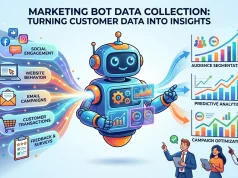
In addition, AI chatbots collect and centralize data automatically. Every interaction enriches a customer’s profile, capturing preferences, behaviors, and sentiment. This wealth of information feeds back into email campaigns, SMS sequences, and retargeting ads, enabling hyper-personalized messaging. In today’s fast-paced marketplace, such agility is essential for staying ahead of competitors and meeting evolving expectations.
Unlocking AI Chatbots: Transforming Customer Interactions

AI chatbots represent a paradigm shift in customer engagement by combining scale with personalization. At their core, modern virtual assistants employ advanced natural language processing algorithms to parse user intent, handle nuanced queries, and generate human-like responses. As a result, businesses can field an unlimited volume of conversations across websites, mobile apps, Facebook Messenger, WhatsApp, and more—without sacrificing quality.
A primary advantage of AI chatbots is their ability to provide instant support. Studies from the National Institute of Standards and Technology (https://www.nist.gov) reveal that rapid response times significantly boost satisfaction scores. By reducing wait times to zero, chatbots enhance user experience and decrease abandonment rates, especially during critical moments like checkout or technical troubleshooting.
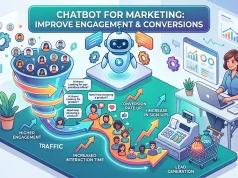
Beyond reactive support, AI chatbots excel at proactive engagement. With predictive analytics, these systems identify patterns and trigger personalized messages based on behavior—for instance, reminding a customer about an abandoned cart or suggesting complementary products. This contextual relevance drives higher conversion rates and nurtures leads more effectively than static email blasts.
Furthermore, AI chatbots gather real-time data that informs strategic decisions. Metrics such as containment rate (percent of queries resolved by the bot), handoff rate to live agents, and conversation sentiment provide deep visibility into customer needs. Marketing teams can then refine messaging, update FAQs, and optimize conversation flows to continuously improve performance. In today’s data-driven world, this iterative process is key to maintaining a competitive edge.
Finally, chatbots support multilingual interactions, allowing brands to expand globally without the overhead of hiring native speakers for every language. Equipped with translation models and localized content, AI chatbots ensure consistent quality across regions, aligning with brand tone and compliance standards. As businesses grow, this flexibility becomes invaluable for sustaining seamless omnichannel communications.
Crafting Your AI Chatbot Omnichannel Roadmap
Launching an AI chatbot across multiple channels requires careful planning. Begin by mapping your ideal customer journey: chart each touchpoint—from social media direct messages to live chat, email inquiries, SMS alerts, and in-app support. Identify common pain points, high-value actions (such as sign-ups or purchases), and handoff opportunities where human agents should take over. Defining clear objectives—improving lead generation, reducing support costs, or boosting retention—will ensure that your roadmap aligns with business goals.
Next, select a chatbot platform that supports omnichannel integration and advanced natural language capabilities. Look for providers offering seamless connectivity with your existing CRM and marketing automation tools (e.g., Salesforce, HubSpot). Evaluate vendor features like multilingual support, analytics dashboards, and open APIs. By choosing a solution that fits both technical requirements and budget constraints, you’ll lay the foundation for sustainable growth.
Once the platform is in place, draft detailed conversational workflows. Visualize each scenario with flowcharts, incorporating entry points, user intents, fallback paths, and escalation triggers. Personalization tokens—such as user names, account details, or purchase history—should be embedded to create human-like interactions. Provide quick-access buttons for frequent tasks like order tracking, appointment booking, or promotional offers to reduce friction.
Brand consistency must be maintained across every channel. Define your chatbot’s tone of voice—whether professional, playful, or empathetic—and apply it uniformly. Customize avatars, color palettes, and typography to mirror your brand guidelines. This visual cohesion reinforces recognition and trust, especially when customers transition between platforms.
Finally, integrate chatbot data into your analytics stack. Centralizing metrics like engagement rate, conversation duration, and conversion lift allows for holistic performance reviews. Set up dashboards to monitor progress against KPIs, and schedule regular check-ins to identify optimization opportunities. By following a structured roadmap, you’ll ensure your AI chatbot deployment delivers measurable value today and scales effectively tomorrow.
Designing Conversational Workflows and Ensuring Consistency

High-quality conversational design is the heart of any successful AI chatbot implementation. Start by defining user intents and grouping similar questions into categories, such as product inquiries, technical support, or billing questions. For each intent, write clear, concise responses that guide users toward their goals. Avoid long paragraphs; instead, use bullet points, numbered lists, and quick-reply buttons to simplify navigation.
Implement robust fallback mechanisms to handle unexpected queries. When the chatbot doesn’t understand a question, it should offer alternative options—like redirecting to a human agent, suggesting related topics, or asking clarifying questions. This reduces user frustration and maintains engagement. Continuously refine your NLP models by reviewing fallback logs and updating training data with common phrases and slang.
Personalization enriches conversations and fosters connection. Utilize dynamic content insertion—such as greeting users by name, referencing past orders, or offering location-based deals. With each successful interaction, your AI chatbots collect data that deepens user profiles, enabling more relevant future engagements. Ensure that data privacy regulations are observed and clearly communicated in your policies.
Consistency in brand tone and visual identity is crucial across channels. Whether a user chats on your website widget or via WhatsApp, the language style, chatbot name, and design elements must align. This seamless brand voice reinforces credibility and makes conversations feel part of a unified ecosystem. Document style guides and share them with all stakeholders to guarantee adherence.
Finally, integrate your chatbot with backend systems—like inventory databases, CRM platforms, or order management tools—to provide real-time updates. For instance, customers checking order status should receive accurate, up-to-the-minute information without leaving the chat interface. Such deep integrations not only enhance user satisfaction but also streamline internal processes and drive operational efficiency.
Measuring ROI and Anticipating Future AI Trends
Evaluating the success of your AI chatbot strategy requires tracking both quantitative and qualitative metrics. Key performance indicators include engagement rate (percentage of users initiating a chat), containment rate (queries resolved by the bot without human intervention), handoff rate, conversion lift, and customer satisfaction (CSAT) scores. Dashboards that display these metrics in real time empower teams to make data-driven optimizations.
A/B testing is an effective method for refining chatbot performance. Experiment with different greeting messages, prompts, and conversation structures to identify versions that drive higher engagement and completion rates. Similarly, test timing triggers for proactive outreach—such as exit-intent messages or cart abandonment reminders—to maximize conversion opportunities.
Beyond current capabilities, several emerging trends in AI chatbots will shape the future of omnichannel marketing. Voice-activated interactions through smart speakers and in-car systems will extend conversational commerce into new contexts. Emotion detection and sentiment analysis will enable chatbots to adjust tone dynamically, creating more empathetic responses. Predictive engagement engines will proactively reach out to users based on real-time behavior signals, anticipating needs before they arise.
To stay ahead, invest in ongoing training of your NLP models and continuously incorporate new dialogue patterns. Keep abreast of industry research by following reputable institutions such as the Massachusetts Institute of Technology (MIT) or the U.S. government’s AI initiatives. By combining rigorous measurement with forward-looking experimentation, you can ensure your AI chatbots remain at the forefront of customer experience innovation.
FAQ
What channels can AI chatbots integrate with in an omnichannel strategy?
AI chatbots can seamlessly connect with various platforms such as website live chat widgets, social media messengers (Facebook Messenger, WhatsApp), email, SMS, and in-app support. Integration with CRM and marketing automation tools ensures customer context is preserved across all touchpoints.
How do I measure the success of my chatbot deployment?
Track key performance indicators like engagement rate, containment rate (queries resolved by the bot), handoff rate to human agents, conversion lift, and customer satisfaction (CSAT) scores. Real-time dashboards and A/B testing of conversation flows will highlight areas for optimization and growth.
How often should I update my chatbot’s conversation flows?
Regularly review fallback logs and performance metrics to identify common questions or misunderstood intents. Aim to refine dialogue flows and update training data at least once a quarter, or more frequently if you notice shifts in user behavior or significant product changes.
Conclusion
Implementing AI chatbots within an omnichannel marketing framework is essential for brands that aim to deliver consistent, personalized experiences in today’s competitive environment. By mapping customer journeys, selecting the right platform, designing engaging conversation flows, and integrating with analytics and backend systems, businesses can unlock unprecedented levels of engagement and efficiency. Regular performance reviews and A/B testing ensure continuous improvement, while attention to emerging trends keeps you market-ready. Start small, iterate quickly, and let your AI chatbots transform the way you connect with audiences across all channels.