Designing a High-Impact AI Chatbot Marketing Funnel for the Customer Journey
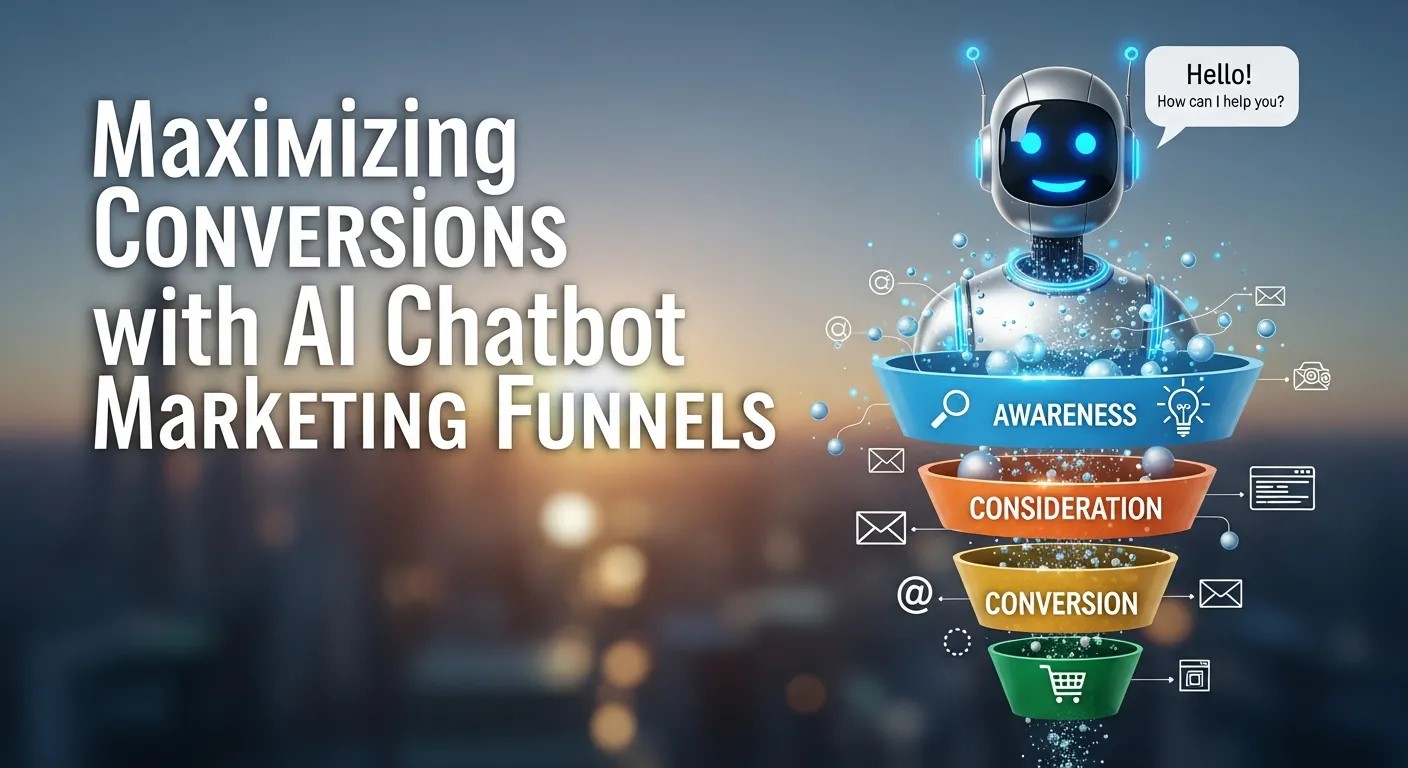
In a world where customer expectations evolve daily, brands must go beyond simple automation and build a structured AI Chatbot Marketing Funnel that guides users from awareness to decision. Modern marketers rely on a well-designed AI Chatbot Marketing Funnel to streamline engagement, personalize communication, and drive measurable conversions. Instead of deploying a basic conversational agent, forward-thinking businesses architect end-to-end chatbot journeys that combine smart design, behavioral insights, and analytics workflows. A strategic AI Chatbot Marketing Funnel ensures prospects receive the right information at the right moment while maximizing ROI.
Every high-performing chatbot starts with a clear map of the customer journey. Within an optimized AI Chatbot Marketing Funnel, marketers first define key funnel stages awareness, interest, evaluation, and conversion then align conversational flows with user intent at each step. During awareness, the chatbot can greet visitors, run quick diagnostic quizzes, or share helpful content. In the evaluation phase, it can present product comparisons, testimonials, or demo scheduling. At conversion, it streamlines checkout, provides secure payment options, or enables smooth human hand-offs for complex decisions. By mapping each interaction carefully, the AI Chatbot Marketing Funnel crea
Personalization at Scale with AI and Data Integration
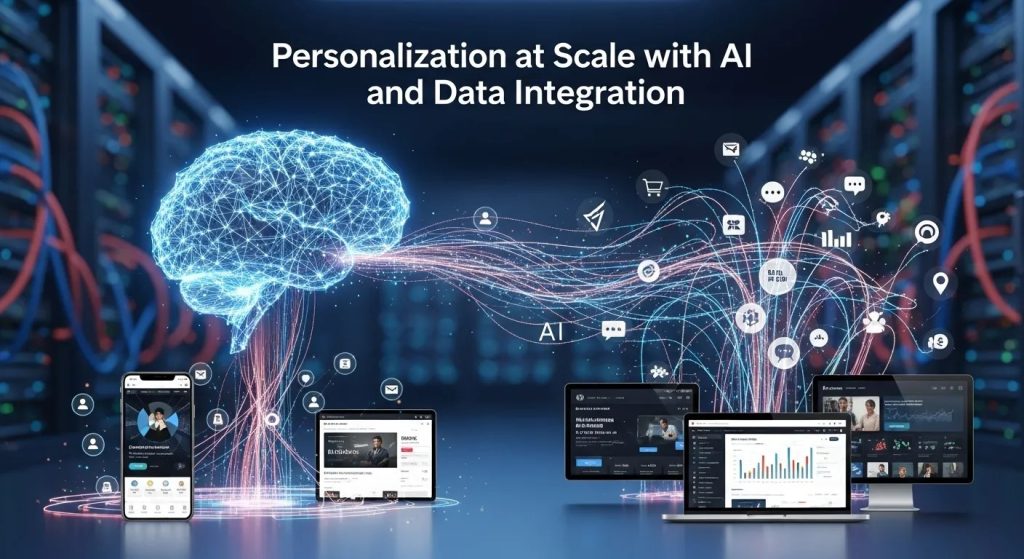
The secret sauce of next-gen chatbot funnels is hyper-personalization. By integrating your chatbot with CRM, marketing automation, and analytics platforms, you can tailor messages based on user behavior, demographics, and past interactions. For instance, if a returning visitor browsed a specific product page yesterday, the chatbot can open the conversation by referencing that item, offering a discount code, or inviting them to a live chat demo.
Leverage AI-driven sentiment analysis to adapt tone and urgency. If a user expresses frustration or confusion, the bot can escalate the conversation to a human agent or trigger a knowledge base article. This dynamic response not only enhances user satisfaction but also drives higher conversion rates by addressing objections in real time.
Seamless Handoff to Human Agents
While AI chatbots excel at handling routine queries, complex negotiations and high-value deals often require a human touch. Define precise handoff triggers—such as multi-question intents, negative sentiment signals, or cart abandonment—to transfer conversations to a live agent. Within your CRM, ensure that agents see the entire chat history, user profile, and funnel stage so they can pick up seamlessly.
Maintain service level agreements (SLAs) for response times, and equip your team with canned responses and snappy macros to handle common chat scenarios. This hybrid model of chatbot plus human agent yields the best of both worlds: instant engagement and expert resolution for critical inquiries.
Analytics and Continuous Optimization
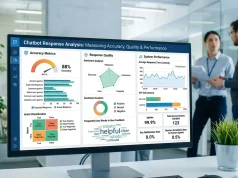
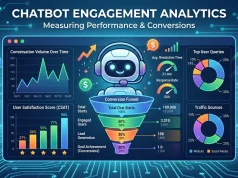
No funnel is set-and-forget. Track key metrics like engagement rate, drop-off points, average resolution time, lead qualification rate, and conversion yield. Use A/B testing to evaluate different opening greetings, button placements, and message lengths. Incorporate cohort analysis to see how chatbot-acquired leads perform over time compared to other channels.
Regularly review conversation logs to identify friction points. Are users getting stuck at a particular decision tree? Is your bot misunderstanding certain queries? Use these insights to refine intents, train NLP models, and improve FAQ coverage. Incremental tweaks can lead to significant uplifts in customer satisfaction and revenue contribution.
Proactive Engagement & Retention in an AI Chatbot Marketing Funnel
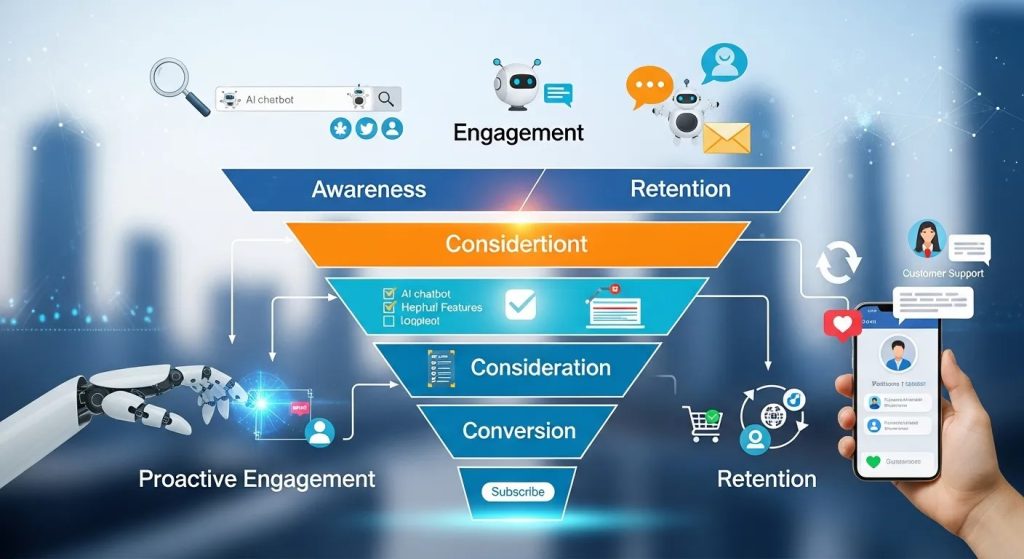
Driving conversions is essential, but the real strength of a high-performing AI Chatbot Marketing Funnel lies in fostering long-term engagement and customer retention. Modern chatbots go beyond transactional interactions—they proactively nurture relationships, re-engage users, and transform one-time buyers into loyal advocates. By embedding intelligent, behavior-driven strategies into your AI Chatbot Marketing Funnel, brands can increase session frequency, strengthen loyalty, and drive sustained revenue growth over time.
Behavioral Triggers for Proactive Engagement
Behavioral triggers are a cornerstone of an advanced AI Chatbot Marketing Funnel. By monitoring in-app or website behavior, chatbots can anticipate user needs and initiate timely conversations. For instance, if a user lingers on a product page, abandons a shopping cart, or revisits certain features repeatedly, the chatbot can intervene with helpful guidance, suggest alternatives, or even offer a discount. These proactive interactions reduce friction, encourage completion, and create a sense of personalized attention, reinforcing the value of your AI Chatbot Marketing Funnel.
Personalized Notifications & Content Drip Campaigns
Personalization amplifies engagement within an AI Chatbot Marketing Funnel. Tailored notifications—such as birthday offers, loyalty point reminders, or product replenishment prompts—keep your brand top-of-mind. Coupled with content drip campaigns that deliver educational tips, tutorials, or curated product insights over time, chatbots nurture leads and establish brand authority. This approach ensures users feel understood and supported, increasing repeat interactions and overall lifetime value.
Gamification & Interactive Experiences
Gamification elements make chatbot interactions more engaging and enjoyable. Integrating quizzes, polls, challenges, badges, or points systems into an AI Chatbot Marketing Funnel increases session duration and encourages repeat visits. Users are motivated to participate, explore product offerings, and complete desired actions. Progress tracking, reward systems, and interactive challenges turn routine conversations into dynamic experiences that support long-term retention.
Feedback Loops for Continuous Improvement
An effective AI Chatbot Marketing Funnel incorporates continuous feedback loops. By collecting insights after purchases, interactions, or customer support exchanges, chatbots can help refine flows, optimize recommendations, and improve the overall user experience. Demonstrating that user opinions influence product or service adjustments builds trust and strengthens brand loyalty.
Conversational Commerce: Turning Engagement into Revenue
High-performing AI Chatbot Marketing Funnels enable conversational commerce, allowing users to browse, compare, and purchase directly within the chat interface. Key tactics include shoppable product cards, quick-pay buttons, real-time inventory updates, limited-time offers, and AI-driven cross-selling or personalized recommendations. By reducing friction and streamlining the purchase process, chatbots transform conversations into measurable sales.
AI-Powered Lead Scoring & Qualification
Not all leads carry the same value. Advanced AI Chatbot Marketing Funnels use AI-driven lead scoring to prioritize high-potential prospects. Chatbots track user behavior, assign engagement scores, segment leads, and seamlessly hand off qualified prospects to human agents. This ensures efficient follow-up, shortens response times, and maximizes conversion rates.
By integrating proactive engagement strategies, gamification, conversational commerce, and AI-driven lead qualification, an AI Chatbot Marketing Funnel becomes a comprehensive growth engine. It not only drives immediate conversions but also cultivates long-term customer relationships, increases retention, and amplifies overall ROI.
Future Trends: Voice, Multichannel, and AI-Driven Insights
As we look beyond voice-enabled chatbots and multichannel experiences will become table stakes. Prepare your funnel workflows to extend seamlessly to voice assistants, social messaging apps, and even in-app messaging within your mobile product. Prioritize AI-driven predictive analytics to anticipate customer needs before they even initiate a chat.
Early adopters of these advanced capabilities will secure a competitive edge by offering frictionless experiences across every touchpoint. The brands that master true conversational commerce where chatbots guide customers from discovery to purchase and beyond will see exponential growth in both revenue and loyalty.
Advanced Strategies for Optimizing an AI Chatbot Marketing Funnel
A truly high-performing AI Chatbot Marketing Funnel goes beyond guiding users through basic interactions. Modern chatbots leverage data, AI, and strategic design to drive conversions, increase retention, and deliver measurable ROI. By implementing sophisticated tactics across engagement, analytics, and personalization, brands can turn chatbots into powerful growth engines. Below, we break down multiple strategies that integrate advanced features while maintaining a seamless user experience.
AI Chatbots in Market Research
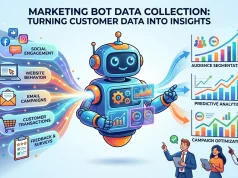
One of the most underutilized capabilities of an AI Chatbot Marketing Funnel is its potential for market research. Chatbots can collect real-time user insights by engaging visitors in surveys, quizzes, or feedback prompts directly within the conversation. These insights help marketers understand customer preferences, pain points, and product interest trends.
By analyzing aggregated responses, brands can refine messaging, product offerings, and marketing campaigns. Integrating AI-driven sentiment analysis further enhances understanding, allowing chatbots to detect emotions or hesitations and adjust interactions accordingly. Using AI Chatbots in Market Research provides a continuous, cost-effective method for gathering actionable intelligence without relying on external survey tools.
Hyper-Personalized Interaction
A standout AI Chatbot Marketing Funnel uses hyper-personalization to enhance engagement. By leveraging behavioral data, purchase history, and browsing patterns, chatbots can tailor responses, product recommendations, and content delivery for each individual user.
Personalized greetings, context-specific suggestions, and follow-ups based on prior interactions make users feel understood. This approach aligns with the modern expectation of Hyper-Personalization at Scale, transforming standard interactions into meaningful experiences that encourage conversions and brand loyalty.
Voice & Multimodal Interaction
Modern users expect flexibility in how they engage with chatbots. Incorporating voice, text, and visual elements creates a multimodal AI Chatbot Marketing Funnel that caters to diverse user preferences.
Voice-enabled chatbots are particularly valuable for mobile-first users or situations where hands-free interaction is preferred. Combining voice commands with interactive buttons, images, and short videos ensures accessibility and maintains engagement. This multimodal approach also allows AI to analyze tone, detect sentiment, and adjust conversational style dynamically, reinforcing personalization and user satisfaction.
Conversational Commerce & Revenue Generation
A key goal of an AI Chatbot Marketing Funnel is to directly impact revenue. Conversational commerce turns chats into sales opportunities, enabling users to browse products, compare options, and complete transactions without leaving the interface.
Implement shoppable product cards, limited-time offers, and AI-driven cross-selling to maximize average order value. By reducing friction in the buying process, chatbots shorten the sales cycle and convert engagement into measurable ROI. This strategy complements traditional marketing channels and integrates seamlessly with existing e-commerce ecosystems.
Retention & Lifecycle Optimization
Sustainable growth depends on retaining users and encouraging repeat engagement. A mature AI Chatbot Marketing Funnel includes lifecycle messaging and proactive retention strategies.
Behavioral triggers can re-engage inactive users, while personalized notifications—like loyalty point reminders or product replenishment prompts—keep your brand top-of-mind. Additionally, gamification and interactive content, such as quizzes or challenges, motivate users to return and participate regularly. By integrating retention-focused tactics, chatbots increase customer lifetime value and improve long-term ROI.
Analytics-Driven Refinement & Continuous Improvement
The most effective AI Chatbot Marketing Funnel is never static. Continuous optimization through analytics is critical. Track performance across funnel stages, measure conversions, and analyze engagement metrics to identify bottlenecks or underperforming flows.
Incorporate AI-powered predictive insights to anticipate trends, personalize interactions further, and test new approaches efficiently. Feedback loops from users, combined with quantitative data, ensure each iteration of the funnel improves performance and aligns with both business goals and customer expectations.
Conclusion
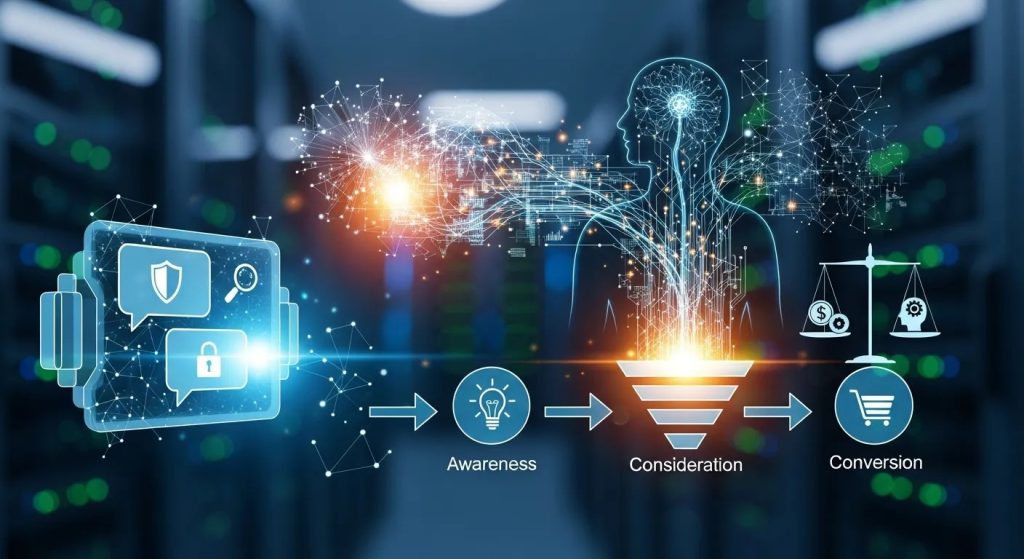
AI chatbot marketing funnels are no longer experiments they’re essential drivers of scalable engagement and conversion. By mapping your customer journey, leveraging personalization at scale, designing intuitive flows, and seamlessly integrating human agents, you can create a best-in-class experience that boosts ROI. Layer in analytics, privacy compliance, and emerging multichannel capabilities, and you’re well on your way to leading the market.
Ready to transform your marketing results with advanced chatbot funnels? Start by auditing your current conversational workflows, then apply the strategies outlined above. The future of customer engagement is conversational don’t get left behind.
Frequently Askes Questions
What is a chatbot marketing funnel?
It’s a structured conversation flow that guides prospects through awareness, consideration, and conversion stages while providing personalized experiences and gathering actionable data.
How do I measure chatbot effectiveness?
Track metrics such as engagement rate, drop-off points, average resolution time, lead qualification rate, conversion rate, and customer satisfaction (CSAT/NPS).
Can chatbots replace human agents entirely?
No. While chatbots handle routine queries efficiently, complex issues or high-value deals still require human agents. The best results come from a hybrid approach.
How do I personalize chatbot interactions at scale?
Integrate your chatbot with CRM, analytics, and marketing automation platforms. Use behavioral data, purchase history, and past interactions to deliver hyper-relevant messages in real time.
What are common chatbot triggers?
Triggers include cart abandonment, repeated visits to a product page, inactivity for a set period, or negative sentiment detection during a conversation.
How can chatbots improve retention?
By proactively engaging users with timely messages, loyalty rewards, educational content, and personalized follow-ups, chatbots keep users returning and increase lifetime value.
What privacy considerations are essential for chatbots?
Always display a clear privacy notice, explain how data is used, allow opt-outs, and implement encryption or identity verification for sensitive data.
Can chatbots work across multiple channels?
Yes. Modern chatbot funnels should extend seamlessly to websites, mobile apps, social messaging platforms, and voice assistants for a unified omnichannel experience.
How do I optimize chatbot flows?
Regularly review conversation logs, A/B test greetings and decision trees, refine NLP models, and adjust messages based on user feedback and performance analytics.
What’s next for chatbot marketing funnels?
Expect voice-enabled bots, predictive AI for proactive engagement, multichannel integrations, and smarter personalization to dominate future conversational commerce.