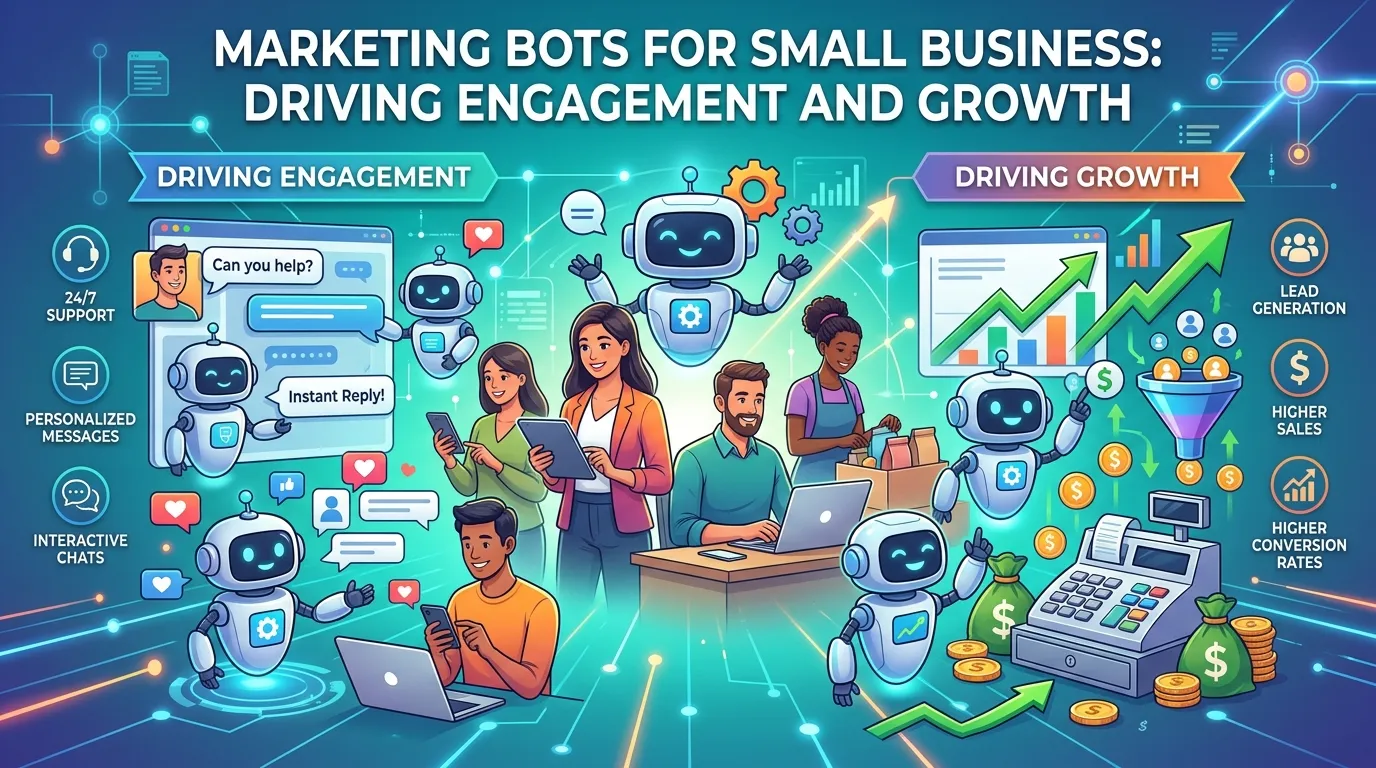
Marketing bots for small business help companies automate customer conversations, generate leads, provide support, and improve engagement. AI-powered chatbots can answer questions, qualify prospects, personalize interactions, and connect with marketing automation systems. When designed around customer needs and supported by human assistance, marketing bots can save time while creating more efficient and responsive customer experiences.
What Are Marketing Bots for Small Business?
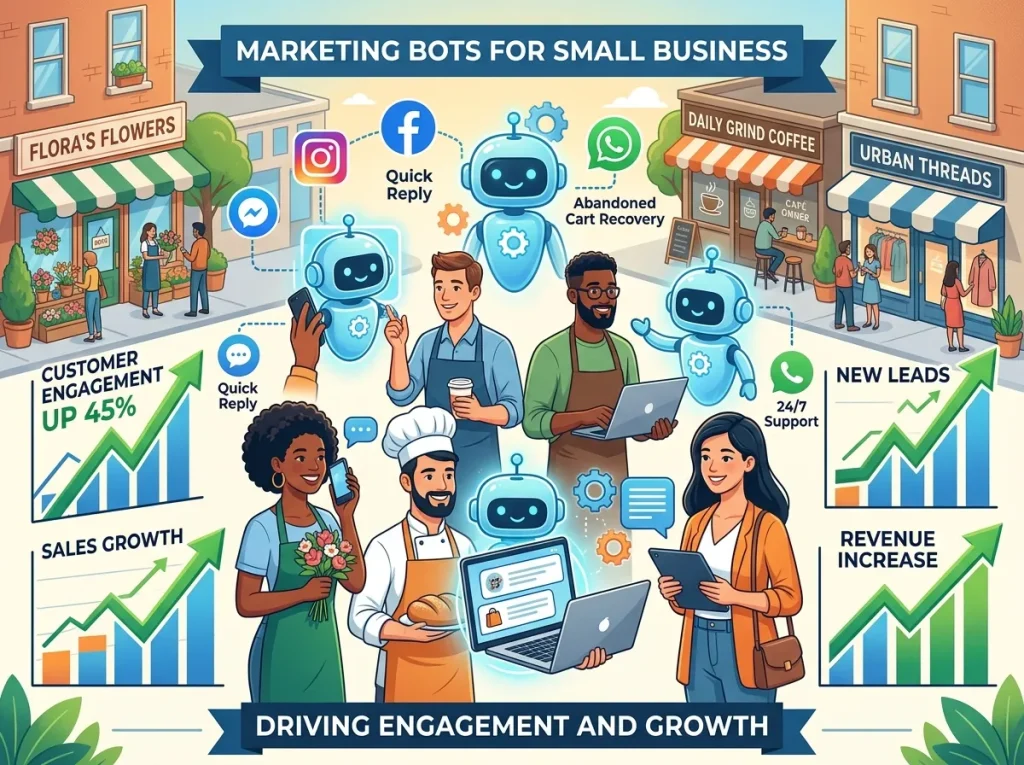
Marketing bots for small business are automated software tools that use predefined workflows, artificial intelligence, or conversational technology to communicate with customers and prospects. They can answer questions, recommend products, collect contact information, qualify leads, provide support, and guide visitors toward relevant actions.
For smaller companies, bots can provide an efficient way to handle repetitive communication without requiring employees to respond manually to every common question. A well-designed bot can operate across websites, messaging platforms, social channels, and other digital touchpoints.
The value of marketing bots is not simply automation. The strongest implementations make it easier for customers to find information and interact with a business while allowing employees to focus on conversations that require human judgment.
Why Small Businesses Are Using Marketing Bots
Small businesses often operate with limited staff and resources. Responding quickly to every website visitor, social media message, inquiry, and support request can become difficult as customer activity grows.
Small business marketing chatbots can help address this challenge by providing immediate responses to common questions. A bot can explain services, provide business hours, direct customers to relevant pages, collect inquiry details, or help visitors understand what to do next.
This can also improve the customer experience. Someone visiting a website outside normal business hours does not necessarily have to wait until the next day for basic information.
When automation handles routine interactions effectively, employees can spend more time on complex customer needs, sales conversations, and relationship building.
AI Marketing Bots for Small Business
AI marketing bots for small business are becoming more capable because modern conversational technologies can understand natural language and respond to a wider range of customer questions.
Unlike simple rule-based chatbots that depend heavily on specific keywords and predetermined responses, AI-powered bots can often interpret different ways of asking the same question.
For example, a customer might ask about pricing in several different ways. An AI bot can potentially recognize that these questions have similar intent and provide the appropriate information.
However, AI does not eliminate the need for careful planning. Businesses still need to establish accurate information, appropriate boundaries, escalation procedures, and human handoff options.
A useful example of this technology is a Conversational AI Chatbot that can support customer communication while helping businesses handle common inquiries more efficiently.
Chatbot Marketing Strategy
A chatbot marketing strategy connects automated conversations with broader marketing and customer acquisition objectives. Instead of placing a chatbot on a website simply because competitors are using one, businesses should determine what the bot is expected to accomplish.
For one company, the primary objective might be collecting leads. Another may want to answer product questions, schedule consultations, recommend products, or direct customers toward useful resources.
The conversation should reflect the customer’s journey. Someone arriving for the first time may need educational information, while a returning visitor may already know what they are looking for.
A successful strategy focuses on providing value at the right moment rather than pushing promotional messages into every conversation.
Small Business Chatbot Automation
Small business chatbot automation can reduce the amount of manual work involved in repetitive communication. Businesses can automate responses to frequently asked questions, lead capture, appointment requests, product inquiries, order questions, and basic support issues.
Automation can also connect with other marketing systems. For example, information collected during a chatbot conversation can be transferred to a customer relationship management platform or marketing automation system.
This creates opportunities for personalized follow-up. A visitor who provides information about a particular service could receive relevant content or be contacted by a sales representative.
Automation should remain flexible, however. Customers should have a clear path to a human representative when the conversation becomes too complex for the bot.
AI Chatbot for Lead Generation
An AI chatbot for lead generation can help businesses turn website visitors into potential prospects by engaging them during their visit.
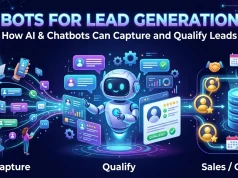
Instead of relying only on static contact forms, a chatbot can ask conversational questions about a visitor’s needs, company, budget, project, or preferred service. It can then collect relevant contact details and determine whether the person may be a suitable lead.
This approach can make lead capture feel more interactive. A visitor does not necessarily have to navigate to a separate contact page to start a conversation.
The quality of the questions matters. Asking too many questions can create friction, while asking too few may produce information that is not useful for qualification.
Automated Customer Engagement
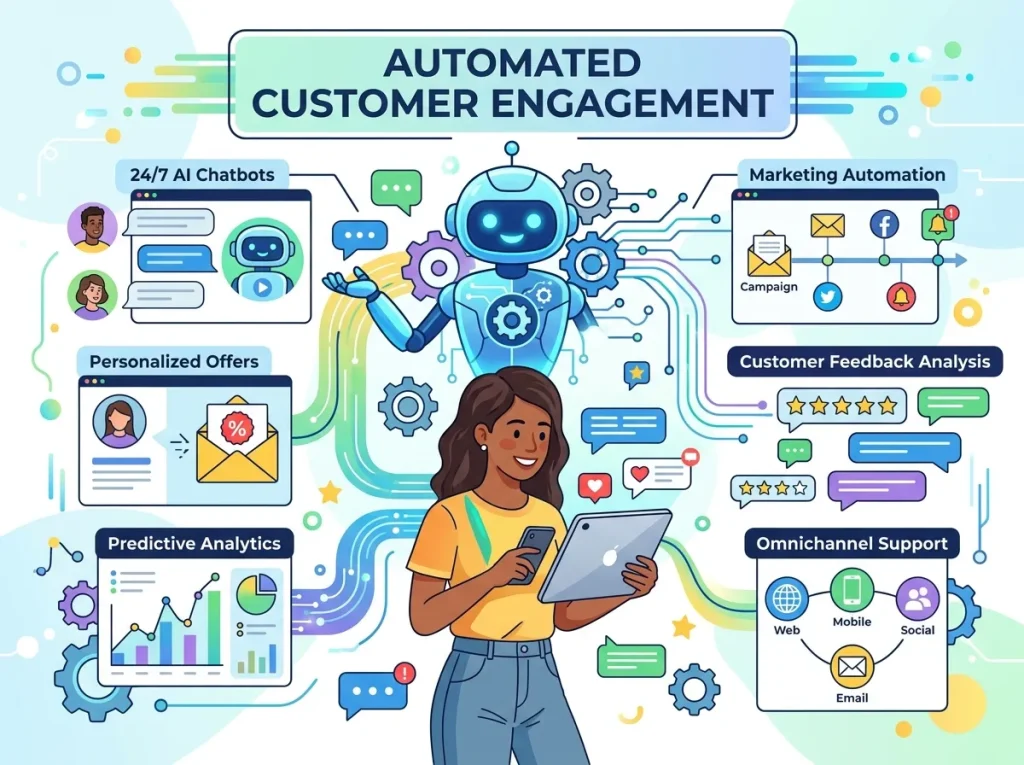
Automated customer engagement allows businesses to maintain communication with prospects and customers without requiring employees to manually manage every interaction.
Bots can welcome new visitors, recommend content, provide updates, answer frequently asked questions, and encourage customers to take relevant next steps.
Engagement should be based on usefulness rather than message volume. A bot that constantly interrupts visitors or repeatedly promotes products can damage the customer experience.
The most effective automated engagement feels like assistance rather than advertising.
Businesses can explore Bots for Customer Engagement for additional insight into how conversational automation can support customer interactions.
Chatbots for Customer Support
Chatbots for customer support can handle many common questions before a human representative becomes involved. This can be particularly useful for businesses that receive repetitive inquiries about pricing, availability, policies, services, operating hours, or basic troubleshooting.
A support bot can also help route conversations. If a question requires a specialist, the bot can collect relevant information and transfer the conversation to the appropriate employee.
This can reduce customer effort because people do not necessarily need to explain the same issue multiple times.
The key is knowing where automation should stop. Complex complaints, sensitive issues, unusual technical problems, and situations requiring empathy should generally be handled by people.
Conversational Marketing for Small Business
Conversational marketing for small business uses real-time or automated conversations to create more personalized interactions with potential customers.
Traditional marketing often delivers information to audiences through static pages, advertisements, emails, and other content. Conversational marketing adds an interactive element by allowing customers to ask questions and receive responses based on their needs.
For example, a visitor exploring several services could interact with a bot that helps identify which option is most appropriate. The bot can then direct the visitor to relevant information or invite them to speak with a representative.
This can shorten the path between discovery and action while giving businesses additional insight into customer interests.
Chatbot Lead Generation Strategy
A chatbot lead generation strategy should focus on attracting, qualifying, and progressing potential customers rather than simply collecting as many contacts as possible.
The bot can begin by identifying what the visitor needs and then determine whether the business can provide a suitable solution. Depending on the responses, it can recommend relevant resources, request contact information, or connect the visitor with sales.
Lead quality is more important than lead volume. A chatbot that generates hundreds of irrelevant contacts may create more work for a small sales team instead of improving efficiency.
Businesses should therefore connect chatbot interactions with their lead qualification process and track whether conversations eventually result in meaningful opportunities.
Marketing Automation for Small Businesses
Marketing automation for small businesses becomes more powerful when chatbot activity is connected with email, CRM, advertising, analytics, and other marketing systems.
For example, a visitor who interacts with a chatbot about a specific service could be placed into a relevant email sequence. Another visitor who requests a consultation could be routed directly to a sales workflow.
This creates a connected customer journey instead of treating chatbot conversations as isolated interactions.
AI can also influence broader marketing communication. Businesses interested in the wider role of artificial intelligence can explore How AI Is Transforming Marketing Communication Strategies to understand how AI is changing communication and customer engagement.
Personalization and Marketing Bots
Personalization can make automated conversations more useful. Bots can use information provided during a conversation to adjust recommendations and responses.
A visitor looking for a specific service should not necessarily receive the same conversation as someone researching a different solution. Relevant recommendations can help customers reach useful information faster.
Personalization should also respect customer expectations. Businesses should avoid collecting unnecessary information or creating interactions that feel intrusive.
The best personalization is usually practical: helping customers find the right product, service, resource, or next step.
Measuring Marketing Bot Performance
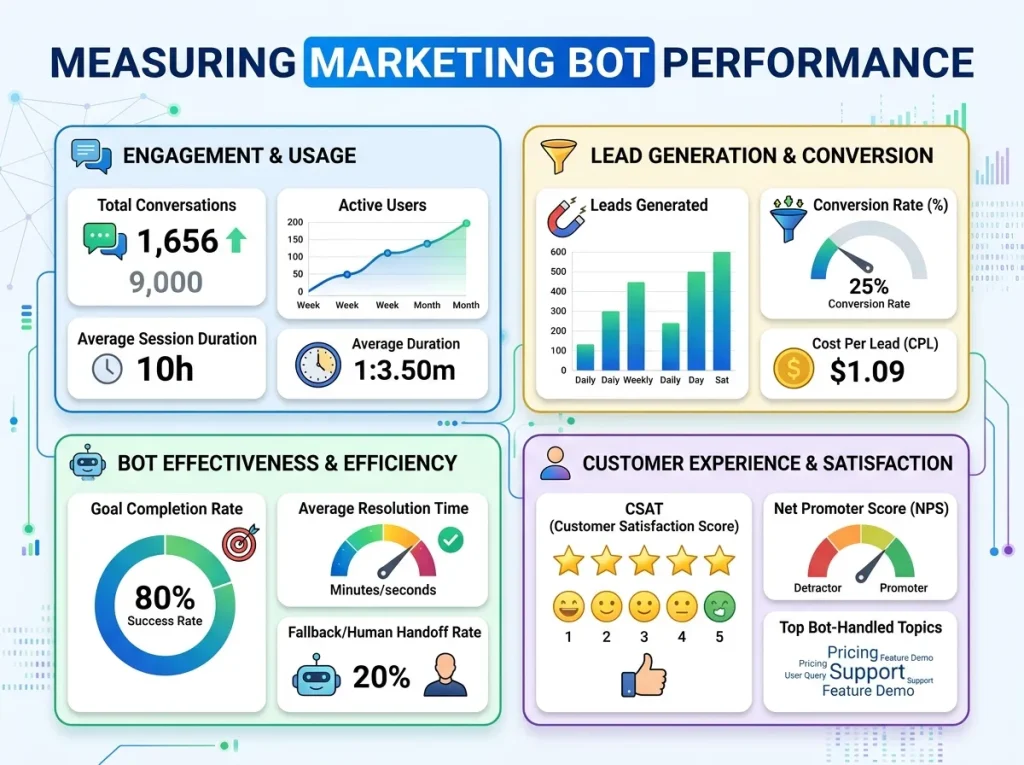
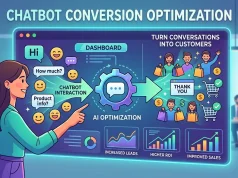
Businesses need to measure whether their bots are producing meaningful results. Common metrics can include conversation starts, completion rates, lead submissions, qualified leads, appointment requests, conversions, customer satisfaction, and human handoff rates.
Businesses should also examine where users abandon conversations. A high abandonment rate may indicate that the bot is asking too many questions, providing unclear responses, or creating unnecessary friction.
For a deeper understanding of chatbot measurement, Mastering Chatbot Marketing Analytics provides useful information about metrics that can be used to evaluate chatbot performance.
The most important measurement is ultimately business impact. A bot that generates fewer conversations but produces more qualified leads or improves customer satisfaction may be more valuable than one that generates large volumes of low-quality interactions.
Human Support Still Matters
Marketing bots should support employees rather than attempt to replace every human interaction. Customers sometimes need empathy, negotiation, expertise, or complex problem-solving that automated systems cannot provide effectively.
A clear human handoff process is therefore essential. Customers should be able to reach an employee when needed, and the employee should have enough context to understand what has already been discussed.
This creates a hybrid customer experience in which automation handles predictable tasks while people handle situations requiring deeper attention.
Final Thoughts
Marketing bots for small business can help companies improve customer engagement, generate leads, automate repetitive communication, and provide faster support without requiring a large team.
From small business marketing chatbots and AI marketing bots for small business to conversational marketing for small business and marketing automation for small businesses, these technologies can support multiple stages of the customer journey.
The most successful businesses treat bots as part of a broader customer communication strategy rather than as standalone tools. When automation provides useful information, captures meaningful leads, connects with other marketing systems, and offers easy access to human support, it can become a valuable part of sustainable business growth.
Frequently Asked Questions
1. What are marketing bots for small business?
Marketing bots for small business are automated tools that communicate with website visitors, prospects, and customers. They can answer questions, recommend services, collect lead information, provide support, and guide people toward relevant actions. Depending on the technology, they may use predefined rules, artificial intelligence, or a combination of both.
2. How can chatbots help small businesses?
Chatbots can help small businesses handle repetitive customer interactions without requiring employees to respond manually to every inquiry. They can provide information around the clock, capture leads, answer common questions, support customers, and direct visitors toward useful resources or sales conversations.
3. Are AI marketing bots better than traditional chatbots?
AI marketing bots can understand a wider variety of natural-language questions and may provide more flexible conversations than traditional rule-based chatbots. However, they are not automatically better for every situation. A simple rule-based bot may be sufficient for straightforward tasks, while AI can be more useful when customers ask varied or complex questions.
4. Can a chatbot generate leads for a small business?
Yes. A chatbot can engage website visitors, ask questions about their needs, collect contact details, and qualify potential prospects. It can also recommend relevant services or resources and connect qualified visitors with sales representatives. The effectiveness depends heavily on the quality of the conversation and the business’s follow-up process.
5. What is conversational marketing for small businesses?
Conversational marketing for small businesses uses interactive conversations to engage potential customers and help them find relevant information or solutions. Instead of relying exclusively on static marketing content, businesses can use chatbots and other conversational tools to understand customer needs and guide them toward appropriate next steps.
6. Can marketing bots replace customer service employees?
Marketing bots generally work best as a supplement to customer service teams rather than a complete replacement. They can handle repetitive and straightforward questions, allowing employees to focus on complex issues. Customers should have an easy way to reach a human when their problem requires judgment, empathy, or specialized assistance.
7. How do small businesses use chatbot automation?
Small businesses can use chatbot automation for lead capture, frequently asked questions, appointment requests, product recommendations, customer support, content discovery, and basic qualification. The chatbot can also connect with CRM and marketing platforms so information collected during conversations can support personalized follow-up.
8. What should a small business measure when using a chatbot?
Businesses can measure conversations started, engagement, completion rates, leads generated, qualified leads, appointments, conversions, customer satisfaction, and human handoffs. It is also useful to identify where users abandon conversations. These metrics can reveal whether the bot is helping customers and contributing to meaningful business outcomes.
9. Are marketing bots expensive for small businesses?
The cost varies significantly depending on the chatbot’s capabilities, platform, integrations, traffic volume, and level of customization. Basic solutions can be relatively affordable, while advanced AI systems and complex integrations may require greater investment. Businesses should evaluate the expected time savings, lead generation, customer service improvements, and revenue impact when considering cost.
10. How can small businesses make chatbot marketing successful?
Successful chatbot marketing starts with a clear purpose and a strong understanding of customer needs. The bot should provide useful answers, ask relevant questions, avoid unnecessary friction, and offer human assistance when needed. Connecting chatbot data with CRM and marketing systems can further improve personalization, lead nurturing, and measurement.